New details about 4A Games' flagship Metro series title, Metro 2039, were revealed during an online hands-on preview on the 11th.
First revealed in April, Metro 2039 immediately captured the attention of gamers worldwide. From series protagonist Artyom stepping down to make way for a new protagonist, "The Stranger," to Hunter—who served as Artyom's mentor in previous entries—taking power as Führer and turning into a tyrant. Combined with an even darker atmosphere, heightened visual realism, and visceral combat sequences, the return of Metro raised expectations to a fever pitch.
Now, gamers' attention is turning to what comes next. As the latest entry in a franchise that delivered tightly focused linear experiences in Metro 2033 and Metro: Last Light, and open-world exploration and survival mechanics in Metro Exodus, players are eager to see what changes Metro 2039 will bring to the table.
Ahead of the main presentation, 4A Games explained that Metro 2039 combines the lessons of previous titles with the studio's accumulated development expertise to deliver a fresh vision of Metro. What exactly is 4A Games seeking to revive—and what new elements are they adding—in Metro 2039? Here is a closer look from the hands-on preview.
Returning to the Series' Roots: The Metro
The online hands-on presentation was led by Robbie Cooke, who handles the Metro brand at 4A Games. Before diving into specific details about Metro 2039, he outlined the overall direction the game aims to take.
When 4A Games began development on Metro 2039, their primary goal was to bring together everything they loved about the Metro series. The first two titles, Metro 2033 and Metro: Last Light, focused on the oppressive claustrophobia of the Metro itself. Confined spaces, linear progression, and constant tension where danger could strike from anywhere defined the experience. Conversely, Metro Exodus emphasized leaving Moscow to explore vast regions and manage diverse survival mechanics.
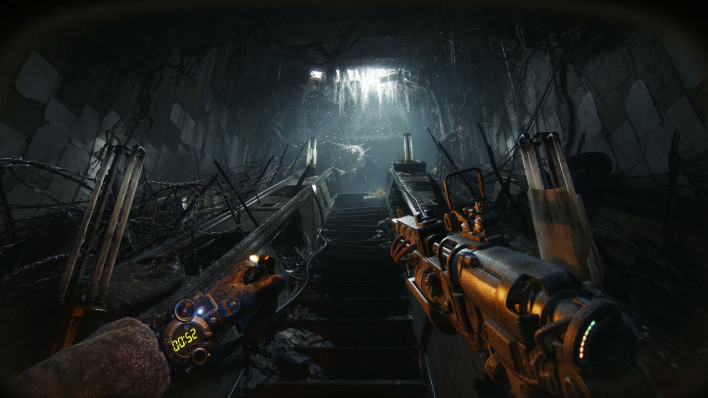
Metro 2039 aims to merge these two directions into a single experience. However, this was not simply a matter of blindly combining good elements. The development team explained that while they revived beloved aspects from the early games, they decisively pared back features they felt were not true to Metro. The result is Metro 2039, a title aiming to be the darkest and most densely packed entry in franchise history.
The setting reinforces this design vision. Metro 2039 returns to Moscow, bringing players back to the city Artyom and his companions departed in Metro Exodus. Chronologically, the game is set six years after Metro 2033.
Although the nuclear winter is slowly winding down, radiation on the surface remains lethal. Underground, conditions are no better. The station communities—humanity's last bastion, which previously survived by trading and forming alliances—are on the verge of collapse, while a new faction, "Novoreich," has seized control of most of the Metro.
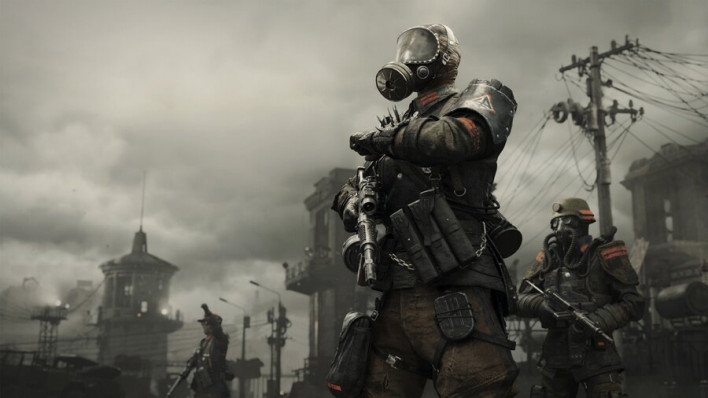
Though a rising faction, their leader is a figure familiar to players: Hunter. Once a key co-founder of the Spartan Order and revered as the first and greatest Spartan, Hunter has now become the brutal Führer ruling the Metro. He preaches a bright future where humanity reclaims the surface, but beneath the propaganda lies a ruthless intent to control the Metro's citizens through force.
However, Metro 2039 is not a story of revolution or resistance to overthrow Hunter. This entry tackles the darkest story in franchise history. Heroes no longer exist, and there is virtually no effective resistance or hope left. Cooke explained, "In previous games, we mostly told stories about extremism, gray zones, and stopping an impending war. But we realized that is no longer the story we want to tell." He added, "Authoritarianism and war are already here. That is why Metro 2039 focuses on cause and effect."
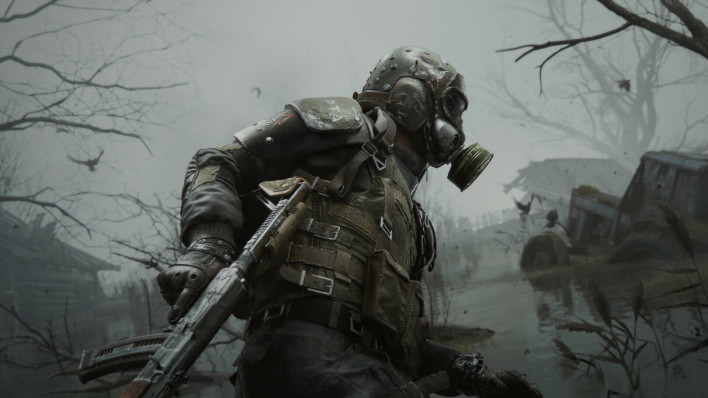
The protagonist of this title is a fundamentally different figure from Hunter: "The Stranger." Currently living as a recluse cut off from the world, he is haunted by violent waking nightmares.
Metro 2039 begins as the Stranger, a former Spartan who was forcibly exiled from the Metro against his will, returns to the place he swore never to re-enter after wandering the world outside Moscow. While Metro Exodus was a story of heroes leaving Moscow to search for a new life, Metro 2039 is a solitary man's harrowing journey back into hell to confront his past.
Living, Breathing Stations: The Return of Daily Metro Life
The detailed game presentation opened with an overview of Sevastopol Station, which serves as the starting point for the preview build. An independent station on the brink of Novoreich occupation, it hangs by a thread: agitators and spies undermine the station master from within, while outside Raiders acting on Novoreich's orders weaken the station's defenses.
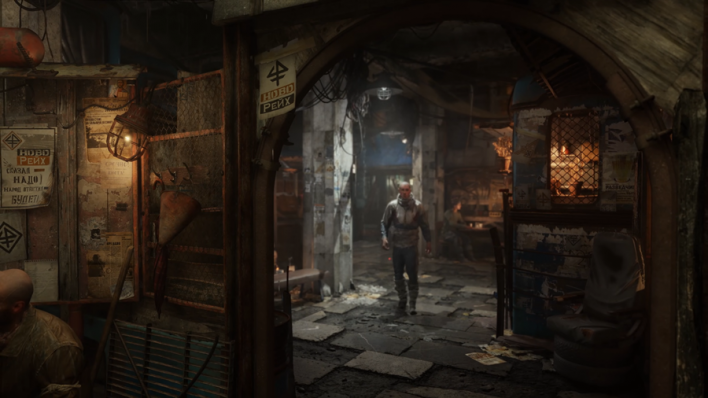
To the residents of Sevastopol, the Stranger—dressed in Spartan gear—might at first look like a savior. Regrettably, the Stranger has no interest in their plight. He is no hero, and he returned to the Metro for one reason only: to obtain the information he needs. The station master feels similarly indifferent toward the Stranger's motives; his sole priority is defending Sevastopol Station from the Raider threat. With their interests aligned, the Stranger strikes a deal with the station master, agreeing to eliminate the Raiders in exchange for intelligence.
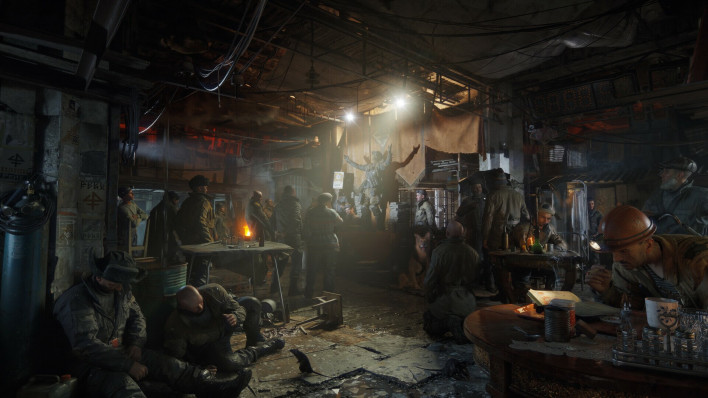
Beyond the narrative, Sevastopol Station showcases a core staple of the Metro series: stations functioning as living, breathing communities. In past titles, each station housed distinct NPCs players could speak with, listen to stories, find lore logs, and trade goods with merchants—all serving to immerse players in Metro's world.
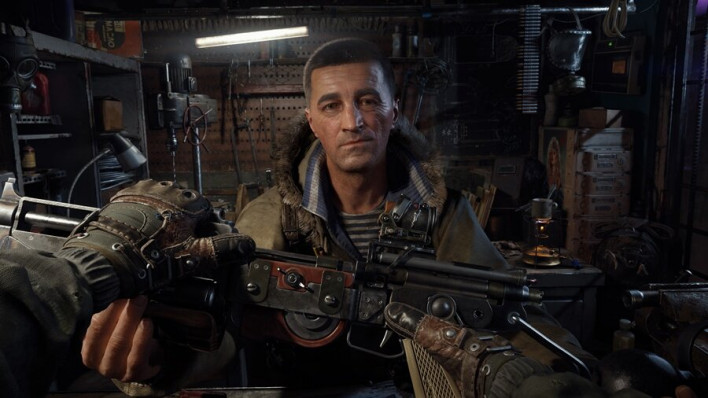
In Metro 2039, these elements feel even more alive. Robbie expressed confidence, stating, "It will feel like a living, breathing space that continues to exist even when the player isn't there." However, glimpses of this authentic station life were limited in the preview build, which Cooke explained was due to locking off key features to avoid spoilers.
Once basic tasks in the station are wrapped up, players finally step into the dark, narrow, irradiated tunnels beneath Moscow.
Mechanics Built to Maximize Immersion
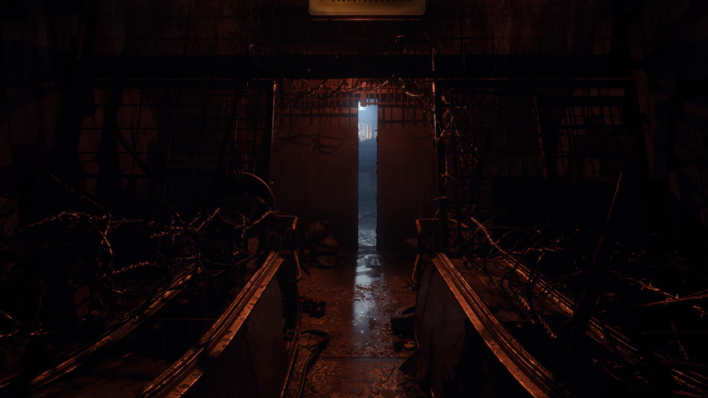
Survival mechanics are central to the Metro experience. Radiation and formidable mutants constantly threaten humanity—and the player. Metro 2039 focuses on making these survival elements feel even more palpable. Cooke explained the team's survival design focus: "The dev team wanted to return to the tunnels and make players feel that every single step they take could be their last."
The primary threat players encounter is radiation, which continues to exert constant pressure. Venturing to the surface requires wearing a gas mask and helmet, while regularly checking wristwatches to monitor remaining filter time.
Environmental interactions have also been expanded. Players can clear paths by burning cobwebs or obstacles with a lighter, and maintain electronic equipment using a universal charger. Retained from previous entries, these mechanics define Metro's signature tactile atmosphere, constantly reinforcing the sensation that the player is in immediate danger.
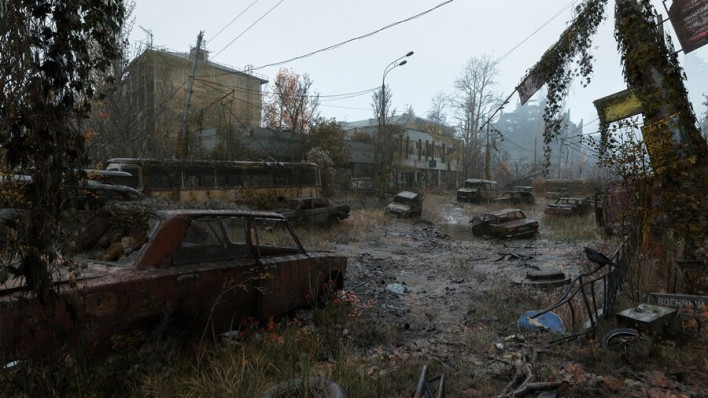
Environmental storytelling serves a similar purpose. Throughout the environment, players discover stories unrelated to the main quest. The dev team dubbed these "Frozen Stories."
A bag packed for a trip just before the nuclear blast, a dropped liquor bottle on the floor, a corpse stabbed in the back, overheard conversations near candlelight, or unexplainable paranormal phenomena—these are not decorative props placed purely for ambiance. Every item exists for a reason, designed so players discover the world's lore organically through exploration rather than relying solely on dialogue or text logs.
Greater Surface Freedom and Tangible Exploration Rewards
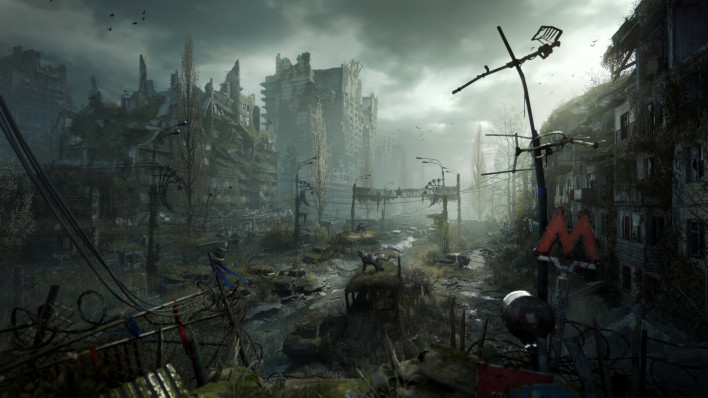
Emerging onto the surface shifts the atmosphere again. Compared to the claustrophobic environments of early titles, Metro 2039's Moscow areas are substantially larger and more open. Players can freely roam through various buildings and tunnels, discovering new lore, loot, and side activities connected to the residents of Sevastopol Station.
Exploration goes beyond casual sightseeing. In Metro 2039, exploration ties directly into character progression and weapon customization systems, spearheaded by the newly introduced blueprint system.
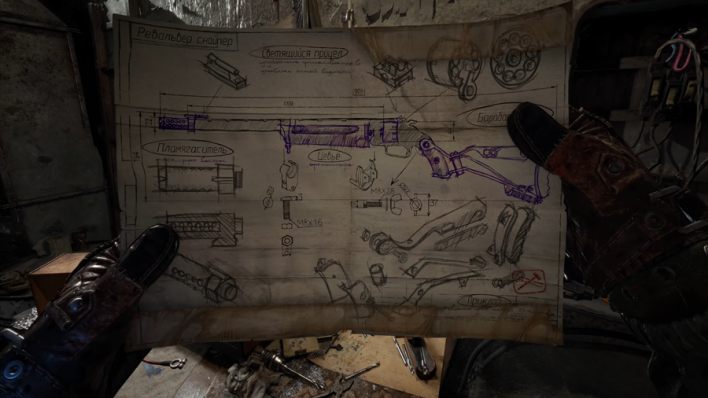
Blueprints are hidden off the main story path in areas requiring deliberate exploration. Acquiring blueprints grants access to weapon attachments, new gear crafting, item creation, and equipment upgrades. Players can reinforce gas mask visors, expand backpack battery capacity to power electronics longer, or combine parts to craft devastating new weaponry.
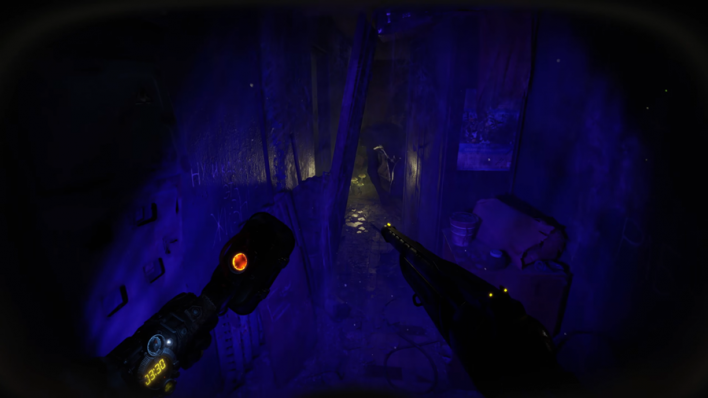
New equipment expands exploration mechanics, headlined by the Cutting Torch and Breaching Charges. The Cutting Torch carves open previously inaccessible routes, while Breaching Charges blast access into hidden areas. Alongside night-vision goggles, a new UV light helps reveal hidden environmental clues or lurking mutants, significantly deepening exploration mechanics.
This creates a clear distinction between rushing straight to an objective and thoroughly scavenging the environment.
Handcrafted Weapons and Dynamic Combat Scenarios
Blueprints gathered during exploration are brought to workbenches to assemble gear. Inheriting the workbench system from Metro Exodus, players can craft ammunition and filters or maintain weapons. Cleaning firearms reduces jams and misfires, while dismantling and reassembling weapons is also supported.
Weapon customization has been further expanded while preserving the Metro franchise's signature improvised gun design. Weapons look and function as if pieced together from salvaged materials, with select firearms accepting various attachments to suit individual playstyles.
Each weapon now features unique secondary ammunition types. While rarer than standard rounds, secondary ammo proves far more lethal against specific enemy types, encouraging players to swap ammunition based on enemy threats rather than relying on a single loadout.
The preview highlighted this mechanic through the Stranger's new signature weapon: the Shatun. Combining features of the Helsing and Tihar, the Shatun is a silent pneumatic rifle requiring manual pumping to maintain pressure. Ideal for stealth encounters and assassinations, the Shatun also allows players to craft its ammunition on the fly.
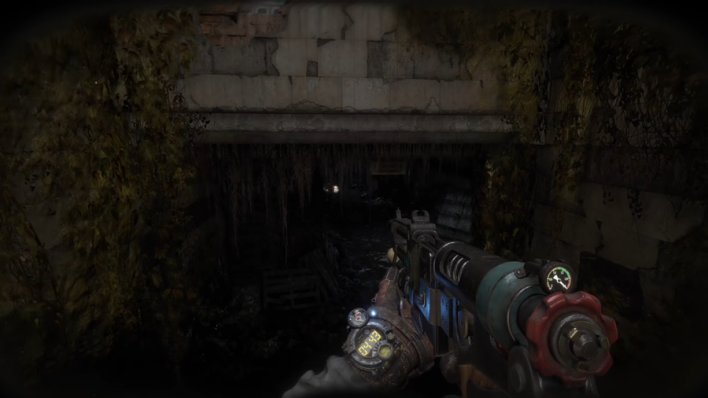
The Shatun fires ball bearings, which are lightweight, plentiful, and easy to craft, yet capable of taking down enemies with a single well-placed shot. Upgrading the Shatun unlocks drill rounds. Though harder to craft and subject to lower carrying capacity, drill rounds pack unmatched stopping power. Furthermore, drill rounds can be recovered from slain enemies, making it tactical to fire and retrieve them rather than relying solely on default ammo.
Combat itself has undergone refinements, serving as the payoff for all these systems. 4A Games explained that Metro 2039 retains the series' heavy, grounded movement while focusing on enhancing gunplay feedback. The goal is to preserve Metro's signature high difficulty while heightening the tactile satisfaction of handling and firing weapons.
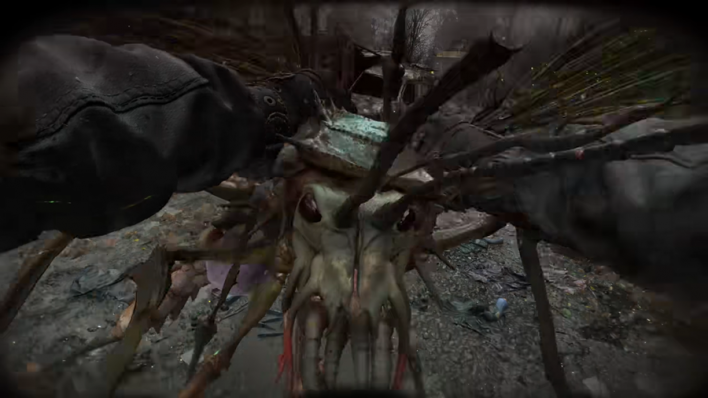
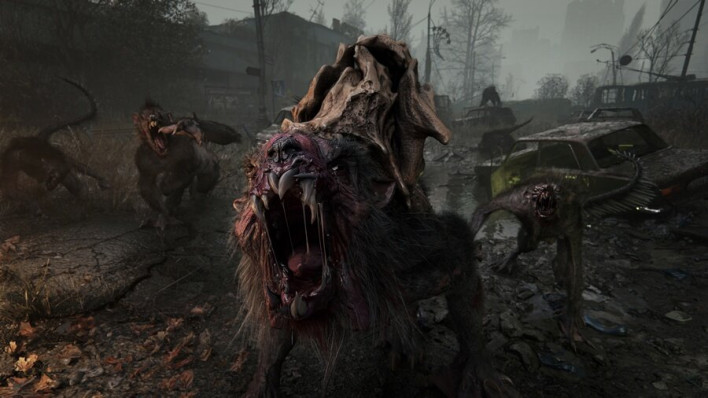
The enemy roster sees major updates. The Metro franchise's iconic mutant lineup expands significantly, adding flying insectoid mutants alongside new variants of legacy monsters. These new mutant additions necessitate fresh tactical approaches.
Particularly striking in Metro 2039 is mutant behavior. Most mutants now operate in coordinated family packs. Rather than attacking individually, multiple entities press the player simultaneously, requiring on-the-fly tactical adjustments during combat.
Rather than simply expanding enemy variety, combat dynamics shift dynamically based on how group AI coordinates movement and pressure.
Delivering an Authentically 'Metro' Experience
The standout takeaway from Metro 2039's preview was not merely the volume of new features, but how effectively 4A Games reclaims the series' historical strengths into a cohesive experience.
Players observe station residents going about their lives, but the moment they step into underground tunnels, radiation and filter management demand immediate focus. Emerging above ground offers open exploration for hidden blueprints and resources, while combat demands strategic weapon and ammo selection tailored to the threat.
Viewed individually, these mechanics may feel familiar. However, their tight integration forces players to continuously scan surroundings, manage gear, and deliberate over their next move.
This explains why 4A Games describes Metro 2039 as the darkest and most densely packed Metro game to date. Rather than expanding scale for its own sake, 4A Games revisited what the series does best and sharpened those strengths.
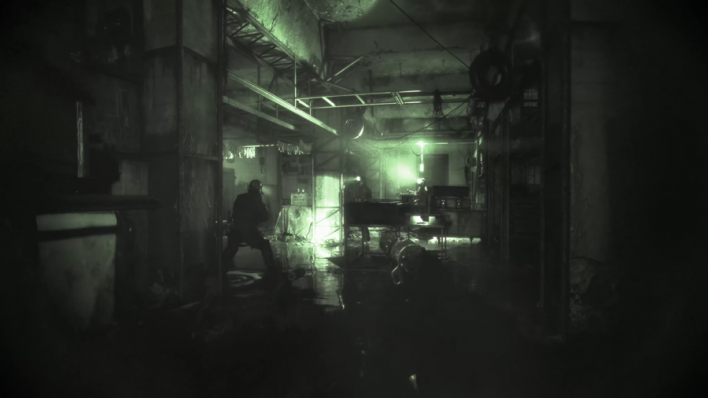
Key narrative arcs remain shrouded in mystery, and the preview build offered only a glimpse of the full game. Nevertheless, on the gameplay front, 4A Games' vision—what it seeks to reclaim and what it aims to innovate—comes through loud and clear.
As Metro 2039 prepares to descend back into Moscow's dark subterranean depths, gamers must await official release to see how convincingly it executes its return to the series' roots.