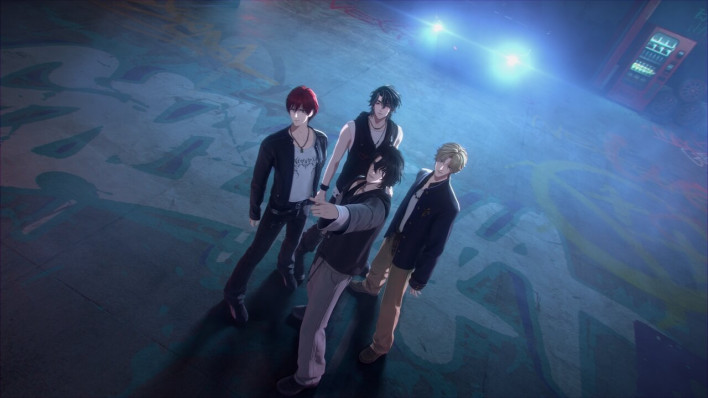
Elementa's immersive 3D mobile idol game 'V Project,' first unveiled on January 29, has officially begun its journey today with a rebrand to 'StarToU' alongside the release of its official PV. With this reveal, players can directly check out an idol game that elevates immersion through 'Cartoon Rendering Plus' technology—maximizing vivid expressiveness in characters alongside photorealistic backgrounds and lighting effects.
When only a few initial images and the project name were first released, it seemed to be merely upgrading graphics over traditional idol game formats and detailing daily life a bit more. However, through the two newly released PVs, 'StarToU' has gradually revealed its ambition to pursue a direction quite distinct from conventional idol games.
Gentle Idols? No. Idols Who Are More Rebellious and Free-Spirited
When thinking of Elementa, 'Silver Palace,' which was surprisingly unveiled last year, might come to mind first. However, tracing back its roots leads to 'Ensemble Stars!!', one of the flagship titles in male idol producer games. Naturally, when looking at style, 'StarToU' and 'Ensemble Stars!!' differ significantly. This is because 'Ensemble Stars!!' actively adopted the Japanese aesthetic—particularly idol anime styling—familiar to subculture audiences. Indeed, looking at idol games that have sustained as ongoing IPs, Japanese-style names are standard, and designs, unit themes, and exaggerated costumes suitable only for stage performances all carry authentic Japanese idol styling. Moreover, except for a few exceptions, character physiques tend to be slender, soft, and lean rather than heavily built.
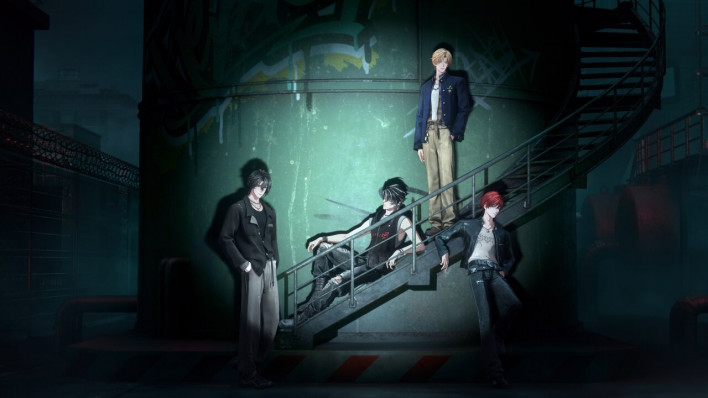
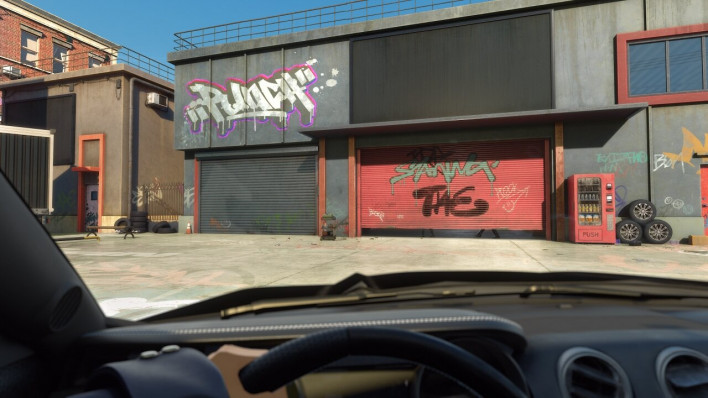
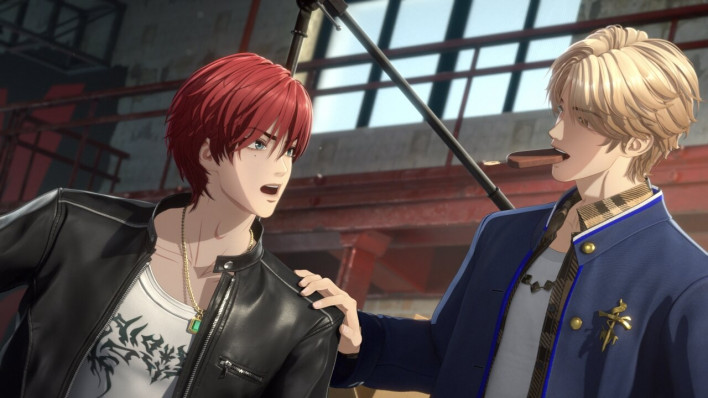
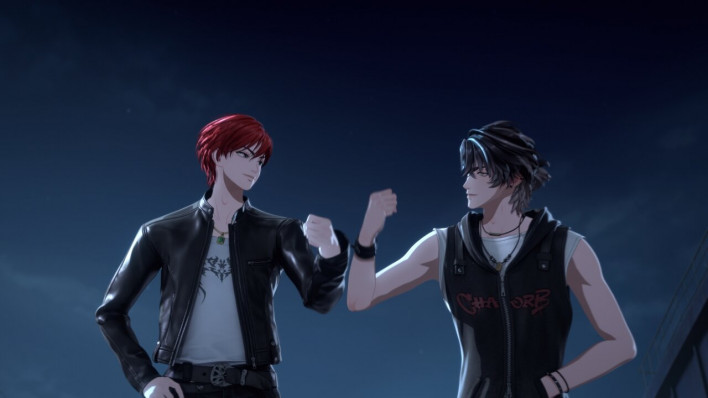
That is why this latest PV for 'StarToU' comes as even more of a surprise. Introducing one of the main groups, MacGuffin, the PV presents the names of four members—Tay, Yoora, Lim, and Noki—and starts right off with the members fighting outright. The setting—a run-down garage with graffiti on a shabby street, typically avoided in female-oriented idol games—and props emphasizing a gritty feel served as a great touch. These elements stand in direct opposition to the bright, cheerful tone and constant refrains of "let's all get along" or "let's work together" seen in traditional male idol games. To top it off, after two members exchange blows, someone even blurts out, "Let's just disband."
When members fight like that, traditional idol game PVs typically highlight the apology process or portray the subtle tension between those involved, but this PV has none of that. Seeing the two fight, the others simply brush it off as if to say, "Not again." The remaining members continue doing their own things until they professionally synchronize during practice and MV shoots as if nothing had happened. Their casual clothes, as well as their MV and stage outfits, also feel much more natural and powerful.
K-Pop Idol Style Focused on Daily Life as Artists
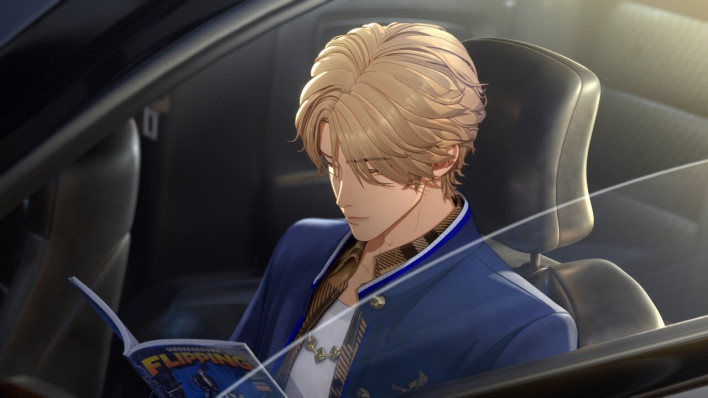
"Professional"—this word is another point worth noting. Looking back at previous idol producer games, most focus on watching idols grow over time. Aligned with that theme, ages are generally set between middle school and high school, and to emphasize that they are still students with room for growth, they are typically shown with slender physiques. However, the group shown in this PV, MacGuffin, depicts true professionals who focus on their craft even if they tear into each other. Accordingly, the focus frequently falls on details meant to project a tougher, more rebellious image—such as motorcycles, as well as traps, forearms, and lats glimpsed through sleeveless shirts.
In fact, attempts to break away from the dominant idol image in subculture media have picked up momentum in the 2020s. Though it centers on female idols, 'Girl Crush'—which tells the story of a protagonist moving from Japan to Korea to become a K-Pop idol—has even had an anime adaptation greenlit. In male idol circles, the virtual idol group PLAVE, which debuted in 2023, serves as a prime example. Looking at PLAVE's modeling, instead of the slender, delicate frame typically associated with subculture male idols or virtual idols, their design impresses with tall, lean proportions and broad shoulders that capture masculinity. Combined with real-person motion capture technology, they deliver realistic and immersive stage performances.
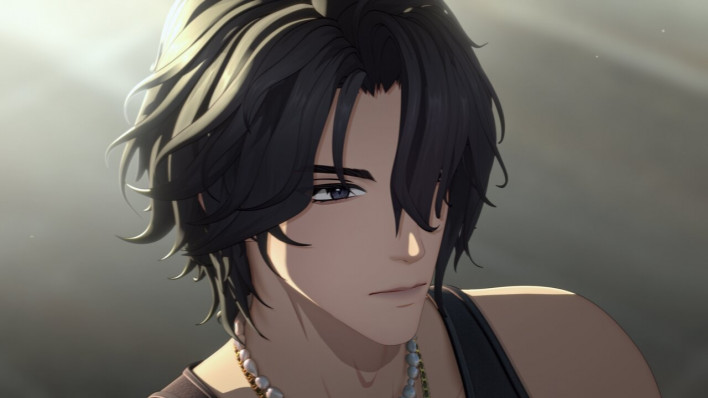
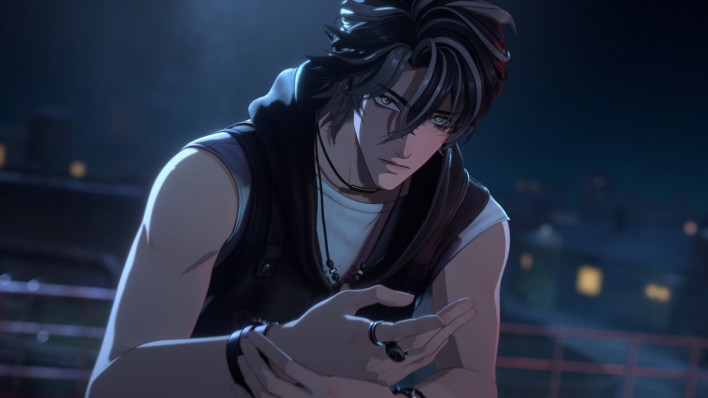
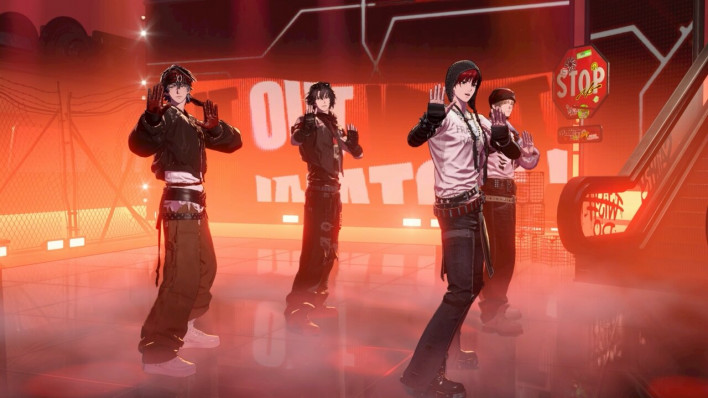
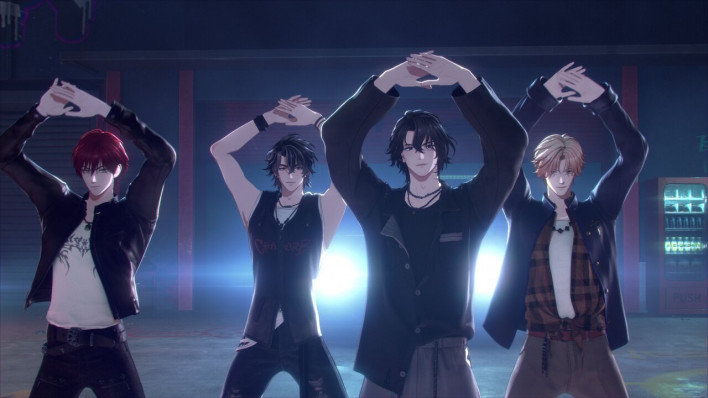
With 'StarToU,' the attempt to implement this distinct style in-game via the group MacGuffin was clear. In less than two minutes, the identity made a sharp impression—showing bodies toned by extensive training despite looking lean, precise color and shading work, and facial designs that blend realistic detail with delicate, sharp anime-style eyes.
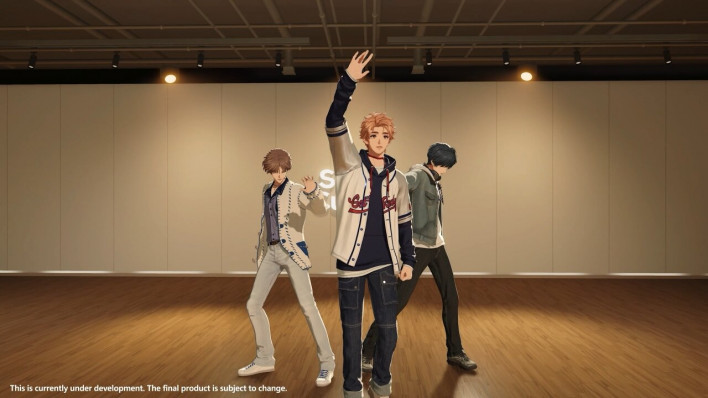
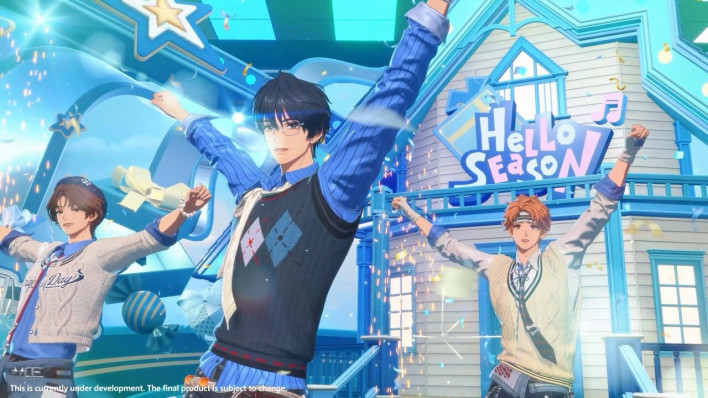
Combined with hip-hop beats and powerful choreography, it became clear that MacGuffin pursues a style resembling real-world boy groups rather than traditional idols in Japanese subculture. The stage version PV shows that, while slightly stylized, the outfits lean closer to casual wear rather than overly grand, theme-tailored costumes, while still preserving each member's individuality.
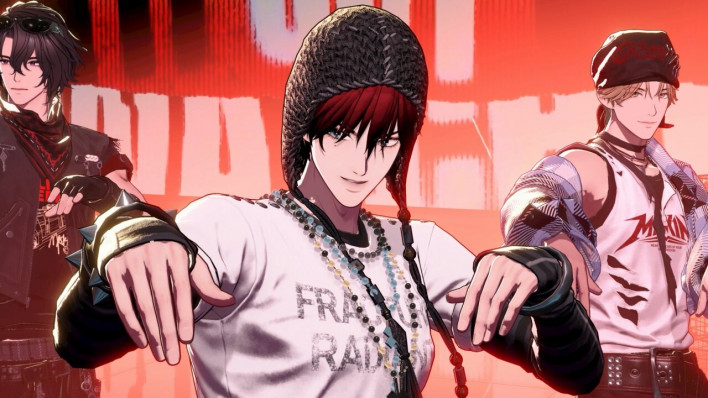
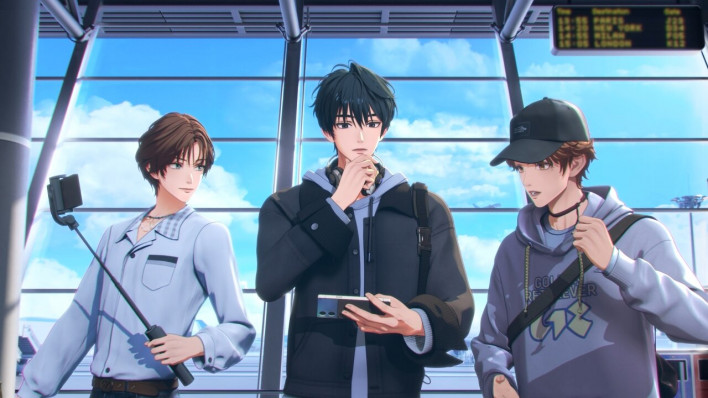
Revisiting videos released back when 'StarToU' was still known as V Project makes this direction even clearer. Although practice room scenes are included as trainees, the difference lies in depicting the space from the start as a natural part of daily life rather than a grueling training ground to overcome shortcomings. For Japanese subculture idols, practice is part of daily life too, of course. However, because the core identity leans toward students who still need to grow, practice room scenes heavily emphasize hardship to make the impossible possible. Once they grow and establish themselves, the group is highlighted as symbolizing specific theme stages and songs, making practice room scenes rare. As such, featuring the practice room right from the beginning stands out.
'StarToU' Teases All-Around Immersive Experience, Opens Pre-Registration
Previously, subculture idol producer games focused heavily on showcasing MVs and character concepts. Japanese subculture idol media mix projects aimed to expand from those concepts and characters into anime and beyond. However, as K-Pop began influencing Japanese subculture and cartoon rendering and motion capture technologies advanced, a new direction emerged. That trend could be clearly felt in 'StarToU's PV. From its initial reveal, rather than highlighting individual members in isolation, it focused on conversation between members, naturally showcasing their chemistry and daily lives.
Of course, with idols at the center, like most producer games, StarToU will likely feature rhythm gameplay at its core. Since music is indispensable to idols, designing a music-centered rhythm game is a natural choice. Building upon this, how the game connects players with idols and unfolds its story will be its primary task.
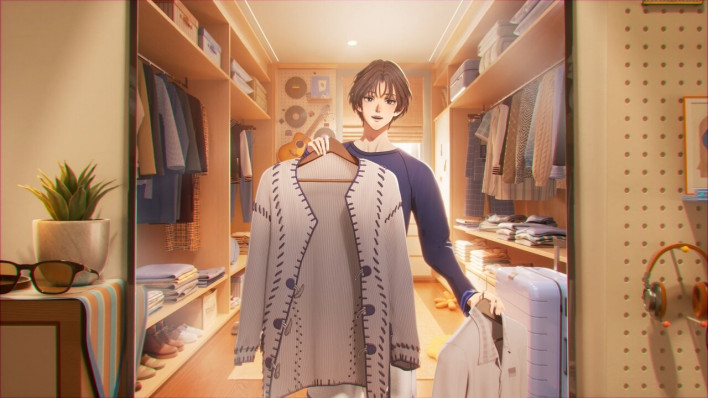
In the newly revealed in-game footage, players can see the game unfolding as users experience branching storylines through memory recreation in the idol world. Meanwhile, in the Music Space, players experience rhythm gameplay centered on interaction and stage performances, with options prior to showtime to customize character, outfit, and card combinations to craft their own stage. The subtle graphics—capturing a more everyday, realistic tone while avoiding the uncanny valley—were also noticeable. The beats and matching choreography, reminiscent of an actual boy group concert, left a strong impression as well.
'StarToU' is a title that boldly breaks away from conventional idol game conventions and formulas. At the same time, it aims to present a structure that stays true to idol fandom desires for immersive, 360-degree engagement with their favorite performers. While it may be too early to make definitive judgments given its early reveal stage, 'StarToU' seems poised to make waves in many ways. With graphics taken to the next level and an idol appeal that blurs the boundary between virtual and real, a direction quite different from conventional subculture media is already visible. Now taking its first step forward with pre-registration underway, expectations are high for the new world 'StarToU' will bring.