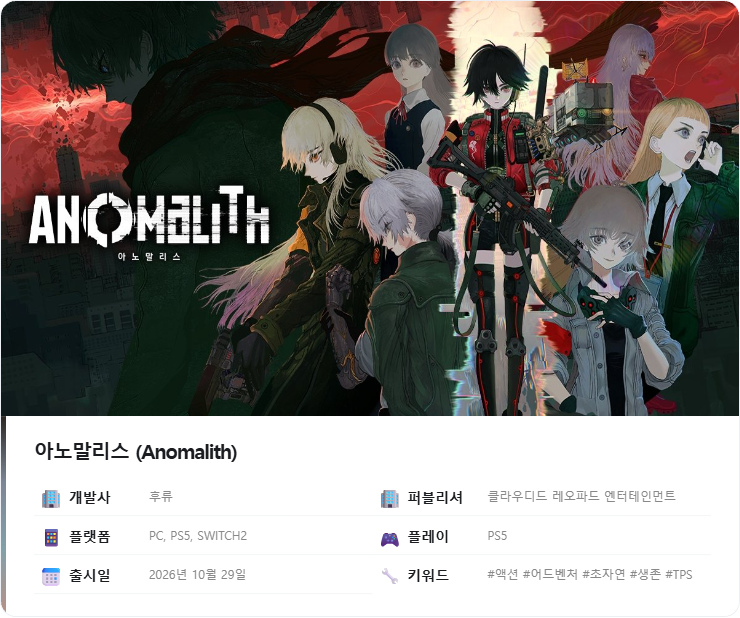
Tactical anime girls have been a long-sought concept among subculture fans, well before the term "subculture game" became popular in the mid-to-late 2010s. While not universally true, anime enthusiasts often share a penchant for military themes or attaching tactical elements to their favorite aesthetics. One need only look as far as titles like Girls' Frontline and Azur Lane, alongside the Japanese moe-personification works that preceded them, to see how steady both demand and releases have been.
On top of that, themes like urban legends and supernatural phenomena—bolstered by turn-of-the-millennium 1999 nostalgia and the spread of internet culture post-2000s—have established a firm foothold among core fans. Starting from the widely popular SCP Foundation, expectations grew that similar settings would flourish in the hands of various creators. A prime example is the "Lost Property Control Organization," a project fans once frequently asked on Twitter when it would be made into an actual game.
Perhaps because of this backdrop, ANOMALITH generated substantial queues whenever it appeared at trade shows like Bilibili World and ChinaJoy. It promised to fulfill a long-held fan dream: diving directly into supernatural exploration alongside tactical anime girls—a trope previously confined mostly to setting sheets, concept art, or different genres altogether. Handled clumsily, such a potent cocktail of tropes could easily collapse, but ANOMALITH manages to brew it into something that keeps you watching all the way to the end.
*This review was conducted using a preview build.
A Captivating Concept Supported by its Narrative Rapid characterization through episodic pacing, fueled by a distinct protagonist
Taking a step back, titles where tactical anime girls grab guns, breach anomalies, purge monsters, and suffer hardship have appeared frequently in niche, underground circles. The premise naturally lends itself to fantasy and fetishistic scenarios. However, titles that focus on fully fleshing out their world and narrative beyond secondary tropes remain rare. While there are several reasons for this, the primary cause is that the subgenre is too niche to easily achieve broad appeal relative to the effort required to dig deep. Notably, Yuzhong, the producer behind the Chinese anime gaming boom in Korea, once mentioned that he built the Bakery Girl and Girls' Frontline IPs precisely because no such games existed on the market.
ANOMALITH captures this hungry demand deftly, handling it skillfully from the outset. While supernatural fiction easily falls into the trap of over-explaining jargon, the game keeps lore introductions to the bare minimum needed for baseline comprehension. A detailed encyclopedia is available for lore enthusiasts, but ignoring it won't hinder narrative comprehension. Instead, the game delivers concise, impactful narrative beats around the extrajudicial measures taken in the wake of supernatural occurrences and the struggles of investigators digging for the truth amidst the chaos. Investigators quarantined indefinitely once deployed to the Otherworld, researchers desperate to leverage otherworldly technology to resolve the crisis, and government officials and corporations looking to profit off them all weave together a compelling trail of breadcrumbs.
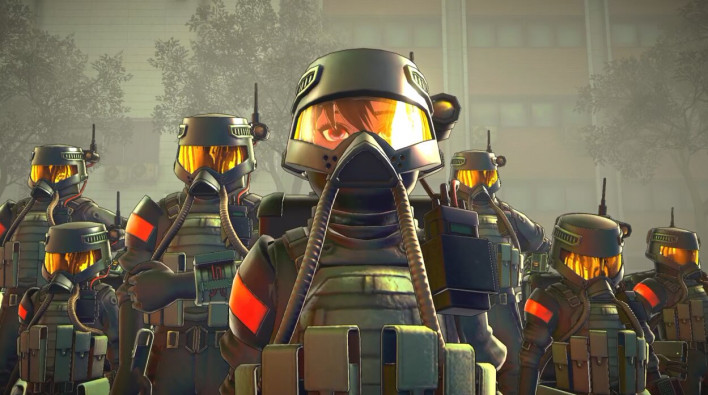
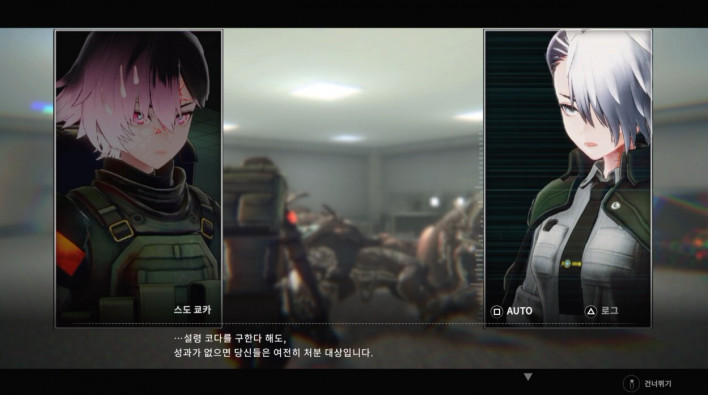
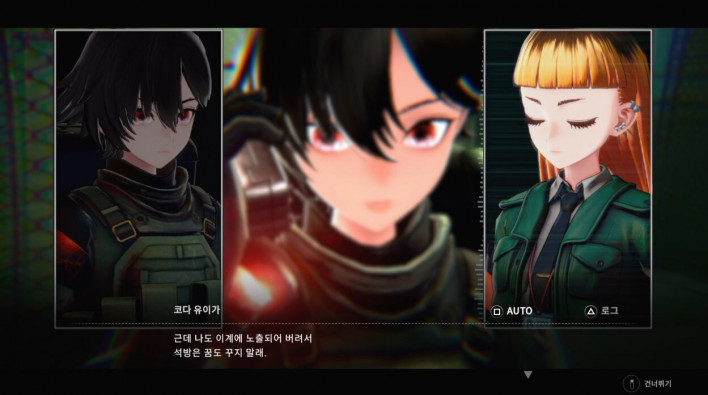
The tropes of the liminal horror genre—made widely popular recently through the hit movie "The Backrooms" and related YouTube content—are neatly integrated into ANOMALITH without bogged-down exposition. The sudden onset of the otherworldly disaster and the resulting "Anomalies"—mutated humans and creatures—are presented naturally. Rather than offering exhaustive explanations, the game structures gameplay around investigating immediate threats and destroying landmark epicenters to contain the spread, letting players absorb the setting organically.
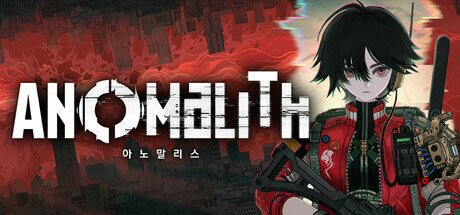
While this approach risks making the story feel overly dry, protagonist Reona Minazuki adds a sharp, distinctive flair. Despite having messy, windswept hair—a visual trait typically assigned to energetic anime heroines—her dry, cynical personality leaves a strong impression from the start. Normally, a newcomer joining a supernatural task force would waste time panicking while others ease her in, but Reona is a runaway who grew up with foster parents, dropped out of school, and wandered the streets, so the game wastes little time on hand-holding. Her unconventional reactions carry potentially dry exposition, effectively lightening an otherwise overly rigid atmosphere.
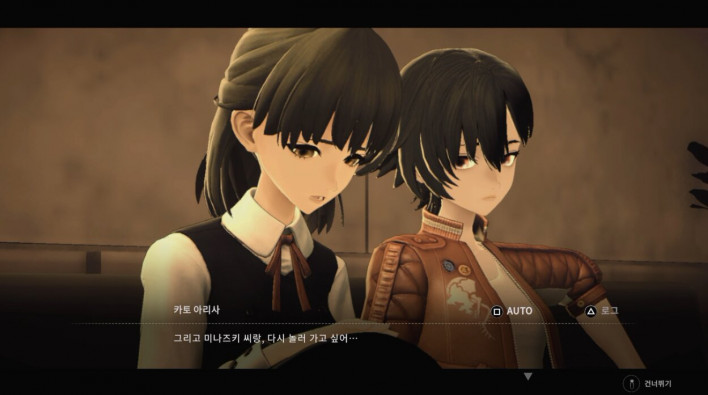
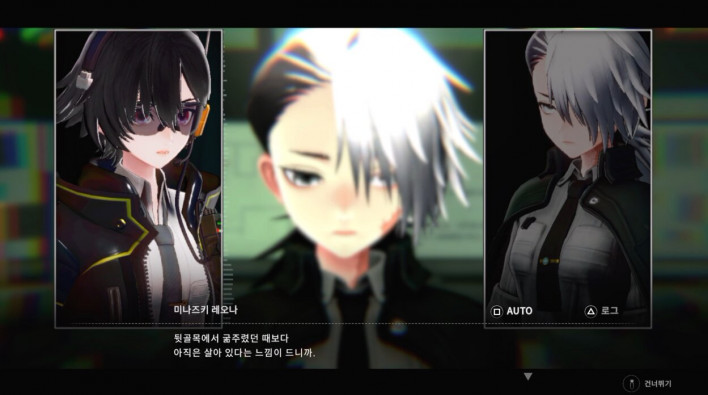
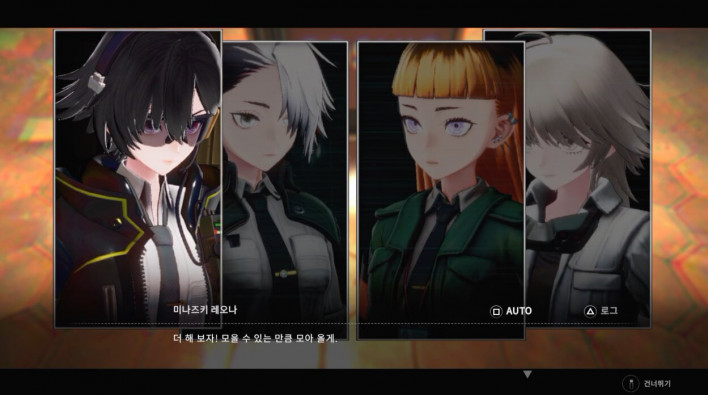
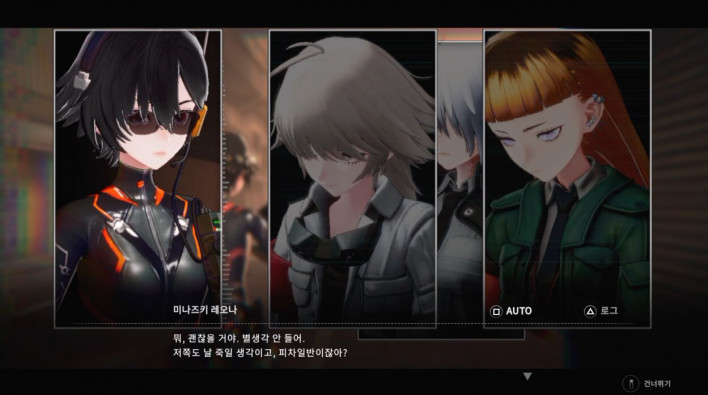
At the same time, by highlighting her relationship with Arisa—the only friend she made before being caught up in the Otherworld—the narrative reveals glimpses of a human side beneath her cynical exterior, showing someone determined to help those she cares about. This elevates the narrative beyond a dry task force chronicle, signaling a larger underlying mystery. Where other games might drag out this build-up, ANOMALITH maintains a brisk pace. Character traits are established rapidly through concise episodes while seamlessly weaving in otherworldly operations, ensuring a steady, engaging narrative rhythm. Though rushing the main quest takes around 20 hours and completing side stories stretches beyond 30 hours, the pacing feels much faster. The narrative flows smoothly, keeping players engrossed and speculating on where the plot will head next.
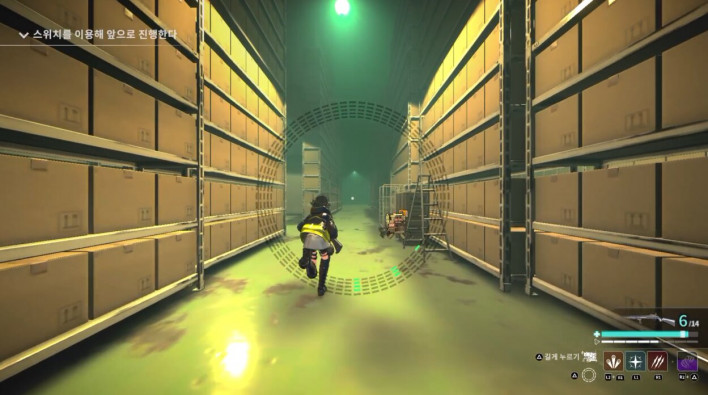
Distilled to the Essentials: Simple is Best Satisfying progression driven by clear, focused level design
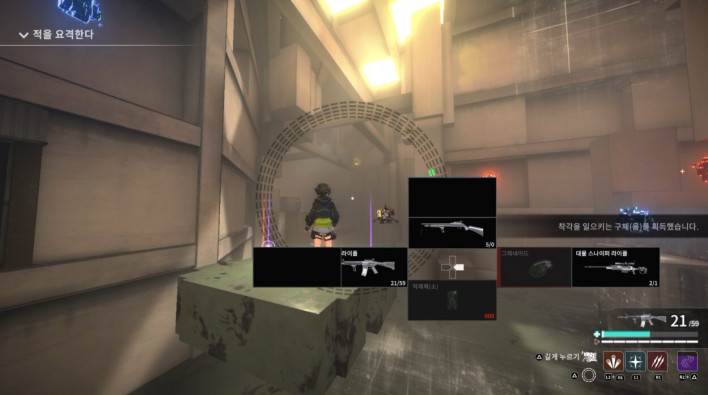
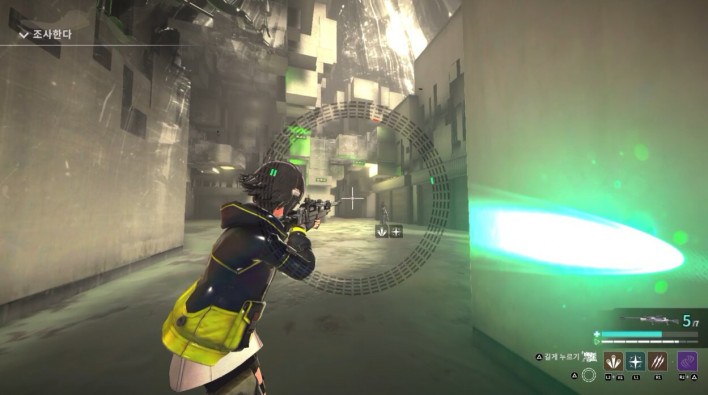
Since the narrative unfolds through a TPS adventure rather than raw text, gameplay execution is critical. While modern TPS blockbusters might immediately spring to mind, ANOMALITH adopts a classic TPS adventure formula—reminiscent of the framework established by the original Resident Evil 4. It cleanly delivers the core appeal of survival horror: straightforward yet satisfying gimmick-based puzzles, balanced action, and managing a varied arsenal to survive hostile environments while advancing the plot. This isn't to say it equals Resident Evil 4 in quality, but rather that it faithfully adheres to time-tested subgenre fundamentals. Granted, its visuals might also evoke the original pre-remake Resident Evil 4, but we will address graphics later.
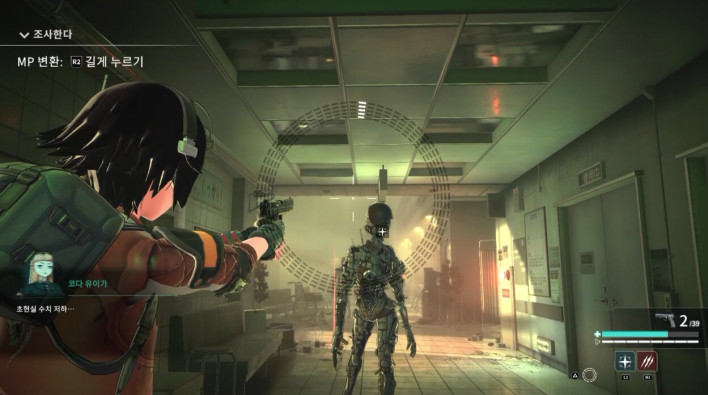
The tutorial—armed with a single handgun in a Backrooms-style realm—leaves little impression. However, starting from the first major area, the hospital, the strength of its classic level design and thoughtful quality-of-life choices quickly become apparent. Most impressive is the placement of combat encounters and save points. In this genre, combat and looting quickly fill inventory space, making inventory management stress a key factor.
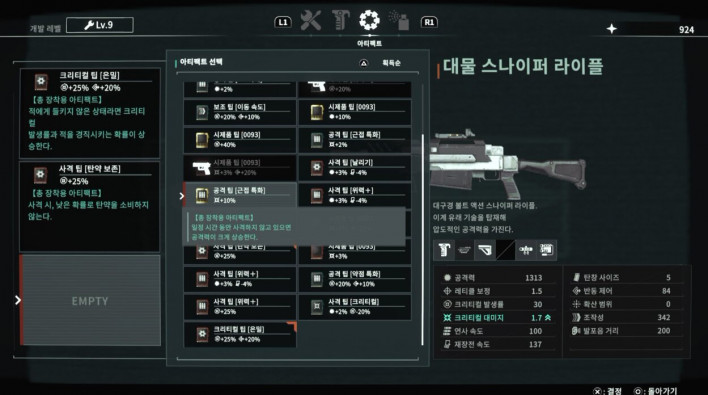
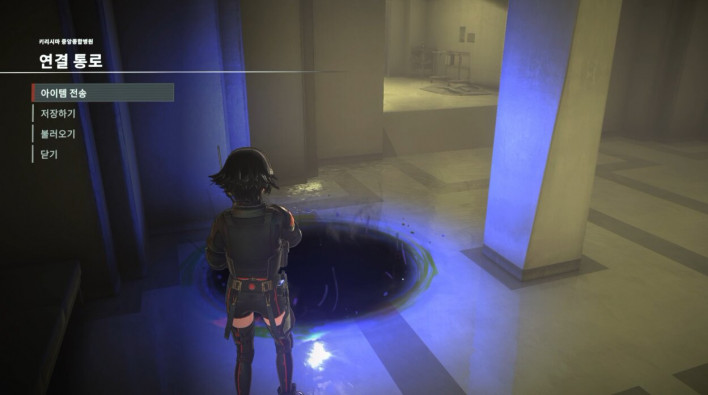
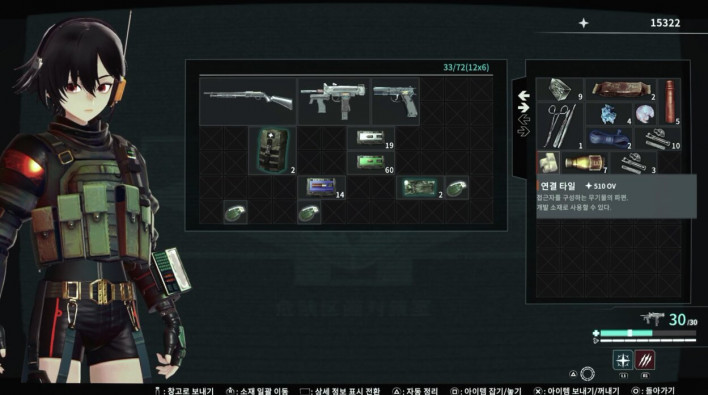
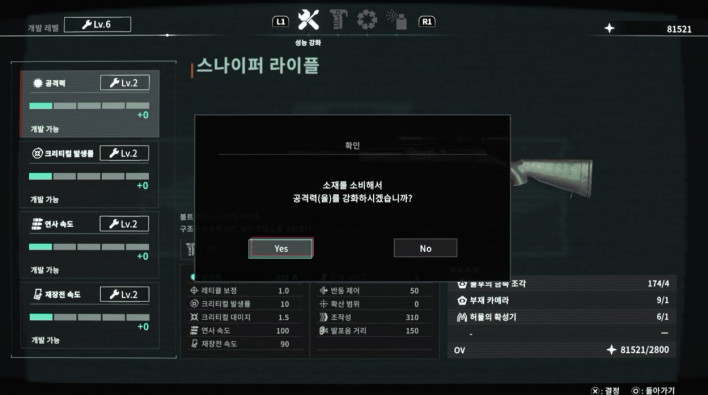
Anyone who has played survival horror knows the regret of discarding a healing item to make room, only to desperately need it later. While that tension is part of the appeal, it can easily turn tedious when looting is central to progression. ANOMALITH mitigates this burden by placing drop-off waypoints precisely as your inventory hits capacity, streamlining the exploration loop.
As you progress, puzzles and enemy mechanics remain straightforward and clear while staying tied to supernatural lore, creating a smooth synergy between gameplay and worldbuilding. For example, the Gazer is an Anomaly that rapidly closes in to siphon health whenever the player breaks eye contact. However, when stared down and immobilized, its paranormal output spikes, making it immune to physical damage. To eliminate it, players must locate and destroy a core painting hidden nearby. Transitioning from generic, zombie-like Anomalies to gimmick-heavy entities enriches the survival experience.
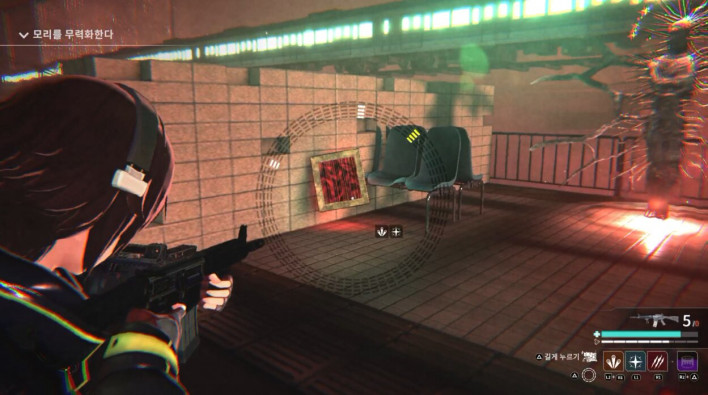
The underlying shooting mechanics are quite solid. While not on par with AAA shooters, weapons like shotguns and sniper rifles feature satisfying gunshots and recoil. Heavy Anomalies stagger noticeably when hit cleanly, delivering good feedback. Equipping and upgrading artifacts allows players to take down trash mobs efficiently with techniques like Mozambique drills, while boss encounters reward carefully studying attack patterns and landing precision shots on weak points. This design extends to aim assist: while aim assist reliably locks onto body targets, it rarely snaps to weak points unless you're already lined up. Beginners are encouraged to start with body shots and disable aim assist as they gain confidence to focus on weak-point destruction.
Using collected materials to upgrade weapons and mutation skills serves as another highlight. While character action options are limited due to its TPS roots, players can parry most incoming attacks with Reona's mutated arm or spend MP for melee hits. The parry window is strict, but as long as an incoming attack enters her field of view, it generally triggers, providing a crucial survival tool against swarming enemies. As players acquire more otherworldly tech, skills like Gravity Storm (which temporarily freezes enemies) and Spike (an AoE attack erupting otherworldly matter from the floor) add welcome variety to standard combat.
Restart options are forgiving, ensuring retry attempts don't feel punishing even if mechanics take time to master. Dying during boss fights checkpoints from the current phase rather than restarting the whole fight, encouraging players to retry despite occasional cheap-feeling attack patterns. Consequently, the game maintains a smooth, uninterrupted flow.
Retro Aesthetics Masking Technical Roughness Atmosphere can't completely hide optimization and polish issues
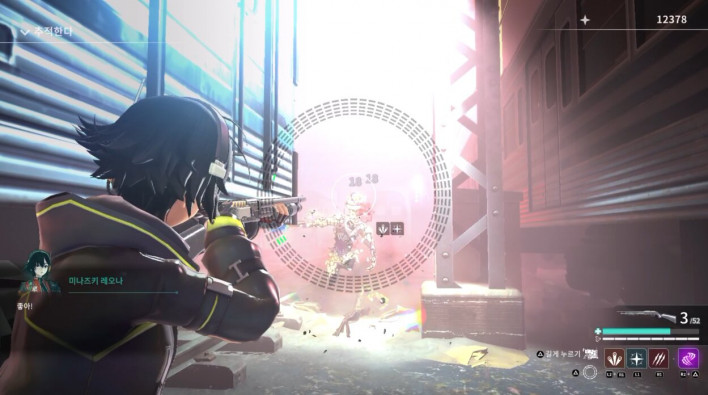
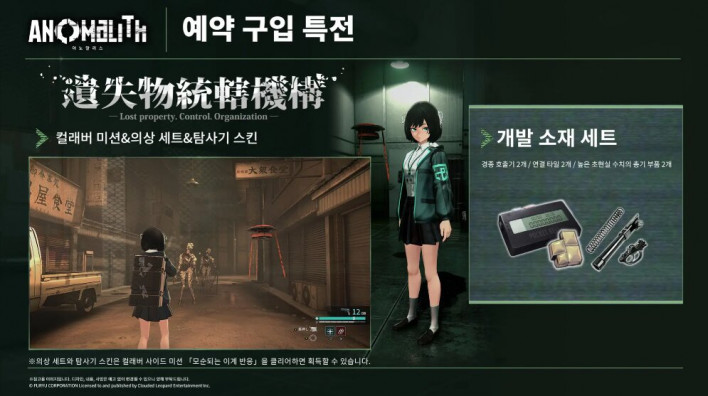
Up to this point, ANOMALITH might sound like a masterpiece, but a glance reveals it falls short of that tier. The rough visuals are the main culprit—at best, they recall titles from the PS3 era. Fortunately, once you get into actual gameplay, graphics become less noticeable.
This mirrors why low-budget directors and developers favor horror: dark environments mask technical shortcomings, and high tension narrows player focus away from visual flaws. By incorporating supernatural anomalies, spatial distortions, and glitch effects, awkward details pass as intentional design choices. Dated geometry and low-resolution textures are framed in-lore as relics preserved from when the zone was engulfed in the 1990s.
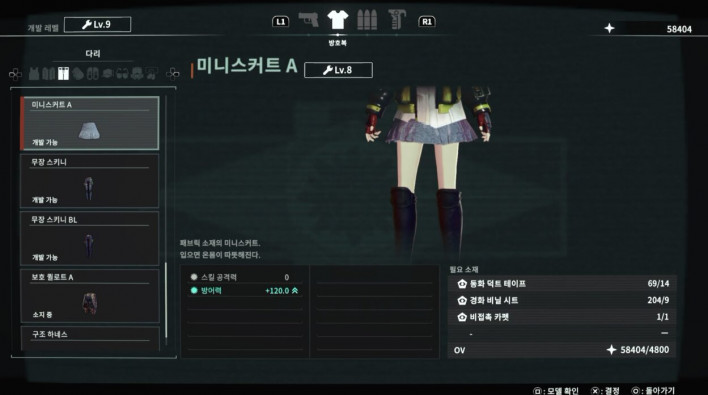
Lack of polish remains impossible to ignore. As a game featuring anime heroines, unlocking various outfits for Reona is a core feature, yet flowy clothing regularly clips through inner garments or belts. While late-game equipment eventually gravitates toward mini-skirts in classic anime game trope fashion, clipping issues on mid-game outfits breed frustration. Customizing Reona—with her unique combination of messy hair and a stoic expression—is one of the game's key charms, making visual glitches a noticeable drawback. Consequently, clunky character animations and stiff motion become increasingly prominent.
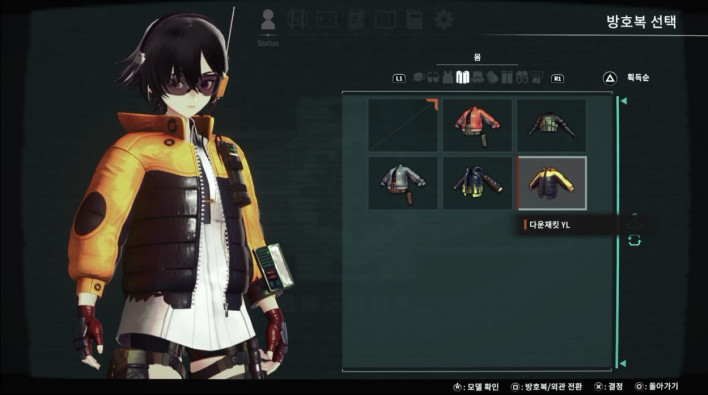
Rough design choices become more prominent past the mid-game. The early tight level design degrades into cheap enemy placements and forced damage traps. Enemies teleport in from off-screen to strike without warning, while cramped subway cars pack Gazers alongside invisible ambushing foes, guaranteeing unavoidable hits. Players should have clear counter-options, but limited MP prevents frequent use of mutation skills, forcing players to take damage. MP regenerates slowly, and converting HP to MP drains resources, while funds for healing items dwindle late game. Unless players pull off flawless parries constantly, combat grows frustrating.
Repeated jump scares cause fatigue, and unable to balance this, late-game segments increasingly encourage sprinting past encounters altogether. Enemies spawn in massive waves without locking progression, allowing Reona—who moves faster than most foes—to simply run past them to push the story forward. While framed positively as classic speedrun-style gameplay, it feels forced to compensate for flawed combat design rather than an intentional retro homage.
Performance issues were also present in the preview build. On day one, firing weapons into dense clusters of Anomalies triggered frame stuttering, while transition loading screens froze occasionally in complex areas. Fortunately, patches continuously resolved these issues during the review period, raising hopes for a stable official launch.
ANOMALITH: A Worthy Pick for Genre Fans Familiar formulas done right: blend of intriguing tropes and B-movie charm
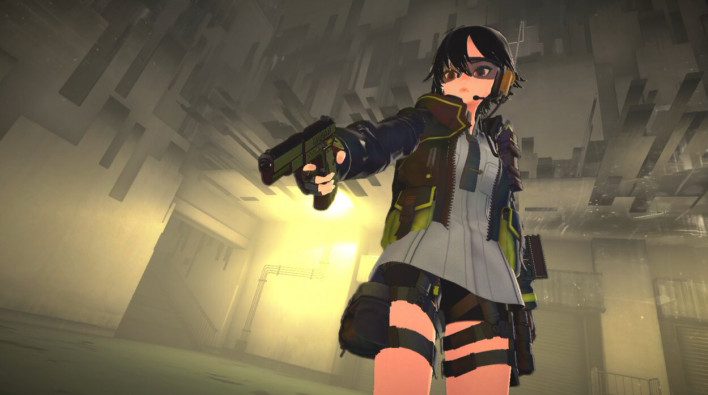
Recent subculture gaming newcomers might find ANOMALITH puzzling, but veteran players likely knew what to expect the moment they heard "FuRyu." The developer consistently delivers tantalizing concepts and stories tailored for anime fans, only to leave players wishing for better polish.
Despite persistent criticism, FuRyu continues producing JRPGs, diverse titles, and now TPS adventures for one simple reason: they pinpoint concepts fans crave and bring them to life with undeniable character. ANOMALITH follows suit, delivering a long-awaited concept—tactical anime girls in a supernatural survival TPS. Rather than settling for surface-level fan service, it combines an engaging narrative, a quirky protagonist, and classic TPS mechanics to build momentum that carries players forward.
That said, visuals falling below modern standards present an initial hurdle, while erratic late-game level design leaves a lingering regret. Technical limits aside, additional polishing could have elevated the final product significantly. Exploring the Otherworld and uncovering its secrets only highlights this missed potential—with just a bit more follow-through, FuRyu might have overcome its long-standing hurdle.
Nevertheless, for fans of anime gaming, SCP, or Backrooms lore, ANOMALITH is a worthwhile experience. It directly fulfills a niche scenario rarely adapted into games. Though initial roughness is present, straightforward level design, kitschy map design, and an intriguing protagonist driving a surprisingly captivating narrative provide enough momentum to carry players to the end. A demo is available, offering a great way to taste the experience before diving in.
- Intuitive mechanics responding to supernatural gimmick patterns
- Immediately rewarding looting, collection, and progression loop
- Streamlined level design focused strictly on core fun
- Strong characterization that elevates familiar tropes
- Occasional frame drops even in Performance Mode
- Level design quality drops noticeably in late game
- Unintuitive UI with poor explanations and awkward setup
- Dated graphics and unpolished visual finish
Reviewed on: PS5 (Preview Build)