Tencent announced its full-year 2025 results on the Hong Kong Stock Exchange on the 18th. Tencent’s total revenue for 2025 came in at 751.8 billion yuan (approximately KRW 163.945 trillion), up 14% year over year. Operating profit rose 18% from a year earlier to 280.7 billion yuan (approximately KRW 61.2122 trillion), while operating margin improved from 36% to 37%. Net profit also increased 18%, reaching 267 billion yuan (approximately KRW 58.2246 trillion).
Domestic (China) game revenue climbed 18% to 164.2 billion yuan (approximately KRW 35.807 trillion). The increase was driven by the success of new release Delta Force, along with stable revenue contributions from established hit titles and franchises such as Honor of Kings, Peacekeeper Elite, and VALORANT.
Overseas game revenue surged 33% year over year to 77.4 billion yuan (approximately KRW 16.8786 trillion), surpassing the USD 10 billion mark on an annual basis. Key revenue drivers included Supercell’s games, PUBG Mobile based on Korean developer Krafton’s intellectual property, and new release Wuthering Waves.
In particular, PUBG Mobile continued to drive growth in overseas revenue in the fourth quarter as well, demonstrating its ability to sustain long-term success in the global market.
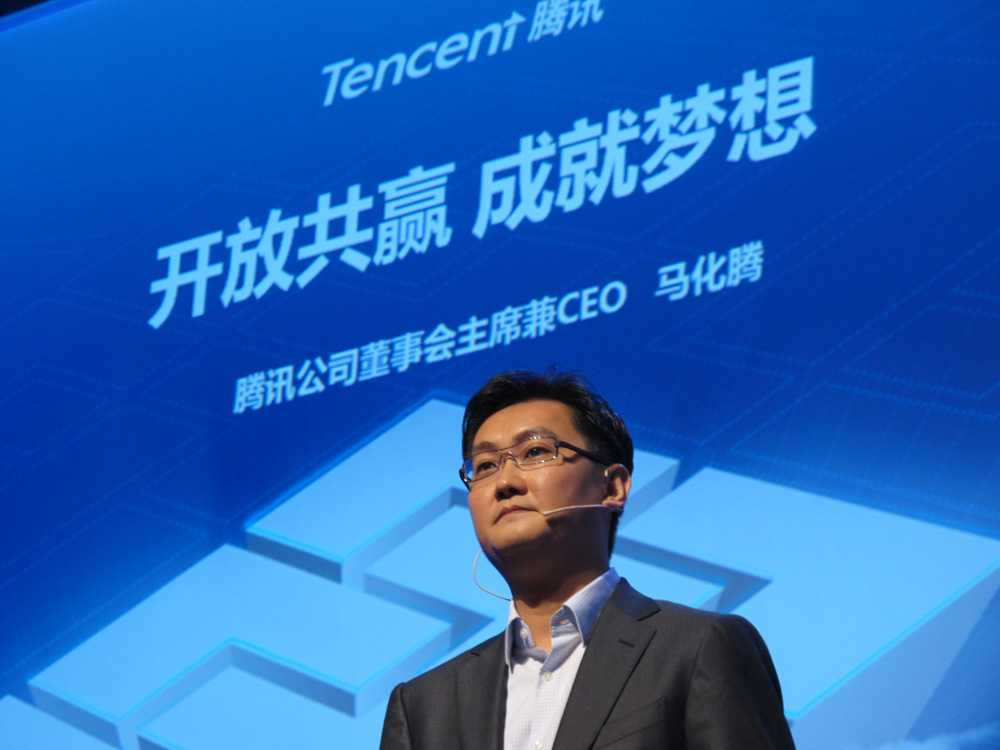
▲ Tencent CEO Pony Ma
Tencent CEO Pony Ma, speaking during the earnings announcement that day, emphasized the company’s solid AI-led growth trajectory and signaled its intention to substantially expand investment in related technologies.
Ma said Tencent’s AI capabilities had powered company-wide growth. “Our AI capabilities enhanced ad targeting, significantly boosted engagement, especially in the gaming business, and enabled our cloud business to achieve revenue growth and economies of scale, allowing us to maintain healthy growth rates in 2025 as well,” he said.
He went on to outline a blueprint for channeling the enormous capital generated by Tencent’s existing businesses, including games, into the expansion of its AI ecosystem. “Our highly resilient, cash-generative core businesses provide the resources needed to fund our increasing AI investments, including recruiting top-tier AI talent and upgrading our AI infrastructure,” Ma explained.
He also expressed confidence in the performance of Tencent’s self-developed large language model and its AI product lineup integrated into everyday use cases. He said, “The increasing intelligence of Hunyuan 3.0, and the utility of AI products such as Yuanbao, WorkBuddy, and QClaw, are encouraging early signs that these investments will unlock new opportunities.”
Ma added, “People enjoy consuming and being entertained, and they also derive satisfaction from creating and engaging in productive activities,” stressing that “it is Tencent’s privilege to provide AI services that can enhance users’ capabilities across all of these dimensions.”
This article was translated from the original that appeared on INVEN.

Sort by:
Comments :0