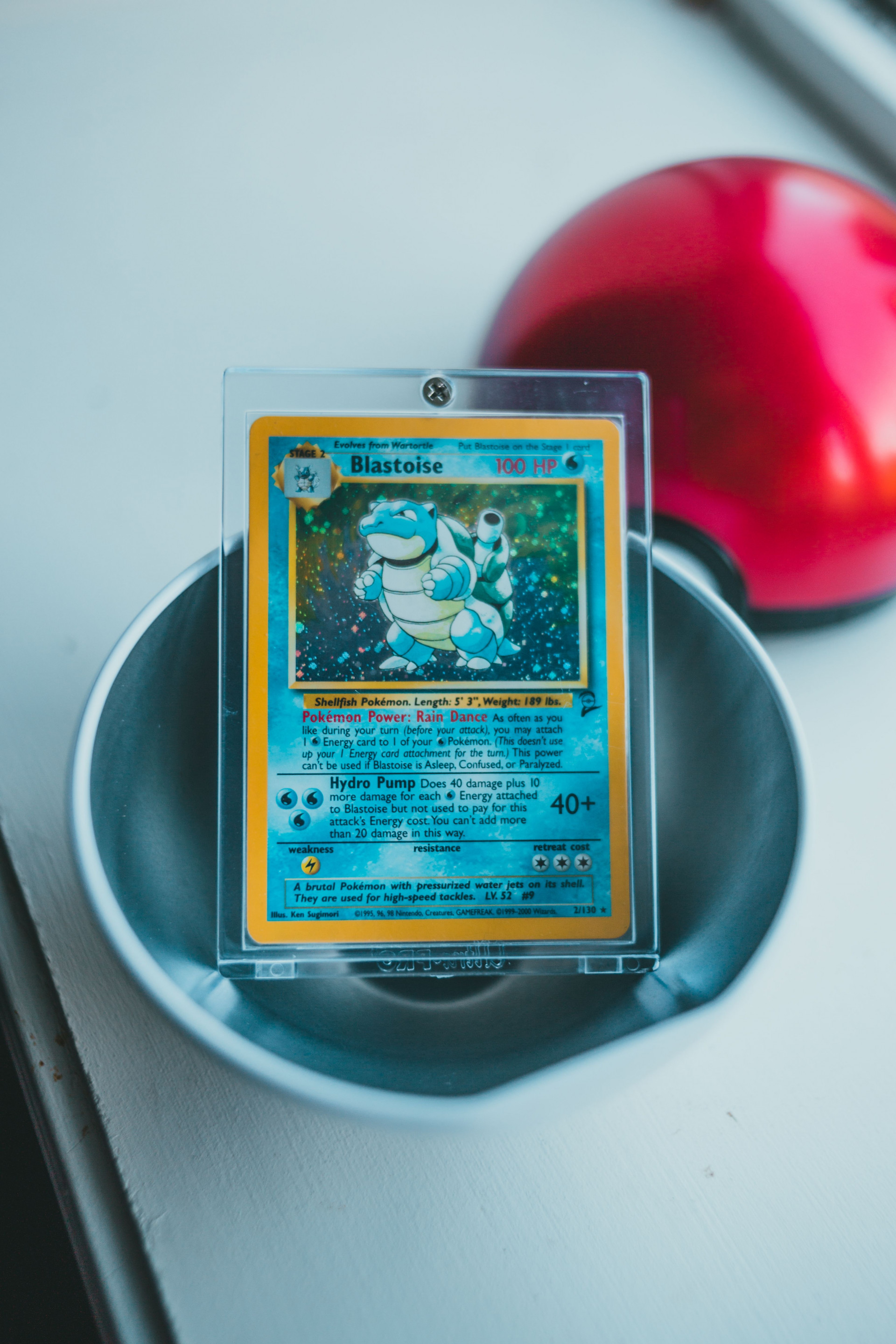
If you grew up in the late '90s or early 2000s, odds are you had a binder full of Pokémon cards. Maybe you traded them during lunch at school, maybe you kept them tucked away in a shoebox under your bed or maybe your mom sold them at a yard sale for a dollar each. The point is, Pokémon cards never really disappeared. Now? They’re not just back, they’re bigger and more valuable than ever.
The market is massive and it’s still growing
Let’s set the stage before talking about grading. This hobby isn’t just about childhood nostalgia anymore; it’s a massive financial world of its own. The global trading card game market is set to climb from USD 13.28 billion in 2025 to USD 15.11 billion in 2026, and it’s expected to keep growing at a rate of about 10% a year until 2031. Pokémon is right at the center of that boom.
The digital side is wild too. Pokémon TCG Pocket alone brought in $90.4 million in February 2025, compared to $66.2 million the month before. Growth like that means new fans are pouring in, and plenty of them are going from the virtual game right back to the physical cards.
So what actually is card grading?
If you’re just hearing about grading, here’s the short version: You send your card to a company that checks its condition, gives it a score from 1 to 10 and seals it in a hard plastic case, labeled and tamper-proof.
That plastic case, the “slab”, does a few things. It keeps your card safe, proves it’s real, which buyers care about, and tells everyone exactly how good it is. Basically, it’s like getting your car appraised before you sell it, except these graders are judging centering, corners, edges and the surface instead of miles and engine problems.
Tools that help you decide
One of the hardest parts is figuring out if grading your card is even worth it; fees, shipping and getting blindsided by a lower grade can eat your profit.
Platforms like CardTrack make it easier. CardTrack has pricing and market data for 20,000+ Pokémon cards. It helps you track values, figure out how grading impacts price and spot trends: So instead of guessing if your Umbreon VMAX Alt Art is worth grading, you can just run the numbers. Plus, it has features like pack simulation and CardTrack's grading tool that make it fun to use, even if you’re just browsing. If you're serious about grading to make money, this kind of info is essential.
Why collectors get cards graded
People grade cards for three reasons: Protection, authenticity and value. Let’s talk about value first. The numbers are real. An ungraded Charizard VMAX from Shining Fates in Near Mint condition might be $70. That same card, if it scores a PSA 10, could sell for more than $350, a fivefold jump. And sometimes, that’s just the start.
There’s trust, too. As the market’s grown, fakes have exploded. Counterfeit Pokémon cards spiked by about 125% in 2025. A reputable company’s slab gives buyers confidence, and that trust drives up prices and makes cards move faster.
Who runs the grading game?
PSA is the top dog, like it or not. More than 70% of graded Pokémon cards got that red PSA label, and when it comes to reselling, especially old stuff, PSA is what people want. But things are getting complicated, and fast. Collectors Holdings bought PSA in 2021, SGC in early 2024, and Beckett in late 2025.
That kind of consolidation has upset a lot of folks. A congressman from New York even asked the FTC to look into possible antitrust issues after Collectors grabbed so much power. In April 2026, a class action case hit the courts, accusing Collectors, PSA, SGC and Beckett of antitrust violations and demanding major changes.
When grading makes sense and when it doesn’t
Here’s the truth: Don’t bother grading every card. The math really only works in certain cases. If your card sells for more than $50 raw, or it’s a classic like Charizard, Umbreon or Pikachu, grading can make a big difference. First Edition, Shadowless, Base Set and old Wizards of the Coast cards are worth grading, even if not perfect, if they’re rare or nostalgic.
Condition is king. The big jumps in value only happen at PSA 9 and 10. A 7 or 8 adds legitimacy, but rarely enough extra value to make the grading fee worthwhile for new cards. And most folks think their cards are in better shape than they really are, a “10” in your eyes is often a 9 or even an 8 to a pro.

Guest Reporter
desk@invenglobal.com