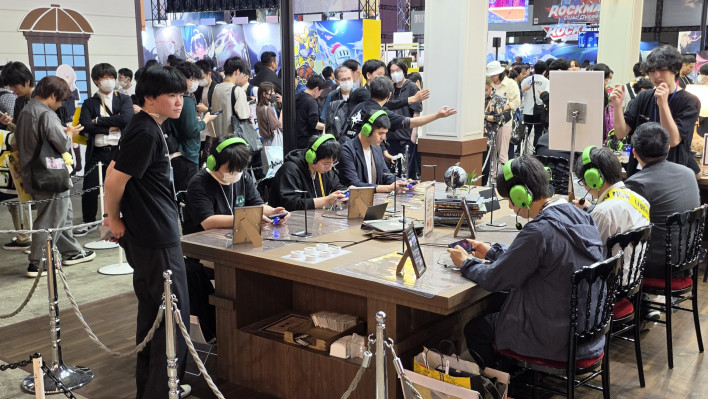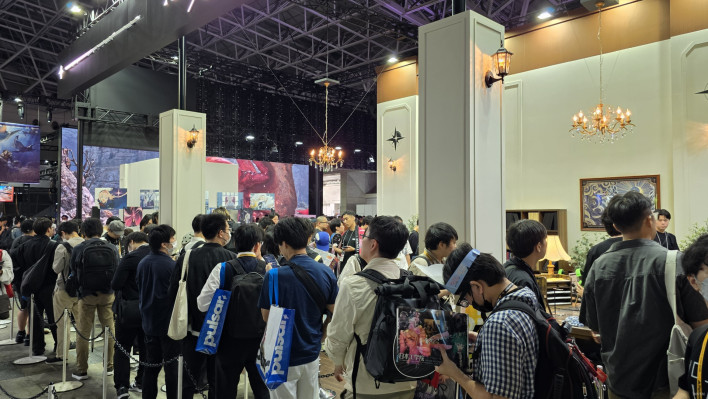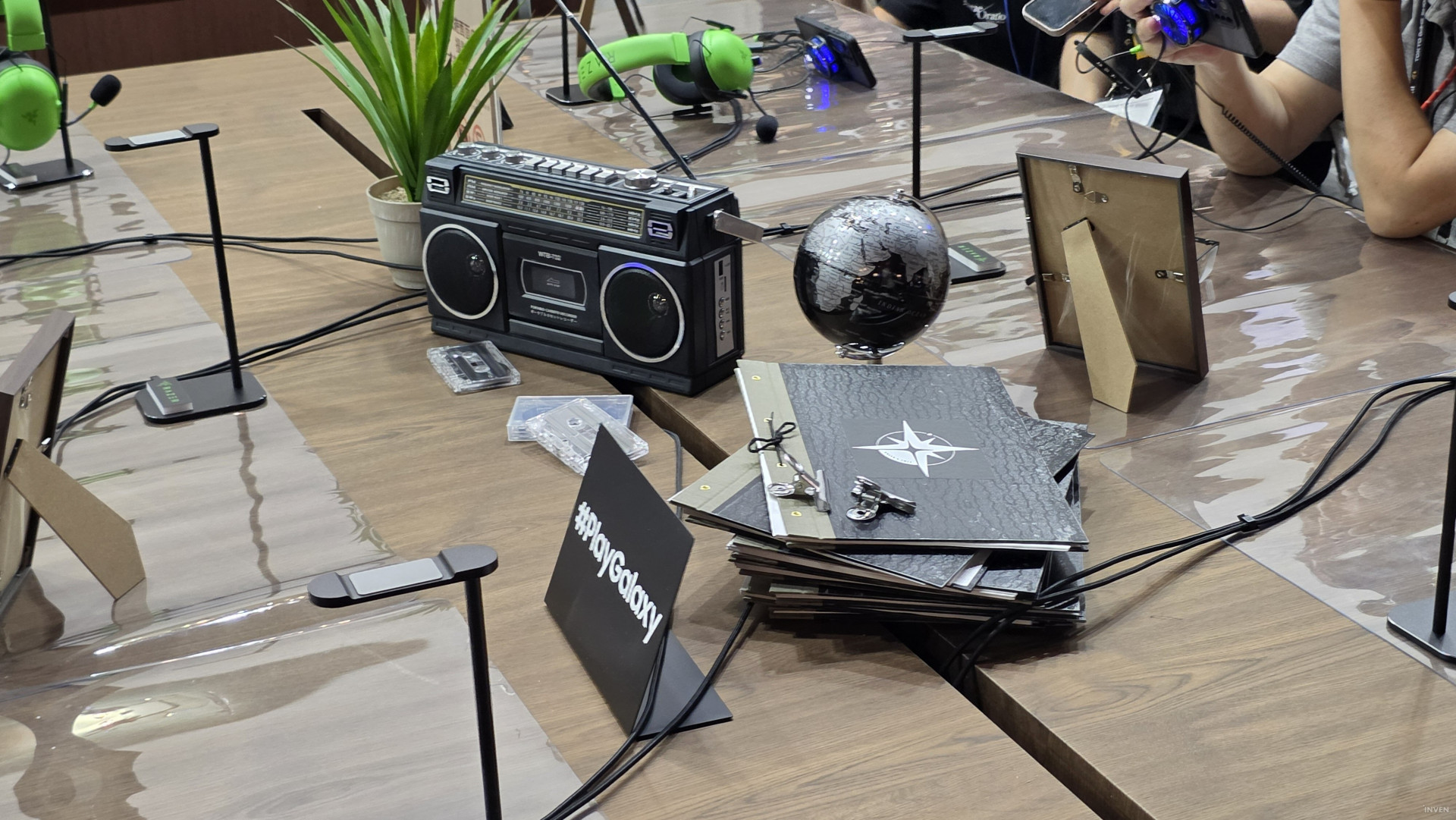
A hands-on gameplay video for the new RPG 'Astraea Oratio,' developed by Dynamis One and published by NC, was released on September 18. The 27-minute footage shows direct gameplay of the demo version from the Tokyo Game Show 2026 floor, captured from a Korean build running on a smartphone.
The demo build consists of 'Minato Ward Chapter 1,' set in Tokyo's Minato Ward. Starting with a title screen featuring a cityscape overlooking Tokyo Tower, it opens with the line, "Indeed, Tokyo's magic is spectacular." The 'urban fantasy' concept—set in a modern Tokyo where magic is hidden—is faithfully maintained in actual gameplay.
Combat was confirmed to be 3-player party-based real-time action. Players spend AP at the bottom of the screen to chain skills, respond to enemy action telegraphs, and receive prompts to swap characters when an ally enters a 'Break' status. Boss battles rotate through various stages, starting with a combat tutorial in front of a burning helicopter and moving through swarms of twisted mannequins, a giant land spirit in the shape of a teddy bear, a clock tower rooftop, an ice rink, and night streets with scattering cherry blossoms. Stage design where supernatural anomalies seep into everyday spaces forms the core structure of the demo.
Out-of-combat features are also noteworthy. On the chapter hub screen, mission, quest, and story menus are placed under the heading 'Sparkling Days of Minato Ward's Magicians,' set over an illustration of characters in school uniforms walking to and from school. Slice-of-life presentation carries significant weight, including monologues while passing a shrine closing due to redevelopment and a church hosting a wedding, as well as cutscenes of characters playing in a pool. Core live-service game systems, such as victory screens, party setup, and account level, were also fully present in the demo build.
Meanwhile, NC plans to directly showcase Astraea Oratio's gameplay and world setting to players through Tokyo Game Show 2026 and an upcoming global CBT (closed beta test), refining the game's overall quality based on user feedback gathered on-site.