
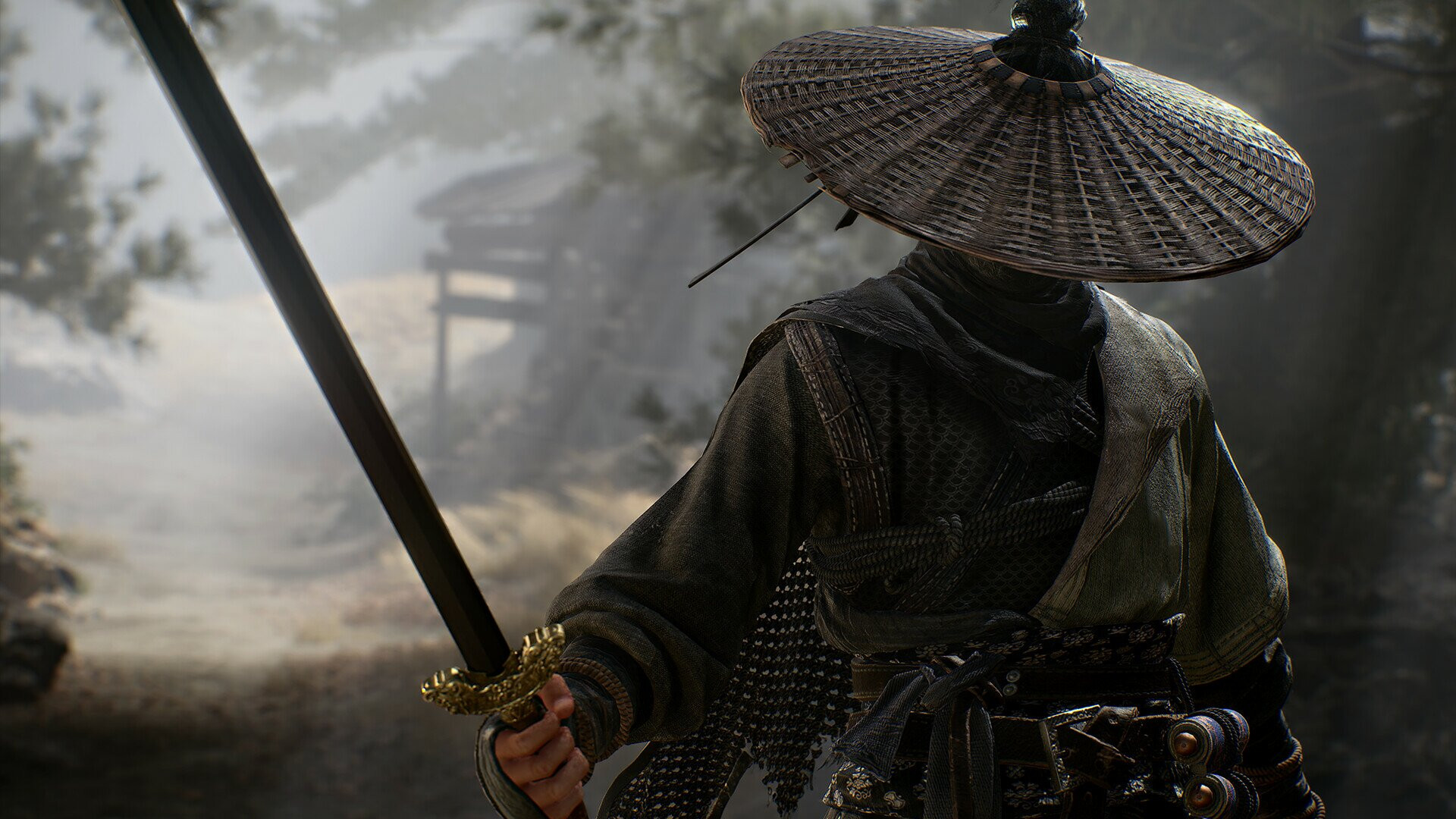
'Jinyiwei: Whisper of Autumn,' an ARPG developed by Cangmo Studio and published by 4Divinity, was showcased at ChinaJoy 2026. As part of the China Hero Project—Sony Interactive Entertainment’s initiative to discover and support new Chinese games—the title was available for hands-on demos at the PlayStation booth.
Set in the late Ming Dynasty, the game follows an ordinary boatman who gets swept up in an unexpected incident, joins the secret police force known as the Jinyiwei, and embarks on a new chapter in his life. Players navigate the tension between the Jinyiwei and criminal organizations, uncovering political conspiracies and secrets along the way.
From a narrative perspective, the game is undeniably intriguing, blending martial arts action with espionage. However, the version of 'Jinyiwei: Whisper of Autumn' seen at ChinaJoy 2026 was somewhat disappointing. To borrow from the autumn theme in its subtitle, the experience felt unripened, particularly in its combat.
Aerial assassinations and sword dances: the 'martial arts' aesthetic is there



One thing is certain: 'Jinyiwei: Whisper of Autumn' follows the conventions of the martial arts genre well and makes a genuine effort to provide romanticized moments for fans. Whether it's diving from a cliff to ambush an enemy, striking with a graceful sword dance, or settling a duel with 1-on-1 swordsmanship against the backdrop of a burning palace, there are several moments that will hook anyone familiar with martial arts fiction.
Furthermore, the combat isn't limited to basic attacks and dodging; there are various stances to counter enemy reactions. The game is designed so that when a blue character flashes, players press L1 and Square for a strike, and when a red character flashes, they press L1 and Circle to dodge.
The true potential of the martial arts theme shines in boss fights. If the player keeps their distance, the boss might suddenly leap into the air and unleash a barrage of daggers. Other mechanics, such as using a double jump to evade attacks or create space, consistently reinforce the "martial arts" feel.




The problem: a complete lack of impact and the feeling of two people dancing separately

Ultimately, a martial arts game is about the clash of weapons and the dramatic resolution of a fight. This makes feedback—the sensation of swinging a sword, connecting with an enemy, or parrying a weapon—absolutely critical. 'Jinyiwei' lacks this entirely. Rather than the crisp feeling of steel meeting steel, it feels more like brushing against something mushy. Even with great presentation, if the combat lacks this tactile feedback, players are likely to lose interest.
Additionally, I felt as though the enemy and I were just performing separate sword dances. While flashy choreography is a prerequisite for the genre, well-made sword-fighting games feature clear exchanges where parrying an attack provides distinct feedback, allowing the player to make informed decisions about their next move—whether to press the attack or take a breather. Because this feedback is weak in 'Jinyiwei,' I often felt unsure of what to do next. The game would benefit from providing clearer cues regarding enemy intent and ensuring that successful hits cause a noticeable stagger, just as the player is heavily affected by enemy attacks.
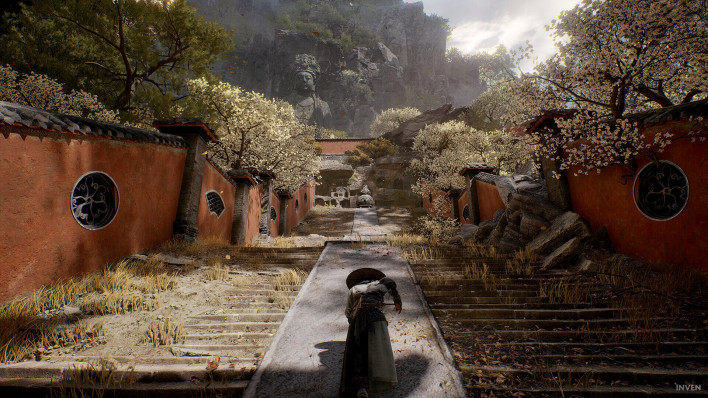
In conclusion, 'Jinyiwei: Whisper of Autumn' needs significant refinement in its combat. A game is meant to be played, not just watched. Clear feedback is essential for player enjoyment. To put it strongly, the game needs to convey the sensation of actually slicing through an opponent or deflecting a blade when a button is pressed. The enemy's attacks also need more human-like pacing and restraint rather than feeling purely mechanical. It would be a shame to see such an interesting premise held back by its combat.