Whenever a game previously released on PC or home consoles is ported to the Switch or Switch 2, the community inevitably stirs. Debates erupt, filled with a mix of anticipation and concern over how much the game has been downgraded and whether it retains the quality of the original. This is a natural reaction. Especially during the original Switch era, the performance gap with home consoles was so vast that compromises in the porting process were accepted as a matter of course.
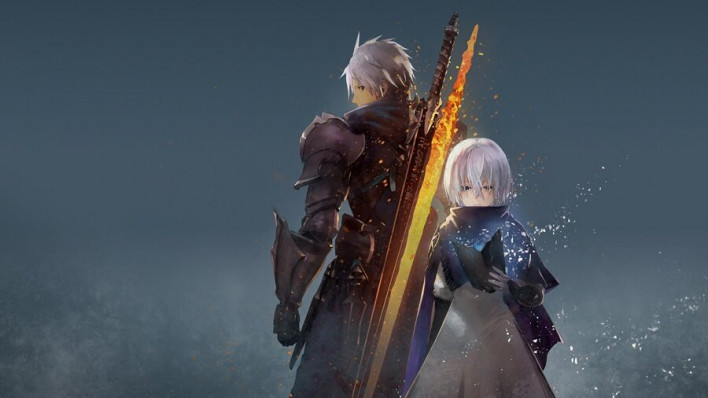
The situation with the Switch 2 is not entirely different. While it has achieved a significant performance boost compared to the previous generation, a notable gap remains between it and the latest home consoles. It is no surprise, then, that the community's attention was focused on the news that 'Tales of Arise' would be ported to the Switch 2 five years after its release as the 'Beyond the Dawn Edition,' a complete package containing both the base game and the expansion. The primary question was how well the experience would hold up compared to the PC and home console versions.
In reality, the Switch 2 version of 'Tales of Arise' is a product that truly deserves to be called a 'near-perfect port.' While ports to Switch-family platforms usually involve compromises in resolution, textures, and overall graphical quality, this title achieves such high-quality visuals that it is difficult to notice any such downgrades.
However, there is one caveat: it remains locked at 30 FPS in both handheld and docked modes.
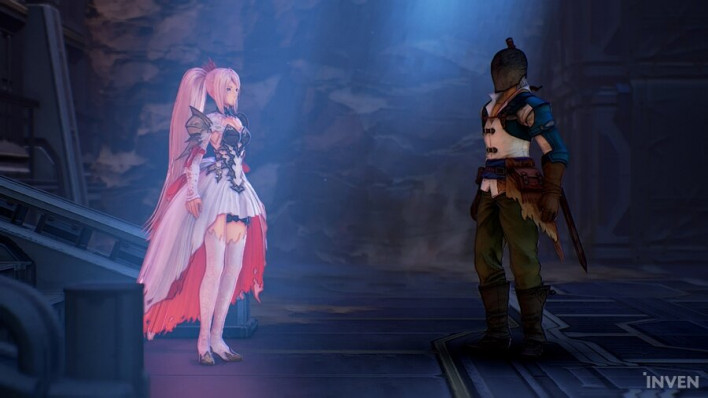
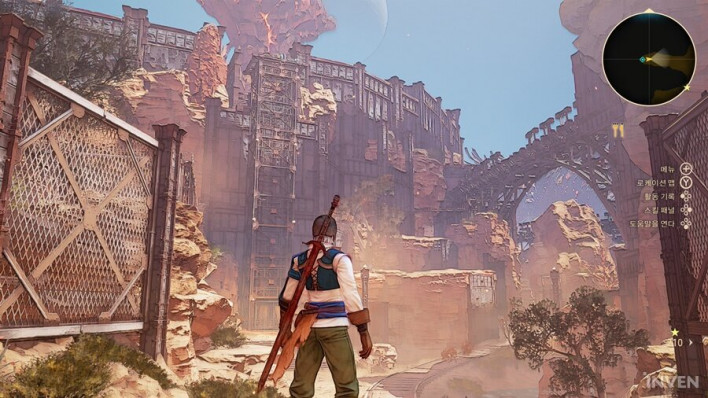
When playing games, especially on a system like the Switch 2, visual aspects are bound to be compared and stand out. Fortunately, the Switch 2 version of 'Tales of Arise' boasts visuals that are hard to fault, even when compared to the original home console versions, in both handheld and docked modes.
The visuals in handheld mode were particularly impressive. Although the Switch 2 features the latest technology and significant performance improvements, I expected the visual quality to drop somewhat in handheld mode. Yet, upon playing it, I found the visuals so excellent that I barely felt any such disappointment.
The same goes for anti-aliasing and textures. Usually, anti-aliasing is applied weakly or low-resolution textures are used in handheld mode, but it was difficult to notice such differences in 'Tales of Arise.'
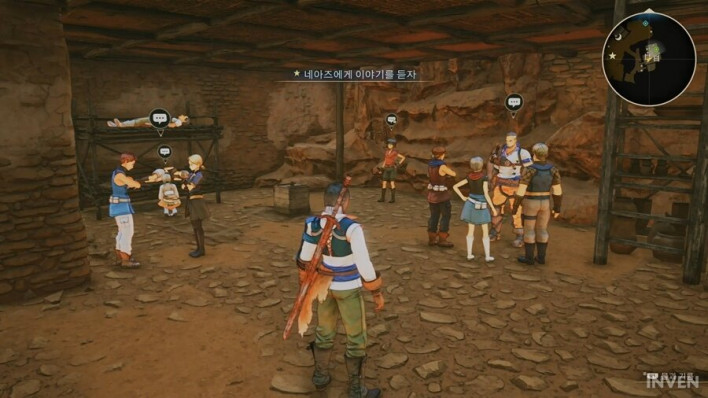
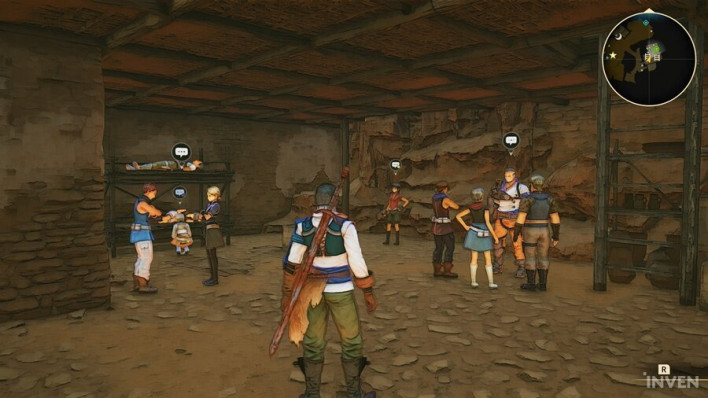
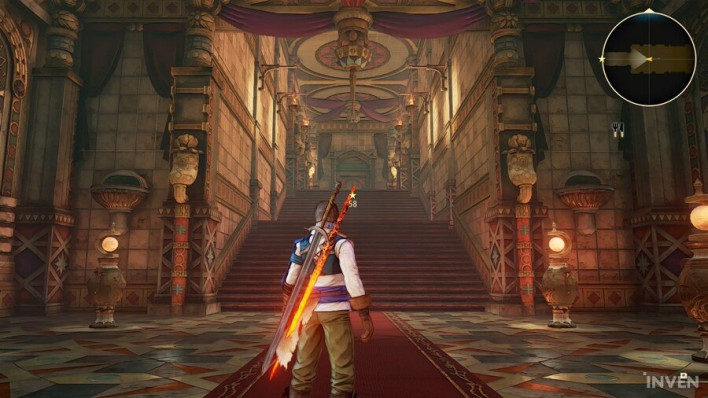
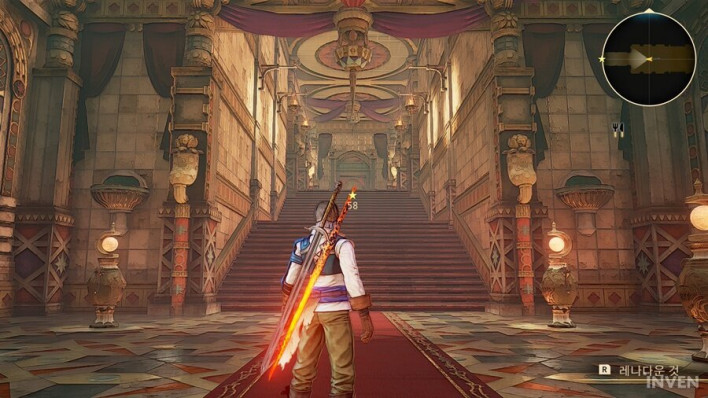
Of course, this does not mean the visuals in handheld and docked modes are identical. The most noticeable difference is that the handheld mode has a slightly blurry, filter-like feel. It is not a resolution issue; both modes maintain a stable 1080p resolution, but the handheld mode gives the impression of having undergone its own upscaling. Even so, the difference is not severe. While it was immediately apparent when comparing screenshots side-by-side, it was so minor that it was barely noticeable during actual gameplay.
If there is any tangible difference, it is the draw distance. There were instances where characters visible in docked mode were not visible in handheld mode at the same distance, but this was not enough to hinder gameplay.


Flawless visuals even in handheld mode ©INVEN Cutscenes maintain a crisp 60 FPS even in handheld mode ©INVEN The biggest difference from docked mode is the draw distance ©INVEN PS5 version ©INVEN Switch 2 handheld mode. Visually, there is little difference compared to the PS5 ©INVEN You can see deeper contrast in docked mode ©INVEN When placed side-by-side, you can see the handheld mode is slightly blurrier ©INVEN Docked mode. It's disappointing that it's 30 FPS, but the frame rate is rock-solid ©INVEN Handheld mode shows little difference from docked mode ©INVEN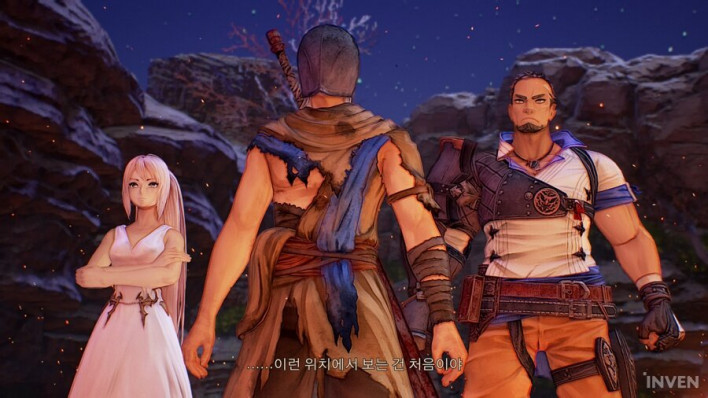
Personally, the most disappointing aspect is undoubtedly the frame rate. 'Tales of Arise' is a game with significant action elements, even for a JRPG. Given this, being sensitive to frame rates is inevitable, and the fact that both handheld and docked modes are capped at 30 FPS is more than just disappointing—it is somewhat fatal.
Recent console games tend to offer players various options, such as a high-resolution 30 FPS visual mode, a 1080p 60 FPS performance mode, or even a variable frame rate mode at 1440p/45 FPS. Compared to that trend, it is hard to justify the choice of a 30 FPS cap on the Switch 2. Even if the handheld mode had to be 30 FPS, I would have expected at least 60 FPS—or even 45 FPS—in docked mode.
Since cutscenes run at 60 FPS, there is a slim possibility that the frame rate cap could be relaxed in a future update. However, it is also true that this is merely wishful thinking. Given that the developers surely know how important frame rates are for action games, overlooking this remains a clear disappointment.
One saving grace is that within the 30 FPS constraint, both handheld and docked modes maintained a relatively stable frame rate, even during combat filled with flashy effects.
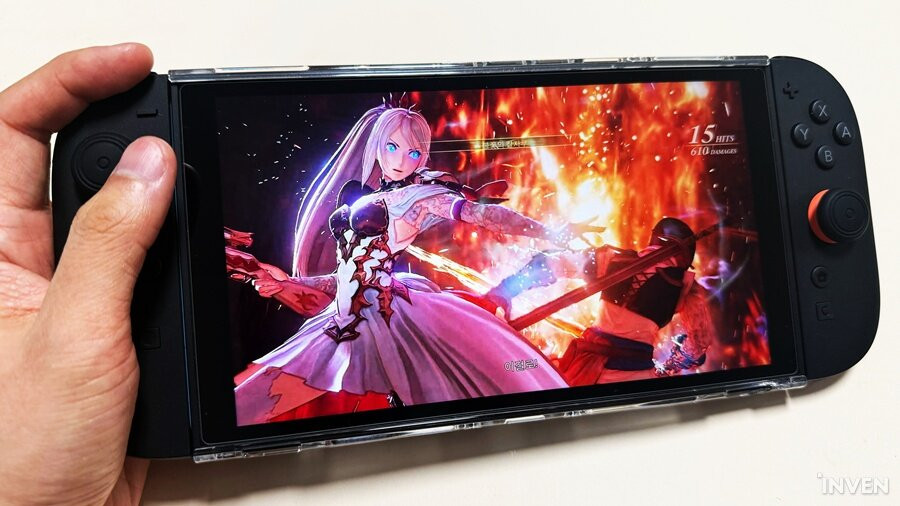
In conclusion, the Switch 2 version of 'Tales of Arise' is a 'near-perfect' port, with the single exception of the 30 FPS cap.
With the portability to enjoy it anytime, anywhere, visuals that hold their own against PC and home console versions, and a reasonable price for a complete edition, there has never been a better time to start if you haven't experienced this game yet. That is, provided you can accept the 30 FPS limitation.

- Affordable price for a complete edition
- Enjoy a masterpiece freely, anytime and anywhere
- Excellent visual quality even in handheld mode
- Fatal 30 FPS limit for an action game
Review Platform: NSW2 (Pre-release review build)

Sort by:
Comments :0