Among the many game genres that have stood the test of time, few evoke a sense of nostalgia quite like the SRPG. Many of the classic RPGs etched into players' memories were turn-based or SRPGs, and the genre has been carried forward by developers who grew up playing those very titles. While this implies a rich tradition, it can also make the genre feel somewhat alien to those without such memories, or perhaps even 'old-fashioned' given its roots in a bygone era of gaming sensibilities.
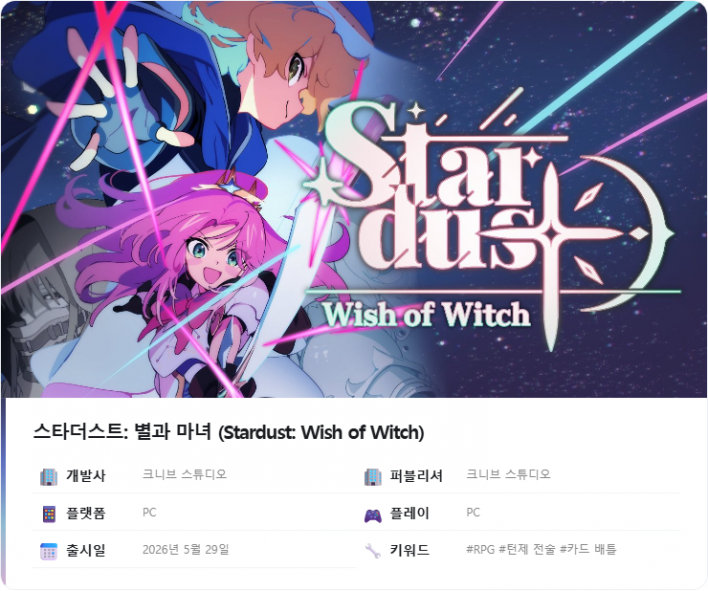
'Stardust = Star and Witch,' released by Knive Studio on the 29th, is a title that embraces those risks while infusing the experience with the freshness of youthful memories. It isn't perfect, but that very imperfection gives it a charm that makes you grow fond of it. By the time the adventure ends, you are left with a lingering sense of longing, wishing you could see more of the story.
Rediscovering the Fresh Sensibility of Adventure and Love We Had Forgotten
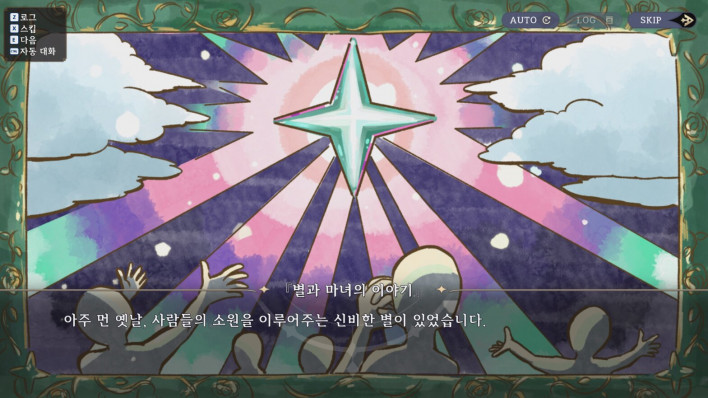
'Stardust = Star and Witch' begins with a very familiar tale. As the title suggests, the core themes are 'stars' and 'witches.' A witch wishes upon a star—which grants all wishes—for true love. However, the star, not knowing how to grant such a wish, falls into confusion and begins fulfilling people's wishes in strange ways. People blame the witch for all the chaos, and the witch, blaming herself for the mistake, sends the star far away before the world falls into further disarray. Once the star disappears, the people, in their anger, sentence the witch to death, and the star occasionally drops pieces of itself onto the land in search of her.
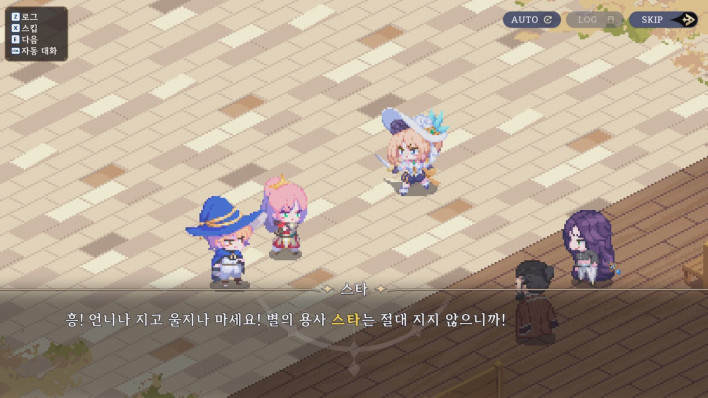
The adventure begins with the reading of this fairy tale, setting up a very familiar dynamic. You can immediately grasp the archetypes: Star, the cheerful, simple-minded, and justice-driven tomboy protagonist, and Yu, her calm and mature childhood friend. The voice acting is superb, instantly conveying the characters' personalities without the need for lengthy exposition.
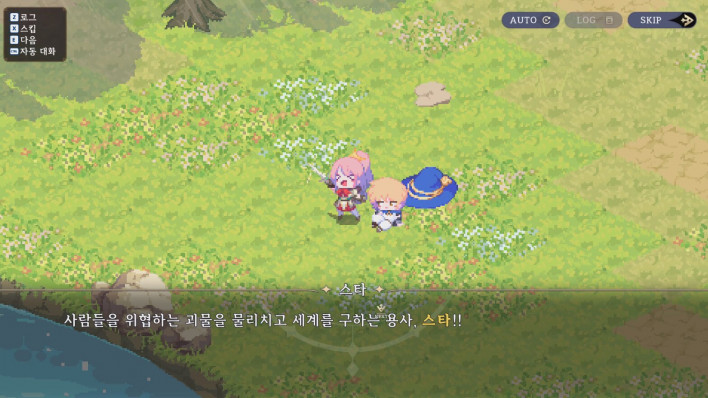
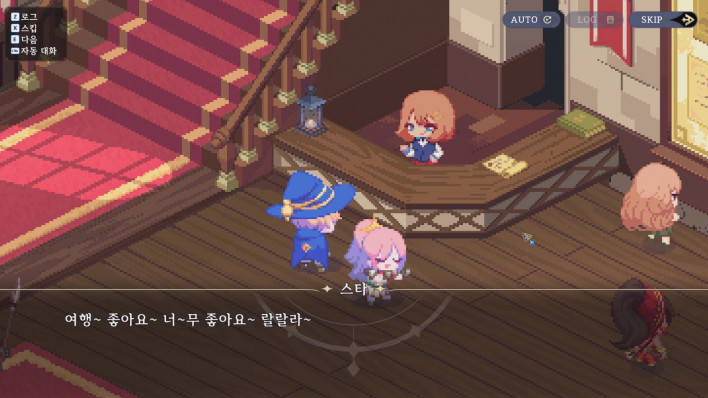
While one might call it stereotypical, Stardust’s strength lies in leaning into the advantages of that very archetype, requiring no further explanation. Without complex setup, the story focuses on the chaotic adventures, growth, and love of a tomboy who admires heroes. Since the narrative path is clearly laid out, there was no need to add unnecessary fluff to make it seem more sophisticated.
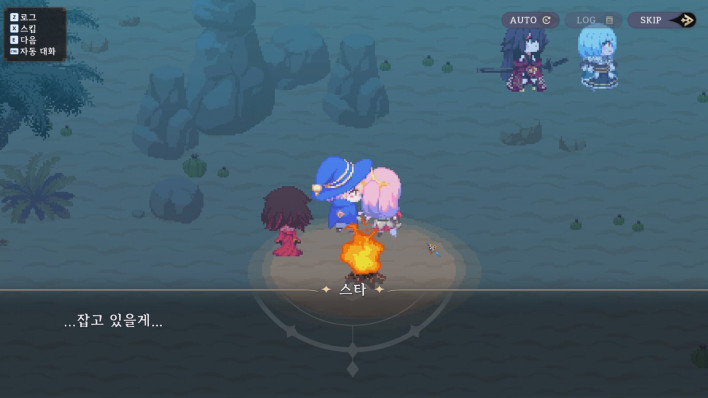
In terms of game design, there are some excessive elements. While starting at an inn evokes a classic JRPG feel, the lack of hidden elements or secrets scattered across the map is a drawback. The surprise factor of finding hidden items to speed up a clear or uncovering secret lore is minimal, which makes the overall polish feel somewhat lacking. The loop of staying at an inn, accepting a request, heading out, returning, and repeating the process the next day remains consistent throughout. While some main story segments involve camping, the fundamental structure remains largely unchanged.
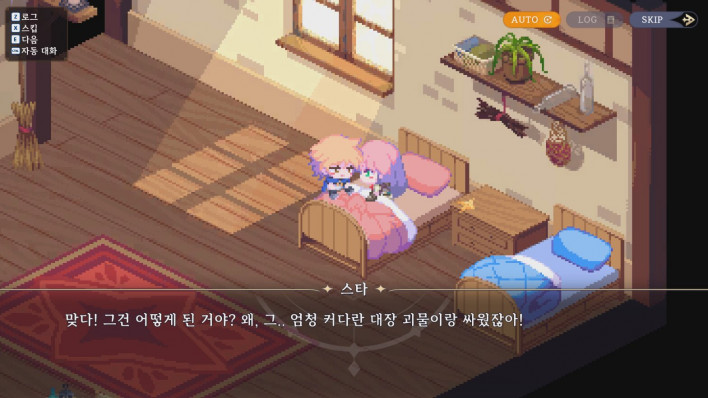
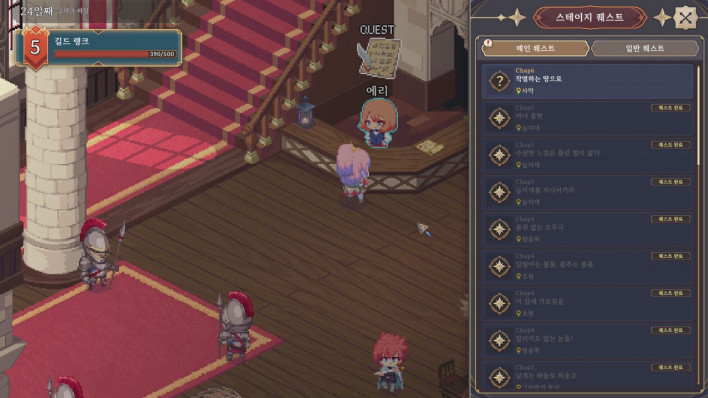
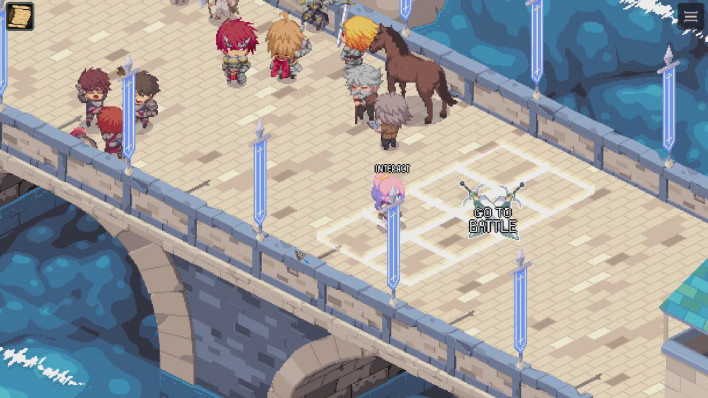
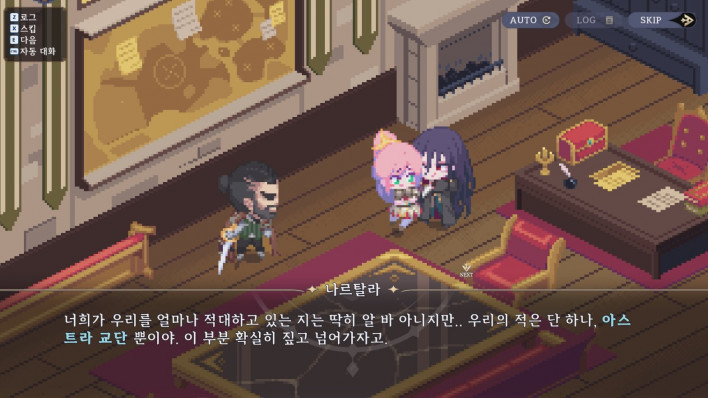
However, the game avoids dragging out familiar tropes, keeping things clean and focusing on the 'tiki-taka' banter between Star’s liveliness and Yu’s dry retorts. This focus highlights the game's fresh charm. Had the design been more complex, the focus might have shifted, but by minimizing those elements, the game keeps the player fully engaged with the dialogue and story. The pacing is brisk, and the main story is fully voiced, making it a smooth experience.
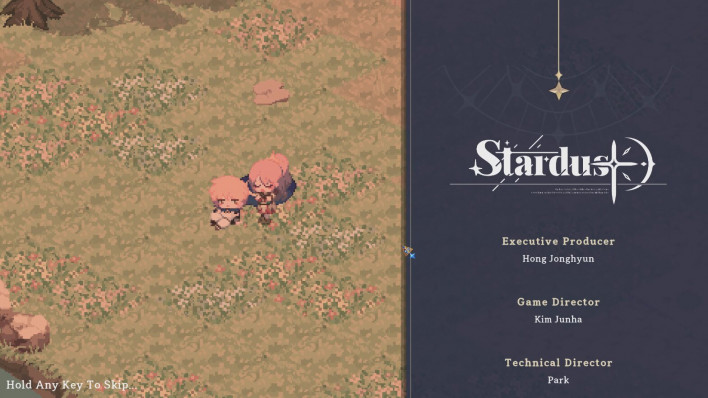
The visual direction supporting this sensibility is not particularly flashy. With very few exceptions, the game relies on static scenes of characters talking on the field. To prevent this from feeling monotonous, the game keeps the narrative moving quickly, a choice that proves quite effective. Looking back at the gameplay, these strategies become apparent, but they weren't distracting while I was playing.
Furthermore, Star is a very expressive character, and the full voice acting combined with a variety of facial expressions adds significant weight to her performance. Since other parts of the game are static, Star naturally stands out, drawing the player into her youthful journey. It’s a familiar structure, but one you can't look away from—a classic flavor that remains satisfying. From the protagonist's secrets to the conflicts between various factions and the hardships she overcomes, the game expertly delivers the tropes we know and love.
The Joy of Combat Through Counters and Combos
SRPGs are a genre that emphasizes the art of movement, like chess or shogi, where you predict the opponent's moves to maneuver your own units. While it may look static, it hides intense tactical battles. For long-time fans, this hidden fun is well-established, but because it isn't immediately visible, it can be hit-or-miss for those unfamiliar with the genre.
Since we've covered the story, the question is how the game handles combat. Ultimately, the game must depict the hero's struggle against enemies, and the polarizing nature of SRPG combat is unavoidable. Stardust attempts to differentiate itself with 'Counter' and 'Combo' systems.
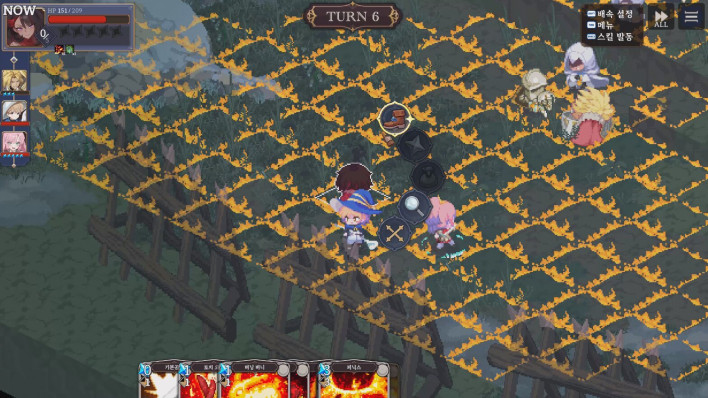
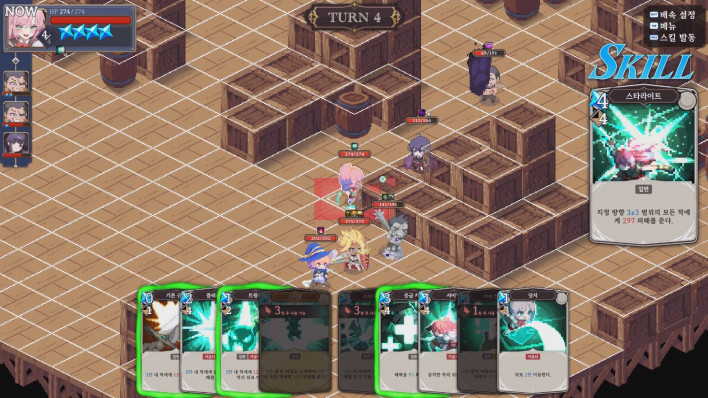
To explain the combat in more detail, it incorporates TCG elements. Each character carries 7 skill cards within a cost limit, and you use them by spending mana each turn. The system—starting with 1 mana and increasing the maximum by 1 each turn up to 5—will be immediately intuitive to anyone who has played similar games. Essentially, the core is placing characters while considering mana, range, and cooldowns.
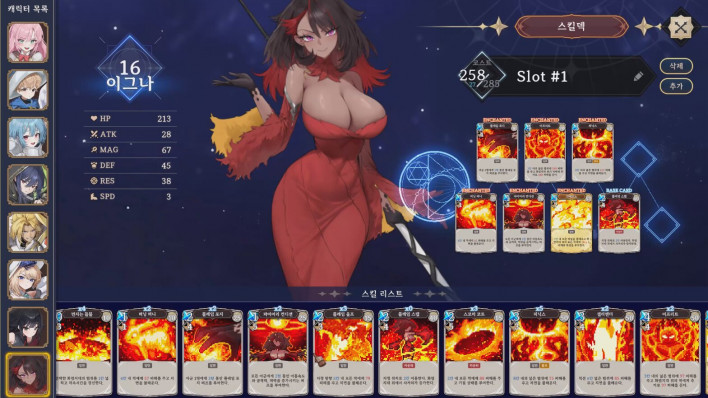


Unlike TCGs, you can only use one common skill card per turn regardless of remaining mana. However, cards labeled 'Combo' allow you to chain skills using remaining mana after a common skill is used. Attacking isn't everything; you can also use leftover mana to trigger 'Counter' cards, allowing you to dodge or retaliate to block enemy attacks.
Enemies use the same combo and counter systems. They can respond with their own counters or combos, which are surprisingly powerful; in the mid-to-late game, a single mistake can lead to a disaster where even a minor mob wipes out your unit. Boss battles, in particular, involve a wide variety of counter cards, and forgetting to bait them out with a tank like Leon can quickly ruin your hand. This creates a tense, calculated experience, much like counting cards and mana in a TCG.
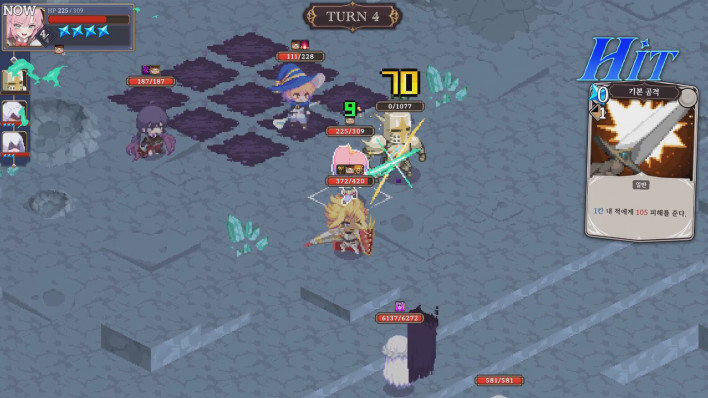


Beyond the intense tactical thinking, there is the thrill of turning the tide with powerful ultimate skill cards. While the base cost is usually 4-5 and they take time to activate, the satisfaction of luring enemies into range and wiping them out in one hit is undeniable. Some characters can even chain combos with these, providing the pleasure of a dramatic comeback after holding back.
'Stardust' = Where Even Inconveniences Shine Like Youthful Memories'
Looking at it this way, Stardust seems like a flawless game. I enjoyed it enough to rush through to the ending and the subsequent stage unlocks. However, the lack of polish in the fundamentals was quite disappointing.
The most critical issue in an SRPG—viewing skill/buff information, movement range, and attack range—is very inconvenient. Since you can't undo an action once taken, you must move cautiously, but this information is often missing. While you can somewhat mitigate this by rotating the camera to assess the map, there are issues where elevation differences make grids hard to see. Objects sometimes block the view without becoming translucent, making it difficult to read the situation.
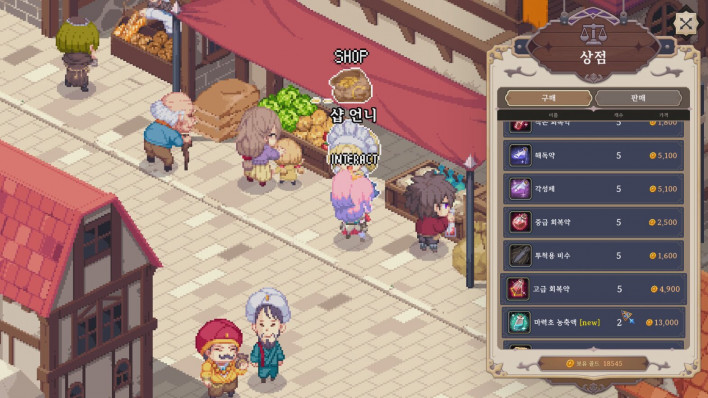
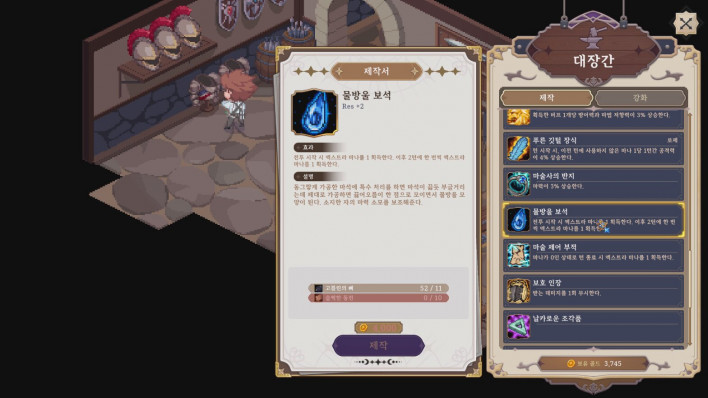
I mentioned the map and composition are somewhat monotonous, and the level design is quite shallow and vague until you reach the challenge content after the ending. While there is a system for unlocking new recipes via guild contribution points and levels to craft or enhance equipment, you don't really feel the need for it until Chapter 7. On the positive side, item effects are intuitive, making it easy to decide which items to use for enhancement.
On the other hand, the timing for unlocking the blacksmith or observatory feels off. Chapter 1, which serves as a tutorial, is quite long, and these features don't open up immediately afterward. Furthermore, skill enhancement cards are obtained via a gacha-like system using 'meteorites' earned from quests, but the game doesn't explain when this unlocks, making it easy to miss.
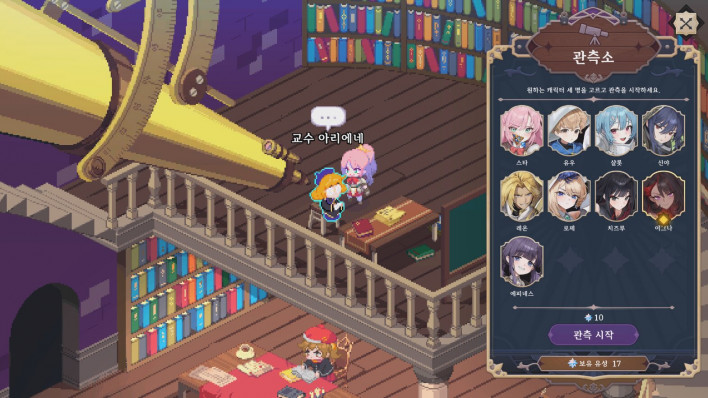
While the pixel art is decent, the animation and character illustrations have some inconsistencies that are hard to ignore. Even though you mostly see pixel characters, the quality fluctuations are noticeable. Chizuru's ultimate skill animation, in particular, feels overdone, making the character look distorted and difficult to get used to.
Even with these inconveniences, Stardust is a game with clear potential, making those flaws feel like part of the memory. The harmony between the unique combat—driven by counters, combos, and ultimate skills—and the narrative that awakens forgotten feelings of adventure and love remains with me even now. It is a shame that the fundamentals couldn't keep up with the vision, but that is exactly why I look forward to the next project from Knive Studio. They left a few hints at the end, and I hope they use this experience to deliver an even more polished title next time.
- Story with a fresh sensibility brought to life by full voice acting
- Combat with a lively tempo thanks to counters and combos
- Fast-paced progression and composition without fluff
- Each character's charm clearly expressed even in pixel art
- Angles that sometimes make enemy targeting difficult
- Lack of fun in finding hidden elements and insufficient effect descriptions
- Level design that only gains depth in the late game
Review Platform: PC (1.01)

Sort by:
Comments :0