Los Angeles in December is a city of contrasts even before you add The Game Awards into the mix. One block is all velvet ropes and camera flashes; the next is a quiet apartment where the loudest sound is a PC fan spooling up under a developer build.
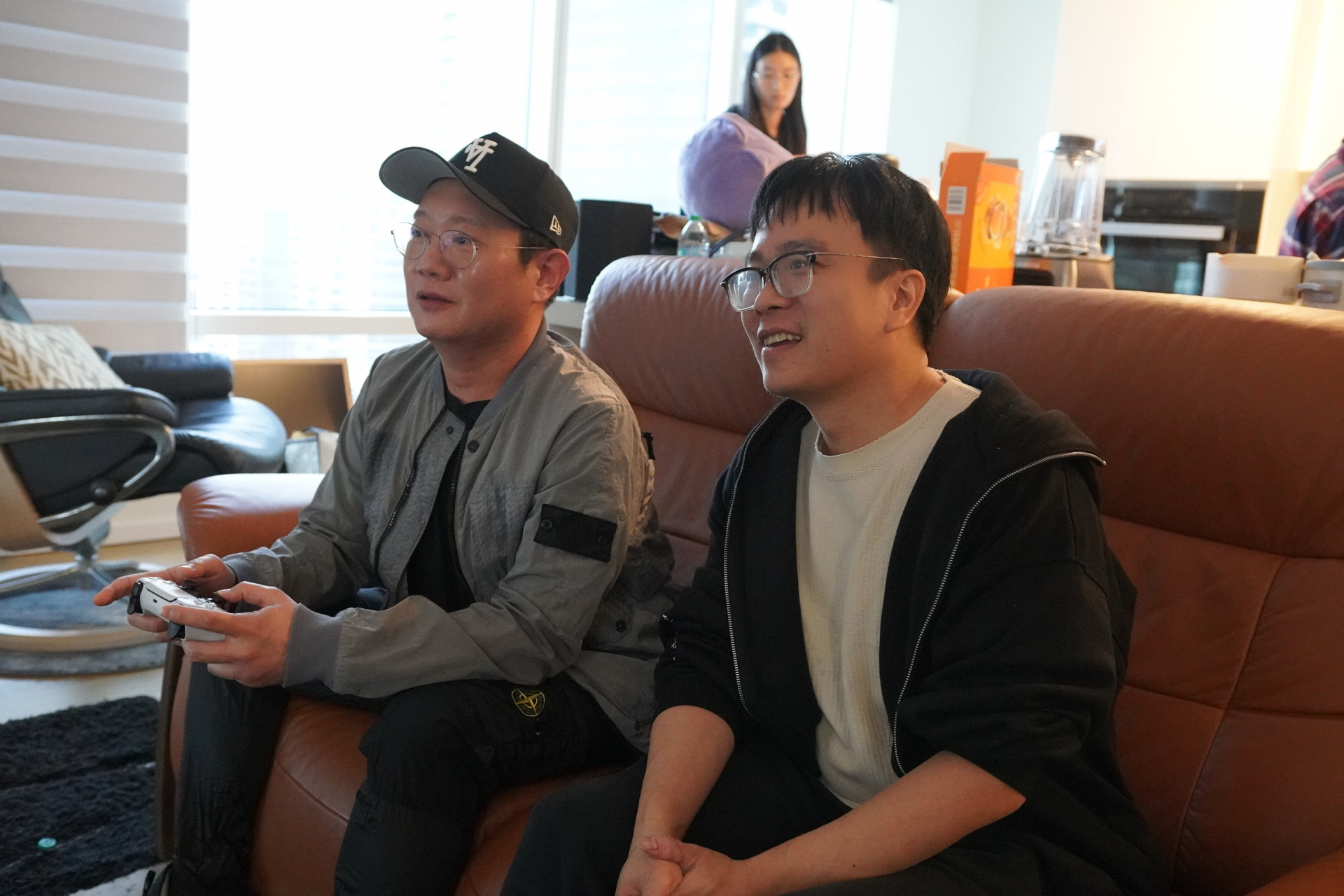
In between those two worlds, INVEN visited S-GAME’s small L.A. studio during TGA week for a hands-on playthrough of Phantom Blade Zero—a game that has been drawing attention for its “kung fu punk” identity and its promise of high-speed action without the barrier of entry that has come to define so many modern combat games.
If The Game Awards is the industry’s annual statement of scale—bigger stages, bigger trailers, bigger applause—S-GAME’s studio visit felt like a reminder of what scale is built on: a team, a set of decisions, and a founder who can still trace one of the world’s of the most anticipated games back to a simple RPG Maker experiment from 15 years ago.
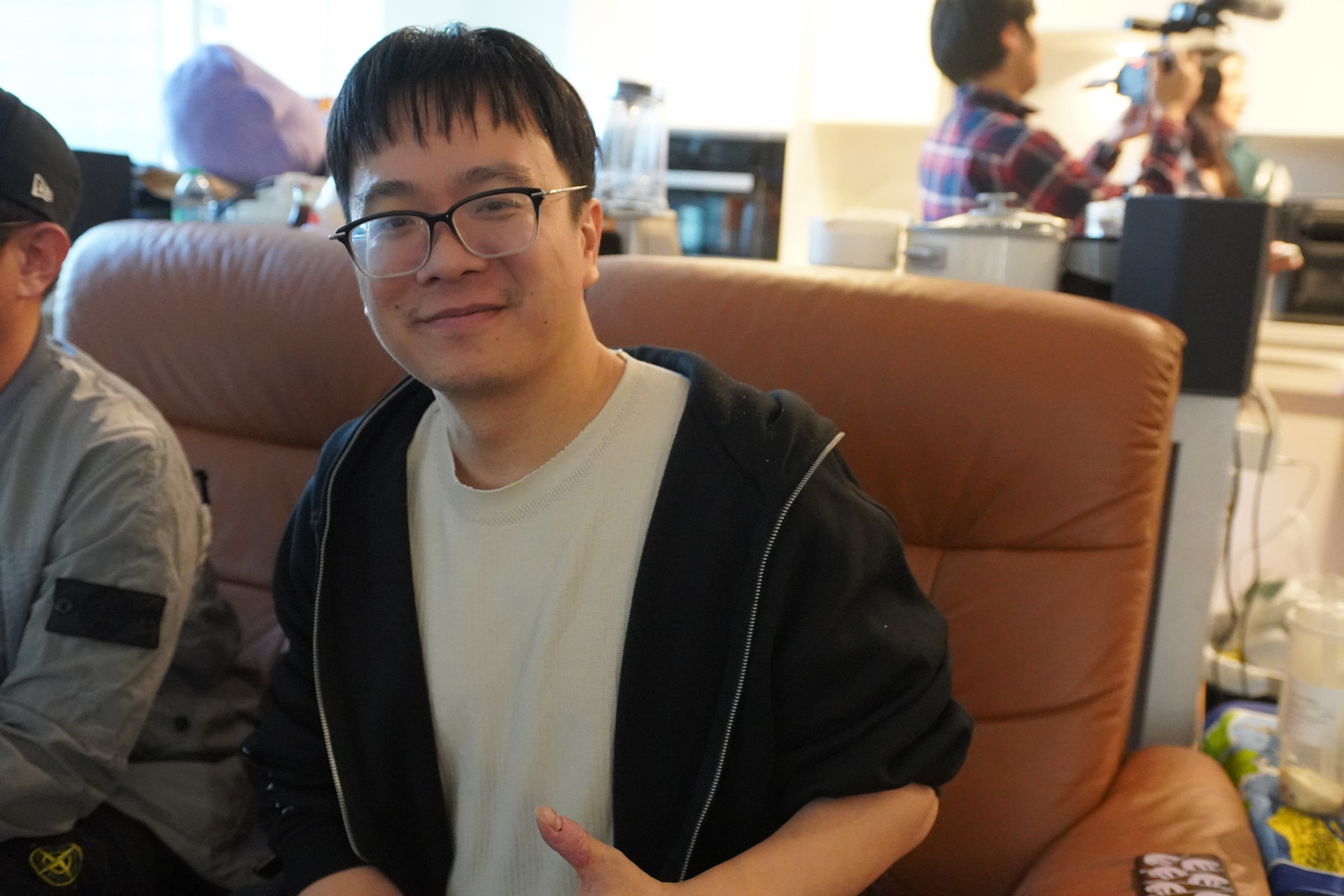
That founder is Soulframe Liang (Liang Qiwei), S-GAME’s CEO, and the kind of executive who talks like a creator first. He’s careful with labels, specific about process, and unusually candid about what it costs—emotionally and physically—to chase a game that’s trying to look effortless.
And yes: Soulframe is adamant that Phantom Blade Zero is not a Soulslike. Which is particularly funny coming from a man named Soulframe. (Names, it turns out, are not destiny—just marketing complications.)
A world that started as “Rain Blood”
Phantom Blade Zero didn’t begin as a boardroom pitch or a trend-chasing attempt to “go global.” Liang describes it as the latest—and most ambitious—iteration of a world he has been building since his student years.
About 15 years ago, he created a small turn-based RPG using RPG Maker called Rain Blood. It was simple, limited by its tools, but foundational. Over the following decade-plus, Liang and his team returned to that universe through multiple projects, particularly on mobile, expanding its ideas and lore until it reached the form it takes today.
Phantom Blade Zero, in Liang’s framing, is not a reinvention so much as a culmination: the fullest expression of a setting they’ve been revising in public for years.
The term he uses for its identity is “kung fu punk,” a deliberate hybrid meant to communicate both cultural roots and modern presentation. It draws from traditional martial arts and wuxia-inspired sensibilities, but filters them through stylized, contemporary aesthetics—cyberpunk, steampunk, and the rhythm of modern action storytelling.
Liang’s central argument is that the “Chinese” part is not a barrier; it’s a flavor. The themes—revenge, love, hatred, power, loyalty—are universal enough that players don’t need a specific cultural education to follow the emotional logic. “Kung fu punk” is his way of saying: this is a traditional kung fu story told with new clothes, new timing, and a global camera angle.
“Like Ninja Gaiden,” but meant to be felt by more people
When asked what to compare Phantom Blade Zero to—especially for players who haven’t followed its trailers closely—Liang reaches for familiar touchstones, then immediately qualifies them.
The most direct reference points, he says, are classic action titles like Ninja Gaiden or Devil May Cry, particularly in terms of pace and the emphasis on expressive, stylish offense. But he stresses two distinctions: accessibility and presentation.
Phantom Blade Zero is designed to be cinematic in a way that doesn’t require the player to be a virtuoso. The fantasy is not simply “I survived something brutally difficult,” but “I look incredible doing this.” That doesn’t mean the combat is mindless—Liang is explicit that it punishes careless play—but it does mean the game is aiming for a broader entry point than the genre’s most punishing icons.
Then he adds another important qualifier: although he doesn’t want the game labeled as a Soulslike, he acknowledges that the space the combat happens in has a layered, three-dimensional feel that will remind players of Soulslike world design. His phrasing is careful—more about map structure and spatial layering than the genre’s typical loop of corpse runs and oppressive difficulty.
Put more simply: Phantom Blade Zero wants the stagecraft of modern action RPG environments without inheriting the baggage of modern action RPG gatekeeping.
The core design problem: kung fu looks beautiful… and confusing
Liang’s most interesting explanations came when he described the specific challenge of translating kung fu into readable game combat.
Traditional martial arts movements can be fluid to the point of ambiguity—sometimes an attack and a defense share similar shapes. In real life, that ambiguity is part of the art. In games, it can become a clarity problem: if the player can’t read what’s happening, it stops being skill and starts being guesswork.
S-GAME’s solution, Liang explains, begins with authenticity but doesn’t end there.
On the production side, the team worked with more than 20 real kung fu masters in its Shanghai office and collaborated with stunt actors to capture the physicality of martial arts. This isn’t just about motion capture as spectacle; it’s about building a library of movement that feels grounded in real body mechanics.
But Liang emphasizes that movement data is only raw material. To make it work as a game, S-GAME built mechanics that support readability and control—systems designed to make fluid movement legible and reactive.
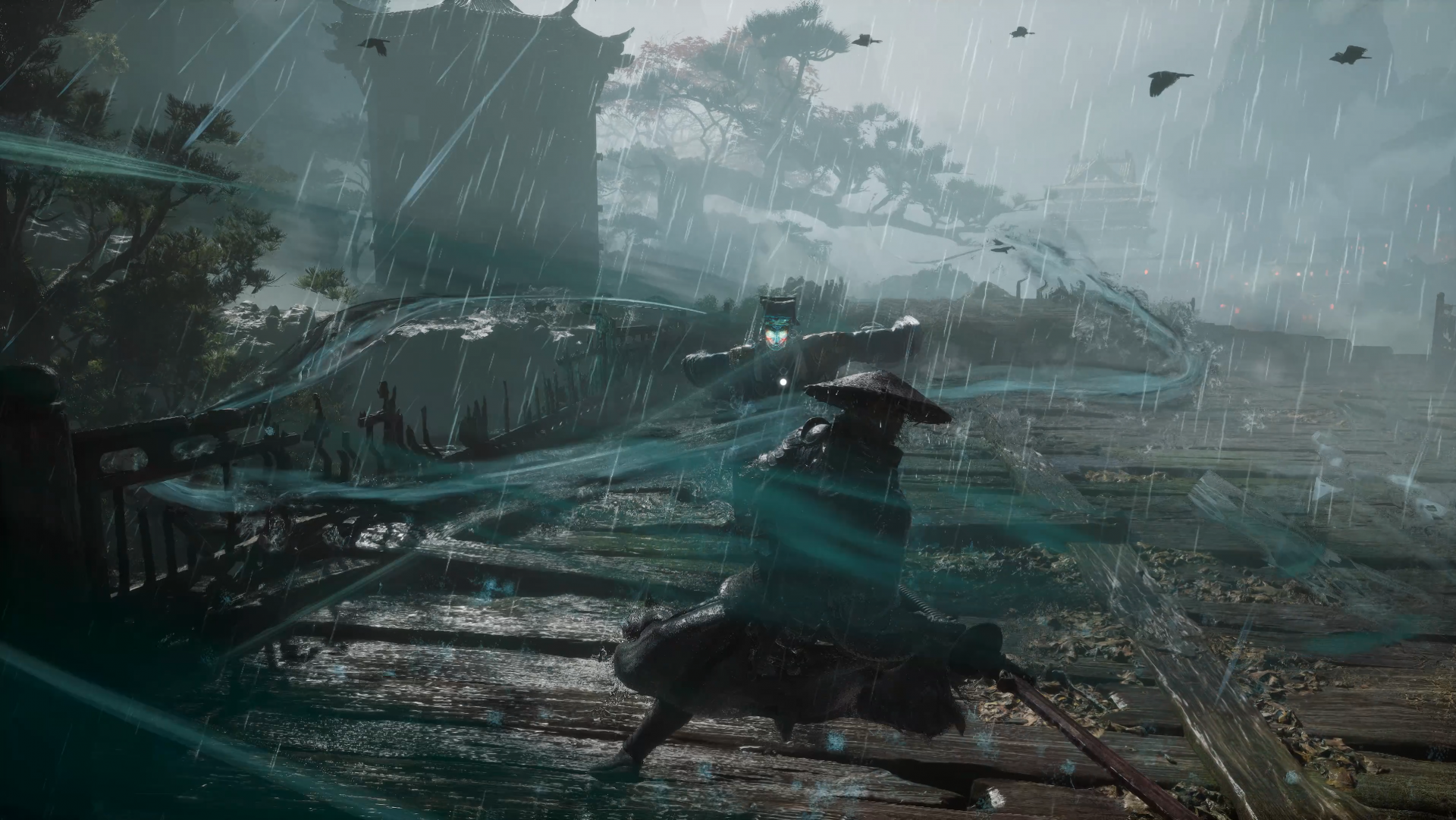
One example he gives is the defensive system: rather than a static “hold shield and wait,” holding block triggers contextual defensive responses based on angle and distance. The defense is meant to move like kung fu, not pause like a medieval wall.
From there, the team layers in more explicit communication tools—such as red and blue indicators for timed attacks and parries—to make sure the player understands what kind of response is being asked for. Liang presents this as a marriage of assets and mechanics: the movement sells the fantasy, the system preserves fairness.
A story that doesn’t ask you to assemble it from fragments
Narratively, Liang is almost defensive about clarity—in a good way. He knows that a portion of the global audience, conditioned by certain modern action RPG trends, will expect obscured lore, item descriptions, and storytelling by omission. He explicitly rejects that approach for Phantom Blade Zero.
The story is original—not adapted from classic novels—and though it’s rooted in the “spirit” of Chinese culture, Liang describes it as modern in structure and direct in delivery.
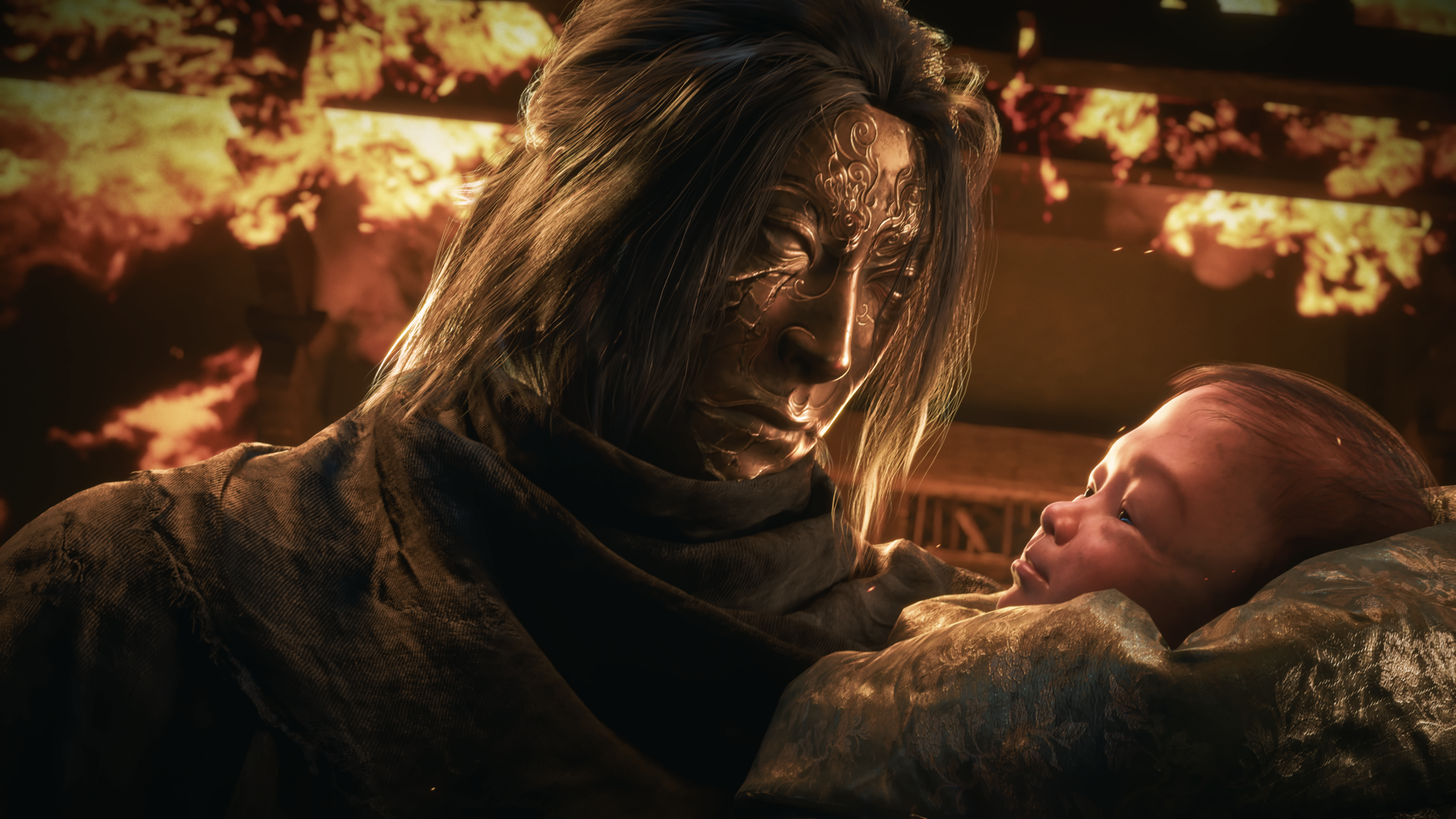
The premise centers on an organization called The Order. Internal conflict leads to betrayal; the group’s patriarch is killed; the protagonist is framed and hunted by assassins and members of the very system he served. Liang hints at deeper layers beneath the setup, but he’s confident the emotional engine is immediately understandable: revenge, power, and the cost of falling out of an institution.
For Western readers, the comparison he offers is telling: a “Chinese version of John Wick.” Not in the literal sense of guns and nightclubs, but in the shape of an underground order, a hidden social ecosystem, and a protagonist forced into violent motion after being cast out.
When asked what he wants players to feel, Liang describes a style of emotion that is intentionally restrained. Love isn’t declared loudly; it’s suggested through small gestures, metaphors, and quiet dialogue. The storytelling is heavy, but not cryptic. It’s cinematic, sequence-driven, and meant to be absorbed in the moment rather than reconstructed later in a wiki.
That approach also connects back to Rain Blood. Liang says the core setting and narrative spine were already present 15 years ago. The difference now is scale: what was once a short experience—two hours, by his description—has been expanded into something closer to a full-length modern RPG, roughly 40 hours, with a much broader suite of characters, locations, and systems.
Playing Phantom Blade Zero: speed, spectacle, and the demand for discipline
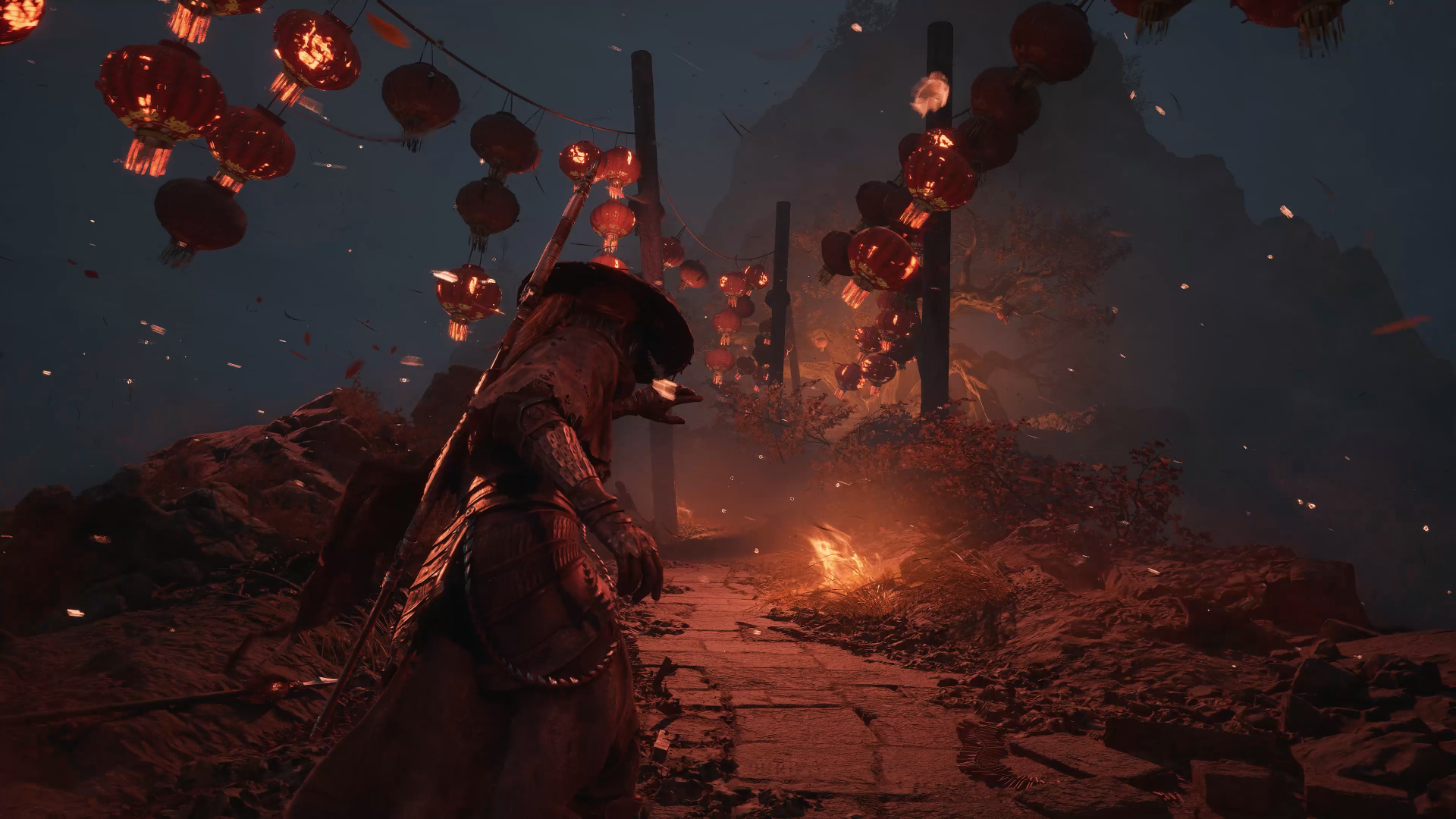
In the demo, Phantom Blade Zero’s intent becomes obvious within minutes: it wants to make you look like a master early, then ask whether you can stay one when enemies stop cooperating.
Combat is built around familiar combo language—your X and Y inputs, sequences like XXY or XXYYY—yet even basic strings produce striking visuals. The game doesn’t ration spectacle; it offers it immediately, as if to say: you don’t need to earn the fantasy of being deadly. You need to earn the right to remain alive while being deadly.
Weapon variety reinforces that rhythm. Alongside the blade as the primary tool, the demo included a bow to address ranged threats and a massive hammer—mapped to RT for standard and charged attacks—that hits with the kind of weight that changes how you look at space. The hammer isn’t just for enemies; it can also break certain environmental obstacles, a small but effective reminder that combat in Phantom Blade Zero isn’t separate from traversal and level interaction.
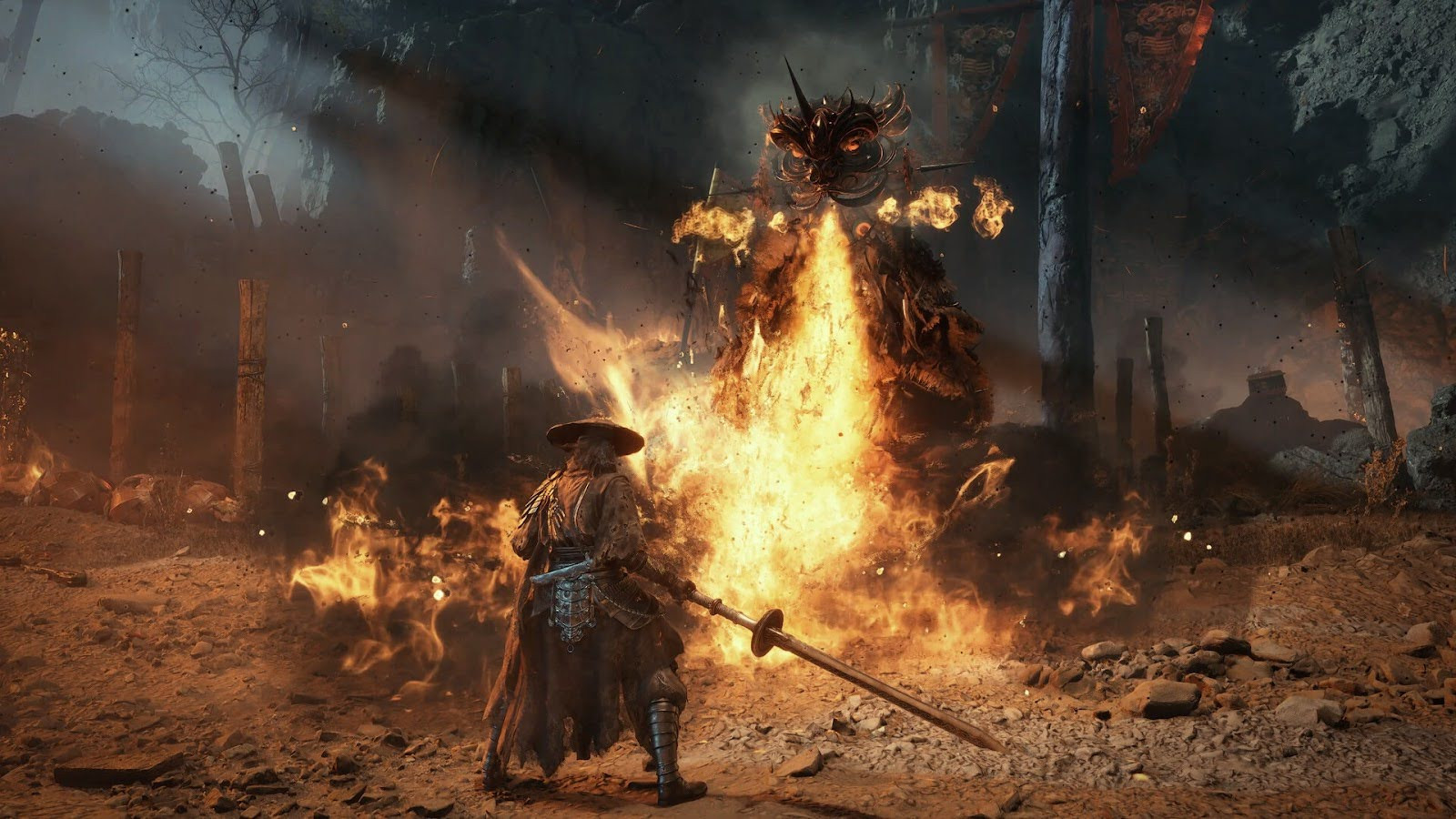
The speed is the second defining trait. This is not the slow, measured dance of stamina management. Enemies block and parry actively, and a button-mashing approach collapses almost immediately. Phantom Blade Zero asks for aggression, but it demands it with awareness.
Defense, in practice, feels like a partner to offense rather than a retreat from it. Well-timed parries flow into counter-combos cleanly, creating momentum shifts that feel earned. Dodging matters as much as parrying, especially when the game introduces “Red Attacks”—strikes that cannot be parried and must be avoided. Instead of functioning as a cheap gotcha, these attacks act as rhythm breakers: the game tells you, clearly, that you need a second defensive language, not just a better version of the first.
Then there are the QTE finish moments, triggered by depleting health or reaching specific combat states. Quick Time Events are often treated as a dirty word, but in this context they function as punctuation—short, visceral payoffs that underline the game’s cinematic ambitions. When the demo lands these beats, it doesn’t feel like the game playing itself; it feels like the game giving your performance a close-up.
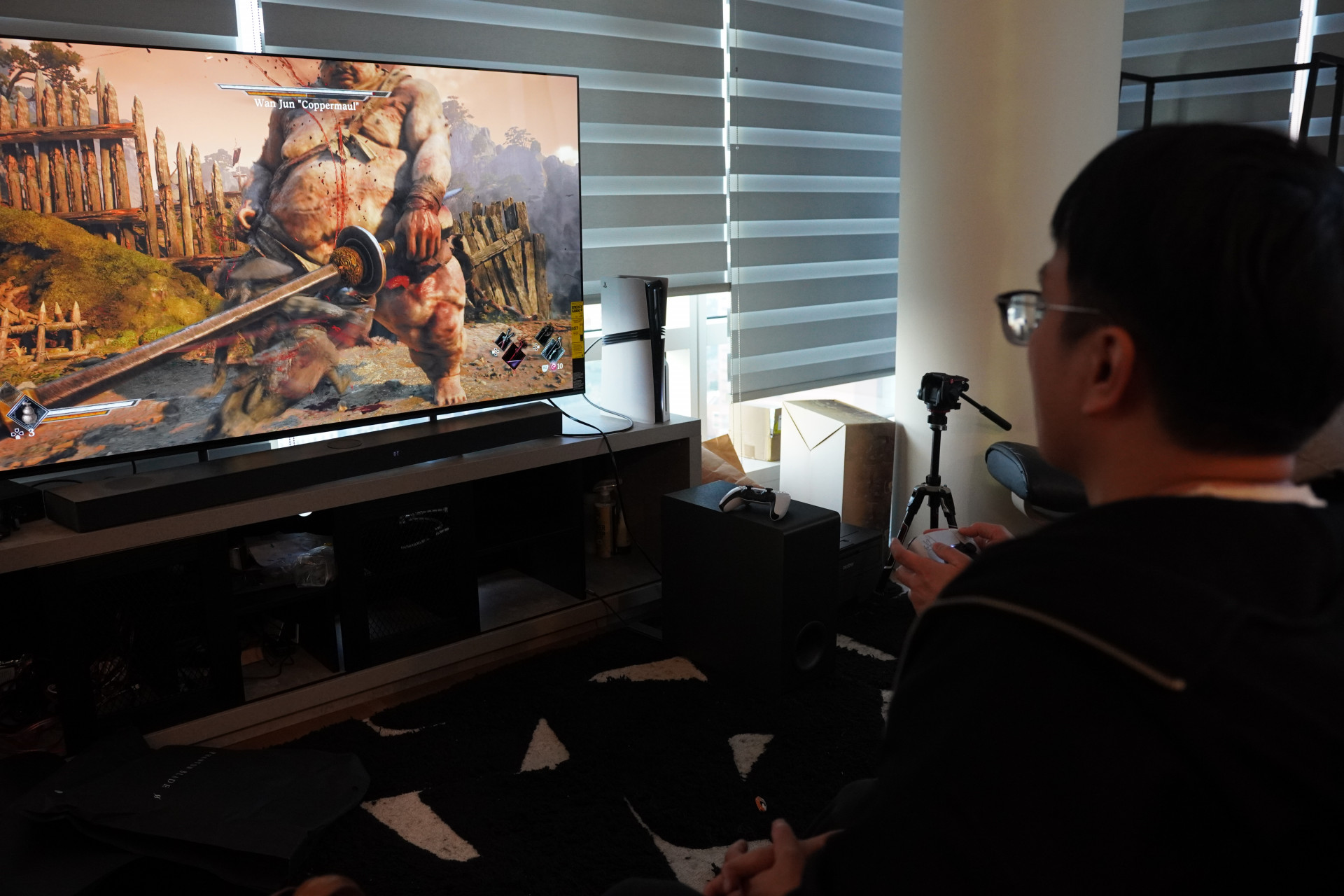
The demo itself was structured like a guided first act: a tutorial map that mixed exploration with varied combat scenarios, culminating in the first boss. Over roughly 30 minutes—from the opening through that initial escalation—the strongest impression was that Phantom Blade Zero is not merely “promising.” It already feels coherent.
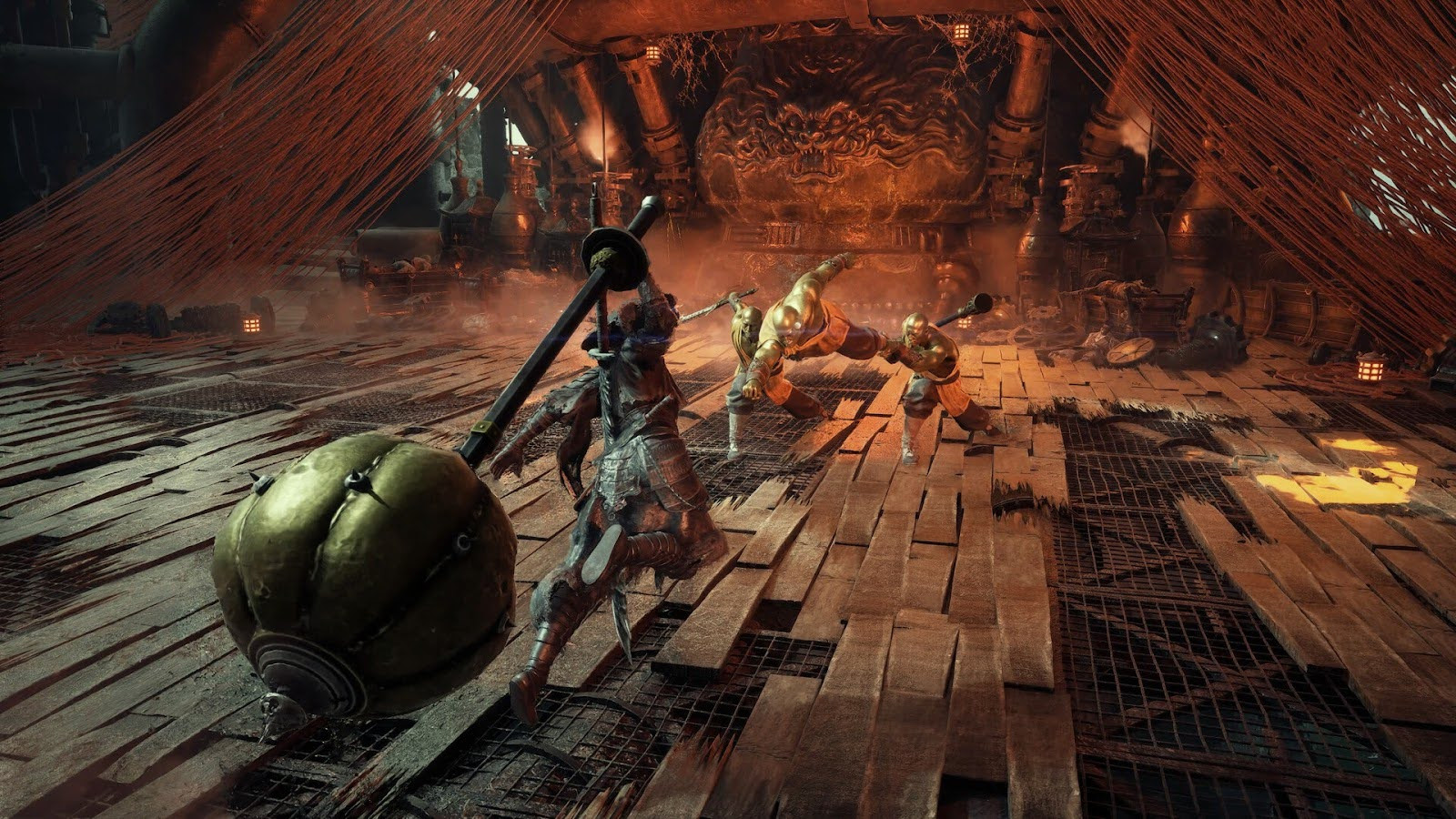
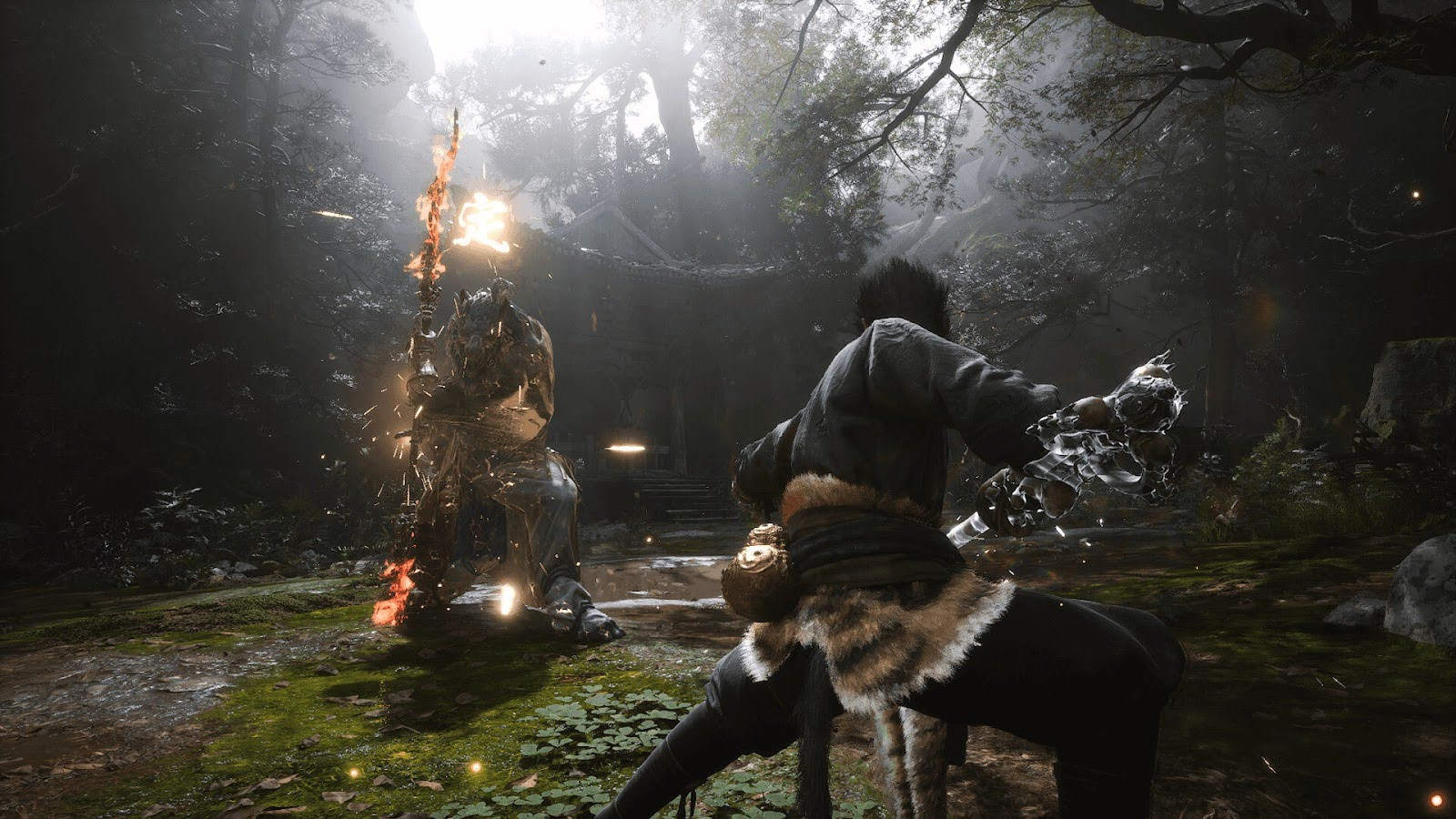
There’s a particular fantasy at work here, one that’s easy to summarize and hard to achieve: stepping into the visual language of a Tsui Hark or Zhang Yimou film and controlling the person who dominates the frame. Phantom Blade Zero’s best moments are when it delivers that fantasy without sacrificing input tension.
Technically, the demo was played on PlayStation 5 Pro, and it presented with sharp visuals and a stable feel. It’s early, and release builds are always their own story, but the showing suggests a project that understands how much performance consistency matters for a combat game moving at this speed.
China’s AAA moment, and the pressure behind it
Liang also contextualizes Phantom Blade Zero within a broader shift: the recent surge of ambitious Chinese AAA projects designed not just for domestic success, but for global presence.
He frames it as an acceleration. Chinese studios have had technical production experience for years, often through outsourcing relationships, but large-scale original creative ambition—big, globally marketed games built on a distinct vision—has intensified dramatically in the last two or three years.
In Liang’s view, what took decades in the West is happening in China in a compressed timeframe. The domestic market remains enormous, but the center of gravity is moving outward. Developers want to compete internationally, and the pace of that transition is both exhausting and exhilarating.
When asked what the project has been like personally, Liang doesn’t romanticize it. He calls it tiring, pressure-filled. He mentions barely sleeping. But he also describes the work with a kind of unmistakable warmth: making games feels like playing games to him, and he can stay in the office for hours without experiencing it as labor in the ordinary sense.
That tension—burnout risk on one side, creative fulfillment on the other—hangs over much of modern game development, whether you’re a 15-person indie studio or a global publisher. Liang’s version of it feels particularly pointed because Phantom Blade Zero is both the culmination of a long personal arc and a statement project for a studio trying to keep control of its identity.
Independence by design: “control creation, control capital”
S-GAME’s origin story reads like a familiar modern developer myth—one person, a decision to reject a traditional career path, and a gradual build into something bigger—but Liang’s details add specificity.
He studied architecture at Yale University in the United States and received an offer from an architecture firm in New York. He declined it, returned to China, and started what he describes as a one-man studio. Over time, he recruited collaborators—people he met online, people he convinced to leave stable jobs and gamble on an unproven vision.
The studio took early investment from NetEase, Liang says, but later bought back those shares. Tencent later invested as well, but Liang emphasizes the terms: Tencent owns 25%, and the rest belongs to him and the team. The key point he wants readers to understand is not the name of the investor, but the shape of control.
He speaks about independence not as an aesthetic preference but as a structural necessity. If you want to protect creativity, Liang argues, you have to protect the conditions that allow it—publishing control, capital control, and a company design that doesn’t force creative decisions to compete with someone else’s quarterly expectations.
It’s a philosophy that explains more than just business pride. It also explains S-GAME’s roadmap. Liang says the studio does not want to scale too fast or run multiple major projects simultaneously. Focus, in his words, is their most precious resource. Their ideal pace would be one major title every four or five years—slow enough to protect quality, and disciplined enough to keep the studio from fracturing its attention.
His architecture background slots neatly into that worldview. Architecture, Liang says, is about designing space, movement, flow, and experience—concepts that map directly onto level design. A level is, in many ways, an architectural walkthrough, except the player is also the camera operator, the stunt performer, and the one who decides whether the room is safe.
Leaving the studio: a confident demo and a clear creative spine
The value of a studio visit isn’t just that you get to play something early. It’s that you get to see whether the people making the game can explain it without hiding behind buzzwords.
Liang can.
Phantom Blade Zero is not trying to be everything at once. It has a clear aesthetic thesis (“kung fu punk”), a clear combat fantasy (speed plus cinematic impact), and a clear narrative stance (direct storytelling, emotionally subtle expression, no scavenger hunt for meaning). Even its relationship to genre trends is defined more by boundaries than by borrowing: yes to layered spaces, no to the label; yes to challenge, no to cruelty as identity.
Most importantly, the demo backs up the pitch. Over 30 minutes, Phantom Blade Zero plays like a game that understands its own rhythm—and respects the player enough to ask for discipline while still delivering spectacle.
If Phantom Blade Zero arrives in the form it’s currently signaling, it won’t just be another impressive action RPG from an emerging AAA market. It will be the rare modern combat game that lets players feel like movie-grade martial artists and holds them accountable like gamers.
And if Soulframe Liang still insists it’s not a Soulslike when it launches, at least we’ll know he earned the right to be stubborn.
-

I write. I rap. I run. That’s pretty much it.

Sort by:
Comments :0