Veteran coach Choi Woo-beom, who has spent over a decade at the helm of various League of Legends teams—from championship contenders to bottom-tier squads—has returned from China. After taking the reins at LNG last winter, he has wrapped up a short but intense season abroad and is currently focusing on rest and recharging back in Korea.
The LPL that Coach Choi experienced was different from its glamorous exterior. Unlike in Korea, where coaching staff roles are highly specialized, he had to handle everything from pick-ban and player management to administrative tasks on his own. Coach Choi noted that he personally felt the importance of the LPL’s unique "momentum"—often summarized by the saying that "condition is everything"—while also dealing with the region's lackluster scrim culture and cultural differences.
Although he was left with some regrets after being blocked by WE at several key junctures, this stint in China was a meaningful experience that allowed him to try various things he had wanted to test, serving as a catalyst for his own growth. Coach Choi shared his thoughts on life in China, mentioning that he was glad to confirm his own passion and confidence for coaching.
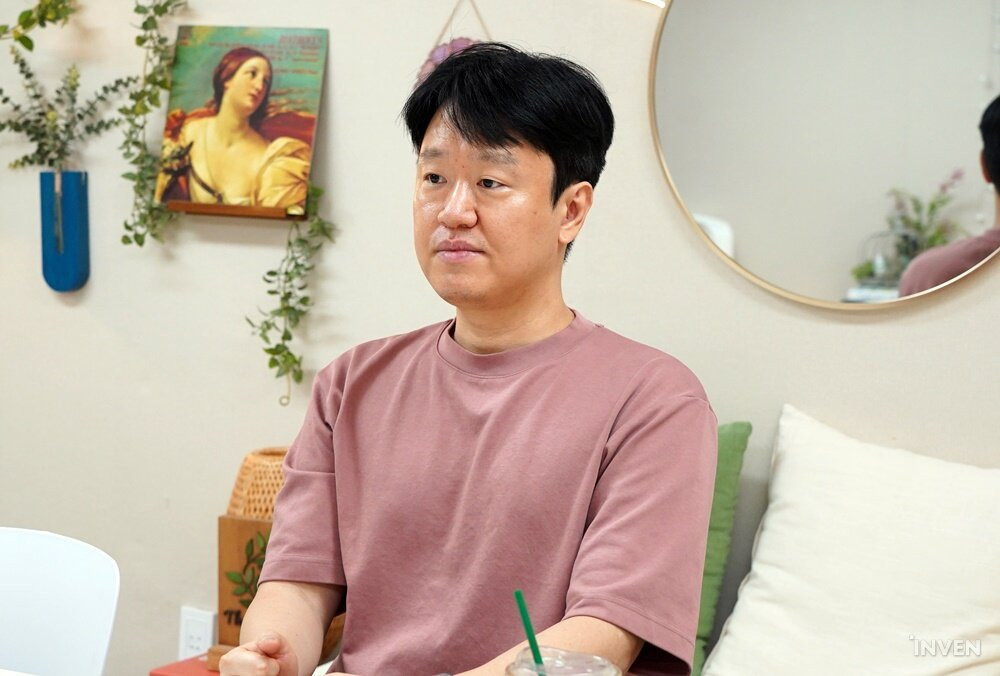
Q. You returned to Korea after finishing Split 2 as the head coach of LNG. How have you been?
"After the season ended, I stayed in China for about two more weeks to wrap up some remaining business. Those two weeks were actually the hardest. Since I wasn't working toward a specific goal anymore, just sitting around in a foreign country was mentally and physically draining. Since returning to Korea, I've been focusing on working out and managing my condition.
Also, while I was in China, I realized I was more prone to homesickness than I thought. I didn't consider myself the lonely type, but after about two months, I started missing my family a lot, and I realized, 'Oh, this must be homesickness.
Q. You took a short break after leaving Brion. How did you spend that time?
"I spent my time off exercising as much as possible. Through that, I realized how important mental and physical health are. I did a lot of running, and I still want to keep doing it. I also traveled with my family and even went on my first solo trip abroad. I've come to realize that I need to be happy first to take care of those around me, and that's how everyone can be happy.
Q. You coached in Korea for 10 years, experiencing everything from championship-contending teams to bottom-tier ones. What led you to the LPL?
"That's right. I've had a wide range of experiences over the years. I consider that one of my strengths, and after leaving Brion, I wanted to go wherever I was wanted, regardless of the region. I received an offer from LNG last winter, and the terms were decent. I had heard from people around me that LNG was a good team. While I was worried about being away from my family, my children are in middle school now, so I felt they were old enough for me to take on the challenge in China.
Q. It was a short period, but what were your impressions of your time in China?
"Personally, I feel that team atmosphere has a massive impact on performance. It's obviously an important factor in Korea, too, but it's much more extreme in China. While it varies from team to team, I get the feeling that most Chinese players are heavily influenced by momentum and their current condition.
Also, the quality of scrims is really poor. It often feels like they're just going through the motions, and they surrender very early. You need scrims to gather data or test out strategies and plays, but I didn't really feel that was happening in China.
Adapting was also difficult at first. The environment was very different. In Korea, coaching staff roles are specialized, but in China, many teams expect the head coach to handle everything. It was fun in a way, as it reminded me of my early coaching days, but it was a difficult part that required time to adjust to.
To elaborate, I had to handle not just basic pick-ban and player management, but also things like vacation schedules and tasks that would normally be handled by the front office or managers in Korea. Managing all of this was difficult, and because I had to communicate through an interpreter, there were also challenges in communicating with the Chinese players.
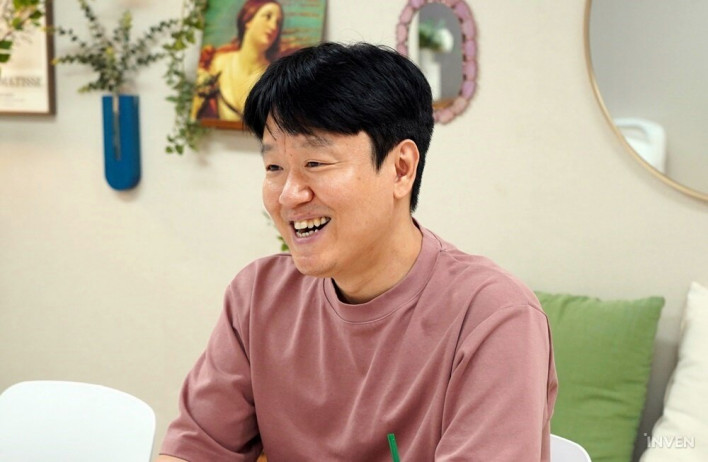
Q. What do you think is the biggest difference between the LCK and the LPL?
"It's something that has been said for a long time: the players' mindset and competitive drive are different. While there are individual differences, what I felt in China was that there was almost no friction or disagreement during feedback sessions; most players were just satisfied with the status quo. I got the feeling that many players were content with their current salary and lifestyle, and didn't really feel the motivation or necessity to work harder. This is partly due to individual personality, but there is definitely a unique cultural aspect at play in China. Of course, I don't know much about top-tier teams like BLG as I didn't experience them directly, but I think that's the general atmosphere for mid-to-low-tier teams.
During Split 1, we had a lot of late-night scrims. When we increased the practice volume, the players struggled and our performance suffered. So, in Split 2, we reduced the late-night scrims, and as their condition improved, our results got better. I used to hear people in the Chinese scene jokingly say, 'In China, condition is everything,' and I finally understood what that meant.
I've heard that top-tier teams often have to travel by plane and, in extreme cases, can't return to their dorms for up to two weeks. That's how important condition management is.
Q. What is the current skill gap between the LCK and the LPL?
"When comparing average skill levels, the LCK is overwhelming. China has many teams, and the gap between the top and bottom is larger than in Korea. However, upsets happen more frequently there. I think that's because their game style is less stable and many teams prefer constant skirmishing. Honestly, for MSI, I think only BLG has a chance to compete for the title, and TES wouldn't be able to beat T1 or Hanwha Life. I also think there's a significant gap between BLG and TES. (This interview was conducted before MSI.)
Q. What are your future goals?
"Even though it was a short time, my experience in China was very good. Going there made me realize that if the opportunity arises, I want to continue working as a head coach for a long time. I have plenty of confidence. It was actually a rewarding and fun experience to control so many things on my own while in China. I tried everything I wanted to try, and while it's a shame I was repeatedly blocked by WE at crucial moments, I think WE played well.
Lastly, I'd like to say a word to the fans who will read this interview. As I mentioned briefly, I think your own happiness is the most important thing in whatever you do. I used to be the type of person who cared more about others than myself, choosing to make others happy even if it meant I lost out a little, but what I felt in China is that my own happiness should come first. If there's something you want to do for a happier life, I recommend you don't hesitate and just go for it if the opportunity arises.

Sort by:
Comments :0