Fun and exhilarating. What exactly is the "kung fu punk" that developer S-Game has been talking about? Playing the game brings the answer naturally right to your fingertips. It feels as if you've stepped directly into the middle of a wuxia movie. The visuals, music, and fluid, spectacular character animations embody the precise movements of a martial arts master in classic cinema.
Where the game truly shines is its combat. Clashing weapons furiously with a boss immediately conveys the real meaning of a martial exchange. The stylish yet impactful hits, crisp sound effects, goosebump-inducing soundtrack, and weapons that each offer a distinct experience come together to push combat immersion and enjoyment to the absolute limit.
I ran non-stop for about 40 hours to reach the ending. I scoured every corner of the map, collected items, and even tweaked difficulty settings along the way. When the credits finally rolled, my heart was pounding—from the lingering echo of the final duel, the savoring of its action, and the lingering regret that no new battles remained.
The most disappointing and regretful part of writing this review was having to hold back on the absolute best and most immersive combat moments in order to prevent spoilers.
*Due to spoiler guidelines for this review, specific details regarding certain combat sequences could not be mentioned.
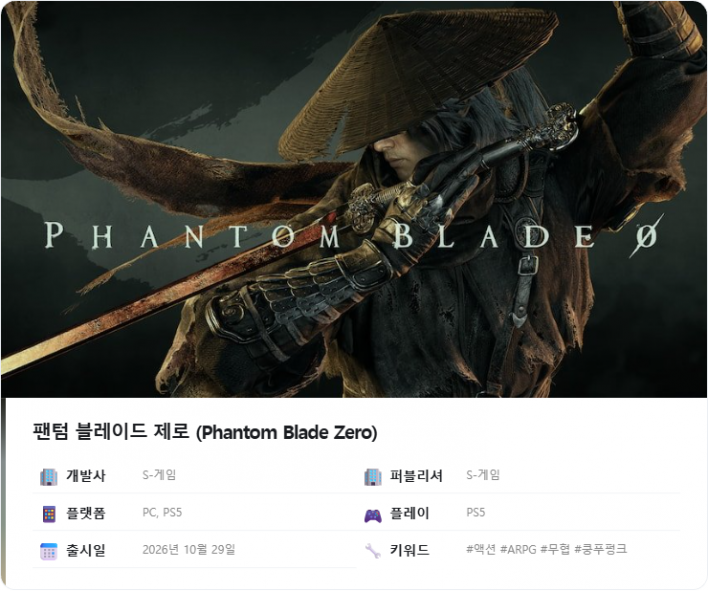
Combat That Is Pure 'Dopamine' Fluid, Beautiful, Thrilling, and Fun
The single defining feature and greatest strength of Phantom Blade Zero is its combat. From beginning to end, every encounter is thrilling—an absolute dopamine rush.
S-Game has infused basic controls—attacking, blocking, and dodging—with its own distinct flair. It is not that the core inputs are drastically different. Instead, by keeping fundamental controls intact while adding extra mechanical layers, they crafted a stylish and dense combat system that elevates sheer engagement to another level.
The key pillar of Phantom Blade Zero's action is "flow." The core idea is to make players feel like true kung fu masters, showcasing movements that are fluid, flashy, yet restrained—just like watching a classic martial arts film.
Phantom Blade Zero applies cinematic visuals directly to its real-time action gameplay. Both looking at it and playing it feel like taking part in a scene from a classic wuxia film.
This is possible because the entirety of combat flows in a single breath. Every action connects continuously until the fight concludes. Literally every move yields maximum efficiency with minimal inputs, chaining indefinitely. While the actual number of buttons pressed isn't huge, keeping both hands active makes controller inputs flow as smoothly as the character moves on screen.
The player's inputs translate directly into the hero's motion on screen. Even a basic light attack combo looks like a master's martial display in a film. Visually connecting executed commands to onscreen action maximizes immersion and elevates player satisfaction.
Another element enhancing combat immersion is feedback. Audio and haptic feedback at your fingertips strike a perfect balance without being overbearing, delivering an intense sense of impact that makes you feel like you are directly facing down enemies.
The crisp clashing of steel and distinct impact sounds for each weapon type are alive. No matter how chaotic or lightning-fast the blade slashes get, every single chime and clash comes through clearly without getting drowned out.
The soundtrack deserves equal praise. In terms of musical impact, it ranks among the absolute best I have experienced in recent years.
The music in Phantom Blade Zero functions as background score, atmosphere builder, and an active combat element that ramps up tension across phases. It goes beyond merely being "good." Paired with cutscenes, boss transformations, and intensifying attack patterns during phase transitions, the score completely shifts the battle's tone and stands as a major driver of player immersion.
Experiencing it for the first time is nothing short of astonishing in how seamlessly the music is used. The broad variation in track arrangements throughout the game is another major highlight. Traditional instruments blend with distinct funkiness, evoking moods that range from tragic and eerie to explosive.
'Boss Battles' That Preserve the Joy of Challenge Retaining Phase Transitions Reduces Retries' Frustration
Despite how ornate the combat is, fights feel clean and readable thanks to high visual clarity. Even during relentless, fast-paced exchanges, enemy attacks remain surprisingly distinct.
This clarity comes from focusing on extravagant physical animations rather than cluttering the screen with excessive particles or special effects. As a result, whether wielding lightning-fast dual blades, flame- or frost-imbued greatswords, or hurling endless sword beams, visual fatigue is kept to a minimum.
Even amidst a flurry of moves, enemy attacks and positions remain clear. While boss moves are elaborate, blocking them comes down to player reflexes rather than being blinded by visual noise.
However, while readability against humanoid bosses was excellent, fighting a few larger bosses up close occasionally obscured attack patterns and movements. Though few in number, fine-tuning camera distances relative to boss size would have been a welcome adjustment.
Another highlight is that every boss fight feels distinct. Despite a sizable roster, no two bosses share attack patterns; there are no simple palette swaps here. Just as changing weapons alters your playstyle, bosses exhibit unique fighting mechanics based on their weapons.
Certain story bosses feature unique gimmicks and demanding attack patterns that make learning and overcoming them genuinely rewarding. Players must balance dodging and attacking while figuring out counters to specific boss gimmicks.
This naturally encourages swapping between different weapons, accessories, and Phantom Edges. For instance, fighting a fire-breathing boss in a lion dance mask calls for a fire-extinguishing Phantom Edge, while mounted bosses are best tackled using anti-cavalry accessories.
This makes boss fights immensely enjoyable. Whether a boss ambushes you or waits beyond a door, there is no sense of dread—only anticipation for what fighting style they will bring and how to crack it.
Though finding a boss's counter requires multiple attempts, retries do not feel tedious or frustrating because cleared phases are retained.
Defeated mobs and elite enemies do not respawn. In boss encounters, once you cross a phase transition, you resume retries directly from that phase upon death. This system drastically reduces retry frustration while preserving combat thrill and engagement.
We've all been there: a brutal boss encounter where, after countless retries, you finally reach the final phase with a sliver of health left, only to die from a momentary lapse in focus or a misinput.
When that happens repeatedly, rising frustration and self-blame often lead players to quit. The thought of slogging back to the final phase all over again can feel daunting.
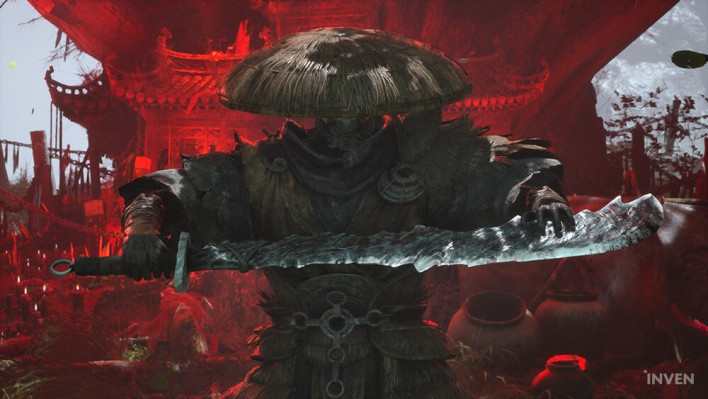
In Phantom Blade Zero, that frustration is virtually nonexistent. Being able to play for 5 to 10 hours a day without burnout—and taking on tough bosses repeatedly without irritation—was entirely thanks to phase retention.
Since clearing a phase lets you restart directly from it, you can attack more aggressively. Learning attack patterns takes less time, making combat even more exhilarating—so much so that I voluntarily increased the difficulty. Failure never feels punishing, and mastering mechanics never feels like a chore.
Seamless Combat in a Single Breath Offense, Defense, and Dodging Flow as One
As mentioned before, combat in Phantom Blade Zero is continuous. Until an enemy falls, there is virtually no downtime. You rarely spend time standing around waiting for enemy attacks or fishing for parry and dodge windows.
Combos combining Light Attacks and Sha-Qi attacks loop continuously, punctuated by quick parries against incoming strikes. Dodges allow swift repositioning, and when Sha-Qi depletes, swapping weapons instantly refills it to keep the momentum going.
This back-and-forth process flows seamlessly throughout battle. Because the core exchange of blows is so rapid and dense, there is no room to think about anything else. At times, the pacing is so intense that there is barely time to use sub-weapons like Phantom Edges during boss fights. The battle moves at a speed that forces total concentration on main weapon swordplay.
That said, basic inputs aren't all there is to combat. The visually distinct Red and Blue attacks make engagements feel extra special, delivering intense satisfaction and immersion.
These color-coded strikes require more than basic parries or dodges; executing a perfect parry triggers a specialized counter animation. This gives defensive actions a unique sense of impact that rivals offensive attacks. Facing an enemy's deadliest moves feels exhilarating rather than stressful.
This is why the action feels like a wuxia film and delivers a constant dopamine rush. Mid-combo, an unblockable or counterable attack flashes; parrying or dodging it triggers a cinematic action sequence that interrupts the flow in spectacular fashion.
While standard animations are already impressive, these special clashes briefly shift the camera angle. It creates a split-second cinematic showcase mid-battle, allowing you to admire the execution of your moves.
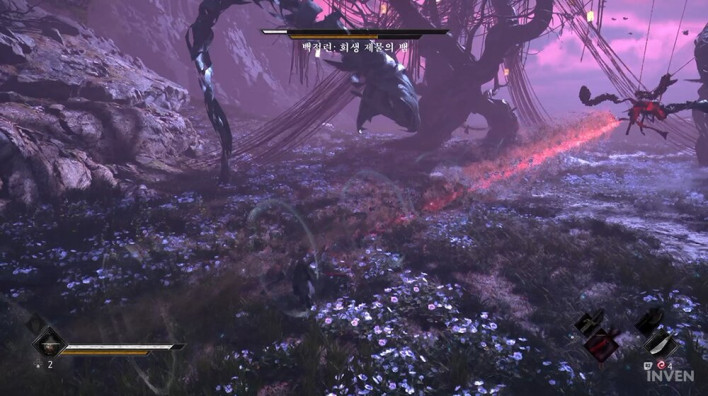
Linking weapon switching with Sha-Qi management plays a massive role in maintaining combat flow. Attacking, blocking, and dodging all draw on Sha-Qi. In particular, high-impact Sha-Qi combos designed to break an enemy's gauge consume substantial amounts of your own.
Furthermore, blocking heavy attacks marked by a black visual effect—instead of dodging them—instantly drains all remaining Sha-Qi.
However, Phantom Blade Zero never forces you to circle around passively or quaff potions to recharge. Swapping to your secondary weapon instantly restores your Sha-Qi gauge to full.
Though combat constantly consumes Sha-Qi, there is little penalty for running dry. Weapon swap cooldowns are brief, so even if your gauge empties or your guard breaks, switching weapons immediately keeps you in the fight.
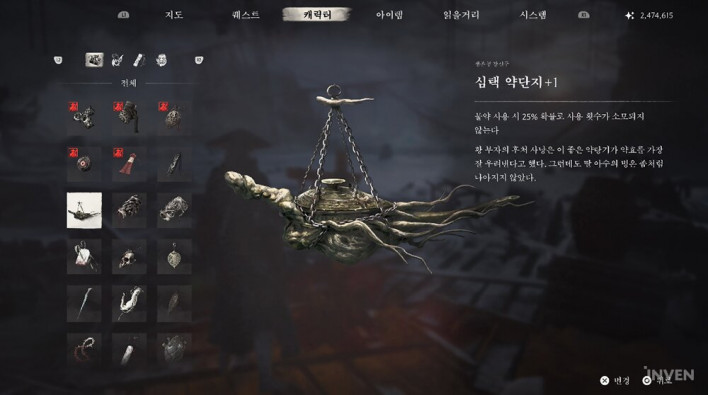
Accessories further enhance weapon swapping and resource management, offering perks like removing guard-break stagger on switch, increasing max Sha-Qi, or reducing the resource cost of Sha-Qi combos.
Combat Experiences That Differ Completely Per Weapon Options That Allow You to Craft Your Own Playstyle
This resource loop encourages using two weapons in tandem, naturally diversifying gameplay. It also feeds into another major strength of Phantom Blade Zero: crafting custom combat builds through weapon and accessory synergies.
Combat never feels stale from start to finish, thanks entirely to the weapon variety.
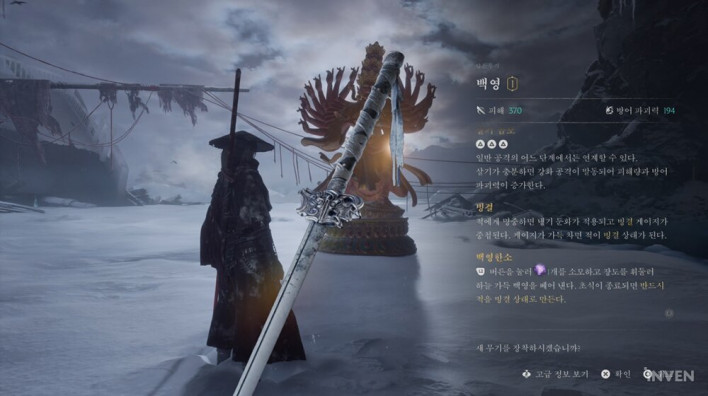
Every weapon acquired features a completely different mechanical approach. Dual blades, one-handed swords, and heavy two-handed weapons all handle uniquely within their categories. The only shared inputs across weapons are Light Attacks, Sha-Qi Attacks, and Ultimate Abilities.
Spoiler restrictions prevent going into specific details, but for example, landing Sha-Qi attacks with one weapon builds an elemental gauge. Detonating that gauge empowers your Sha-Qi combos, allowing additional button inputs during the effect window to trigger high-damage finisher explosions.
Another weapon applies marks via basic attacks, which can then be upgraded into empowered marks with varied debuffs using distinct commands. Building meter through attacks detonates these upgraded marks, unlocking further bonus effects upon continued comboing.
Certain weapons let you activate attack buffs that cause Sha-Qi combos to unleash ranged sword beams, marking targets to amplify damage dealt and shred enemy Sha-Qi. Other weapons revolve around acquiring, maintaining, or detonating specialized buffs through unique inputs.
Rather than sharing a uniform system with tweaked animations, every weapon is designed around a distinct gameplay identity. Roughly 30 main weapons offer 30 distinct combat experiences. Enhancements and awakenings unlock additional weapon perks, deepening gameplay options as you progress.
Success requires more than mindless button-mashing after swapping gear. To maximize efficiency, execute clean combos, and overcome tougher foes, players must understand each weapon's unique mechanics. Over 30 weapons translate to over 30 distinct playstyles.
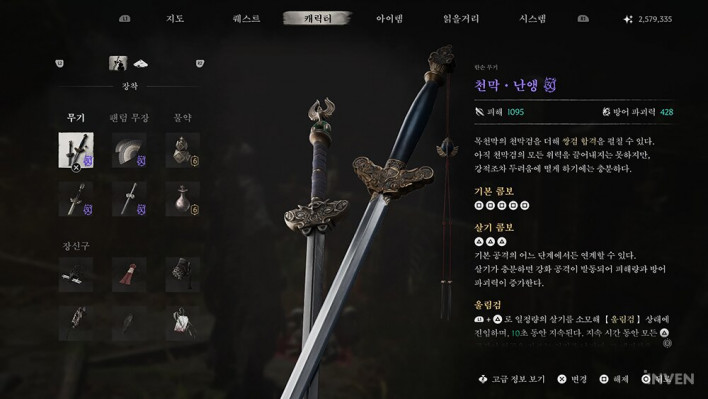
What stands out is the control scheme. Despite unique mechanics across weapons, core inputs remain uniform—Light Attacks, Sha-Qi Attacks, Ultimates, and special buffs share identical button layouts. Differences lie primarily in how advanced Sha-Qi combos chain inputs together, making the system accessible.
Inputs remain straightforward, while output combinations yield vastly different results. Pressing Square and Triangle or L1 and Triangle produces distinct effects across different weapons. Combining these mechanics into custom combos varies by weapon, but physical execution stays simple.
The primary decision becomes strategic: deciding which weapon suits a given boss or situation, and which combos align best with your preferred playstyle.
Understanding a weapon's combo tree may require reading tooltips and experimenting, but physical execution is never overly complex.
One drawback is the lack of custom key binding for certain actions. Frequent block inputs overlapping with Sha-Qi attack commands occasionally triggered unintentional moves, and these specific bindings could not be remapped.
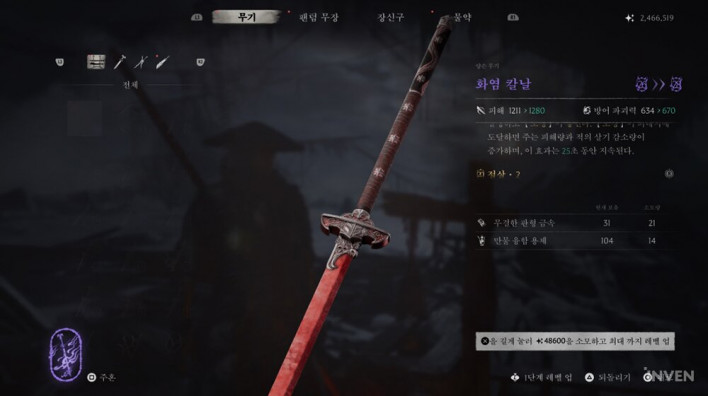
Experimentation comes risk-free. Resetting weapon investments is effortless, allowing players to test new weapons without penalty. If a specific strategy comes to mind during a boss fight, upgrading a suitable weapon takes minimal effort.
Shared upgrade resources become abundant in later chapters, eliminating upgrade anxiety. This encourages extensive experimentation, delivering fresh combat dynamics with every weapon swap.
Upon finishing my first playthrough, I immediately wanted to start New Game+ to try out newly acquired weapons. The distinct feel of each weapon made jumping back in immensely tempting.
Exploration Fun That Thrives Despite a Non-Open-World Structure Maps That Expand and Evolve as the Game Progresses
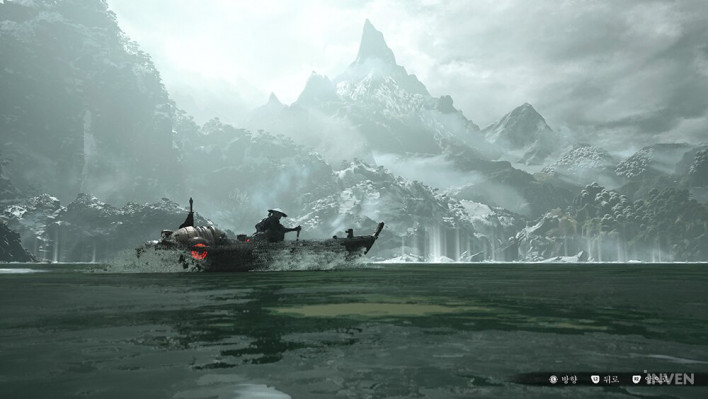
While Phantom Blade Zero features a linear world structure, map designs offer meaningful player agency. Progressing through main quests opens up previously blocked paths in earlier zones, encouraging backtracking to discover new secrets.
This progression remains linear: restricted zones require specific Phantom Edges that unlock strictly via main story progression. Lacking open-world freedom, arbitrary exploration independent of story progress is not possible.
What keeps exploration engaging is how maps evolve alongside the narrative. Beyond unlocking gated areas with Phantom Edges, regional elements transform over time—friendly NPCs turned hostile, or hidden early-game zones opening up late in the story.
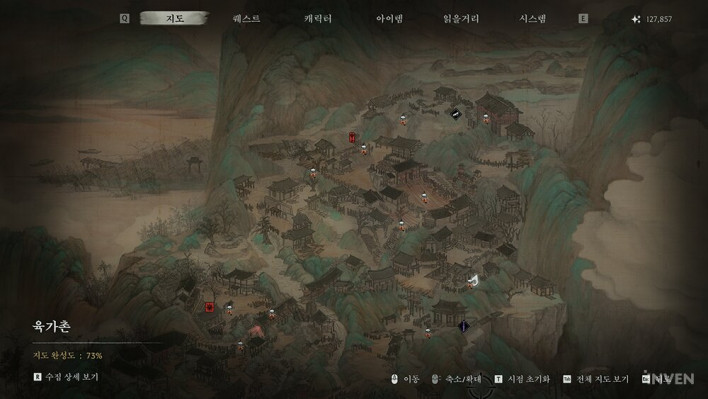
Zones unlocked per chapter are not overwhelmingly vast; fast travel makes traveling concise. Yet, effective reuse of space makes environments feel substantially larger.
By altering existing zones and revealing hidden pathways as the narrative unfolds, the game seamlessly encourages revisiting familiar locations.
This breathes fresh life into previously cleared areas. Backtracking feels like a natural extension of story progression rather than mindless padding.
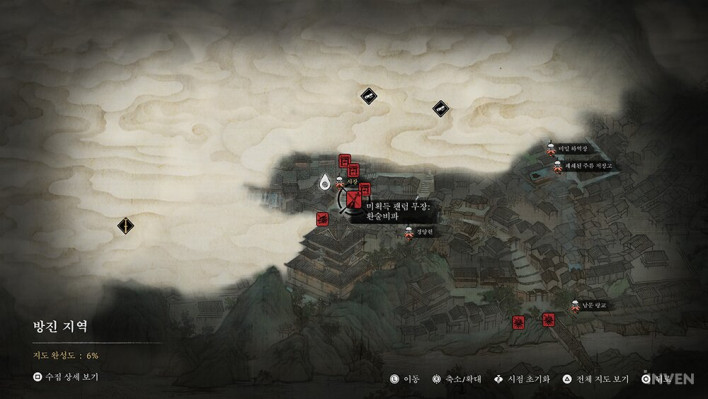
Navigating environments can be tricky. Fixed paths define zone progression, but finding hidden collectibles scattered off main paths adds significant exploration time.
Finding your way is made harder by the lack of a mini-map or compass, alongside an overworld map that lacks detail. Wandering into caves or multi-level underground areas can be disorienting when a collectible is clearly visible but accessible paths remain elusive.
Before reaching the ending, I retraced my steps through certain areas multiple times to gather missing items, yet failed to locate pathways to a few visible pickups across gaps.
Level design occasionally creates ludonarrative dissonance. Despite protagonist Soul being an elite grandmaster, falling from modest heights—or stepping into water shallower than his height—results in instant death.
Straying off designated pathways usually triggers instant death. Being knocked off a ledge or sliding into a fatal drop during automated counter animations left me muttering, "How does a martial arts master die like this?"
Soul is fully capable of wall-sliding down cliffs with his blade in scripted sequences, making mundane environmental deaths feel particularly absurd.
While not a broken system mechanically, suffering ordinary accidental deaths after experiencing grandmaster combat creates a brief disconnect that temporarily breaks immersion.
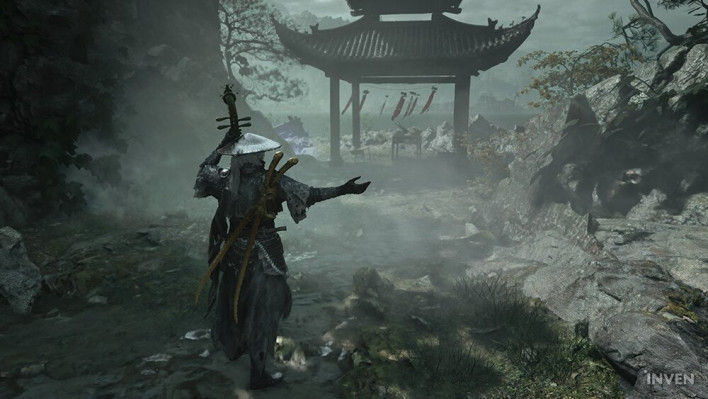
A Narrative That May Divide Opinions A Wuxia Tale Lacking Immediate Charm
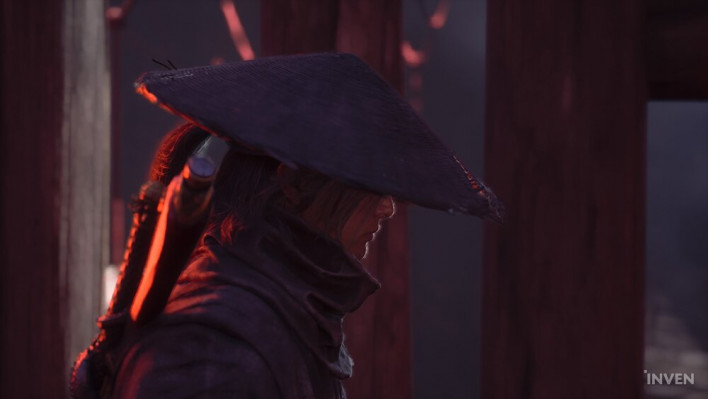
The story of Phantom Blade Zero plays out like a classic wuxia novel brought directly to screen. Consequently, the narrative may prove to be the game's most polarizing element.
The narrative arc feels formulaic and disjointed. Tropes involving a betrayed warrior seeking revenge are blended with Sha-Qi body modifications, puppets, and cultish religious factions, but these threads fail to coalesce seamlessly.
Although vengeance and Sha-Qi modification drive the central plot, individual storylines unfold in isolation. As a result, main antagonist motivations lack punch, diminishing overall narrative investment.
Furthermore, lore delivery is heavily fragmented across cutscenes, dialogues, collectibles, and loading screens. While piece-meal storytelling can foster intrigue, poor plot cohesion leaves these scattered fragments feeling cluttered rather than mysterious.
The game utilizes cutscenes in varied artistic styles to convey plot points, but relying heavily on cutscenes often prevents the narrative from achieving deeper nuance.
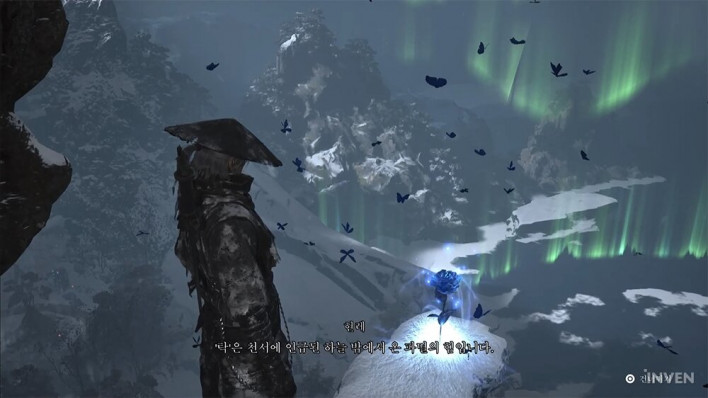
Compounding this issue is a heavy reliance on specialized terms and proper nouns, hindering clarity.
Having grown up reading wuxia novels and watching 2000s martial arts cinema, I consider myself familiar with genre terminology. In fact, I rarely had trouble grasping lore in other wuxia titles.
However, Phantom Blade Zero introduces a dense array of game-specific proper nouns and terminology that extend beyond standard wuxia tropes, creating a steep learning curve.
In the review build, subtitle line breaks and font legibility left room for improvement. Text often blended into backgrounds, making dense blocks of dialogue difficult to digest quickly.
Dense text filled with specialized terms presented reading hurdles, yet in-game glossaries provided little context, listing only collected items and enemy profiles.
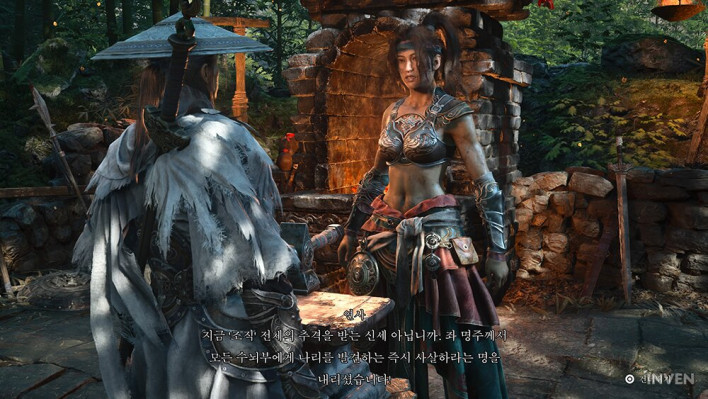
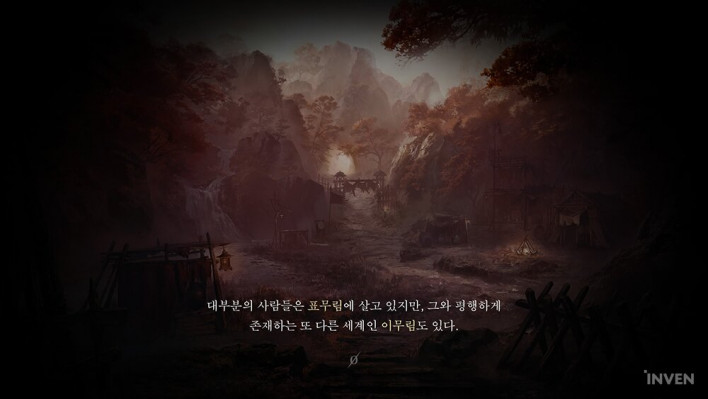
Crucial lore context is often relegated to transient loading screens. Compiling these descriptions into an in-game codex would have significantly improved story immersion.
That said, the core narrative is straightforward enough that readers won't get entirely lost. Wuxia enthusiasts will settle in once terms become familiar, though main quest engagement remains modest.
The rough state of localization in the review build was another drawback, featuring typos, inconsistent proper nouns, and missing text. Certain sentences were distorted enough to impede comprehension.
S-Game stated these issues would be resolved via pre-launch patches, and several updates during the review window produced noticeable improvements.
Translation inconsistencies likely contributed to early confusion, but subsequent patches standardized proper nouns across the text.
'Side Stories' More Engaging Than the Main Plot Memorable Bosses and More Tragic Side Quests
Unlike the straightforward main campaign, side quests follow an unconventional structure. Rather than simple quest hand-outs, clues are gathered through interactions with NPCs, objects, and readable lore.
Quest givers lack map markers or indicators, requiring players to talk to every NPC—some of whom only offer quests after multiple conversations.
These side quests span multiple locations in multi-part chains, painting a poignant picture of how tragedy impacts the inhabitants of Wulin.
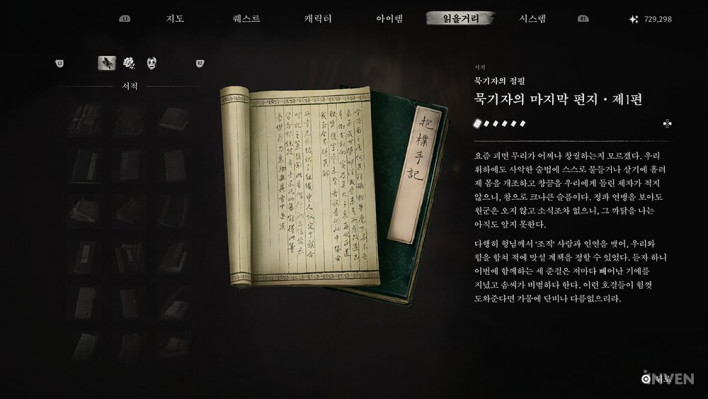
While side quests expand worldbuilding over longer arcs, Blue Flowers and readable lore items offer concise glimpses into background events via dialogue snippets and personal notes.
While cutscenes outline primary plot beats, reading collectibles feels essential for understanding character backstories and hidden motives.
While the overarching narrative uses familiar wuxia conventions, character dynamics remain solid—particularly among boss encounters.
Protagonist Soul naturally draws investment as the righteous hero, while supporting figures like Zuo Shang, Mu Xiaokui, the Three Heroes of Kunlun, and Gui Chan Ke bring distinct character arcs.
However, major bosses steal the show. Their concise yet tragic backstories mesh with dramatic boss fights to create compelling characterizations.
Collecting Blue Flowers before and after key boss fights unveils hidden lore, quietly revealing why these figures clash with you and how tragedy forced their hand.
When a boss falls, narrative beats and combat intensity converge to land an emotional punch that surpasses many main story beats.
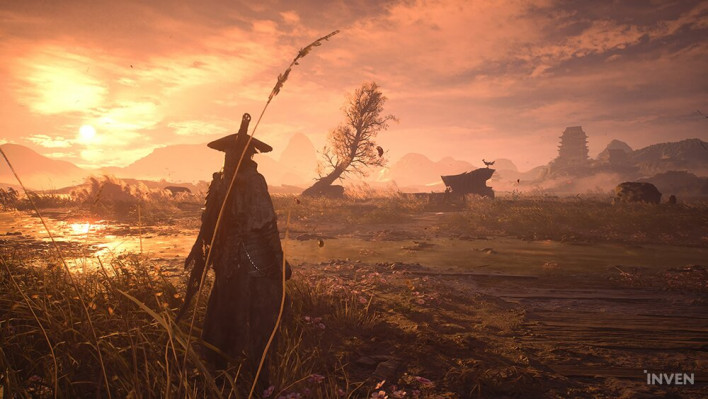
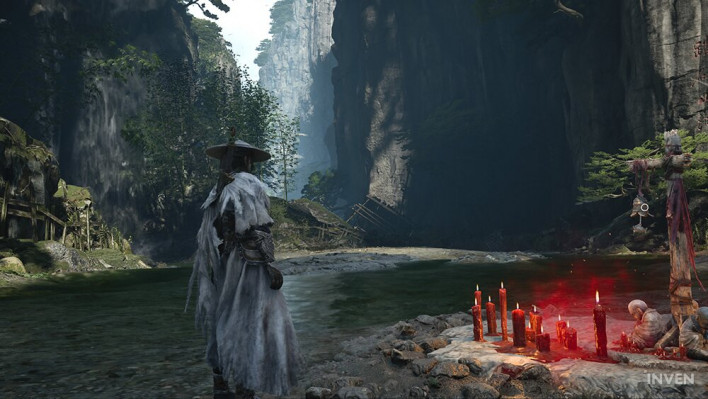
Just as boss mechanics vary, environment designs change between regions—from scenic mountains and crimson forests to unsettling puppet-infested towns, rainy metropolises, vast lakes, and snow-draped mountains.
Atmospheric tone shifts dramatically between zones, oscillating from eerie horror-like tension in one area to serene, dreamlike winter strolls in another.
On PS5, playing in Quality Mode in rain-heavy zones caused severe frame drops. Switching to Performance Mode delivered smooth gameplay across all areas without hitching.
The moment the final duel ended and credits rolled, my first thought was: "That was incredible." It is a shame spoiler restrictions prevent discussing the final battle, as it was remarkable.
Having thoroughly enjoyed every boss leading up to the end, I approached the climax with equal parts excitement and apprehension about whether the finale could live up to expectations.
Those concerns were unfounded. The final boss delivered on every front—scale, soundtrack, visuals, and combat choreography.
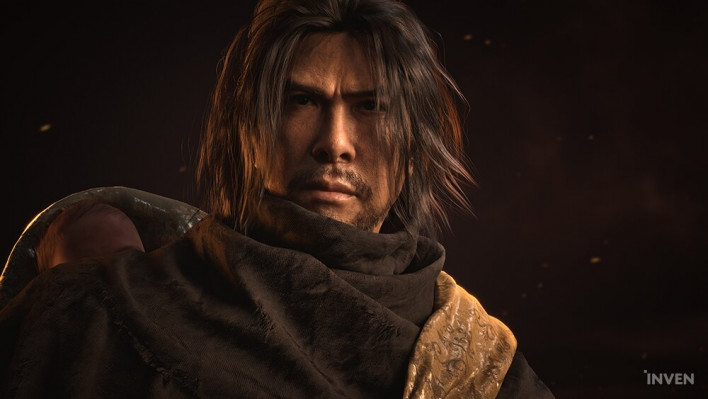
Phantom Blade Zero boasts stylish combat action. While other aspects of the game feel comparatively lighter, engaging in combat renders those shortcomings negligible. The ability to maintain clean readability amidst flashy combat while sustaining seamless flow is impressive.
The fact that every weapon provides a distinct playstyle rather than superficial animation tweaks is commendable. Each weapon delivers a unique tactile thrill.
Combat is the true heart of Phantom Blade Zero. Accompanied by martial arts flair and score, players can immerse themselves in continuous battle until the end, channeling the moves of a wuxia hero with accessible controller inputs.
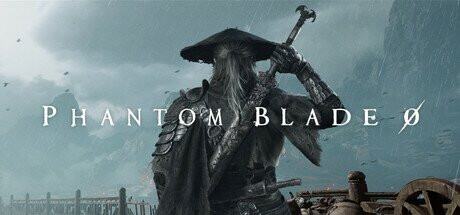
- Seamless, highly immersive combat system
- Powerful hit feedback driven by audio and haptic design
- Excellent visual clarity amidst flashy action
- Distinctive boss designs with no recycled patterns
- Entirely unique combat experiences provided by each weapon
- Fragmented story progression with weak plot cohesion
- Lack of explanations for specialized terminology
- Inability to remap certain button controls
Review platform: PS5 (Review Build)