Blizzard opened the doors on the World of Warcraft: Forever beta on 17 September, and for the first few hours the doors did not stay open.
The pitch, per Blizzard's announcement, is a reimagined original Azeroth where "familiar roads lead to new discoveries" and the world is built to keep growing. For a community that has spent the better part of seven years asking for some version of Classic+, that sentence carries a lot of weight. The beta is the first time anyone outside Blizzard has been able to check the work.
Week one of the test is deliberately narrow. The level cap sits at 20 and will be raised to 30 later in the test. Players get the new Skyborne race and their home zone, Zephras Isle, plus two new dungeons: Hall of Thanes, tuned for levels 13 to 18, and Ruins of Lordaeron for 15 to 20. Everything else in the leveling game up to 20 is open. More zones, more dungeons and a new battleground are slated to unlock as the test runs, and Blizzard has promised a "Server Slam" window at some point where the servers open to anyone who wants in. Testing runs through 21 October.
Access came from two directions: opt-in invitations rolling out over the course of the test, and the Forever digital bundles, the Skyborne Epic Pack and the limited-time Warcraft Forever Collection, both of which include beta access. Blizzard warned buyers to expect "minimal delays of up to 30 minutes" and possibly a launcher restart before their license showed up.
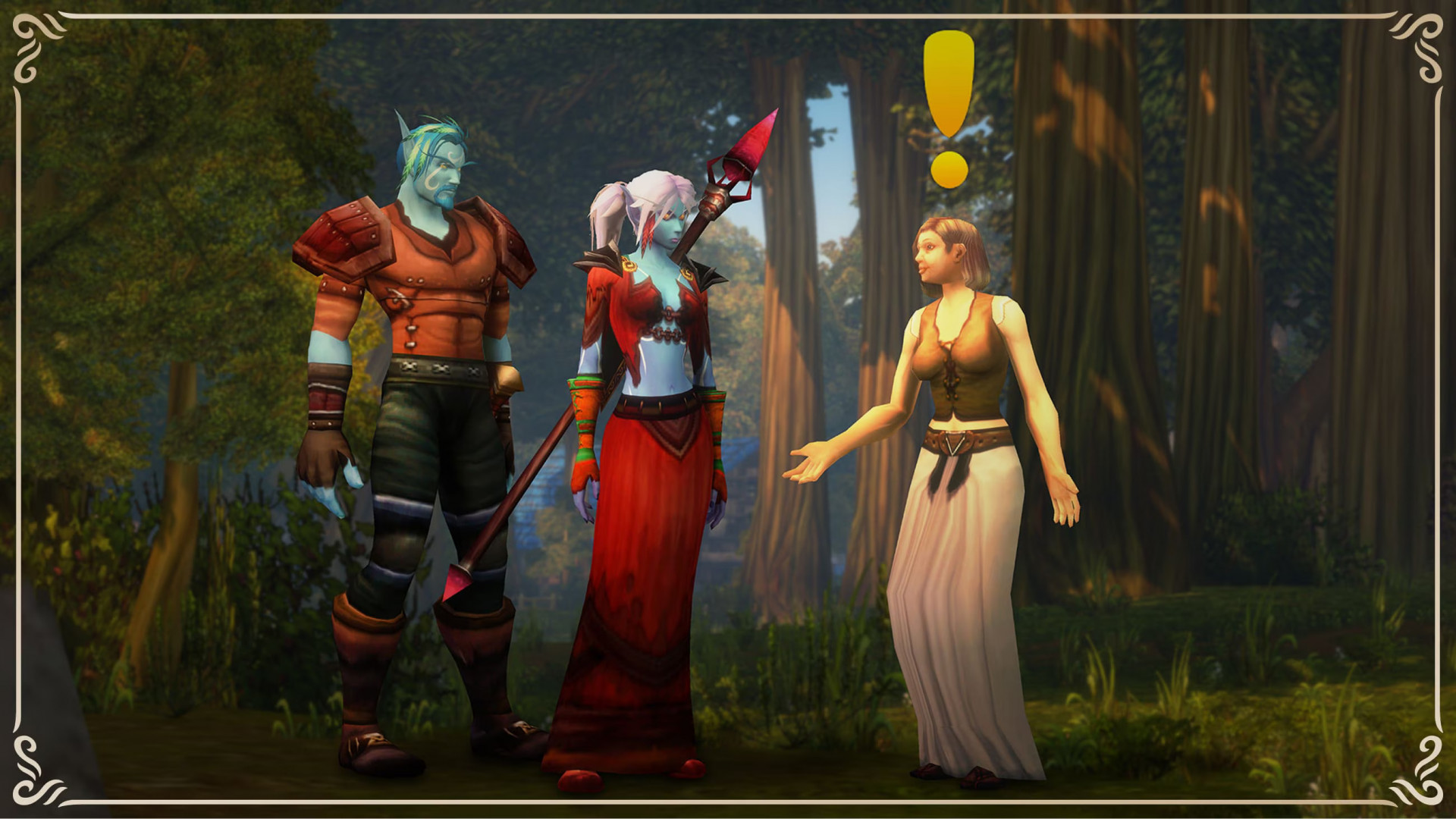
The first sign of trouble was the queue. Then the queue stopped being the problem, because players who cleared it got disconnected anyway. Blizzard's official WoW account acknowledged these troubles, stating: "We're working through some final issues, and we expect the doors to open soon. Thank you for your patience!"
Tom Ellis, who works on the Classic team, posted a full breakdown at 6:00 PM on the 17th. He opened by answering what he called the most common question he'd seen, which he paraphrased as: this game is 20 years old, how do you still suck at this?
His answer starts with the environment itself. "This is our BETA PTR environment stack, it's not a Production stack by a long, long, long, long, long, long shot," Ellis wrote, noting that WoW betas historically don't move the needle much, so the hardware behind them was never built to. The test environment runs on a single regional realm.
That turned out to be the root of the disconnect problem, and it took roughly half an hour to find because nothing looked wrong. CPU and memory across Blizzard's services were fine. "Bored even," in Ellis's words. The Battle.net Game Service team checked their side and found the same thing. Engineers eventually traced it to a metering system that protects BGS from collapsing under extreme load. The beta's small regional setup, running two connections while funneling an enormous number of logins through them, was distorting the math that system uses to decide when it's in trouble. Scaling from two connections to eight fixed it instantly. Ellis noted it was the first time anyone had seen the metering trip without an obvious CPU problem alongside it, and added the line that got passed around most: "20 years, always something new."
Next came the sluggish looting and quest accepts, which traced back to the PTR database struggling with queries. Oracle engineers ran a manual analyze across the tables and set up automated jobs to keep doing it, since new tables and heavy insert volume on existing ones had left the query planner working from stale assumptions. Performance cleared up immediately. Ellis, for the DBAs reading: "yes we say analyze because we're old, we know its DBMS_STATS."
The restart a few hours later was the last of it. The WORLD pools running the actual game simulation were burning CPU and running low on memory, and the first VMs were getting picked off by the OOM killer, threatening to take the hypervisor down with them. Classic engineers found the cause: empty maps weren't being shut down properly, so the servers were steadily eating their own resources. A fix cleared QA but needed restarts to take effect, so Blizzard kicked everyone off, added extra WORLDs as insurance, and gave the regional service a second instance for company.
After that, by Ellis's account, the night was quiet. "Marked live once again and you all poured in without fuss," he wrote, describing the state of things as incredibly smooth for the opening hours of a public beta.
The technical rough patch was a one-night story. The reception has been something else.
Tim "Esfand" Esfandiari, one of the most visible figures in the Classic scene, posted his first real verdict the following morning. "While I understand it might not be PERFECT for everyone... I'm not gonna lie," he wrote. "I feel like after 1 day of Classic Plus finally being here, Blizzard may have cooked big time on WoW Forever." He rated the starting experience at least a 9/10 on a single character, flagging some tuning issues and a few minor design decisions, and said it otherwise "feels REALLY good."
Content creator Peyton Tettleton, writing the night the beta opened, framed the reaction itself as the story: "The fact that the Forever Beta is getting so much positive feedback is unreal. I'm not sure I've seen a beta this well received." He also admitted he's rationing his own playtime, since he missed Classic in 2019 and wants to see everything fresh at launch. "The FOMO is real though."
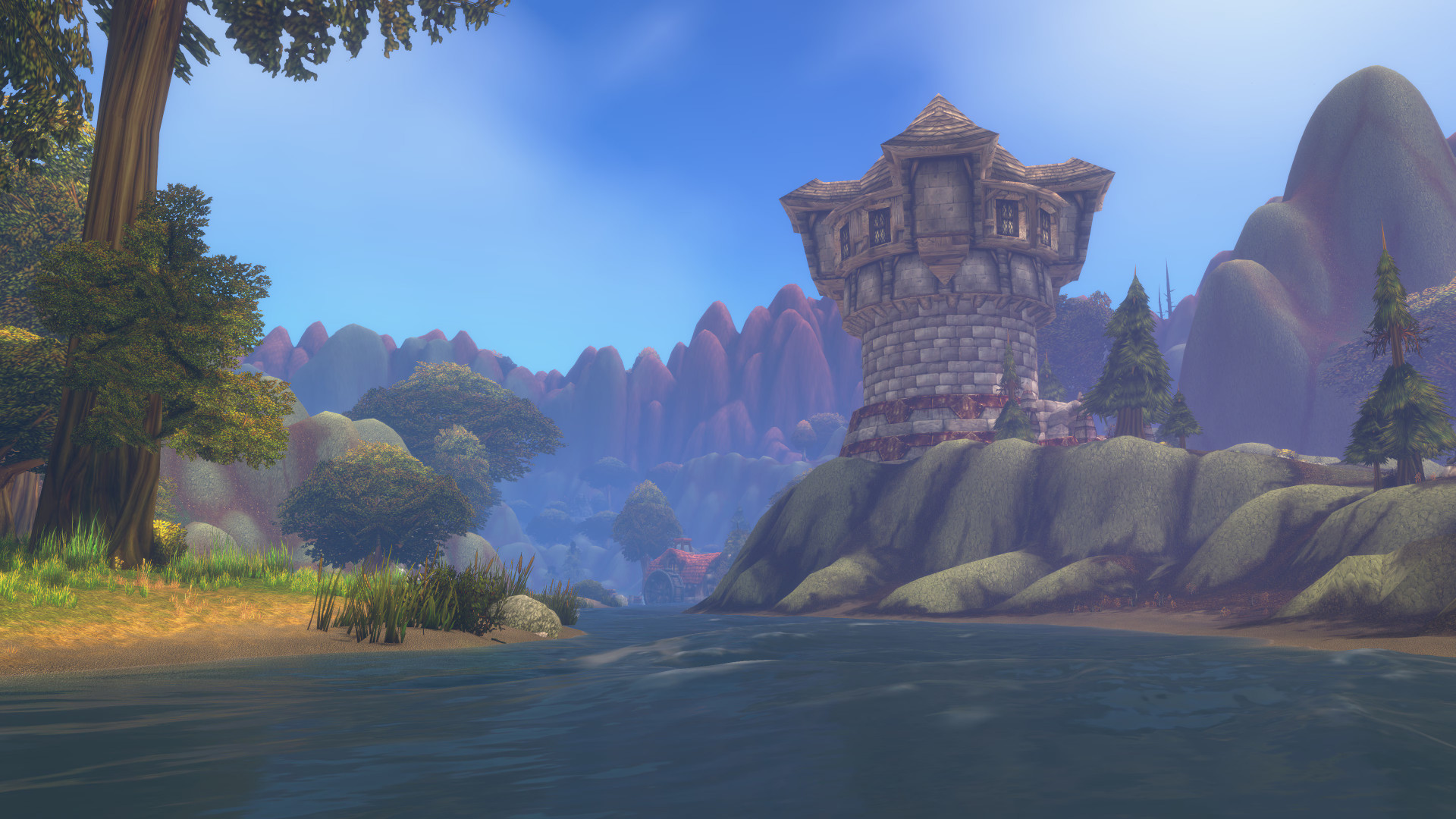
The cap moves to 30 later in the test, with additional zones, dungeons and the new battleground opening on a rolling basis. The Server Slam window is still undated. Blizzard has said it'll share more as the test period continues, and the beta closes on 21 October as the team moves into final launch preparations.
One night of infrastructure pain bought Blizzard a remarkably good week. Whether the goodwill survives contact with level 40 is the next question.