In March 2026, NVIDIA released another video alongside the reveal of DLSS 4.5. It was DLSS 5, which performs rendering based on neural models. Regardless, as DLSS is indeed the most impressive upscaling technology available today, expectations for DLSS 5 were undoubtedly high.
As an upgrade that changed the main version number rather than a 0.5 mid-cycle update, many expected it to deliver a major shift. The video played, and... well, a shift it was. The issue was that, contrary to NVIDIA's expectations, reaction turned negative.
The revealed footage shocked gamers. To an audience already weary of AI slop, it displayed rendering reminiscent of that very trend. In particular, the altered face of Grace, the protagonist of Resident Evil: Requiem, fueled anxieties that using DLSS 5 might artificially transform game modeling into AI-like models.
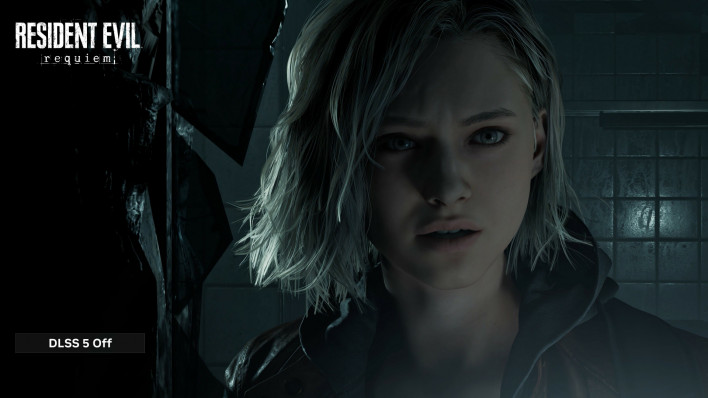
As negative reactions regarding DLSS 5 persisted, NVIDIA dismissed concerns, stating, "The video was created arbitrarily to demonstrate DLSS 5. Because developers can fine-tune details like intensity, color grading, and masking, they will be able to present a look appropriate for their game."
The release of DLSS 5 was scheduled for fall 2026, leaving gamers with no choice but to wait while looking at the few references NVIDIA revealed in 'Resident Evil: Requiem', 'EA SPORTS FC', 'Starfield', and 'Hogwarts Legacy'.
However, things changed with the release of NBA 2K27. DLSS 5 came pre-equipped in 2K27. With official support from NVIDIA, we had the opportunity to hands-on test DLSS 5.
⚠ Currently, NBA 2K27 is the only game that officially supports DLSS 5.

Truly "Overwhelming" in Perfectly Matched Games Elements transforming near photorealism prompt exclamations of "This really is the next step!"
To state the conclusion first, contrary to expectations, DLSS 5 delivers truly overwhelming visuals in a game that fits it perfectly.
Any gamer has probably wondered, 'When will CG- or photorealistic graphics arrive?' After 2020, game engines underwent another iteration of upgrades and showed signs of closing that gap, and in terms of scenery, it is true they have gotten quite close. For things like rocks or oceans, a well-taken screenshot can already be easily mistaken for reality.
However, because players themselves are human and interact with people every day, character models—where limitations in detail are starkly apparent—and lighting and shadows—which require heavy development costs—remained hurdles to overcome. While that progress was expected to take a long time, the arrival of DLSS 5 shifted the landscape in an instant.
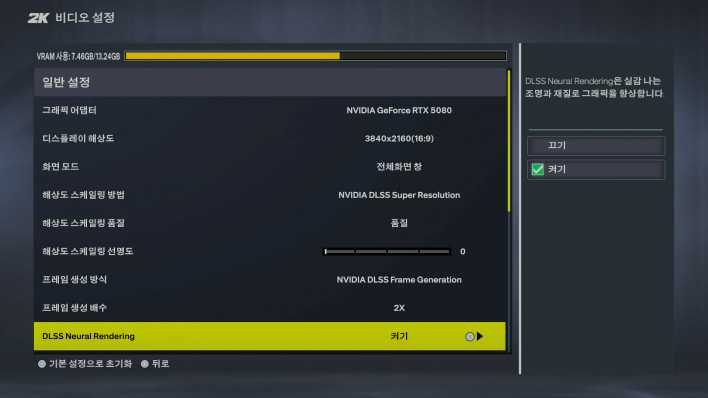
Turning on DLSS 5 Neural Rendering not only elevates rendering quality to match character faces, but also naturally generates lighting and shadows to complement them. By replacing two areas that require significant cost for developers with AI computation, simply turning on DLSS 5 allows them to reinforce these aspects.




Why Controversy Arose, and How to Use It Properly It must be carefully adjusted to match the atmosphere of the title.
DLSS 5 clearly demonstrates performance worthy of being called "next-gen." But why did such a promising technology face controversy upon its initial reveal, and what areas require special attention when implementing DLSS 5?
Looking at the main difference between the initial reveal and the deep dive, the first reveal focused on the "photorealistic quality" of neural rendering rather than taking game art direction into account. This created a sense of dissonance and invited negative backlash. On the other hand, the latest demonstration showcased DLSS 5's step-by-step adjustable tones and levels and its synergy when paired with photorealistic graphics, winning over gamers to an extent.
Ultimately, as NVIDIA mentioned in its deep dive video, the key lies in "tone and level." DLSS 5 is projected to lean toward either "AI slop feel" or "next-gen graphics" depending on how well developers understand their game's art direction and how carefully they work with it. For example, if character designs fail to create synergy with neural photorealism, developers may need to opt for applying it only to backgrounds.
Aiming to Be a Future Game Changer Expected to feel like a preview on RTX 50-series, with true potential realized afterward
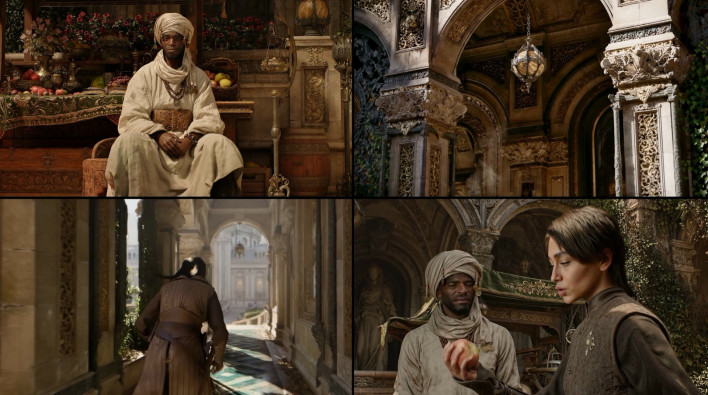
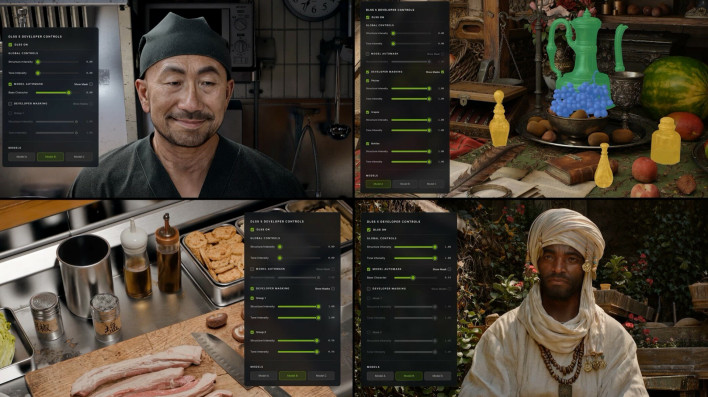
According to official announcements by NVIDIA, using DLSS 5 can impact game performance by up to 60%. For example, a game running at 100 FPS could drop to 40 FPS the moment DLSS 5 is enabled. In fact, at this stage, even when using an RTX 5080, it felt significantly heavy to run. Toggling FG was necessary to make it playable, and for now, using it on the RTX 50-series effectively requires frame acceleration as a prerequisite.
Despite being a demanding technology, DLSS 5 is unquestionably a next-gen technology, and optimization together with finesse appear essential for its widespread adoption. Amid these physical limitations, developers will need to consider two main questions: first, how to showcase DLSS 5 to the public on the RTX 50-series, and second, how to adjust the sliders to fit their own game.
In conclusion, once it undergoes a transition period on the RTX 50-series, DLSS 5 will likely become another game changer in conjunction with the launch of the RTX 60-series.