Insomniac Games—a developer now firmly established in the "must-buy" tier after joining PlayStation's first-party lineup with the Marvel's Spider-Man series—has returned with its latest title, Marvel's Wolverine.
First revealed during the 2021 PlayStation Showcase, Marvel's Wolverine sent shockwaves of excitement through the gaming community. From being the next project by Insomniac Games—who hit back-to-back home runs with the Marvel's Spider-Man series—to Logan's cynical attitude as he unsheathed his claws, and visuals that spoke for themselves, the brief teaser was more than enough to captivate players.
After years of silence, Marvel's Wolverine finally lifted its veil in 2025 with a gameplay trailer. The result was fantastic. With a look that seemed ripped straight from the comic pages and gory action where Logan slashes through enemies with his claws, it was precisely the Logan players had been begging for.
Yet despite driving expectations sky-high, my hands-on impressions of Marvel's Wolverine left a strangely mixed feeling. The visuals are faultless, and the action is undeniably fierce. The first impression wasn't bad either. But as I kept playing, something felt off. It is clearly a well-crafted game, but remarkably uninspired. It felt like it failed to deliver on the high anticipation surrounding it. Because expectations were so massive, this blandness felt even stranger. What exactly happened to the latest game from Insomniac Games, a studio that has always been Sony's most reliable troubleshooter?

Up-Close, High-Density Action
Before discussing the combat system in Marvel's Wolverine, let us look back for a moment at Insomniac Games' previous work, the Marvel's Spider-Man series.
Spider-Man was free. When traversing the city, players could web-swing effortlessly through concrete jungles as if it were their backyards. That sense of freedom translated directly into combat. Although core combat centered on close-quarters punching, players often fought at a distance or fought entirely off the ground. The Vulture boss battle, for instance, was essentially an aerial fight.
Then there was the camera angle designed around Spider-Man's acrobatic fighting style, keeping a generous distance between character and camera so players could assess the entire battle at a glance.
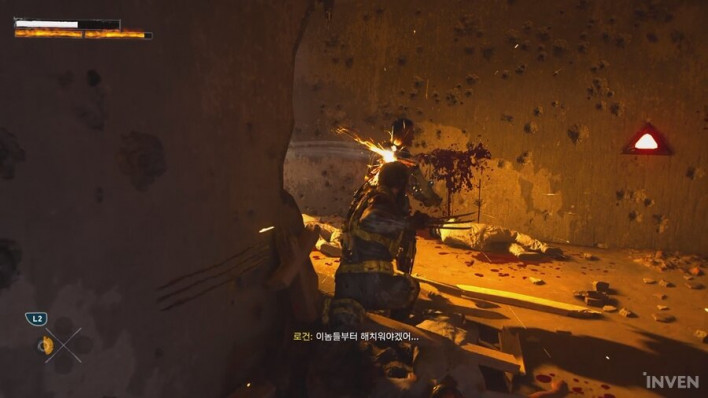
Consequently, starting Marvel's Wolverine can feel somewhat jarring at first. Compared to Spider-Man, movement is heavily restricted. While Logan showcases superhuman mutant abilities—such as pouncing dozens of meters toward enemies or driving his claws into walls to climb—that is where it stops. Compared to Spider-Man, who freely traverses land and sky, Logan remains fundamentally grounded.
The same goes for combat. Unlike Spider-Man, who deployed acrobatic moves, air combos, and a variety of skills powered by web-shooters, Logan's only weapons are the claws on his hands. Naturally, combat revolves around melee attacks. Although leveling up unlocks various abilities, the fundamental structure of combat remains largely unchanged.
You are given options ranging from single-target skills to area-of-effect attacks against crowd groups, but everything stays bound within the framework of melee combat. Since available movement and combat options are limited compared to Spider-Man, this design can feel somewhat restrictive at first.

The camera framing heightens this feeling. Marvel's Wolverine positions its camera exceptionally close to the character compared to other action games. In certain cinematic or combat scenarios, it sits almost flush against Logan's back. While it looks stifling at first glance, that claustrophobia translates into gameplay. When surrounded by hordes of enemies, restricted vision makes it difficult to read the battlefield at a glance.
However, once you realize that this melee-focused combat and tight framing—this very "claustrophobia"—is an intentional design choice rather than an inconvenience, the experience changes drastically. The most noticeable shift is in immersion.
It has been said that the farther the camera pulls back from a character, the weaker the player's immersion becomes. This is why many horror games pull the camera tight: proximity deepens immersion. At the extreme end, first-person perspective delivers raw, visceral terror.


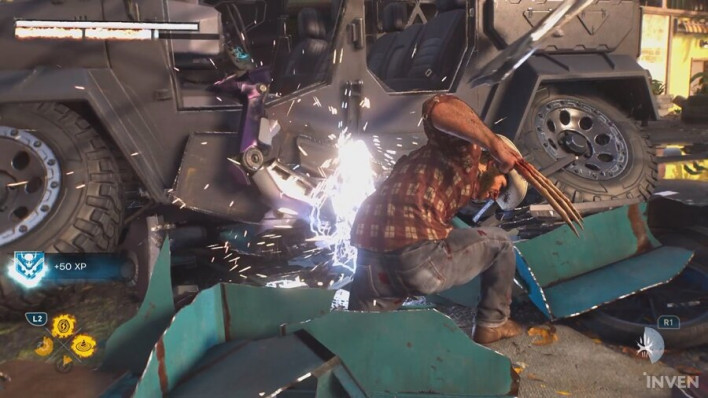
This explains why Marvel's Wolverine anchors its combat around melee engagements and tightens the camera distance: to immerse the player into Logan as deeply as possible. From that perspective, both the combat system and camera pull their weight. Above all, watching bloody claw-slashing and tearing up close provides immense catharsis.
Because every movement unfolds right in front of your eyes, the impact and weight of each blow land with raw force. At times, Logan's rage in battle feels palpable. By keeping the camera much closer than in Spider-Man, the game goes beyond letting you control Logan—it makes you feel like you are fighting as him.
Of course, this does not erase the drawbacks. Even if intentional, the cramped feel remains frustrating. Parrying and dodging incoming melee and ranged attacks from all directions while trying to tear enemies apart is easier said than done.

Furthermore, Logan is not invincible. While lore endows him with a near-immortal healing factor, that is strictly narrative lore. In gameplay, he can certainly die, and hits interrupt his attack animations. One misstep can lead to getting caught in enemy combos and killed, making certain combat encounters genuinely frustrating. Regardless of how players choose to view it, inconvenience remains inconvenience.
Aside from this, another disappointment is that the combat loop stays largely identical from early-game to late-game.
Combat delivers a heavy impact upon initial impression. With various tactical responses available against enemy attacks, the game is not just mindless claw-mashing. Parrying melee attacks opens up vulnerabilities for devastating blows. Kicks break enemy guards and can knock foes off cliffs or into environmental hazards. Ranged attacks require dodges rather than guards, offering a varied tactical toolset.

The problem is that this structure remains practically unchanged throughout the entire campaign. As you progress through the story and level up, new skills unlock—ranging from simple button-activated abilities to command-input techniques. While acquiring new skills is satisfying, the actual shift in combat feels minimal. The core loop never evolves, and newly unlocked skills rarely offer compelling reasons for active use or shake up the core gameplay.
This is why the initial thrill fails to carry through to the endgame. Rather than expanding into new experiences, the intensity felt during early battles devolves into repeating familiar patterns. The longer you play, the more Logan's once-satisfying combat grows repetitive.
Decent Staging, Flat Narrative and Content
If combat and camera framing produced mixed results, the narrative and content—the drivers that keep players engaged—were frankly disappointing rather than merely regrettable.
That is not to say everything was terrible. Cinematic presentation was generally satisfying. Outstanding voice acting combined with solid scene direction succeeded in drawing players into the world.
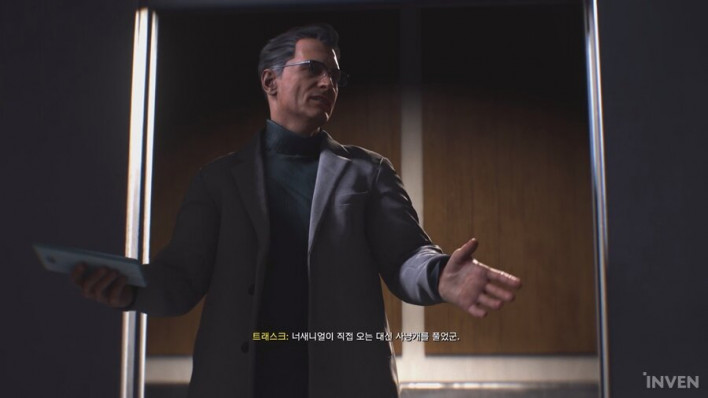
A prime example is Nathaniel, better known to Marvel Comics fans as Mister Sinister. However, the Nathaniel portrayed in the game differs considerably from his iconic comic villain persona. Early on, he appears devoted to mutants much like Professor X—an intriguing depiction considering Mister Sinister's comic roots.
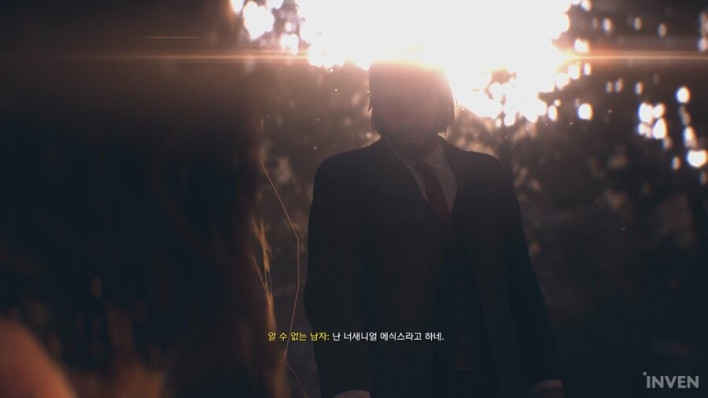
The early scene where he saves Logan—who has lost his memories and reverted to a near-feral state—is particularly memorable. With sunlight streaming behind him like a halo, Nathaniel briefly cuts the figure of a mutant savior.
Yet this framing does not last long. During his rescue, Nathaniel's skin pales and his eyes flush red. Though he continues acting in service of mutantkind, his physical transformation naturally alters how he is perceived—shifting his image from savior to avenger in an instant.
The pity is that the impressive elements end with presentation. While slick direction is a plus, cinematic flair alone cannot compensate for a weak storyline. It can dress up a narrative, but it cannot create substance out of thin air.
This was the most disappointing aspect of Marvel's Wolverine. Narrative-wise, there was plenty of rich material. The core tension between humans and mutants—a classic X-Men trope—remains compelling despite frequent use. Beyond human-mutant hostility, the story could have explored internal mutant friction between assimilationists and isolationists.
Moreover, the story could have subverted the victim dynamic by examining why ordinary humans feel driven to oppress mutants, offering a fresh perspective on the conflict.
Add to this the inclusion of classic comic and film villains like Sabretooth, Mystique, and Mister Sinister as allies. Conceptually, Marvel's Wolverine possessed every ingredient to build high anticipation for its narrative trajectory.
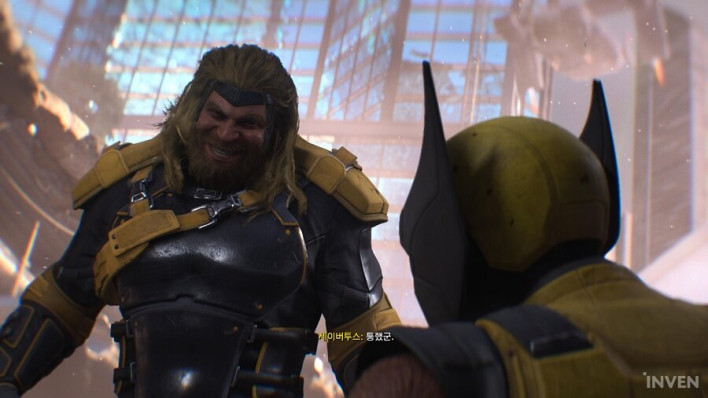
Contrary to these hopes, the story of Marvel's Wolverine unfolds in a surprisingly flat manner. To avoid major spoilers I will omit specifics, but the narrative is decidedly one-dimensional. Between human-mutant hostility, friction among Team X members, and conflicting philosophies of justice, there was ample ground to deliver a nuanced tale.
The problem lies in how simplistic the execution is. Despite possessing thematic elements capable of enriching the story and pulling players into the characters' struggles, the game fails to capitalize on them. The narrative follows a predictable trajectory, leaving the potential of its characters and rivalries unfulfilled.
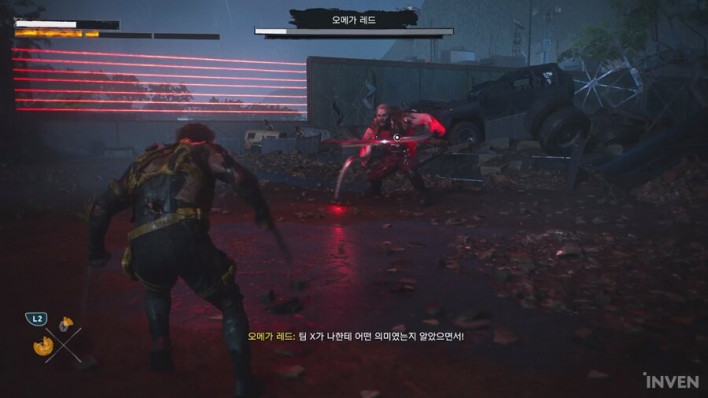
Worse yet, alongside predictable storytelling, character motivations are hard to swallow and dialogue delivery suffers. Beyond simplistic lines, major dialogue occurs right in the middle of frantic battle. Trying to absorb rapid-fire banter while tearing enemies apart is overwhelming.
This issue reaches its peak when examining why characters come to blows. Following their reasoning leaves you thinking "That's it?" or simply "What?" Character conflicts had immense potential to deepen the narrative, but unconvincing motivations undermine player connection to the cast.
As a result, the mission-based linear structure loses its appeal. Compared to open-world titles, the primary strength of a linear campaign lies in tight storytelling, keeping players focused on a directed narrative. However, with flat storytelling, even the inherent advantages of a linear structure fall flat.
Side content meant to enrich gameplay is similarly barebones. Beyond following the main story and clearing combat encounters, there is little else to do in Marvel's Wolverine. Collectibles are limited to whisky bottles hidden across environments and material crates used for suit unlocks, neither of which offers compelling incentive to explore. While progression-tied challenge content like "Nightmare Trials" exists, it consists merely of running through short 1–2 minute stages toward exits or clearing waves of enemies.
Granted, given its linear mission structure, some lack of side quests and open-world distractions is expected. It is not designed for open exploration or varied side activities.

In that sense, having more boss encounters could have compensated. Given the linear design and Logan's relentless slaughter of obstacles in his path, a diverse roster of enemies and bosses would have elevated the combat experience and softened these shortcomings.
Yet boss fights are equally lacking. Dedicated boss encounters with standalone health bars occur only three or four times. Consequently, the game fails to fully capitalize on action—its primary selling point.
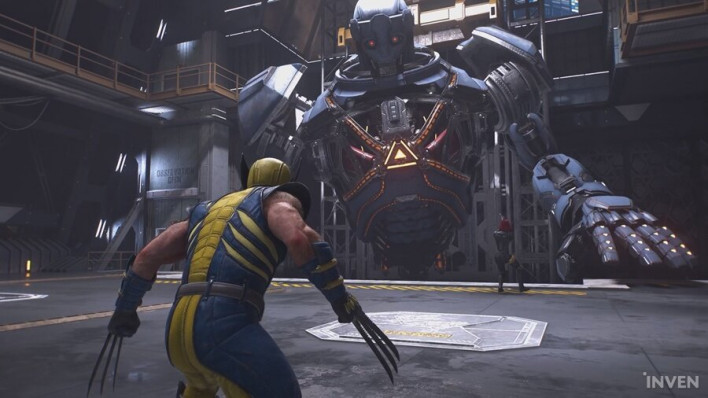
A Good Game That Falls Short of Greatness
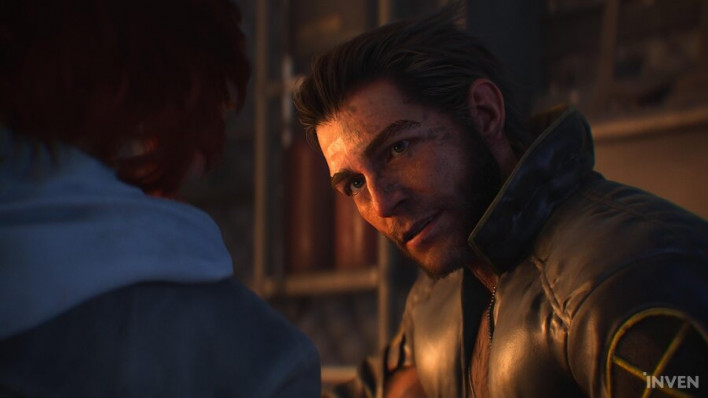
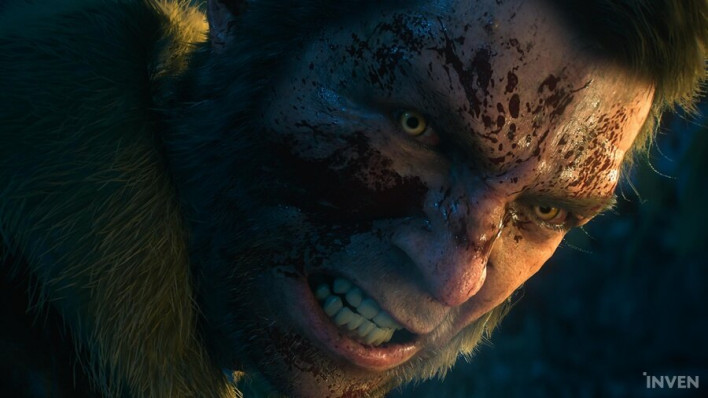
To summarize Marvel's Wolverine in a single sentence: it is a solid title that falls short of monumental expectations. The visuals, presentation, and character designs are undeniably well-made. Granted, Logan's wide deer-like eyes and prominent hair and sideburns give him a somewhat simian appearance at times, but that is largely a matter of personal taste. Certain alternate costumes with different hairstyles look quite stylish.
The issue lies in what follows. From camera angles to combat systems and linear structure, the game aims to deliver peak action catharsis, yet that vision fails to land with maximum impact in practice. The first few hours of wild action are engrossing, but familiarity sets in quickly. Rather than adding depth to combat, gameplay merely expands horizontally.
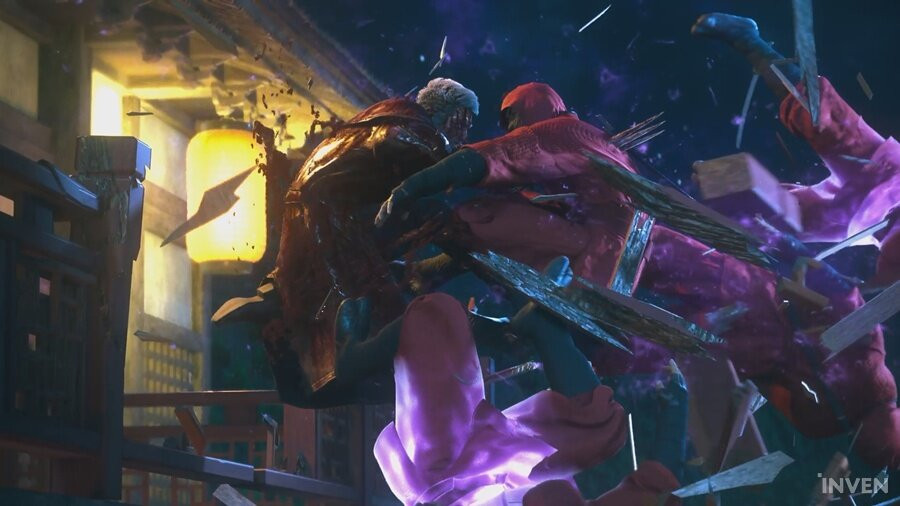
Still, one thing is certain: tactile combat feel and fiery presentation shine through. That is why my assessment feels critical. It missed sky-high expectations, not that it is an unmitigated disaster. It is genuinely enjoyable and well-polished; yet precisely because expectations were so astronomical, the disappointment lingers.
Ultimately, Marvel's Wolverine fails to transcend expectations. That does not diminish its overall polish—there are many well-crafted elements and plenty of fun moments throughout. But considering the hype generated leading up to launch, the lasting impression is that it stops short at being merely "a well-made game."
A pretty decent action game.
And nothing more.