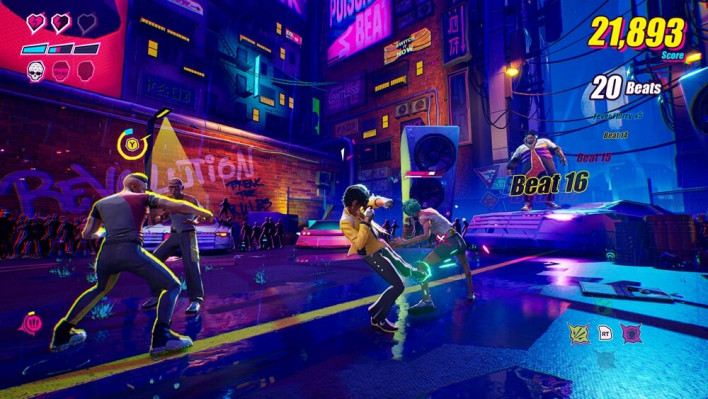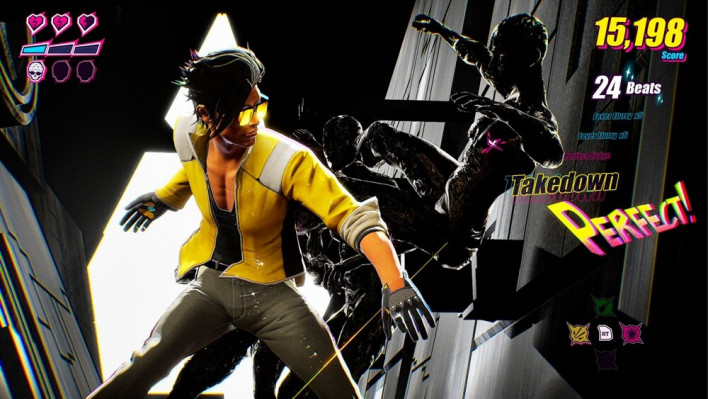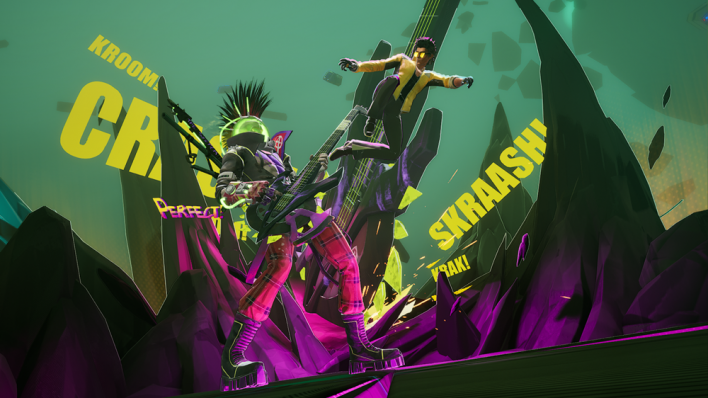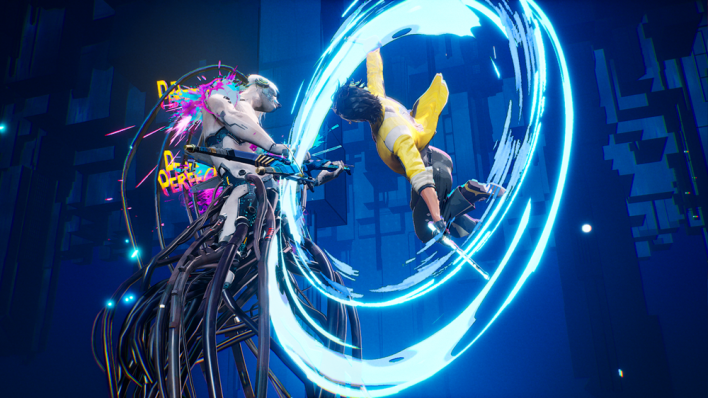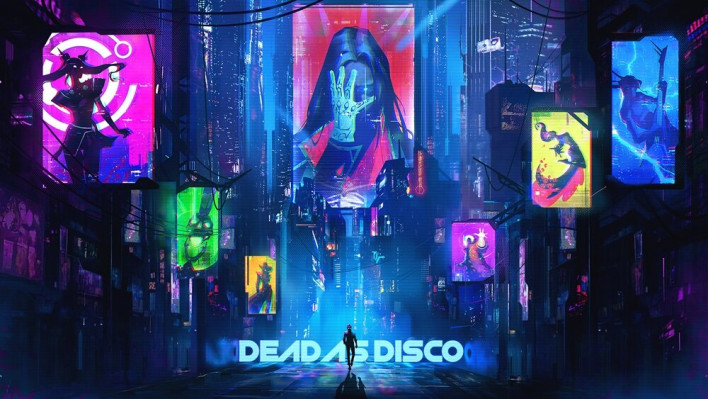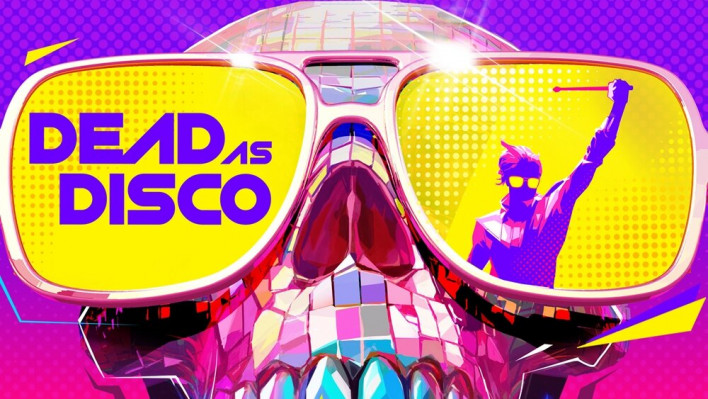
The combination of music and action always gets gamers' blood pumping. However, Brain Jar Games' 'Dead as Disco' goes beyond a simple rhythm game where you press buttons to a set beat. This is thanks to its 'My Music' feature, which allows players to import any song in their music library into the game with a single button and convert it into perfect combat choreography (a beatmap). Metrics like 1.4 million demo players and surpassing 500,000 Early Access sales prove just how successfully this unconventional system has captured players' hearts.
Armed with an original idea, the game started from a fun, intuitive concept: "Bruce Lee brawling to TikTok beats." From calm ballads to hardcore rock exceeding 200 BPM, and even the global kids' sing-along song "Baby Shark," no matter what track you load, the game engine seamlessly synchronizes enemies' attack tempo and combat action. It perfectly fulfills everyone's dream of becoming an action movie protagonist with their own dedicated soundtrack.
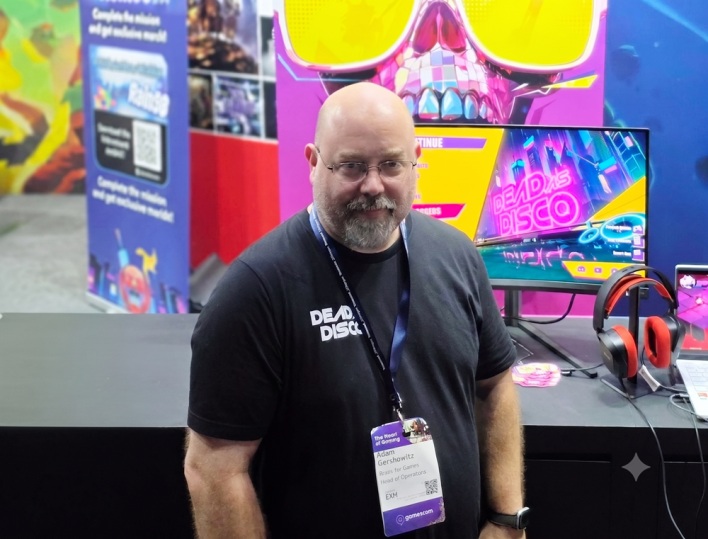
At this year's gamescom booth, we met Adam Gershowitz, COO of Brain Jar Games, who was brimming with passion for music and action. We had an in-depth conversation covering everything from the secrets behind the success of this incredible rhythm action game—crafted over two and a half years by 35 veteran developers spread across the globe—to its technical background and a special tribute to Korean gamers.
Q. Playing the game firsthand, the thrill of performing action to the beat was incredible. How did you come up with the concept for such an awesome game?
"This project is a true labor of love. Our team brings together an audio director who is a composer with decades of experience and a bunch of side-scrolling action game enthusiasts. Among several concepts, the idea of "Bruce Lee brawling to TikTok beats" hooked us. Like an action movie star coolly walking away from an explosion, we wanted to give players the experience of being a cool protagonist with their own soundtrack.
Q. The 'My Music' feature, which allows players to upload their own music, is impressive. How were you able to seamlessly sync personal music with different tempos into the combat system?
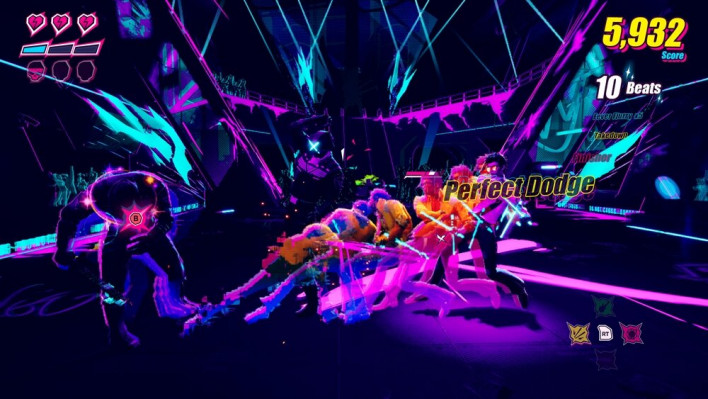
"The game engine analyzes the song's tempo, beat, semitones, and more, automatically generating a beatmap equivalent to a dance's 'choreography.' When a user loads a track, the engine finishes analyzing it within two minutes and calculates the enemies' attack tempo. Whether it's a fast, crazy song at 200 beats per minute (BPM) or a slow 90 BPM track, it scales and handles it on its own. Later on, we also plan to provide detailed tools that let you match action specifically to vocals, drum lines, or specific instrument sounds.
Q. Seeing 'Baby Shark' in the Midsummer update trailer was surprising and hilarious. Was there a specific reason you chose this song?
"We wanted to intuitively show that our 'My Music' feature "can handle any music." While worrying that rock or rap might just look like traditional background music, our video editor, Yosh, brought us a version of Baby Shark from an indie label. There was no track more perfect. Since the original song is in the public domain, we're seriously considering adding a version later where Hemlock, an in-game character, sings Baby Shark himself.
Q. If so, are there any 'dream artists' or music IPs you would love to collaborate with in the future?
"Classic disco hits like 'Saturday Night Fever' are a given, and I'd also love to work with the rapper 'bbno$'. If it were up to me, I'd put every musician in the world into the game. Interestingly, players imported K-pop songs by BTS into the game, and even though it's a disco game, it unexpectedly fit incredibly well, which surprised us too. Thanks to the success of Early Access, many doors for collaborations are opening, so we have high expectations.
Q. Regarding control methods, which do you recommend more: a controller (gamepad) or a mouse and keyboard?
"While both are fully optimized, we recommend a 'controller' a bit more for the majority of players. Just as side-scrolling action or fighting games in old-school arcades were all joystick-based, it allows you to feel the game's unique rhythm in the most instinctive and natural way. As a side note, playing with an arcade stick is also really fun.
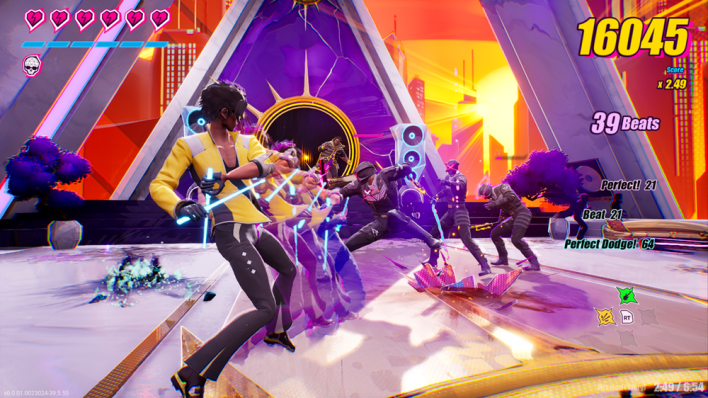
Q. You've set impressive milestones with 1.4 million demo players and 500,000 Early Access sales. The game also holds an 'Overwhelmingly Positive' rating on Steam. Did you expect such an explosive response?
"Since writing the first line of code in early 2024, our 35 developers have been running full steam for two and a half years, simply hoping for the best, so I wouldn't want to arrogantly claim we predicted it. From early development, we constantly asked players four questions: 'Is it fun?', 'Would you recommend it to a friend?', 'What did you like?', and 'What should we improve?' We only moved on to the next phase if the fun score reached 9 or 10. I think our philosophy of not releasing until players truly find it fun paid off.
Q. You have numerous communities, including a Discord channel with over 90,000 members. Which player feedback was most memorable or significantly influenced your development direction?
"The most frequent question is definitely, "When is it coming to Nintendo Switch 2 or consoles?" In-game feedback varies depending on player preference. There are 'UGC (user-generated content) players' who create their own outfits or maps, and 'mechanics-focused players' who want leaderboards, hardcore modes, and tighter timing windows. The 'automated music analysis' feature added this time was a great middle ground that both player groups had wanted for a long time.
There was also completely unexpected feedback. Right after the demo launched, seeing so many players enjoying 'Vocaloid' music like Hatsune Miku, we personally recruited a Japanese composer specializing in Vocaloid to create a dedicated song called 'Nico Nico, Let's go.' Additionally, player reaction to the boss (Idol) entrance cutscene animations was so explosive that we decided to significantly increase our budget to create more animated cutscenes.
Q. What is the current size of the development team, and what is your target window for the official 1.0 release?
"Brain Jar Games is a remote-working team of 35 people spread across the globe, holding in-person workshops twice a year. Since writing the first line of code in early 2024, we've been sprinting non-stop for two and a half years.
We want to move toward the official 1.0 release as quickly as possible, but it definitely won't be 'within this year.' That's because we need to secure enough content volume to satisfy players' hunger for content first. Instead, substantial and fantastic patches will be released steadily within this year for existing Early Access players. We also hope to share good news regarding future console ports soon.
Q. Finally, do you have a message for Korean gamers?
"The Korean music scene (such as K-pop) holds a very special and important place in the hearts of our development team. For the theme song of the in-game boss 'Aurora,' we brought in a singer who was actually a former K-pop idol trainee to record vocals, infusing it with authenticity. Moving forward, we plan to collaborate with various labels to secure 'true local music' from various regions, including Korea.
We also know well that Korean players favor 'high-skill rhythm games' where they can flex their overwhelming mechanical skill. We plan to steadily add challenging and refined content for high-skill players, such as a hardcore mode where off-timing causes attacks to miss entirely, so we ask for Korean players' continued interest and sharp feedback.