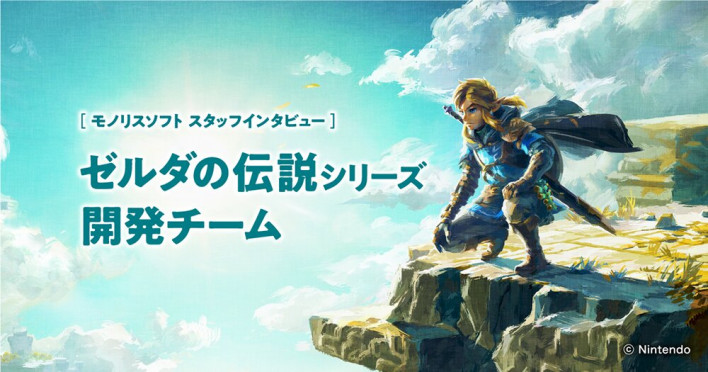
Monolith Soft, a long-time collaborator on The Legend of Zelda series, has launched a special website introducing the development team behind the franchise.
The site features an overview of Monolith Soft's role in developing The Legend of Zelda series, alongside a three-part interview series with developers from various departments.
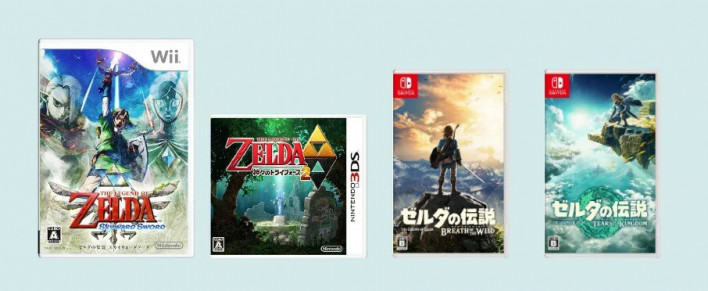
Monolith Soft began its collaboration with the series by providing partial contract development for 'The Legend of Zelda: Skyward Sword,' followed by contributions to 'A Link Between Worlds,' 'Breath of the Wild,' and 'Tears of the Kingdom.' On the special page, the company stated, "As a member of the team that helps build the world of The Legend of Zelda alongside Nintendo, we will continue to develop games that pursue new surprises and excitement."
The special page also provides information on the specific development departments at Monolith Soft that contributed to 'The Legend of Zelda: TEARS OF THE KINGDOM.' These include character art and modeling, programming, animation, game design, landscape art and modeling, VFX design, and cinematic design.
Of these, the character art and modeling, programming, and animation departments are featured in more detailed interviews. Developers who worked on TEARS OF THE KINGDOM shared anecdotes from the development process, discussed Monolith Soft's workflow, and detailed their collaboration with Nintendo.
Character Art/Modeling Department
The first interview released covers the character art and modeling department. The Monolith Soft team was involved from the early stages of TEARS OF THE KINGDOM, working by sketching and sharing their own ideas based on concepts provided by Nintendo's art directors.
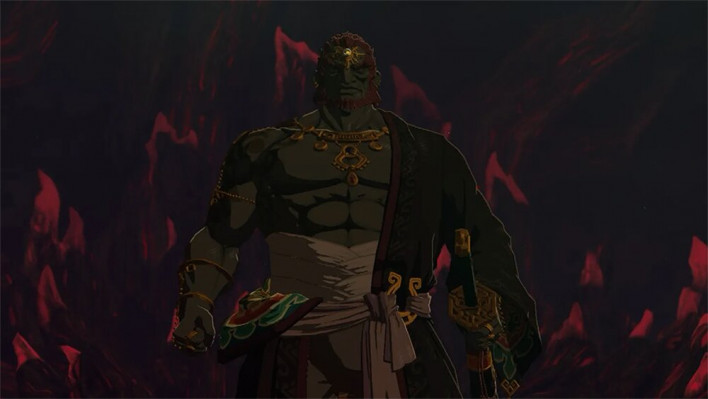
The team also shared stories regarding the Horriblin and Ganondorf. The Horriblin, an enemy that lives in caves, originated from a sketch by a Monolith Soft designer inspired by the 'cave' keyword. It was officially adopted once the cave gameplay mechanics were finalized.
For Ganondorf, the team focused on creating a sense of depth. They put meticulous effort into details like muscle definition and facial shading until the very end, aiming to make the character not just look strong and evil, but also possess a mysterious, compelling charm.
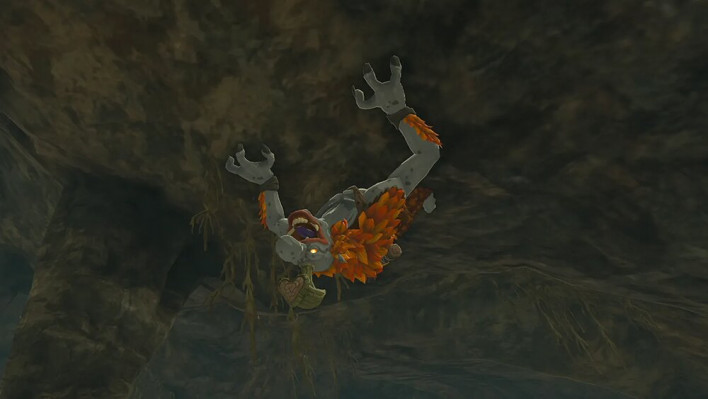
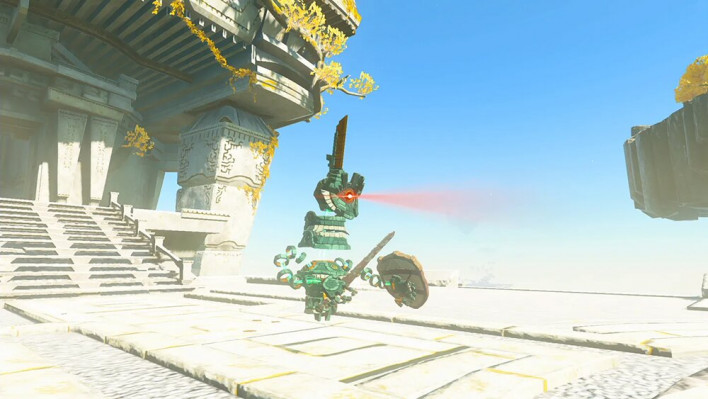
Collaboration with Nintendo was extremely close. To prioritize the player experience, the team went beyond simply creating high-quality 3D models, constantly adjusting how they appeared on the actual game screen. For the Soldier Construct enemies, they designed distinct eyes, horns, and teeth to differentiate them from friendly constructs. The horns, in particular, were modeled to intuitively signal that they could be used as materials later.
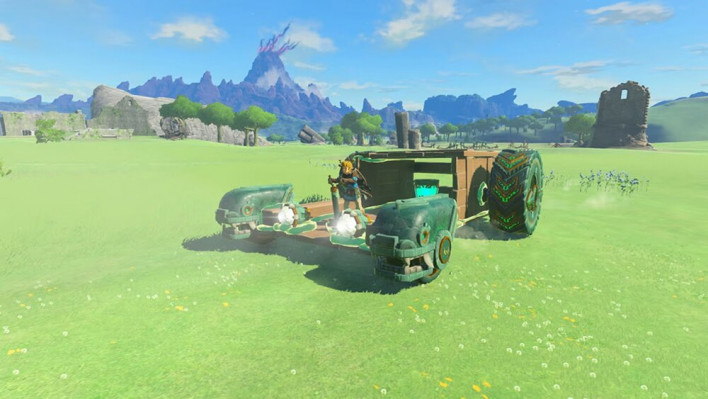
The integration of the Ultrahand (Fuse) system—a core mechanic of TEARS OF THE KINGDOM—was also achieved through collaboration with Nintendo. With over 120,000 possible combinations created by the system, the teams shared tools and established an efficient production pipeline to ensure everything was implemented without errors.
The company also shed light on Monolith Soft's development culture. During the development of TEARS OF THE KINGDOM, communication transcended job titles. Modelers were not limited to just creating models; they were deeply involved from the initial brainstorming phase to the final debugging stages.
Furthermore, hundreds of developers shared project status and policies through weekly large-scale meetings attended by the director. This ensured that every employee shared a common goal: not just completing the game, but 'delivering a fun experience.'
Programming Department
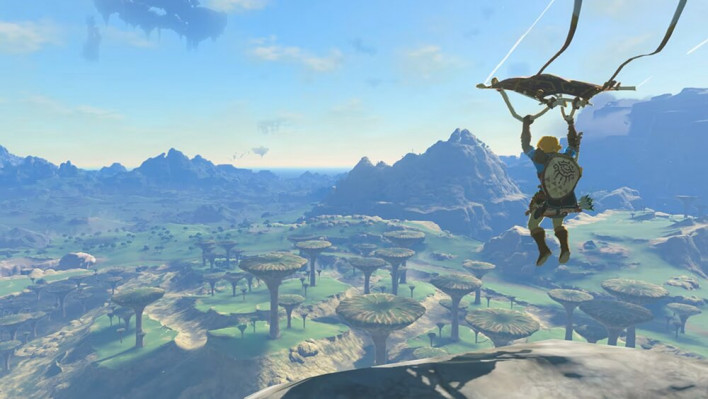
The interview with the programming team for TEARS OF THE KINGDOM reveals how programmers went beyond just writing code to collaborate with Nintendo in implementing fun gameplay.
Monolith Soft programmers participated in much larger numbers than during the development of the Breath of the Wild DLC. Rather than building the game's physics or graphics foundation, they were responsible for implementing actual gameplay and gimmicks on top of the established systems.
Communication during development was truly 'free.' The open atmosphere, where anyone could answer questions posted in the general chat, helped new members adapt quickly. Beyond just maintaining friendly relationships, the team strengthened their teamwork by sharing concrete behavioral guidelines for handling potential conflicts or concerns.
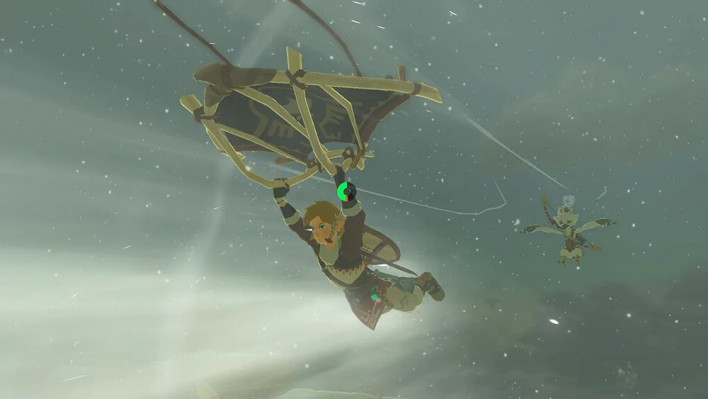
During the implementation of the Sage Tulin, the team engaged in continuous dialogue with Nintendo to balance lifelike movement with gameplay convenience. There were issues where Tulin would not be by the player's side when needed if he flew as freely as a bird, or conversely, would look mechanical like a drone if he stayed too close. They implemented optimal movement by considering all situations to find the right sense of distance.
While making TEARS OF THE KINGDOM, programmers thought about fun before risk. Previously, the reaction might have been that something was impossible due to bug risks, but this time, they focused on how to implement features while maintaining the fun. The programmers persisted to the end to preserve the players' creativity.
They also repeated the process of quickly creating minimal elements and refining them through hands-on play. In this process, they shared information organically with other teams. For example, boss battles are intertwined with many elements like story and items, so the situation changes frequently. By constantly sharing information with other teams, they were able to develop with speed and responsiveness to change.
Animation Department
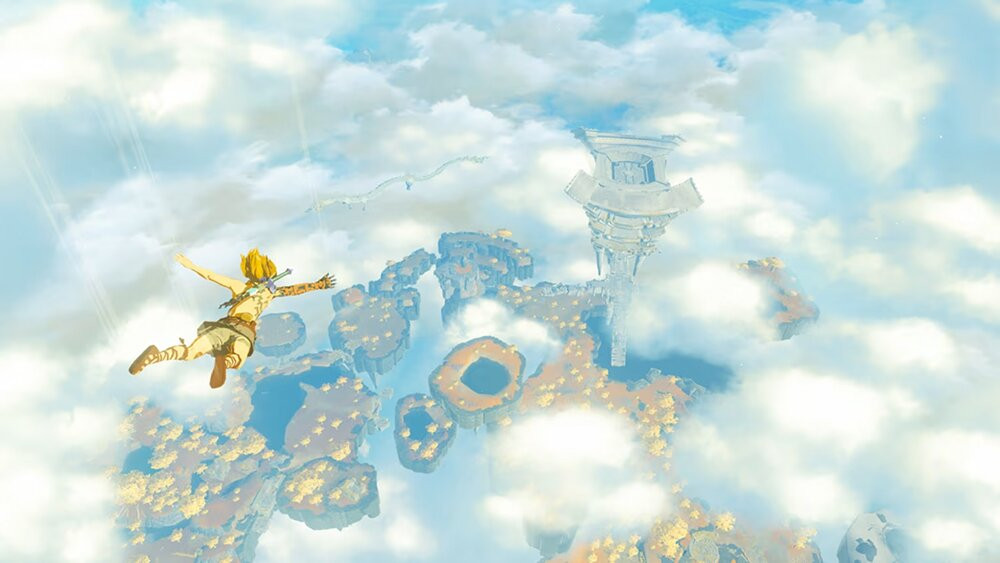
Animators went beyond simply creating movement, becoming deeply involved in planning and systems. To this end, animators participated from the planning stage. While animators often start with data production, for TEARS OF THE KINGDOM, they participated from the early stages to work on idea sketches together.
To convey the theme of Hyrule's restoration, they proposed various ideas and worked with Nintendo to flesh out gimmicks, such as villagers participating in battles against monsters.
Reaction design was prepared with great precision. As a game with high freedom, enemy reactions were crucial. They discussed and decided on minute details, such as expressing different movements when an enemy is set on fire versus electrocuted. The Horriblin was also designed to show reactions suited to its personality for each element.
Significant effort was also put into the details of the troupe's performances. Initially, it was just a short, repeating motion mimicking playing, but the animators suggested making it look like they were actually playing the songs. To achieve this, they created animations for entire songs, and Nintendo even built a dedicated system to ensure the music and movements did not go out of sync when a performance was interrupted and restarted.
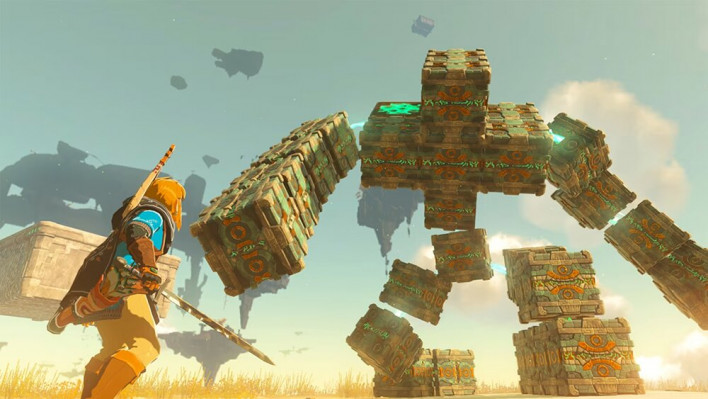
There was also an anecdote from the development of Colgera. As a massive boss, its size was so large that even slight movements exceeded the animation speed limits allowed by the system. To solve this, programmers created a dedicated debug feature that allowed them to check for speed violations in real-time, which helped them complete the work efficiently.
The interview for this department also touched on Monolith Soft's true cross-functional collaboration. Designers, modelers, animators, and effects artists did not step away once their stage was finished; they continued to discuss the work together until the character was complete.
The workplace atmosphere, where anyone could speak up about any concerns, also played a major role in achieving the best results. Animators could request necessary features without hesitation, rather than worrying about burdening the programmers.
Through this interview, Monolith Soft revealed various anecdotes and behind-the-scenes stories from the development of TEARS OF THE KINGDOM. In the process, the development atmosphere and culture were naturally shared. At the same time, the company is currently hiring for various positions, including the departments featured in the interviews.
More detailed information regarding these interviews and recruitment can be found on the Monolith Soft special page.

Sort by:
Comments :0