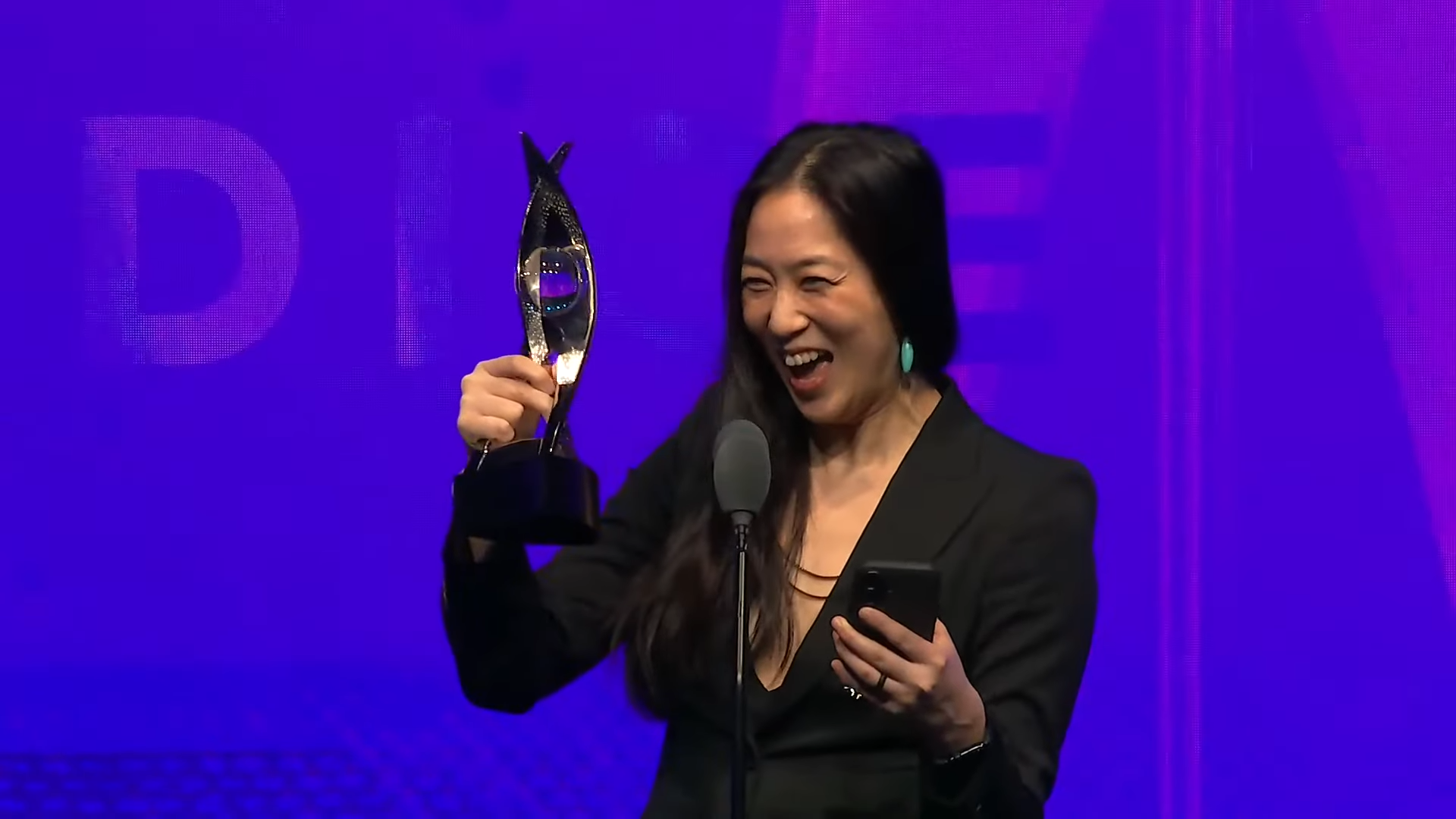
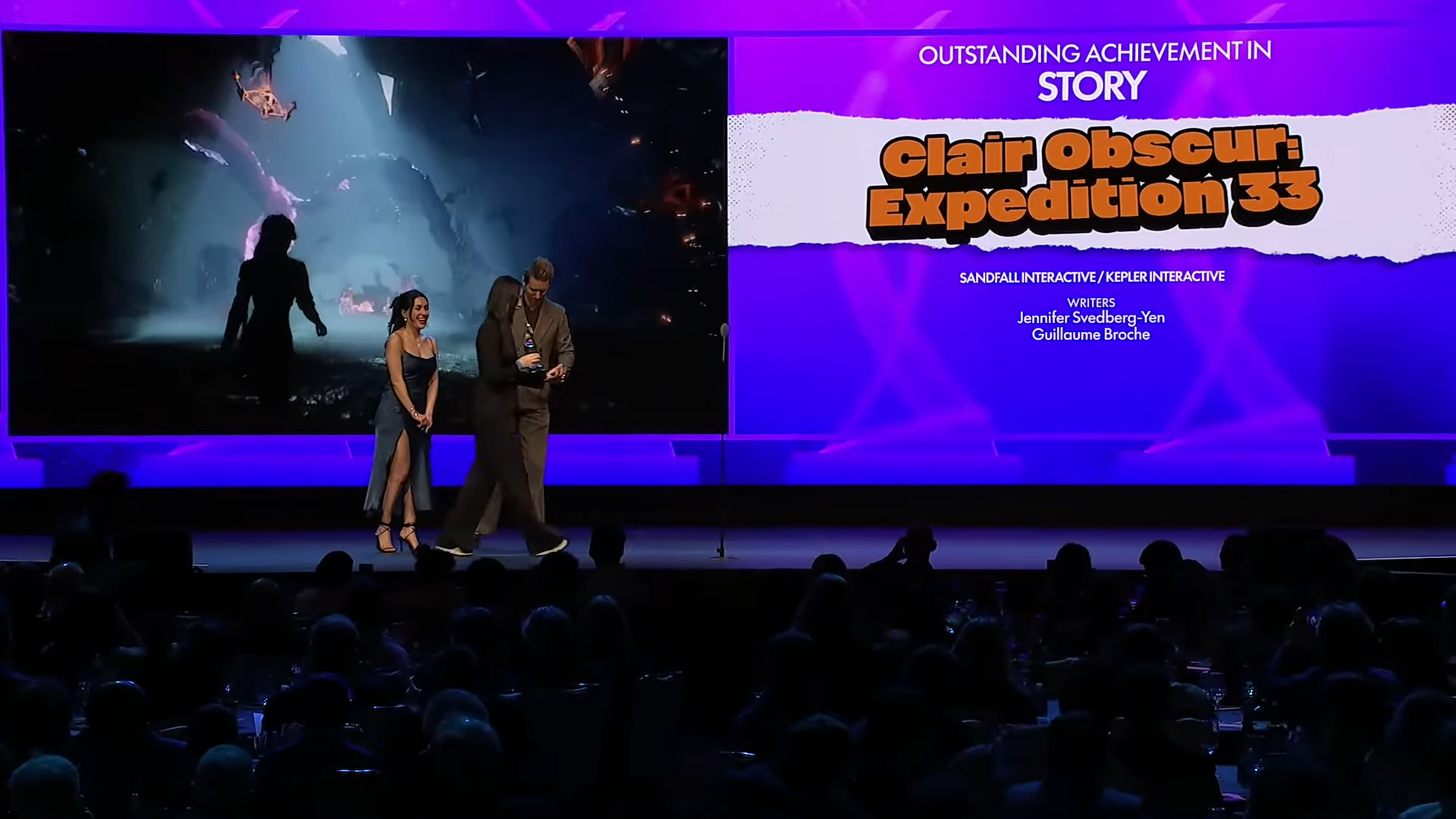
At this year’s D.I.C.E. Awards, Clair Obscur: Expedition 33 continued its remarkable run, taking home Outstanding Achievement in Story—an accolade that reflects how deeply the game’s emotional core resonated with players and critics alike. Following her on-stage talk, writer Jennifer Svedberg-Yen sat down with INVEN to expand on a key idea she emphasized earlier: that richer writing comes from a richer life.
What followed was a thoughtful conversation about lived experience, teenage loneliness, eldest-daughter responsibility, the unexpected influence of an architecture class, and how two months in a cramped NASA analog module helped shape one of the year’s most acclaimed narratives.
“You can feel when a story comes from someone’s life.”
During her D.I.C.E. session, Svedberg-Yen proposed a deceptively simple thesis: writers write better when they live better. Asked to elaborate, she explained that specificity—and the emotional credibility players respond to—only comes from experiences the writer has meaningfully lived.
“Writers put pieces of themselves into their stories,” she says. “Audiences feel when something comes from a real, lived emotion. That’s what allows a character to breathe.”
She laughs as she admits she would struggle to write a hardened gangster or an Old West outlaw. Those worlds, she says, sit too far from her own. But when her material comes from something she understands intimately, she can “approach it with honesty.”
Svedberg-Yen describes her writing process as a form of emotional role-play. Before she can write a moment, she has to sit with the emotion herself: “How would this character communicate or act? What do they feel—and what do I feel?”
That grounding became the foundation of Expedition 33’s cast.
How architecture, adolescence, and analog space missions shaped Expedition 33
Svedberg-Yen points to a mix of small and large personal influences woven into the game—some academic, some emotional, some extreme.
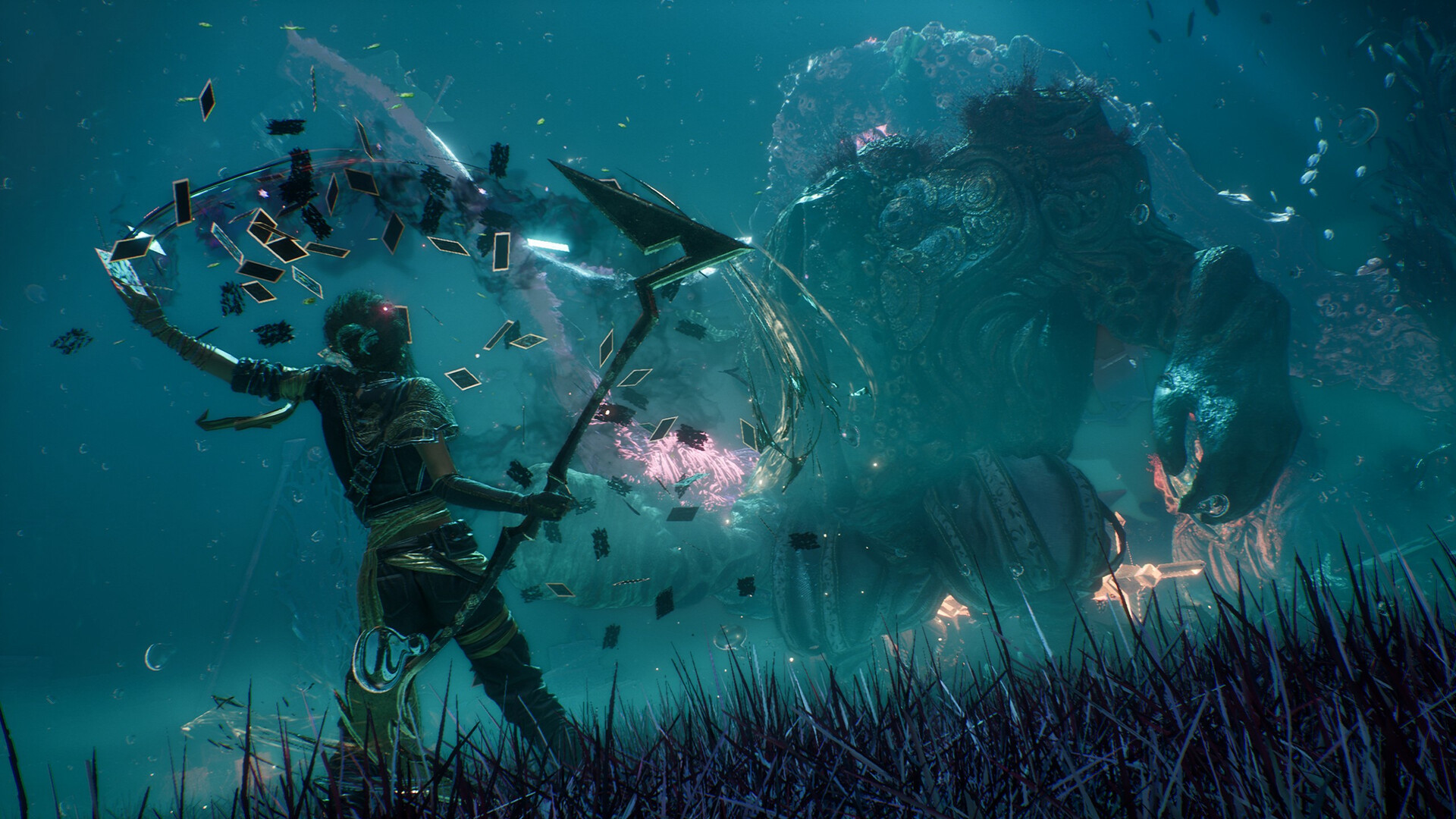
The game’s Gesturals and Axons—names players have latched onto for their striking conceptual flavor—originated from art and architectural vocabulary. Years ago she completed an architecture course, and remnants of that period “snuck in naturally,” she says. Gestural drawings, axonometric diagrams—these fragments of her creative past helped shape the lexicon of Expedition 33’s world.
If players recognized something painfully familiar in Mael’s voice, it’s by design. Svedberg-Yen channeled the alienation she felt in her teens: the sense of missing a secret everyone else had already learned. “That loneliness—that not-belonging—was something I carried for a long time,” she says. “Mael holds a lot of those feelings.”
Lunae, by contrast, reflects her twenties: “the burden of responsibility,” especially in the role of eldest daughter. Those years, she says, taught her the emotional compromises and quiet strength that later shaped Lunae’s writing.
One of the most direct influences came from her time as an analog astronaut in a NASA program, where she spent two months in a confined, multi-level module with just two other people.
“That experience absolutely transformed how I wrote the expedition teams,” she says. The result is a mission structure grounded not in militarism but in scientific collaboration—Gustav the engineer, Lunae the scholar, the team moving with purpose rather than force.
“Being in a small space, executing a mission together—it mirrors the expeditions almost one-to-one.”
“I joke that I’ve peaked—but the pressure is real.”
With Clair Obscur: Expedition 33 sweeping awards shows and achieving major commercial success, expectations for whatever comes next have inevitably grown. Svedberg-Yen is candid about that pressure, even if she tries to keep it light.
“I joke that it’s all downhill from here,” she says with a smile. “But it absolutely sits in the back of my mind.”
Beneath the humor is something more vulnerable. She admits she has long grappled with impostor syndrome, and acclaim doesn’t silence it. What helps, she explains, is remembering what players truly expect—not spectacle, not escalation, but authenticity.
“Players trust us. All I can do is stay focused on the story we want to tell, on being true to the characters and themes. If we maintain that honesty, I hope they’ll come with us.”
Before closing the interview, Svedberg-Yen offers an enthusiastic message to Korean players—one shaped by her visit to G-Star last year.
“I love Korea. It was such an honor to meet our Korean fans in person,” she says. She also extends heartfelt thanks to the Korean localization team, praising their work in helping the story reach players “as it was meant to be felt.”
“I’m forever grateful for your support,” she concludes.
Jennifer Svedberg-Yen’s approach to writing—rooted in lived experience, emotional fidelity, and interdisciplinary curiosity—helps explain why Clair Obscur: Expedition 33 resonated so widely. Her reflections at D.I.C.E. reveal not just the craft behind the game, but the life behind the craft: architecture classes, adolescent loneliness, familial responsibility, and even two months of simulated space travel.
It’s a reminder that while game worlds may be fantastical, the stories that move us most often begin somewhere real.
-

I write. I rap. I run. That’s pretty much it.

Sort by:
Comments :0