There was plenty of buzz even before its release. It was saddled with the somewhat daunting label of being the 'GTA of subculture games,' and early gameplay footage featured scenes so unbelievable they really did evoke comparisons to GTA. At this point, it’s not just a matter of high expectations; it feels like the genre itself might be on the verge of being turned on its head. However, knowing that such hype often leads to disappointment, I launched the game with a healthy dose of skepticism.
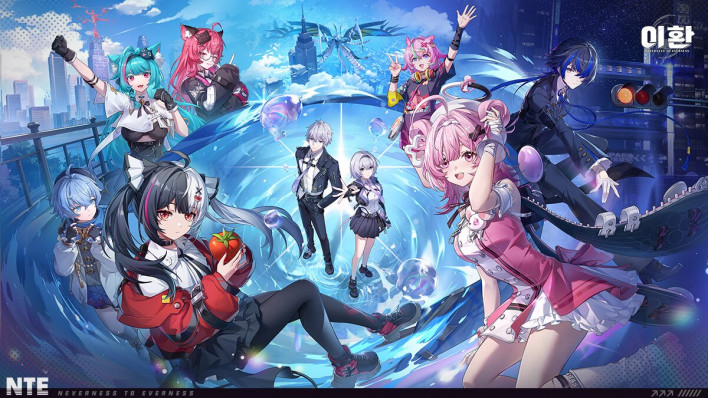
Developed by Hotta Studio and published by Perfect World, 'Neverness to Everness' (NTE) is a supernatural urban open-world RPG. The setting, 'Hetero City,' is a place where the mundane and the supernatural coexist in strange harmony, ever since the 'Anomalies'—supernatural phenomena that have existed for over a millennium—were revealed to the public following a massive disaster 40 years ago.
Players take on the role of an unlicensed 'Anomaly Hunter' and 'Appraiser' working for 'Avon,' an antique shop in the city, as they resolve supernatural incidents occurring throughout the metropolis. The game officially launched on April 29, 2026, for PC, mobile, and PS5.
Hetero City: The Content Itself

If I had to describe NTE in a single sentence, the first thing that comes to mind is, "There is just too much to do." It even makes you wonder, "Why did they go to the trouble of building all this?" The core selling point of this game feels like the city itself, not the combat or the story. Hetero City, the player's stage, is not just a background—it is a massive piece of content. Walking, driving, visiting shops, running a cafe, and decorating your home all connect seamlessly into the gameplay.
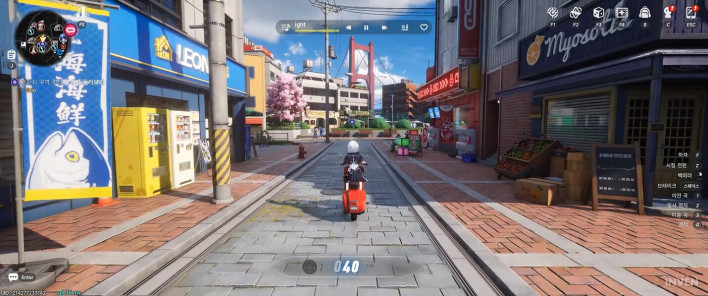
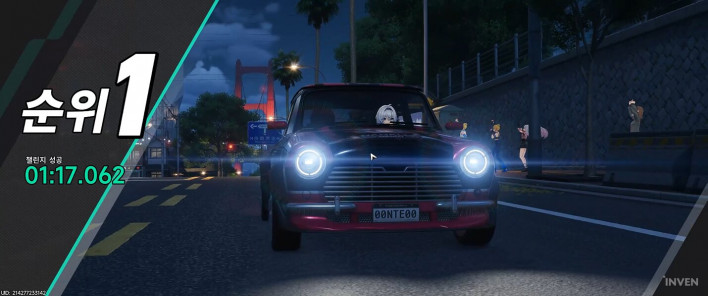


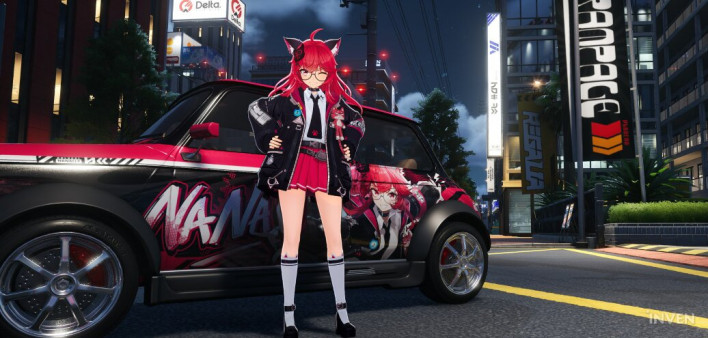
The design intent is evident just by looking at the vehicle-related content. From the initial scooter to luxury sports cars, SUVs, and even a tofu-delivery car that looks like it drove straight out of Initial D, the variety is impressive. Beyond the diverse models, you can customize the exterior and fine-tune vehicle performance in great detail.
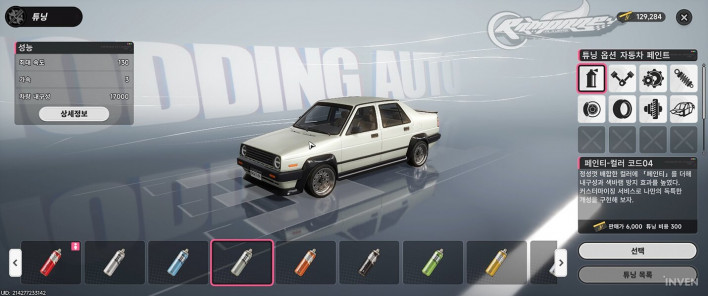
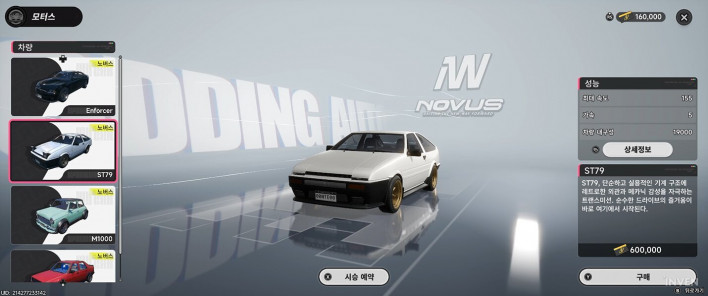
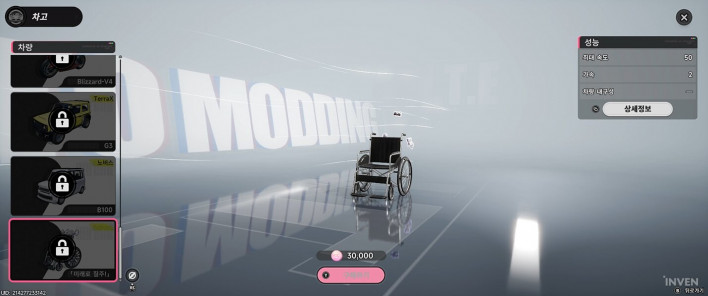
Furthermore, you can switch driving modes: 'Comfort Mode' for easy handling, and 'Sport Mode,' which activates the handbrake for drifting. Sport Mode increases top speed and makes handling rougher, making it noticeably harder to control than Comfort Mode. However, since there is no major penalty for accidents or vehicle damage, you can experiment without stress. Plus, Sport Mode is undeniably more exhilarating and fun.

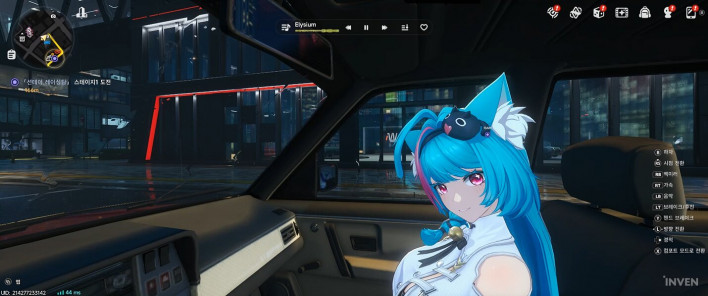



The fact that movement itself is enjoyable enhances the fun of exploration. Wall-running and gliding consume no stamina, allowing you to scale tall buildings or leap off cliffs without restriction. The first pickup character, Nanari, even has a unique mechanic that allows her to run along walls without stamina consumption, further elevating the thrill of exploration.


The subway system is also worth noting. The trains connecting Hetero City feature realistic announcements, and you can hear authentic station calls like, "The next station is OOO." If you shift your perspective to look out the window, there is a strange, quiet romance in just sitting there and watching the city scenery pass by from start to finish without any input.
This city is enjoyable enough just to wander around in.
The Appraiser's Side Hustles
I clearly came here to beat up anomalies, but suddenly I'm a cafe owner. That’s how the urban life content in NTE tends to snowball.
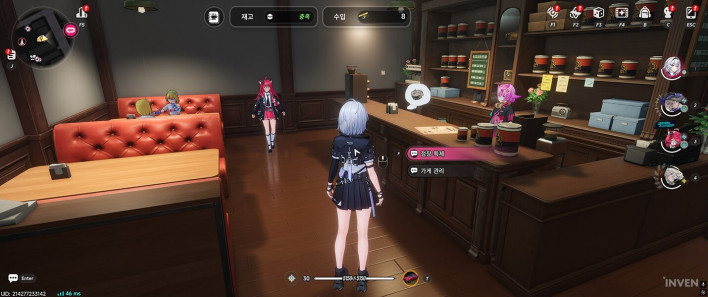
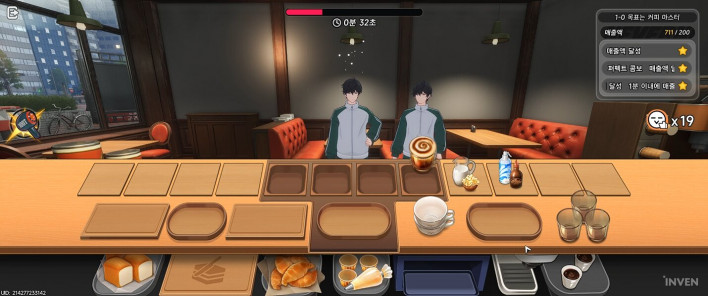
Structurally, cafe management isn't much different from the daily commission content found in other games—you assign tasks and collect rewards after time passes. However, NTE reinterprets this mundane structure with its own flair. You can assign two of your characters as staff, and they possess unique skills that provide different effects based on who you choose.
When you visit the shop, you can actually see your assigned characters working, and there’s a fun little detail: the button to remove a staff member is labeled 'Fire' rather than 'Dismiss.' It’s a detail that shows how seriously the developers took the urban life content.
There’s also a taxi side hustle. Much like being an Uber driver, you find NPCs who have requested a ride, pick them up, and take them to their destination. There are no complex missions; you just cruise the streets of Hetero City and drop off passengers, which is surprisingly therapeutic. Why does the routine of an Appraiser hunting anomalies by day and driving a taxi by night feel so strangely convincing?
Housing is one of the most polished features in the game. You can purchase properties ranging from duplex apartments to palace-like homes with swimming pools. You can arrange furniture and decorations, buy figures from a toy store to display, and invite characters with whom you've built a bond to spend time together.
Placing 'Anomaly Furniture' even allows you to use practical functions like vehicle repair inside your home, turning it into more than just a decorative space. While the lack of a grid-snap feature for furniture placement makes fine-tuning a bit tedious, the sheer scale of the housing content is impressive.
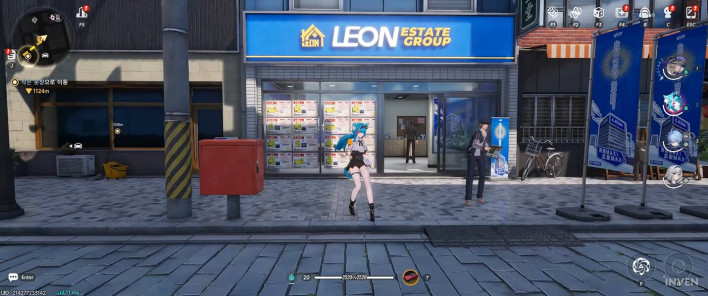
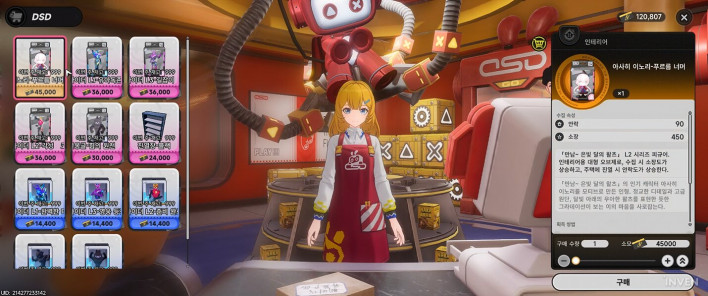
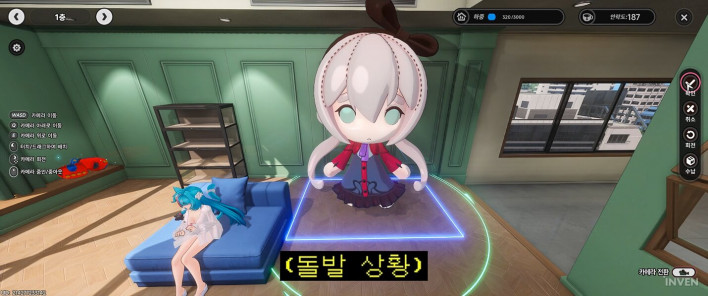


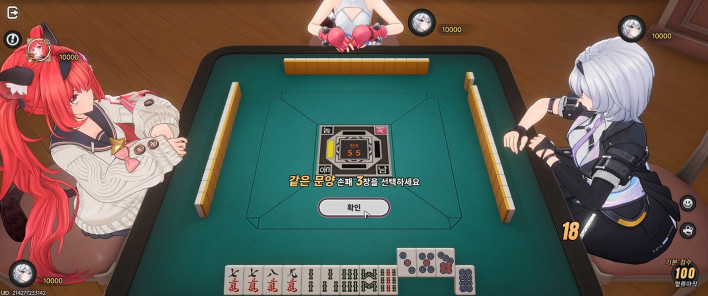
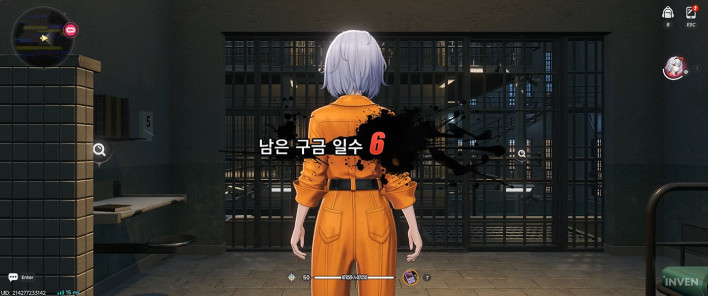

Beyond that, there are countless other mini-games. From online competitive Mahjong at a maid cafe to bank heists, racing, and fishing, the list is endless. If you commit crimes, you become wanted, police will chase you, and if you're caught after a pursuit, you'll be thrown in jail and have to pay a fine to get out. If you don't pay the fine, you can just serve your time (...).
A Lighthearted Tale of a 'Strange' Supernatural City
The basic world-building is simple: 'Anomalies' have existed for over a millennium, but were revealed to the world 40 years ago after a massive disaster. Since then, humanity has been learning to coexist with them. The 'Circle' and its subordinate Anomaly Management Bureau handle containment, and the player lives in the cracks as a private hunter. While the premise sounds heavy, the game's atmosphere is anything but.
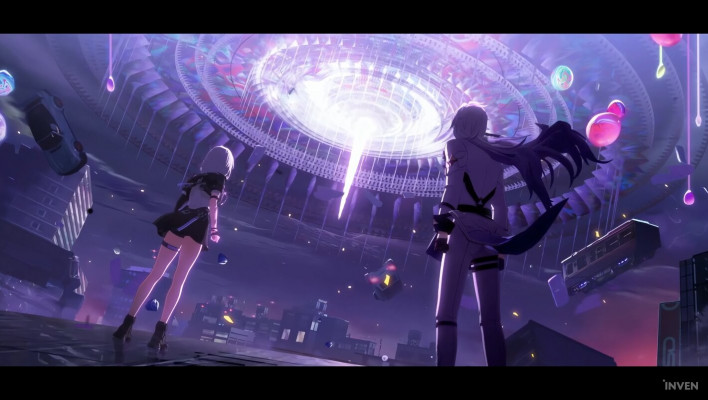
The main story favors the lighthearted tone typical of urban fantasy over heavy narratives, and it features many playful sequences. Homages to various anime and games are hidden throughout, and every time you spot one, you can feel the developers' deep passion. If you're looking for a deep, heavy epic, you might be slightly disappointed, but it fits perfectly with the vibe of a breezy adventure through a city full of anomalies with your companions.



In fact, the charm of the world-building is felt more strongly in exploration than in the story. As you wander Hetero City, anomalies pop up in completely unpredictable ways—you might be dragged into an anomalous dimension without warning or discover an entity hiding in a corner of the street. The experience of a normal-looking alley suddenly transforming into a strange space adds density to the exploration. It feels clever that the concept of 'Anomaly' isn't just a setting, but something you feel every moment you walk the city.

Combat: Casual, Yet Flashy


The combat system is designed intuitively. There are six attributes—Light, Spirit, Main, Dark, Soul, and Phase—and the party's power changes based on interactions between them. However, not all attributes react with each other; specific combinations are required, which limits party composition to some extent. While there are enemies with elemental weaknesses, the game is currently easy enough to clear without deep-diving into these mechanics.
The overall difficulty is on the lower side. Evasion windows are generous, and character mechanics are mostly simple, requiring neither frame-perfect timing nor complex combo memorization. NTE is a game where the core is exploring the city, resolving anomalies, and building relationships with companions; lowering the barrier to entry for combat ensures it doesn't disrupt that flow, which is a choice that fits the genre well.
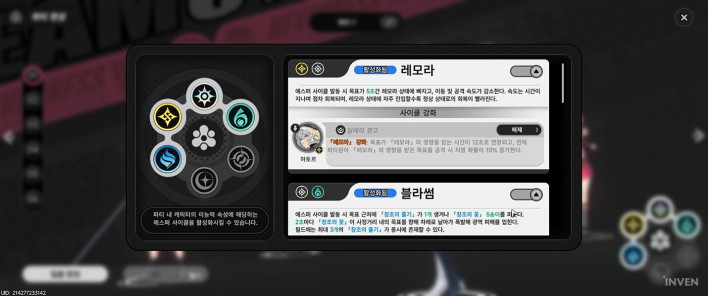

The equipment system for strengthening characters is also worth noting. 'Arcs' (weapons) are not solely dependent on gacha; they can be acquired through various means like open-world exploration, defeating bosses, and crafting, meaning you can gear up just by enjoying the city.
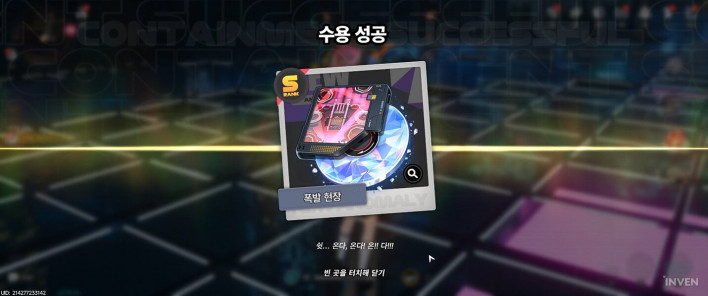
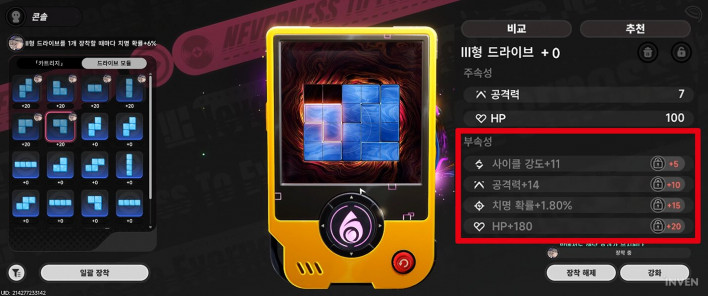
The 'Console' system, which functions as equipment, is also unique. It consists of two parts: a cartridge and drive modules. You equip a cartridge first and then fill it with drive modules. The modules come in various shapes like Tetris blocks, and since each cartridge has a different slot structure, the process of figuring out how to arrange modules to fill the space efficiently becomes a game in itself.
Furthermore, both cartridges and drive modules have primary and secondary stats. You can preview which secondary stats will increase when you level them up, so you don't have to waste resources. If you've ever experienced the frustration of dumping experience into gear in other games without knowing what stats you'd get, you'll immediately appreciate how user-friendly this design is.
Gacha as Content

In collection-based games, the gacha (draw) system is always a sensitive area, but 'E-hwan' has managed to put its own unique spin on it. The game features a structure where, if you pull an S-rank character while a pickup banner is active, the banner character is guaranteed to appear, effectively eliminating the 'off-banner' phenomenon where bad luck results in getting an unwanted character. The pity system is set at 90 pulls, with the probability of pulling an S-rank character gradually increasing starting from the 70th pull.

However, the real highlight of NTE's gacha isn't the business model, but the presentation itself. The gacha is implemented as a board game similar to Monopoly; each pull is a dice roll, and your piece moves across the board to collect rewards based on the number rolled. Reaching certain tiles can grant extra dice or trigger branches that lead to special fields packed with rare rewards, making it a completely different experience from simply flipping cards or watching an animation.
I didn't press the skip button even once while pulling. Each gacha attempt feels like a mini-event, and there’s a sense of tension every time you roll the dice, not knowing where you'll land. When people say that just watching the gacha is fun, you know how unique this presentation is.
Things That Still Need Polishing
Of course, it’s not without its flaws. The game suffers from the typical teething issues common in live-service subculture games at launch.
Some character movements feel awkward, and the aforementioned wall-running can be jerky. There were also several bugs where objects failed to render properly during the main story. Additionally, it’s worth noting that the overall combat difficulty is low, which might feel a bit dull for players seeking a challenging experience.
Furthermore, the placement of main and side quests can be puzzling. While the main quest flows with a lighthearted and fun atmosphere, some of the heavier stories that delve deeper into the anomalies of Hetero City are tucked away in side quests. It’s a case of the tail wagging the dog, where you find more impressive narratives in the side content than in the main plot. While the high quality of the side quests is a positive sign, it would be even better if the main story gained that same depth.
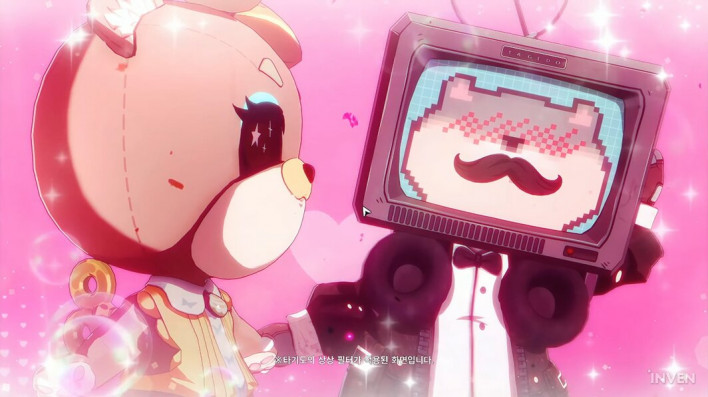
However, these issues are more about the polish typical of early live-service games rather than fundamental flaws that call the game's direction into question. These are areas that can be improved through continuous updates, and I’d rather focus on the fact that the game’s vision—'what they wanted to create'—is already communicated quite clearly.
Hetero City: A City That Lives Up to the Hype
'Neverness to Everness' is a game that knows exactly what it wants to sell. It is the result of packing as much as possible into a vast city: everything happening within it, the bonds with characters, the details that make the city feel alive, and the freedom to try anything.
There has never been a game in the subculture open-world genre that has implemented this level of exploration fun, and after just an hour of walking through Hetero City, you’ll realize that the label of a 'GTA-level open world' was no exaggeration. While there are still parts to polish and content to fill in, the direction is clear and the foundation is solid. I look forward to seeing how this game grows.

Sort by:
Comments :0