


Details regarding the development and behind-the-scenes story of 'Castlevania: Belmont's Curse,' the long-awaited new entry in the series celebrating its 40th anniversary, have finally been revealed. Notably, Evil Empire—a studio known for its various Roguelike titles—addressed fan curiosity by confirming that this project is not a Roguelike.
On the 10th, KONAMI and Evil Empire unveiled a new trailer and developer interview for 'Castlevania: Belmont's Curse' during the Triple-i Initiative, an indie game showcase. The video featured Evil Empire Art Director Dean, Lead Level Designer Sandro, and KONAMI producer Tsutomu Taniguchi, who shared insights into the development process and various game settings.
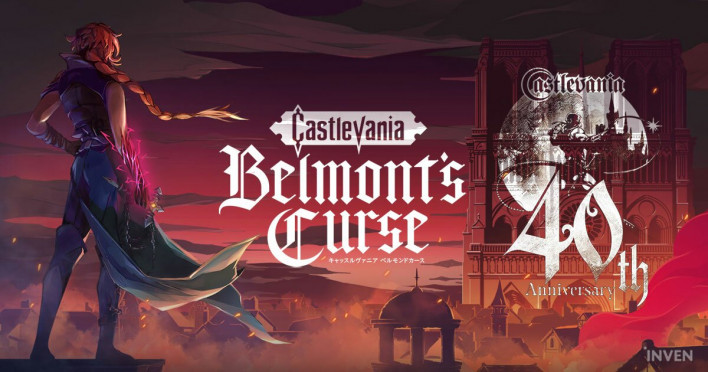
Why Paris Instead of Transylvania
With the exception of 'Aria of Sorrow' and 'Dawn of Sorrow,' which featured Soma Cruz and were set in the 2030s, the Castlevania series has primarily used Transylvania, Romania, as its main stage. Even when the setting shifted, it typically remained within the Eastern European region. This new title, however, is set in France.
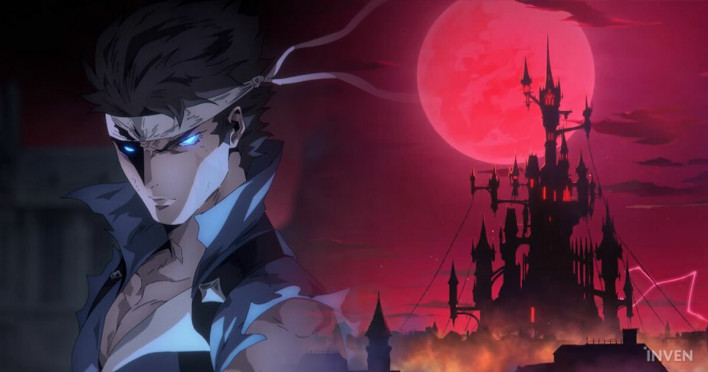
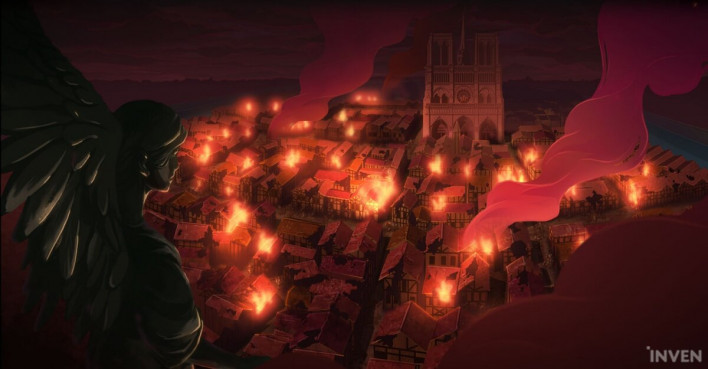
Although the Netflix animated series 'Castlevania: Nocturne' was set during the French Revolution, this marks the first time a game in the series has used France as its primary setting (excluding individual stages in 'Vampire Killer'). As the game is set in Paris, there is anticipation that it will evoke a different atmosphere compared to previous entries.
Early in development, the team considered Venice, Italy, as the setting, even brainstorming themes around the world-famous Venice Carnival. However, they feared this might undermine the series' signature gothic horror atmosphere, as it risked feeling too lighthearted.
The idea to use Paris came from a developer on the team. They realized that Paris’ gothic architecture, such as the Notre-Dame Cathedral, could seamlessly blend with the unique Castlevania aesthetic. They also concluded that it provided a dramatic visual contrast to Dracula’s dark castle.
Director Dean joked that since Evil Empire is based in Bordeaux, France, national pride might have played a role, but he quickly clarified that was not the case, expressing confidence in the natural fit between the game and its chosen themes.
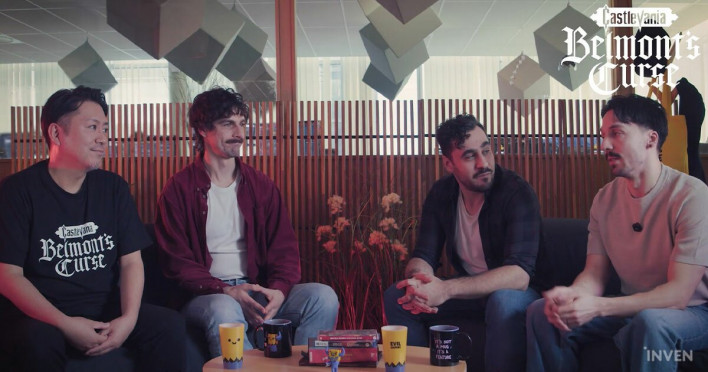
How Are Castlevania's Signature Gameplay and Level Design Being Implemented
Level design was a major focus, equal in importance to the overall theme. The developers worked hard to create a sense of urban exploration, utilizing vertical level design that stretches from street level to rooftops, which also connects to the catacombs.
Paris is famous for its extensive catacombs. The city's rich history and inspiring locations allowed the team to extend the vertical level design from the city streets deep into the underground, adding depth through layered, multi-tiered zones.

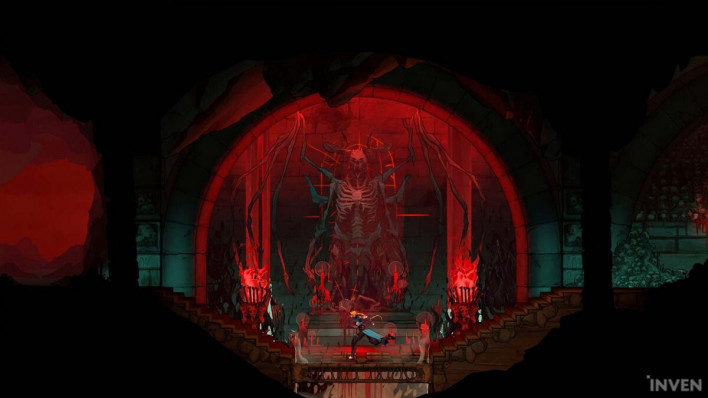
Evil Empire believes that these various settings, architectural styles, and historical elements make Paris a natural stage for a Castlevania story. They are confident that by reinterpreting Parisian legends through the series' signature exaggerated gothic style, they can create a game that feels grander, scarier, and more 'Castlevania' than ever.
Designer Sandro described these elements as the keys to perfecting the 2D adventure experience, adding that they aim to make the genre feel modern while preserving its intricate precision.
How Will the Identity of Castlevania Be Preserved
As the title 'Belmont's Curse' suggests, this entry draws heavy inspiration from past classics in the Castlevania series.
Producer Taniguchi identified 'Castlevania III: Dracula's Curse' and 'Castlevania: Curse of Darkness'—which takes place three years later in the timeline—as the primary narrative inspirations. The choice of 1499 as the game's setting, 23 years after 'Dracula's Curse,' highlights this narrative connection.
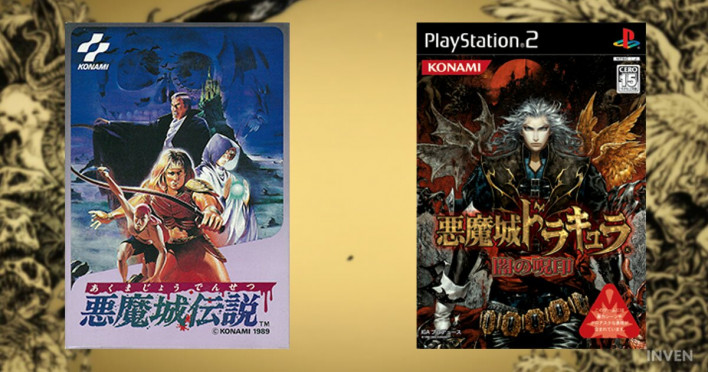
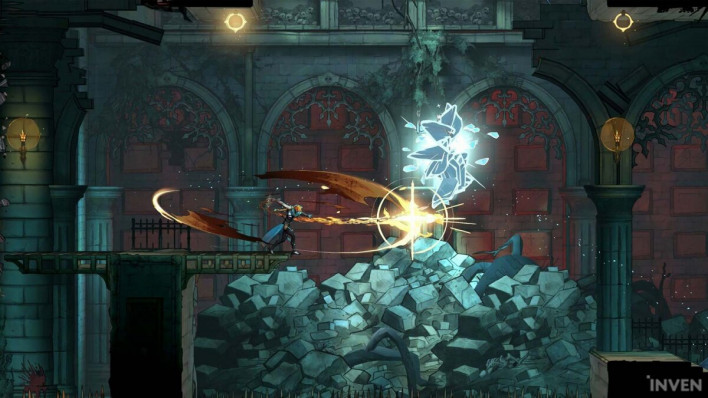
In terms of gameplay, the team referenced the whip mechanics from 'Super Castlevania IV' (released on the Family Computer/SNES). However, they are refining the controls to be more modern, reducing the 'floppy' feel. As seen in the trailer, the whip's role in fluid movement remains a core feature.
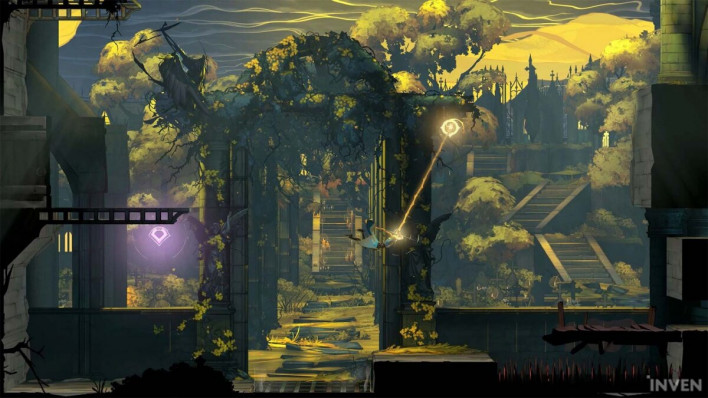
The overall structure is based on the system established in 'Castlevania: Symphony of the Night.' That title defined the 'Metroidvania' gameplay style, allowing the series to evolve from platform-focused action into a deeper, more complex experience.
Lead Level Designer Sandro noted that while the two games cannot be directly compared, 'Symphony of the Night' provided immense inspiration for the game's structure, calling it a genre-defining masterpiece.
How Are KONAMI, Evil Empire, and Motion Twin Collaborating
Evil Empire, which previously developed DLC for Motion Twin's 'Dead Cells,' is now developing this game in collaboration with KONAMI, the IP holder.
Due to the time difference between France and Japan, meetings had to be scheduled early or late. Despite communication challenges, they emphasized that they are maintaining close collaboration and constant dialogue throughout the development process.
Communication is vital because the two companies have different development cultures. Evil Empire, as an independent studio, is relatively flexible, while KONAMI requires a more systematic process due to its long history and scale. Evil Empire explained that while they had to learn to bridge these differences, the combination of their distinct processes has resulted in a stronger, more robust project.
A lighthearted anecdote was shared: Designer Sandro recalled that when the Japanese team from KONAMI visited France, they brought various snacks, making it feel like a special event. Evil Empire reciprocated by treating the KONAMI team to French cuisine, helping to build a strong bond.
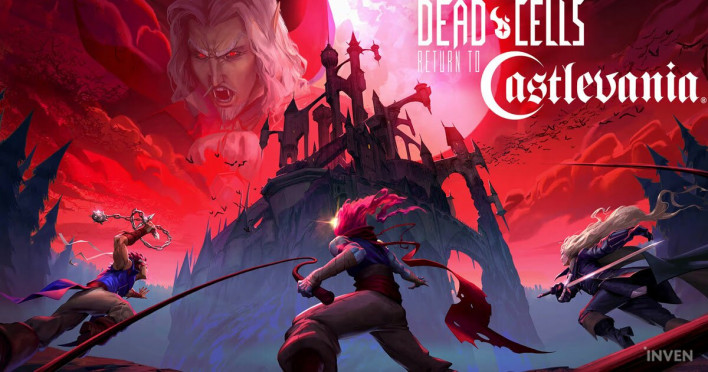
The role of Motion Twin, the developer of 'Dead Cells,' was also crucial. Without 'Dead Cells,' Evil Empire might never have collaborated on the Castlevania DLC, and they might not have been entrusted with the 'Belmont's Curse' project.
Whenever the Evil Empire team had doubts regarding direction, gameplay, or art, they consulted Motion Twin. Motion Twin provided critical judgment and candid feedback, helping the team stay on the right track. Director Dean described Motion Twin as a 'big brother' figure, even though they are not directly involved in the development.
The Vampire Returns—And It's Not a Roguelike
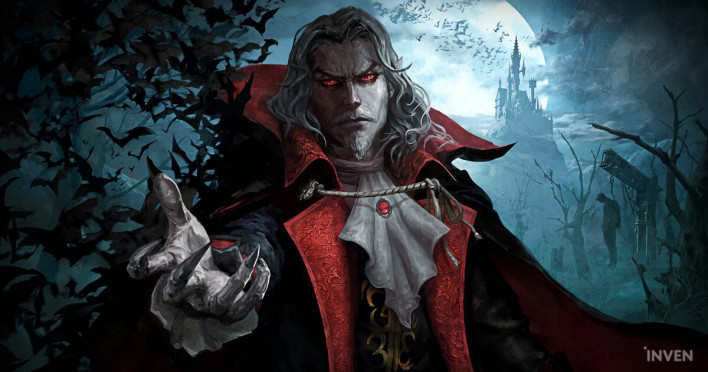
Dracula will return in this title to face the player. The developers are aware that fans expect this, and it will indeed be a pivotal moment in the game's narrative.
However, they focused on presenting Dracula's return in an unexpected and original way, rather than a standard reveal. Evil Empire noted that they poured significant effort into this sequence.
The team expressed that while reviving the Castlevania series is a great honor, it also comes with the pressure of meeting high fan expectations. Producer Taniguchi shared that he felt both joy and pressure, but seeing the positive fan reaction has motivated him to work even harder to create a better game.
Meanwhile, the question of whether this new project would be a roguelike was also raised. Evil Empire has previously released Dead Cells DLC, post-launch updates and additional content for Brotato, and its first original title in collaboration with Ubisoft, The Rogue Prince of Persia. Given that all these titles are roguelikes, the studio directly addressed the community's curiosity regarding whether Castlevania: Curse of the Belmonts, currently in development, would follow the same genre.
Matt from Evil Empire confirmed that this will not be a Roguelike. As previously mentioned, the game is a 2D action-adventure title that implements the Metroidvania characteristics established by 'Symphony of the Night.
'Castlevania: Belmont's Curse,' the first PC/console game in the series in about 12 years since 2014's 'Castlevania: Lords of Shadow 2,' is scheduled for release in 2026 on PC, PS5, XSX|S, and Nintendo Switch.

![]()
- Seungjin "Looa" Kang
- Email : looa@inven.co.kr



Sort by:
Comments :0