


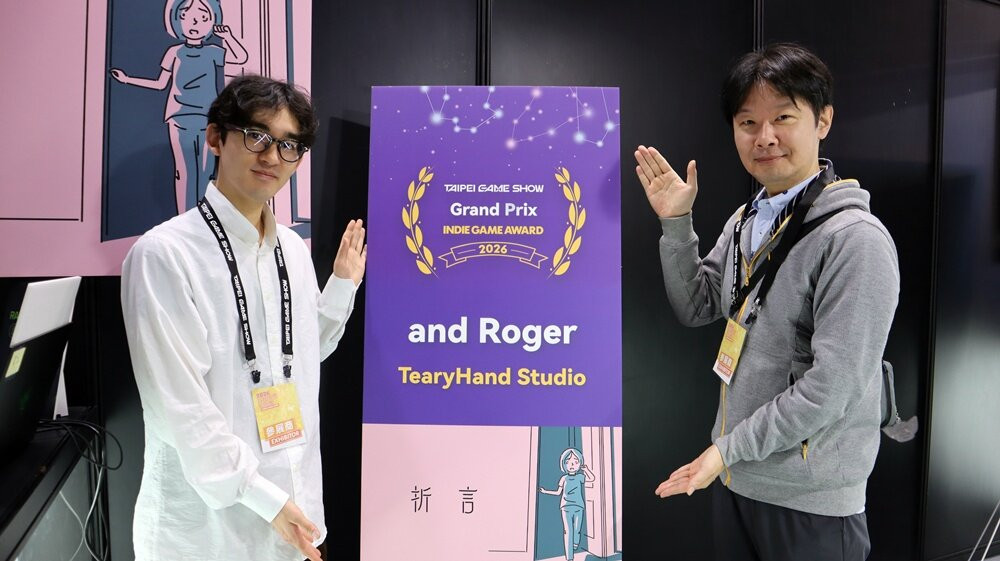
▲ Kodansha Team Leader Kyoichiro Hirata (left) and composer Yasuhiro Nakashima (right)
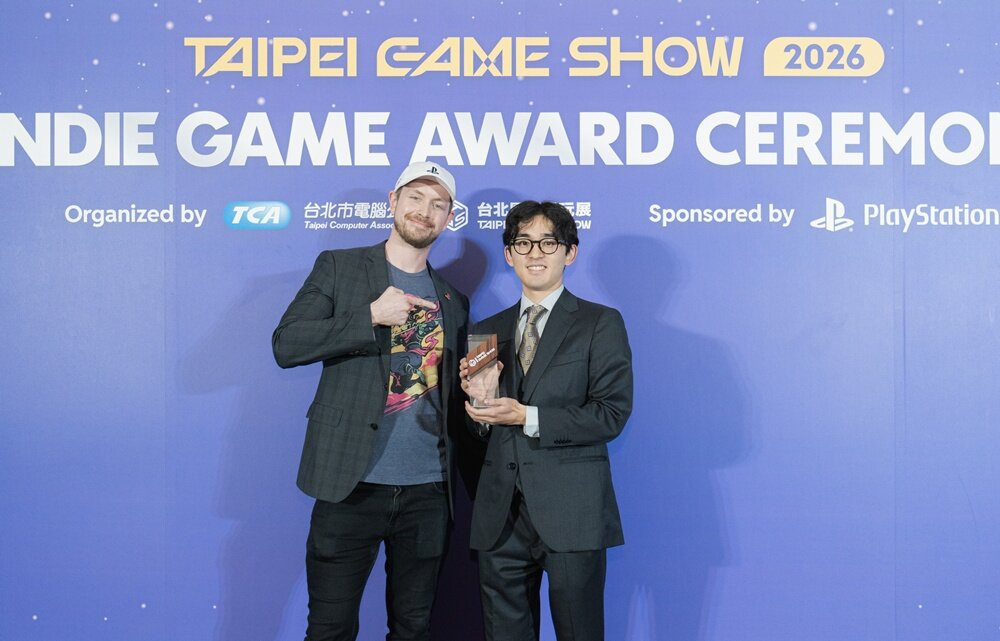
At this year’s Taipei Game Show Indie Game Awards, and Roger—developed by TearyHand Studio and published by Kodansha—took home two awards: the Grand Prix and Best Audio.
and Roger is a first-person point-and-click adventure themed around “cognitive distortion.” Featuring immersive, interactive sound design that shifts with each line of dialogue, the title has maintained an “Overwhelmingly Positive” rating on Steam. The game highlights the competitive edge of indie releases, delivering a powerful narrative and emotional impact despite its short playtime.
This recognition was further bolstered by the game’s collaboration with Kodansha Creators’ Lab, a creator-support program. Beyond simple financial backing, Kodansha offers close partnership across multiple dimensions, helping maximize a developer’s clear artistic vision. On this point, Kodansha Creators’ Lab Content Design Lab Team Leader Kyoichiro Hirata said, “The fact that the creator had a clear theme he wanted to express was the decisive reason for joining the project.”
To learn more about what kind of game and Roger is, how the collaboration with Kodansha took shape, and what comes next, we met with Kodansha Team Leader Kyoichiro Hirata and composer Yasuhiro Nakashima—who oversaw sound design—at Taipei Game Show for a conversation.
You’ve won two Indie Game Awards—the Grand Prix and Best Audio. How did it feel to be chosen as the best game among so many titles?
Team Leader Kyoichiro Hirata: Many people have enjoyed our game—starting with the indie showcase Sense of Wonder Night (SOWN) at Tokyo Game Show, and continuing through livestream broadcasts. I believe this award is the result of the enthusiastic response and reactions from gamers.
For readers who haven’t played the game yet, could you briefly introduce and Roger?
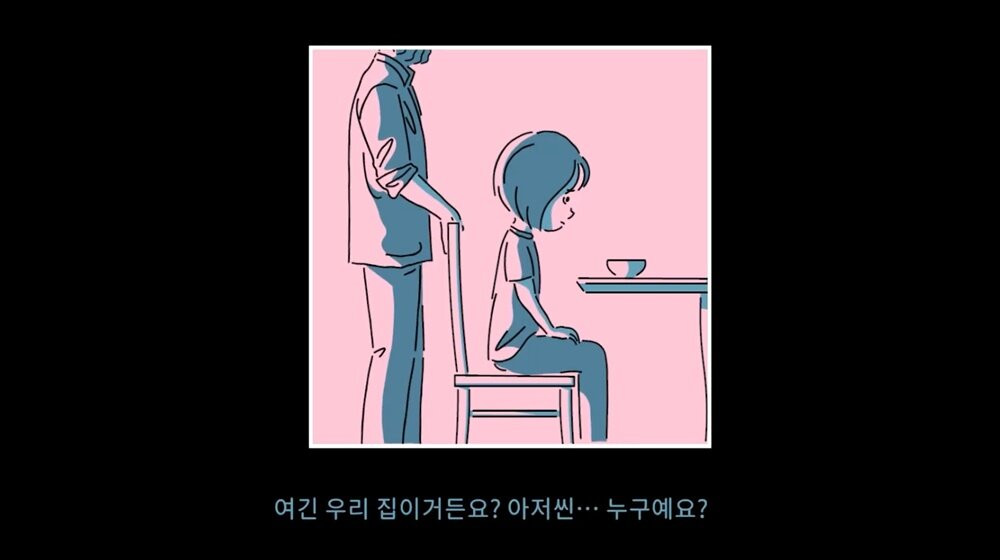
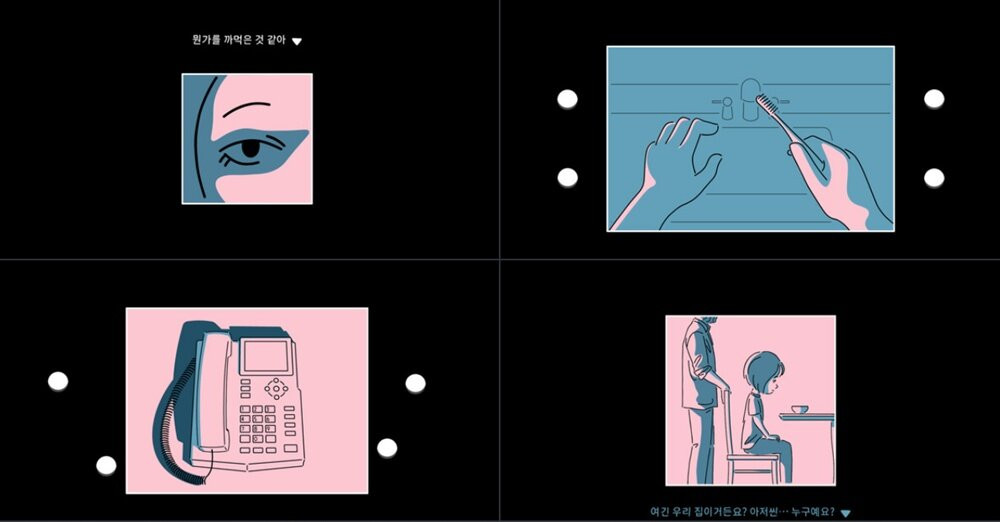
Team Leader Kyoichiro Hirata: I’m cautious about revealing spoilers, but simply put, it’s a game themed around “cognitive distortion.” The story begins when the protagonist, a young girl, wakes up to find a strange man posing as her landlord instead of her father. Players experience a point-and-click adventure in which they explore their surroundings from the protagonist’s first-person perspective and search for clues.
The artwork and gameplay stand out. What’s the meaning behind the title and Roger, and what do you hope players take away from the game?
Team Leader Kyoichiro Hirata: “Roger” is the name of a key character in the game. I hope players focus on the “relationship” between the protagonist and Roger. We often hear from players that it “makes them realize they need to value the people around them more.” I would be more than happy if this game could once again provide an opportunity for people to feel warmhearted toward those close to them.
It’s been receiving rave reviews, maintaining an “Overwhelmingly Positive” rating on Steam. What do you think users see as the game’s defining appeal?
Team Leader Kyoichiro Hirata: I think it’s the experience itself—how it evokes “deep emotional resonance,” something that’s difficult to find in other games. For some, it resonates intensely, almost mirroring their own personal experiences. I believe the fact that players can have such a dense experience within a short playtime of about an hour is what has earned it such positive reviews.
Honestly, I didn’t expect it to receive such strong reviews. Because it deals with somewhat sensitive subject matter, I was cautious and anticipated possible negative feedback. Fortunately, I’m very grateful for the positive response.
Alongside the Grand Prix, you also won Best Audio. What philosophy guided the sound design of and Roger?
Composer Yasuhiro Nakashima: While many existing novel games maintain a consistent BGM tone, we aimed for a “cinematic experience.” We adopted an interactive structure where the music changes in sync with the flow of the story and each line of dialogue. I believed the role of sound was to embody the “ineffable emotions” felt by Roger and Sophia—fear, discomfort, joy, and more.
In this work, our attempt to meticulously express those emotional strands created a deep sense of immersion for users, which ultimately led to a successful outcome.
Did you expect to win an award specifically for audio?
Composer Yasuhiro Nakashima: Not at all. This was my first game music project, and I never dreamed I’d win an award for my debut title, so I was very surprised.
Is this your first experience in sound design?
Composer Yasuhiro Nakashima: No. I’ve been working in sound design for about 10 to 15 years. I started out in video production and then transitioned into sound. I’ve consistently worked on music for films, dramas, animation, and TV commercials. The experience I’ve built over the years was a huge help for this project.
Was there a specific reason you moved from video production into sound?
Composer Yasuhiro Nakashima: I uploaded my music to SoundCloud, and one day, a German video director contacted me and said he wanted to use my music. That led to an increase in my work in Germany. Seeing people in a foreign country—people I had no prior connection with—requesting work solely based on my sound gave me confidence.
While video production was enjoyable, I found even greater joy in creating music. And seeing how much joy people received from my music gave me the confidence to make the switch.
Could you explain Kodansha’s Creators’ Lab program?
Team Leader Kyoichiro Hirata: It’s a Kodansha program that goes beyond publishing to discover and nurture creators across diverse fields, including games, film, animation, and XR. Beyond simply providing financial support, we build close partnerships—for example, matching game developers with dedicated manga editors who can help with scenarios and character creation. We also provide comprehensive support, including marketing and event participation.
It initially focused on contests, but now we operate on a year-round recruitment basis, and we even proactively approach creators on-site to propose collaborations.

Among countless indie games, what made you decide to partner with and Roger?
Team Leader Kyoichiro Hirata: I was impressed by the clear artistry and thematic awareness of Yona, the developer at TearyHand Studio. Because she had such a clear vision, I felt confident that adding Kodansha’s expertise could lead to an even better product—so we joined the project.
Can Korean indie developers apply to this program?
Team Leader Kyoichiro Hirata: Yes, of course. We also plan to expand the program into a more global service in the future. However, the support system is currently centered in Japan, so there may be language barriers for international developers applying and participating. Still, if communication is smooth, we would be happy to collaborate with Korean developers as well.
Is it only on PC? Are you considering mobile or additional consoles?
Team Leader Kyoichiro Hirata: Currently, you can enjoy the game on PC and Nintendo Switch. We are also actively considering expanding to other platforms.
Lastly, do you have a message for gamers who haven’t tried and Roger yet?
Team Leader Kyoichiro Hirata: I’m confident that once you play and Roger, it will be an unforgettable experience. Rather than watching livestream footage first, I encourage you to purchase it and play it yourself to fully experience the emotion.
Composer Yasuhiro Nakashima: Please make sure to listen to the soundtrack as well—so that after you finish the game, you can feel those lingering emotions even more deeply.
This article was translated from the original that appeared on INVEN.




Sort by:
Comments :0