


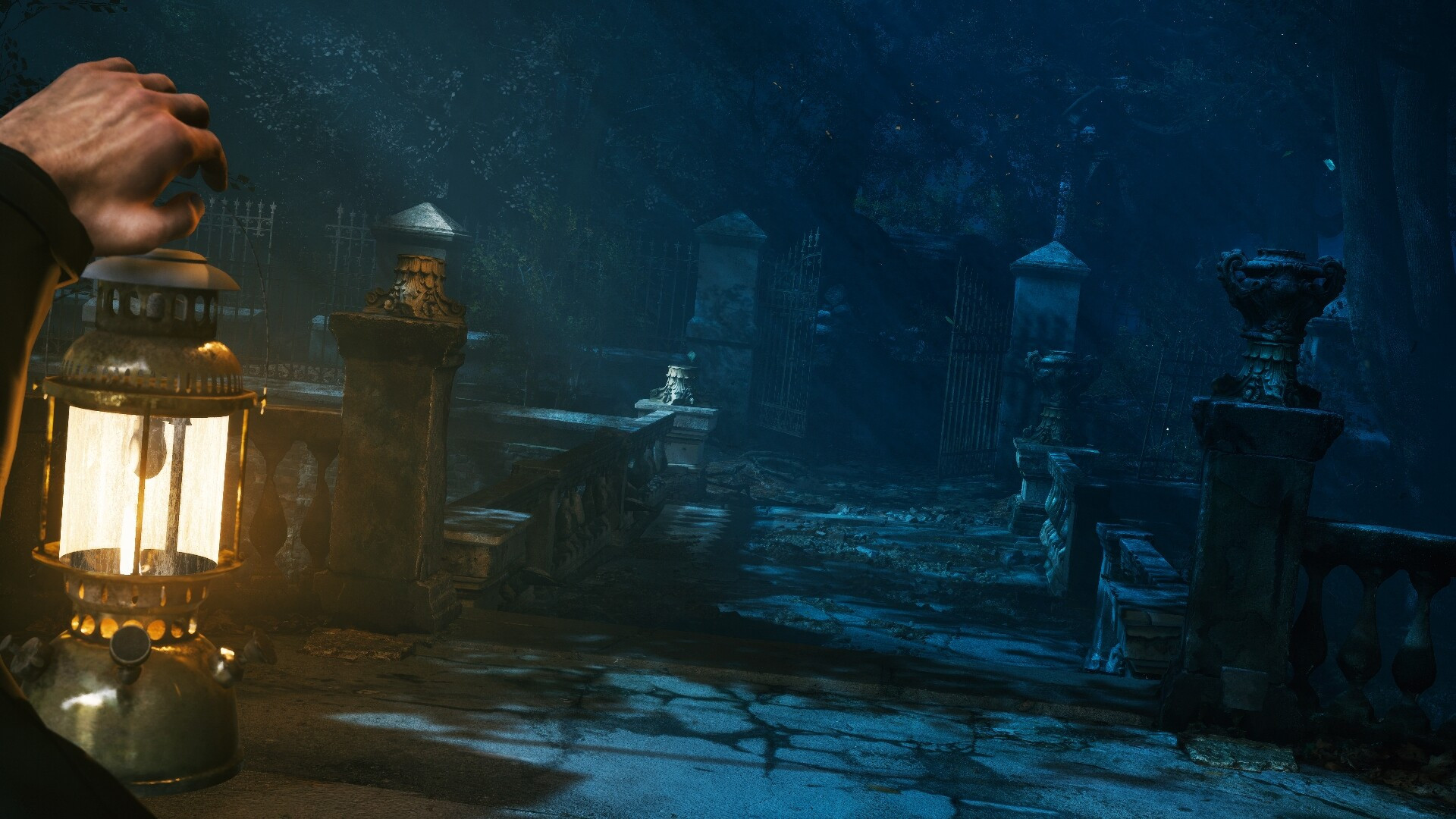
There’s a particular weight that comes with reopening a case that everyone else has agreed to forget. The Last Case of John Morley understands that weight immediately, and it carries it carefully for the entirety of its brief, melancholy runtime. This is a noir detective story that isn’t interested in swagger or clever one-liners so much as the slow accumulation of unease—the sense that some truths, once uncovered, refuse to stay neatly in the past.
You play as John Morley, a private investigator returning to work after months in the hospital. His office feels less like a triumphant comeback and more like a liminal space, a holding cell between what he was and what he’s about to become. That mood sets the tone for everything that follows. When Lady Margaret Fordside arrives, dignified and quietly desperate, the game resists melodrama. Her request—to investigate the murder of her daughter, officially “solved” decades earlier—feels less like a plot hook and more like an open wound.
From there, The Last Case of John Morley unfolds as a first-person investigation that prioritizes atmosphere over action. You explore shadowy estates, decaying institutions, and spaces that feel abandoned not just physically but emotionally. Drawers creak open, papers are sifted through, and the game trusts you to pay attention. There’s no rush, no combat, and no overt mechanical friction; the tension comes from implication rather than threat. It’s the kind of game where silence does as much work as dialogue.
The 1940s setting is handled with restraint. Instead of drowning the player in period signifiers, the game uses small, precise details—architecture, lighting, music—to evoke its era. The noir influence is present, but muted, less hardboiled detective fantasy and more existential dread. Morley isn’t a hero cutting through corruption with confidence; he’s a man haunted by previous failures, walking into another situation that may not offer redemption.
Narratively, the game’s linear structure works to its advantage. At roughly three hours, it never overstays its welcome, and its pacing feels deliberate. Each location deepens the central mystery while also revealing something about Morley himself: his guilt, his persistence, his inability to let things go. The investigation slowly shifts from a professional obligation into something more personal, even uncomfortable. The past isn’t just resurfacing—it’s demanding to be acknowledged.
What’s most striking about The Last Case of John Morley is its refusal to offer easy catharsis. The twists it introduces aren’t there to shock so much as to reframe what you thought you understood. By the time the game reaches its finale, the question is no longer simply who committed the crime, but what it means to keep digging long after everyone else has moved on. The ending lingers because it doesn’t neatly resolve the emotional consequences of that choice.
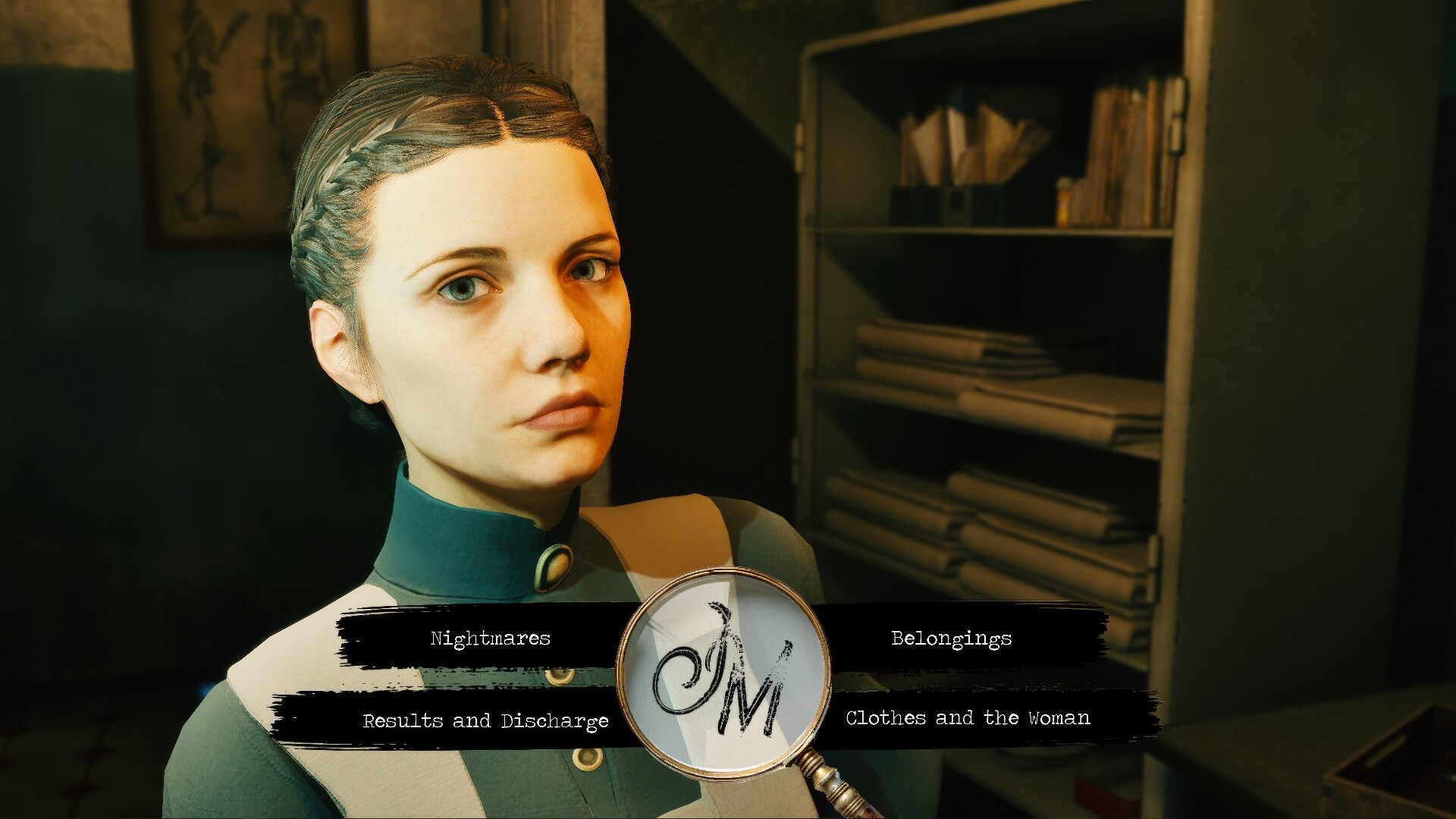
There are limitations, of course. Players looking for complex puzzles or branching narratives may find the experience too straightforward. Interaction is minimal, and the mechanics rarely surprise. But that simplicity feels intentional. This is a story-first game that understands its own scope and sticks to it, trusting mood and writing to do the heavy lifting.
The Last Case of John Morley isn’t loud or flashy, and it doesn’t try to reinvent the detective genre. Instead, it offers something quieter and more reflective: a short, carefully constructed descent into memory, regret, and the cost of truth. It’s the kind of game you finish in an evening, then find yourself still thinking about later, when the lights are off and the past feels a little closer than you’d like.







Sort by:
Comments :0