


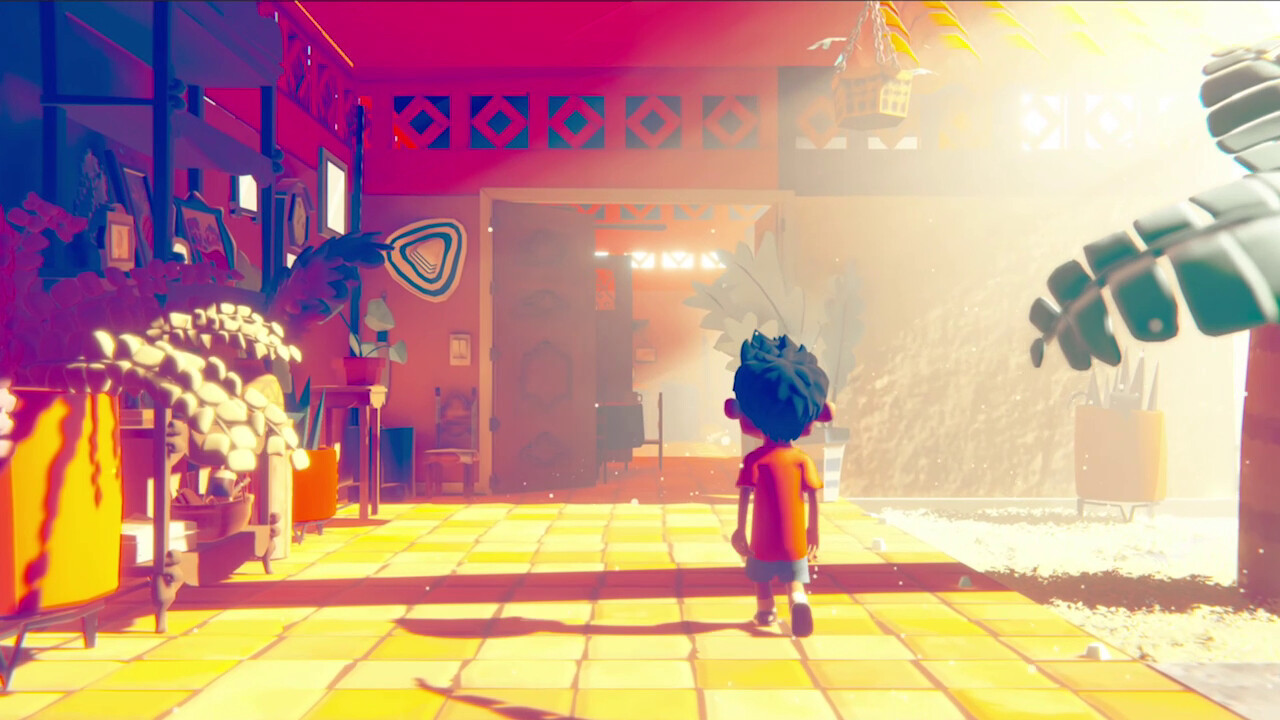
I don’t think Sopa would work nearly as well if it didn’t look the way it does — and I mean that as the highest possible compliment. This is one of those games where the art style isn’t just a presentation choice, it’s the emotional backbone of the entire experience. From the moment Miho steps into the pantry and the world quietly bends around him, I knew I was playing something special.
The visuals are absolutely gorgeous. Everything feels hand-crafted and alive, like a moving storybook infused with magical realism. The colors are warm and expressive, the lighting is soft and dreamlike, and every environment feels intentionally composed rather than procedurally filled. Whether I was wandering through lush rainforests, navigating precarious little towns, or chatting with talking animals, I kept stopping just to look around. It genuinely feels inspired by films like Spirited Away and Coco, not in a derivative way, but in how it uses beauty and stillness to tell a story without words.
What really impressed me is how the art style supports the narrative. Sopa is a game about family, memory, and inheritance — emotional themes that can easily feel heavy-handed — but the visuals carry a lot of that weight naturally. Every return to the kitchen subtly reinforces the idea that time is moving, that things change, even when we don’t expect them to. Those shifts hit harder because the world feels so tangible and lovingly made.
Gameplay itself is gentle and approachable. This isn’t a game that’s trying to challenge your reflexes or overwhelm you with systems. Instead, it invites you to explore, solve light puzzles, collect items, and let the journey unfold at its own pace. I found that refreshing. It feels designed to be played slowly, thoughtfully — the kind of game where rushing through it would feel like missing the point.
The characters you meet along the way are quirky and memorable, often funny in a soft, sincere way. There’s a warmth to the writing that pairs beautifully with the visuals, making the world feel welcoming even when it’s mysterious. The side quests and collectible clay figurines never felt like filler; they felt like small stories folded into a larger one.
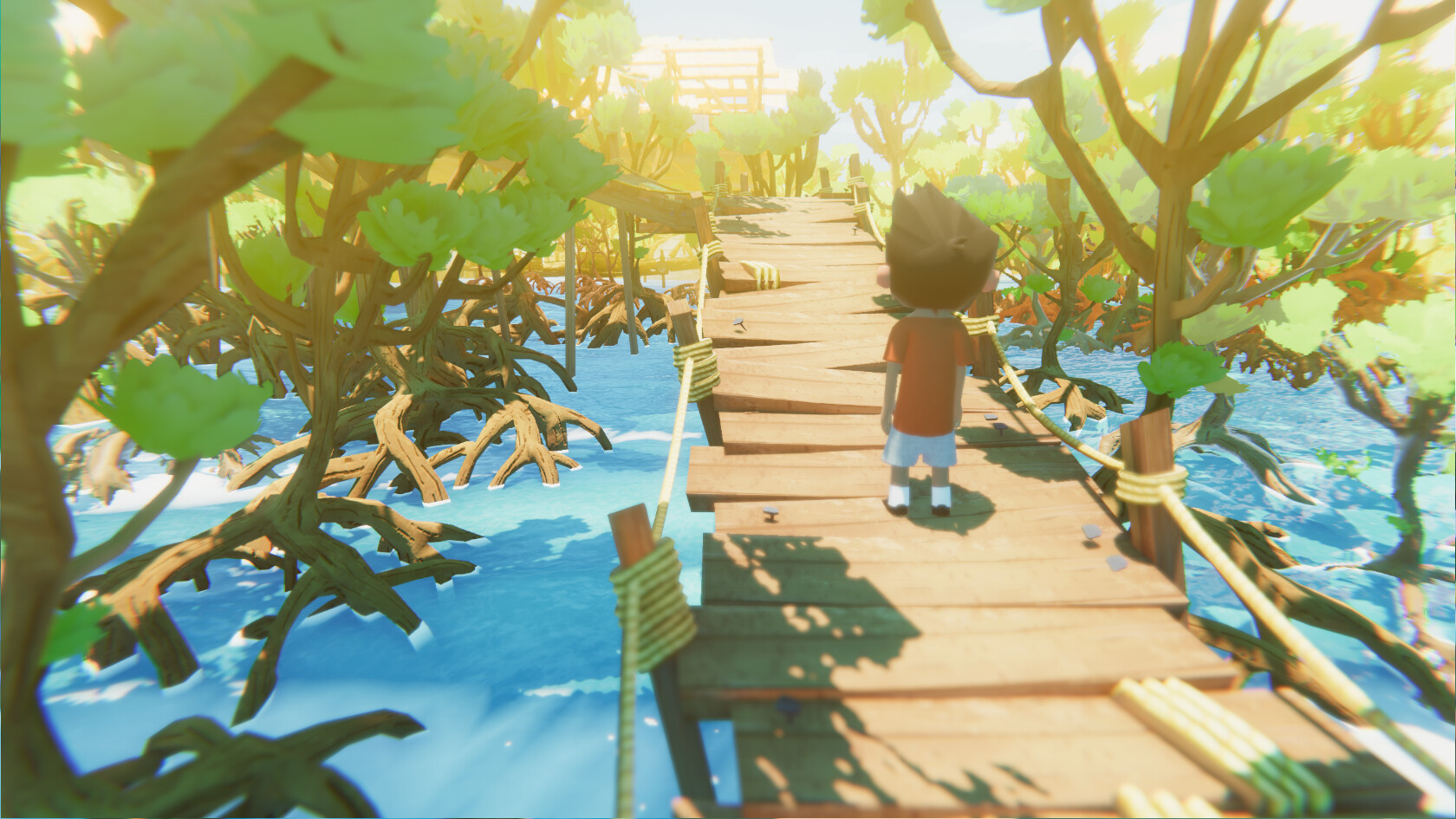
The soundtrack deserves special praise too. The Latin American influences aren’t just window dressing — they ground the fantasy in a real cultural identity and give the game a sense of place that lingers. Combined with the visuals, the music often made moments feel quietly emotional without explicitly telling me how to feel.
Sopa isn’t a long game, and it doesn’t try to be. At around four hours, it tells its story, says what it needs to say, and steps aside. I walked away feeling comforted rather than exhausted — like finishing a good book or, fittingly, a warm bowl of soup.
More than anything, Sopa reminded me how powerful visual storytelling can be. Its art style isn’t just beautiful — it’s purposeful, expressive, and deeply tied to its themes. If you value atmosphere, heart, and games that treat art as more than just decoration, Sopa is absolutely worth your time.



Sort by:
Comments :0