


There’s a particular loneliness to The Last Caretaker that sneaks up on you. Not the bombastic, end-of-the-world loneliness that so many post-apocalyptic games chase, but something quieter and heavier—the kind that settles in when you realize there’s no one left to thank you for doing the right thing. You are a machine, reawakened after humanity’s long retreat beneath the waves, and the world doesn’t care that you’re trying your best.
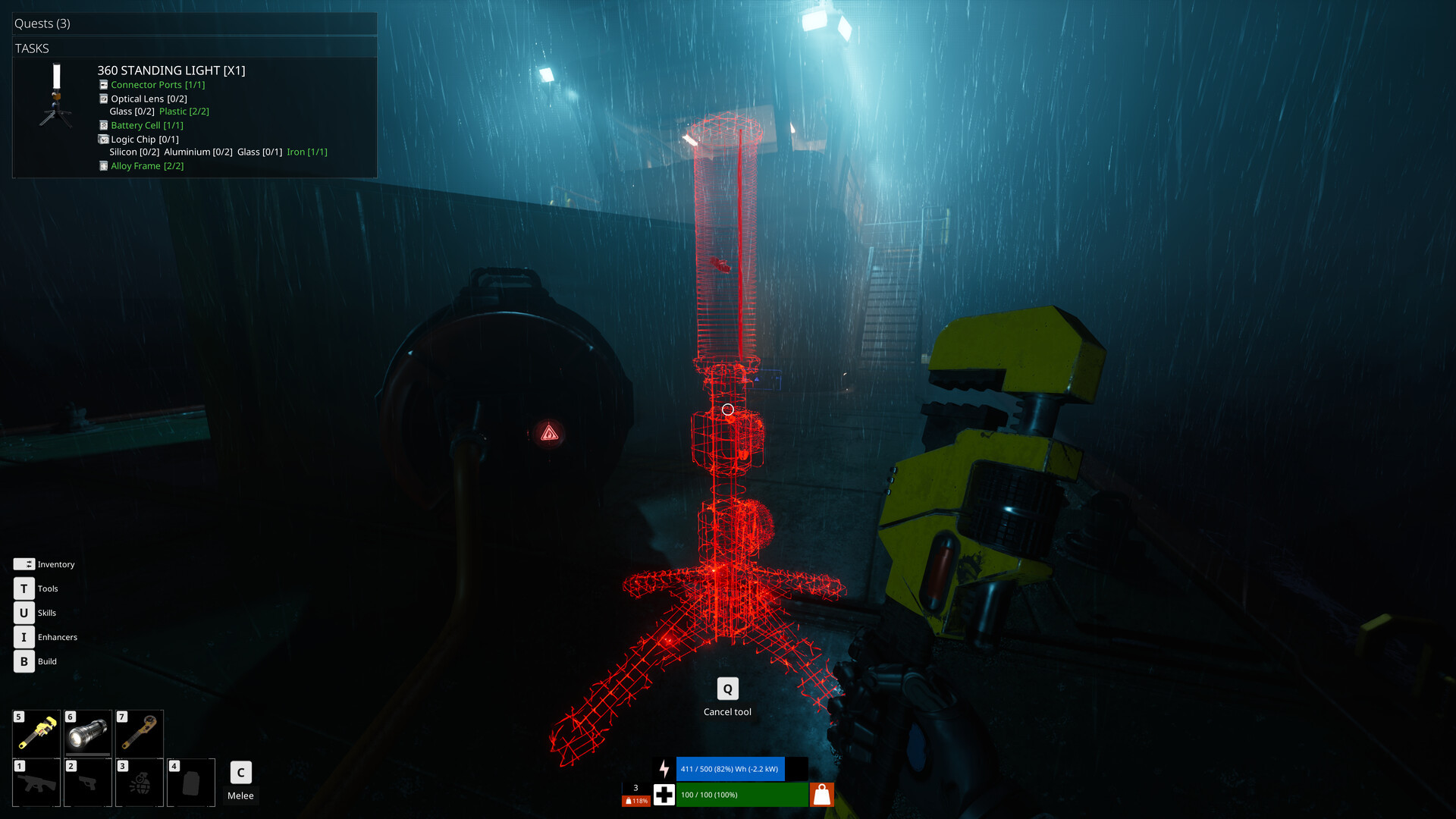
On paper, The Last Caretaker looks familiar. You scavenge resources, craft tools, upgrade systems, and defend yourself against hostile threats. But in practice, it’s less about mastering a survival checklist and more about learning how to live with the weight of responsibility. Every action—every piece of scrap you turn into a flashlight, every system you repair instead of dismantle—feels like it matters in a way that isn’t always mechanical, but emotional.
The setting does a lot of the heavy lifting. Earth is gone in the way that feels plausible and tragic: not destroyed, just drowned. Rusted megastructures rise out of an endless ocean like bones breaking through skin, still humming faintly with purpose. You move through storms and quiet stretches of open water, listening for signals that might lead to lost history or something still worth saving. Exploration here isn’t about map completion; it’s about curiosity. You don’t just ask, what’s over there? You ask, why was this built in the first place?
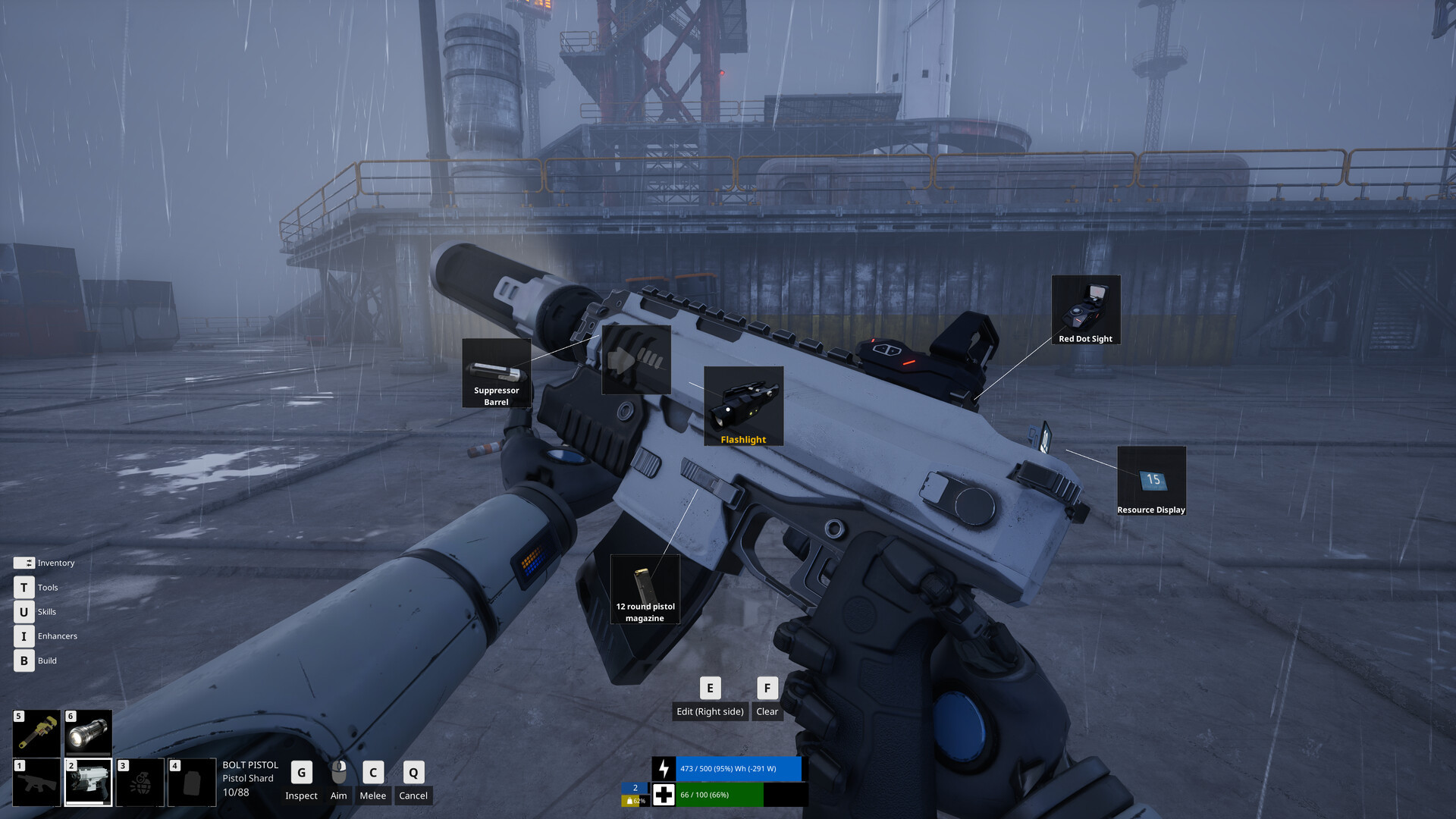
Crafting is deep but restrained. Resources are limited enough that experimentation feels risky, and that’s intentional. The game pushes you to commit—to choose a path and live with it. Upgrading your robotic body isn’t about becoming stronger for its own sake; it’s about staying operational long enough to fulfill a directive you didn’t choose but can’t abandon. Even small conveniences, like weapon attachments or energy management tools, carry an unspoken cost: something else could have used those materials.
The narrative unfolds in fragments. Encrypted logs, silent terminals, half-functioning systems—they don’t explain everything, and they don’t need to. The story trusts you to sit with ambiguity. Humanity isn’t romanticized here; it’s remembered through mistakes, desperation, and hope stubborn enough to survive catastrophe. The goal—recovering human seeds, reactivating the Lazarus Complex, launching life back into the stars—is clear, but the why is something you piece together slowly, and sometimes painfully.
Combat exists, and it can be tense. Rogue machines and biomechanical threats disrupt the stillness, forcing you to stay alert. But fighting never feels like the point. Survival is framed less as domination and more as persistence. You adapt, defend yourself, and keep moving—not because you want to win, but because stopping means everything ends.
What makes The Last Caretaker stand out is its sense of purpose. It’s a survival game that isn’t obsessed with how long you can last, but with what you’re willing to preserve. The core pillars—connection, exploration, caretaking, resilience—aren’t buzzwords; they’re felt in the quiet moments, when you’re balancing energy levels or nurturing the fragile beginnings of new human life. These systems ask you to think beyond yourself, even when you’re the only thing left standing.
The game feels like something that will grow over time, not just in content, but in meaning, as players uncover more of its world and implications. It’s not flashy, and it doesn’t rush to impress. Instead, it asks you to slow down, pay attention, and take responsibility for a future you’ll never personally enjoy.
And somehow, that makes it one of the more human survival games out there.






Sort by:
Comments :0