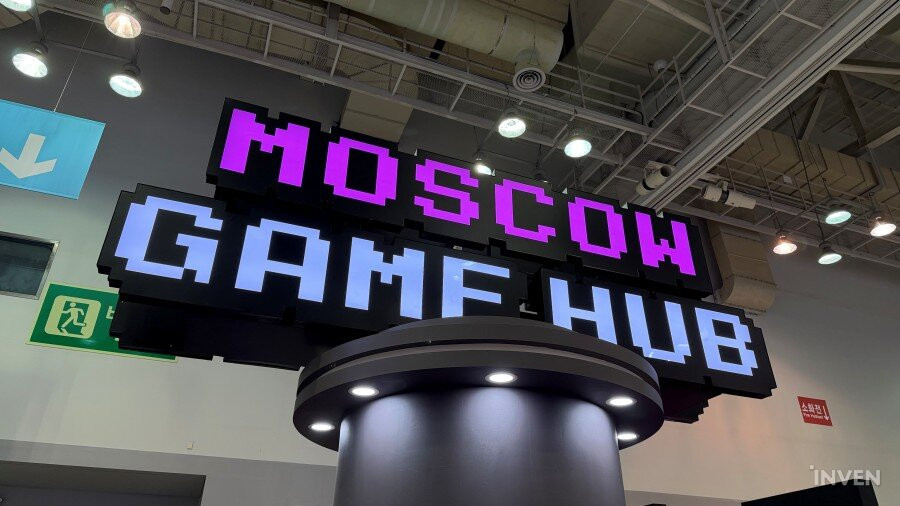
The Moscow Times reported that on April 28 (local time), the State Duma, Russia's lower house of parliament, saw a proposal calling for video game distribution to be placed under state control.
Yana Lantratova, chair of the Russian Council for the Development of Civil Society, stated, "We should start by introducing a distribution certification system, similar to the one used for films," adding that such measures would help support domestic game developers.
Subsequently, a "Bill on the Development and Distribution of Video Games in Russia" was submitted to the State Duma. The bill's explanatory memorandum states that it is necessary to "set restrictions" on games to "protect the morality, rights, and legitimate interests of citizens." The bill is expected to be reviewed within this year. If passed, it would create a barrier similar in essence to China's 'ISBN' (game license) system, though not identical.
Until now, foreign games could be released in the Russian market without separate permits. Global platforms like Steam and PlayStation have operated without major issues, and some domestic game companies have also achieved significant success in the Russian market.
Industry observers view this move as part of Russia's push to reclaim 'digital sovereignty.' Russia has been taking a favorable stance toward the gaming industry, and President Vladimir Putin has consistently allocated state funds since 2022 to urge the domestic industry to build its own game engines, consoles, and platform ecosystems.
At the same time, the government has argued for regulating the computer game market to prevent the spread of distorted views regarding Russia's position and role in the world. In 2025, it also prepared an amendment to the Administrative Code that would impose fines of up to 5 million rubles if video games contain 'anti-Russian' or prohibited content.
"Furthermore, in January, Mikhail Ivanov, a deputy of the Bryansk Regional Duma, argued for a total ban on the distribution of 'GTA 6' in Russia or the removal of problematic content, claiming that the male striptease scenes in the game were a "direct and cynical violation of Russia's traditional spiritual values.""
In short, Russia's current policy is to aim for 'gaming independence' by banning games that depict the country negatively, placing hurdles on foreign game entry, and promoting the domestic game industry.
In 2025, Russian gamers' estimated spending is expected to reach 175 billion rubles (approximately ₩3 trillion), a 33% increase from the previous year. While the gaming market is growing, Russia remains a somewhat uncomfortable market for major publishers.
Since the outbreak of the Russia-Ukraine war in 2022, many large developers and publishers—including Activision Blizzard, EA, 2K, and CD Projekt Red—have completely withdrawn from the Russian market to signal their opposition to the war, making it difficult for them to re-enter due to the sensitive political climate.
It remains to be seen what kind of results the Russian gaming industry will produce as it expands its domestic market and solidifies these barriers during the vacuum left by foreign games, and whether it will ultimately succeed in reclaiming digital sovereignty to create its own 'gaming utopia.'

Sort by:
Comments :0