Today, it has become the industry standard to host online showcases to deliver new updates to gamers worldwide. From 'Summer Game Fest (SGF)', 'The Game Awards (TGA)', and 'Gamescom Opening Night Live' to 'Nintendo Direct' and 'Sony State of Play', broadcasting live from a physical venue to a global audience is the new norm. While gamers can comfortably enjoy new game reveals and surprise announcements from their living rooms, that seamless viewing experience doesn't happen on its own. Behind the scenes, dedicated professionals work tirelessly to orchestrate the show's flow and ensure its overall quality.
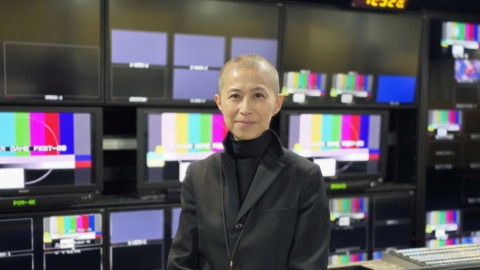
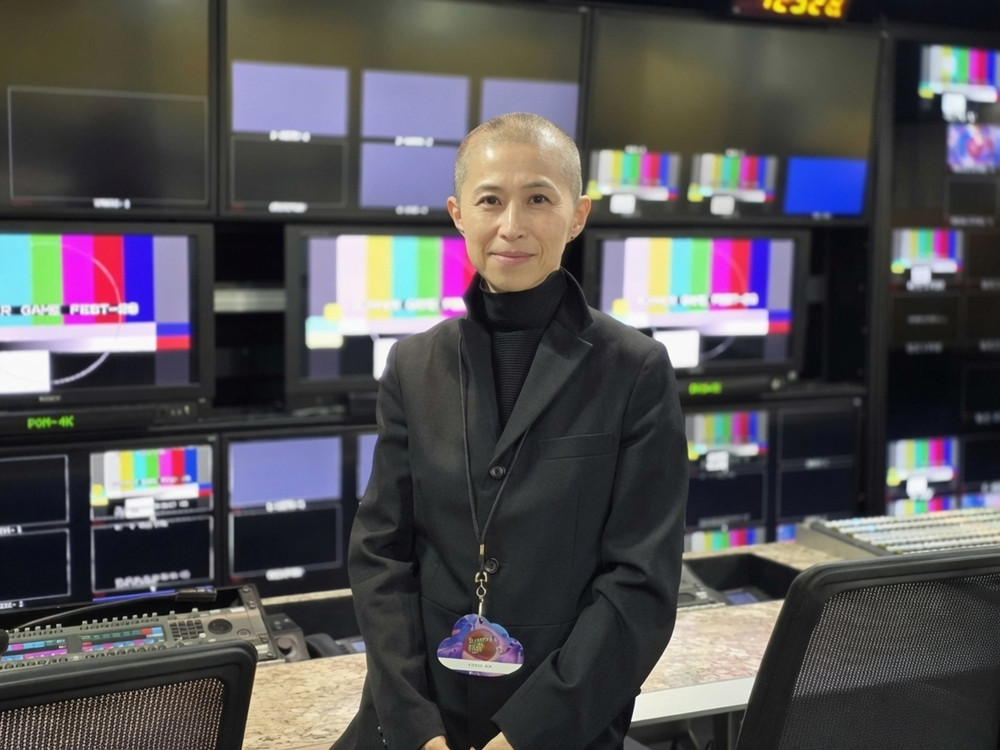
Producer Kimmie Kim is a veteran in show production with extensive experience across TV, film, music, and live events. In the US broadcasting industry, she participated in producing the Primetime Emmy Awards and served as a producer for the Academy Awards (Oscars) in 2015. During the 2021 Oscars, she notably produced the dedicated segment for Director Bong Joon-ho. Kimmie Kim stepped into the gaming field about 15 years ago when she joined Spike TV's Video Game Awards (VGA).
Today, Kimmie Kim is the mastermind overseeing the most prestigious live events in the global gaming industry. She serves as the Executive Producer and Showrunner for 'Summer Game Fest (SGF)', 'The Game Awards (TGA)', and 'Gamescom Opening Night Live'. She has worked alongside Geoff Keighley—the creator, executive producer, and host of these shows—for over 10 years. The influence of the stages produced by Kim is evident in the numbers. 'The Game Awards 2025', held last December 11, achieved a record-breaking viewership with a cumulative 171 million streams.
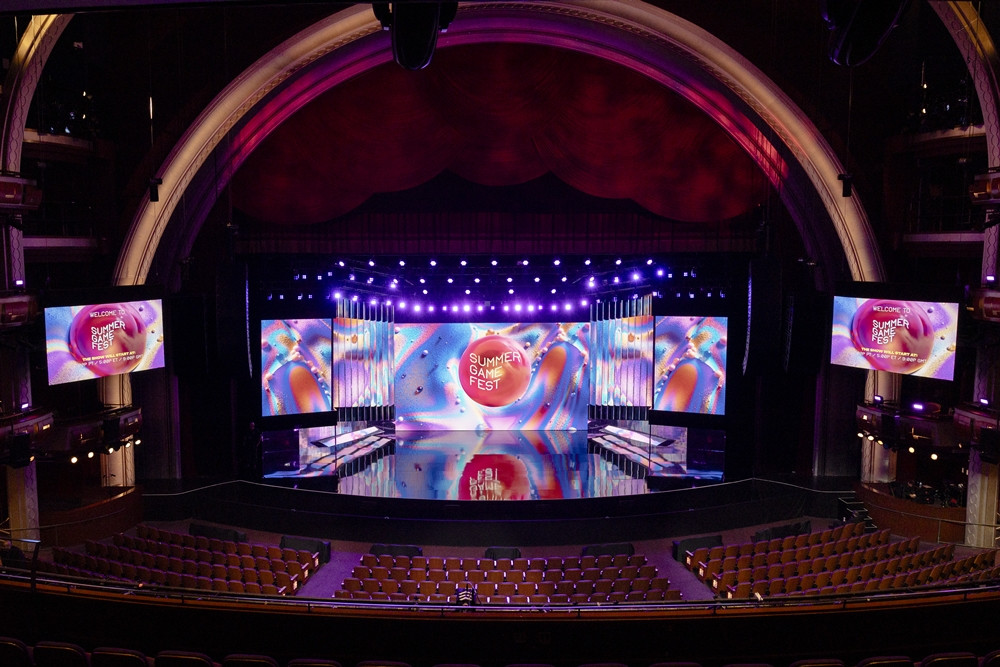
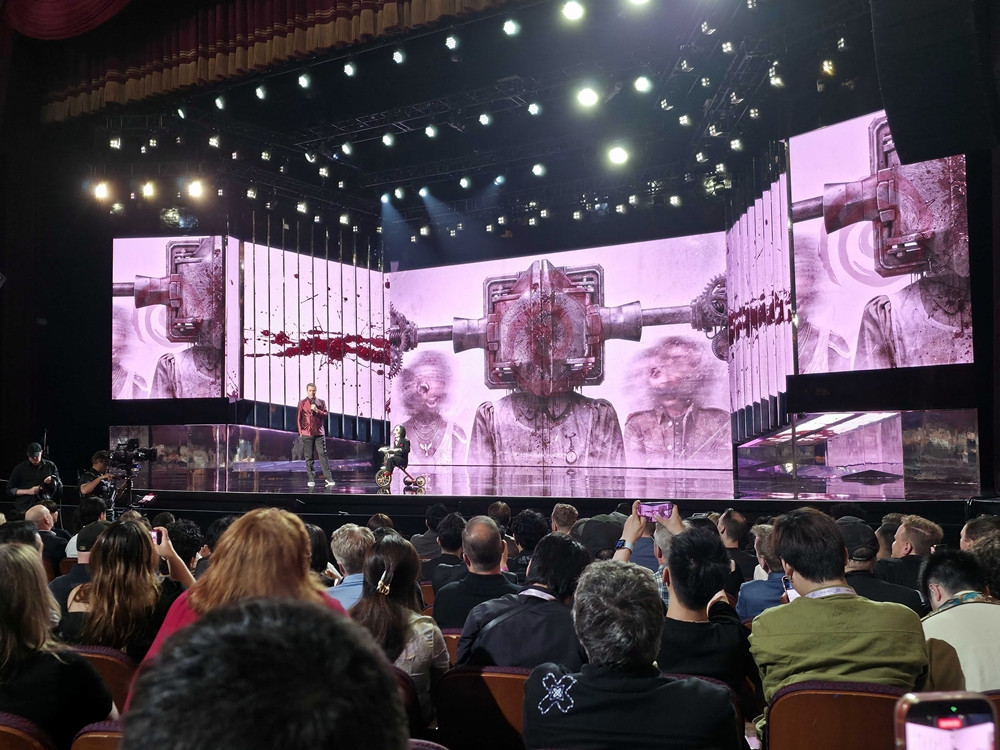
This year, 'Summer Game Fest 2026' took place on June 5 (local time) as an approximate two-hour main showcase at the Dolby Theatre in Los Angeles. The stage captured the attention of gamers worldwide with a succession of major new reveals, including 'Resident Evil Veronica' and 'Final Fantasy VII Revelation'. The event, which had previously been held at the YouTube Theater, moved its stage to the Dolby Theatre this year and also brought changes to its production team structure. We sat down with Producer Kimmie Kim, the orchestrator navigating these changes on-site, to hear firsthand what it takes to bring live gaming shows to life.
Q. Congratulations on successfully wrapping up Summer Game Fest (SGF)! The energy on-site was incredible. How do you feel now that the event has successfully concluded? From your perspective backstage as a producer, could you share the single most thrilling or memorable moment from this year's show?
I’m relieved and grateful to our incredible team and all of our collaborators. It was real teamwork all around!
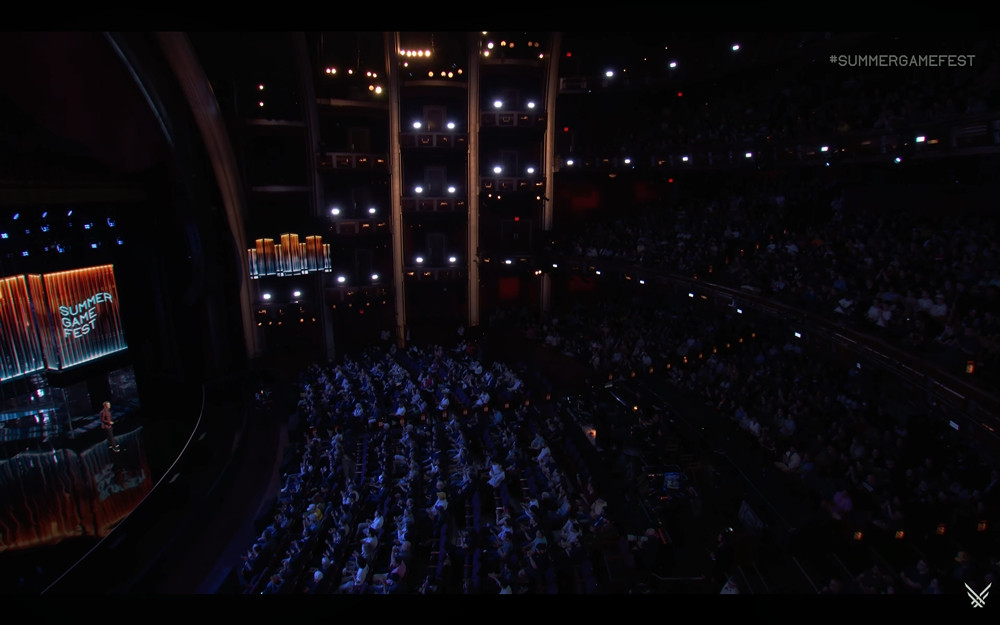
It’s hard to single out just one moment, but the most rewarding aspect was the audience’s real-time response. We often feel their energy right away, but this time it was especially powerful, and it truly helped carry and energize the show throughout.
Q. While preparing for this year's SGF, what were some new approaches you took in terms of directing or planning compared to previous years? What was the biggest challenge you faced?
This year, we moved to the Dolby Theatre and also underwent some changes in our team structure.
I look at it simply in our industry, like any other field, things are always evolving. Whether we like it or not, change is inevitable. So for me, the most important thing is how we embrace it and adapt as it comes.
Q. Many gamers enjoy the spectacular stages, but they often don't fully understand the exact role of a producer. I think a show producer is like an "orchestra conductor" coordinating numerous departments. To weave a massive show watched by millions into a complete piece of art, could you share a specific example of the most crucial, behind-the-scenes task you perform to ensure the show's success—something that the audience never gets to see on their screens?
The analogy that 'a show producer is like an orchestra conductor' is spot on. Every time I do a show, I’m reminded of the same thing. Those truly memorable moments in live events are never created by one person. It always takes a collective effort, a lot of people coming together to make it happen. Streamlining communications, an invisible yet possibly most powerful force, is the key to orchestrating the “concert” successfully.
Q. Viewers experience SGF as a spectacular two to three-hour live broadcast, but a producer's clock must start ticking much earlier. What is the general timeline and preparation process from the initial conceptualization of a show to the exact moment it goes live on stage? I’m curious about the overall work cycle of a show producer from the beginning to the end of a project.
As a freelance executive producer and showrunner, I’m always juggling multiple projects. At this point, there’s rarely a clear starting line. Even while I’m deep in SGF 26, I’m already taking notes and thinking about what carries into SGF 27.
The nature of freelancing is that there’s no guarantee I’ll be back next year. But my job is to make sure the show is set up to continue and evolve, with or without me.
Q. Summer Game Fest is a massive live broadcast watched by millions around the world in real-time. Given the nature of live events, unexpected situations or technical issues are bound to happen. Behind the stage, where countless announcements are rolling out breathlessly, what is your personal know-how as the lead producer for handling these nerve-wracking crises and maintaining the seamless flow of the show?
There are many ways to run a live show, and I happen to be a “video truck” producer, meaning I stay right behind the director in the truck, where everything unfolds in real time. At the end of the day, my approach is simple: trust the team. Everyone is moving toward the same goal, and that’s what makes it work. Because no matter what happens, the show has to go on.
Q. You’ve built a stellar career across traditional entertainment, including music, film, and TV. What was the specific turning point or motivation that led you to expand your stage to video game-centric global live shows (like TGA, SGF, and Gamescom)?
I didn’t grow up as a gamer in the traditional sense. I was raised in Seoul, Korea, where my mother, a school teacher, wasn’t fond of video games. Back then, if you wanted to play, you went to small arcades or “game rooms.” When I first came into this space with Spike TV’s Video Game Awards (2011), I approached it the only way I knew how, as a live show producer, the same way I would any major awards show.
I’ve stayed in gaming for two reasons: the industry embraced that approach, and I genuinely enjoyed the collaboration. And over time, gaming has grown into a major cultural force, intersecting with music, TV, film, and sports, and I value being part of that evolution.
Q. Planning countless entertainment shows must require you to constantly stay on top of new trends. As "Kimmie Kim the individual" rather than the producer, what are your personal tastes in content (games, movies, music, etc.) that you enjoy for everyday inspiration? Could you share a piece of media you consider an all-time favorite or something you’ve found most interesting recently?
It is hard to pick just one because each genre appeals to me for different reasons, but if I had to choose, it would be movies. In the streaming era, there is such an overwhelming amount of things to watch that it can sometimes be daunting. Still, there is nothing quite like an early Saturday afternoon matinee at a local theater. For me, that remains the absolute best way to enjoy "content."
Q. There are countless passionate gamers in South Korea who stay up all night every year to watch SGF and TGA with immense excitement. Could you share a word for the Korean fans watching the show through their screens, as well as a separate piece of advice for aspiring producers who dream of orchestrating incredible entertainment shows like you do?
To the fans, I want to say thank you from the bottom of my heart for the support you have shown. That sentiment is the greatest source of strength for me. I want to repay that support with the best possible show that you can all enjoy. Also, I am incredibly proud to see the Korean gaming industry steadily grow.
To those dreaming of becoming producers, I want to tell you this: continue pushing your limits, but never lose your kindness and consideration for your team members. Because without them, you cannot achieve anything.

Sort by:
Comments :0