We met with Mike McCabe, Deputy CEO and COO of the Esports World Cup (EWC) and the Esports Foundation (EF), which oversees the tournament, at the EWC venue. He spoke candidly about the operational results of the Paris event and the organization's global expansion strategy, while also addressing the background behind the suspension of cooperation with the International Olympic Committee (IOC), criteria for selecting game titles and host cities, and the Foundation's long-term sustainability strategy in response to rumors of a Saudi capital reallocation.
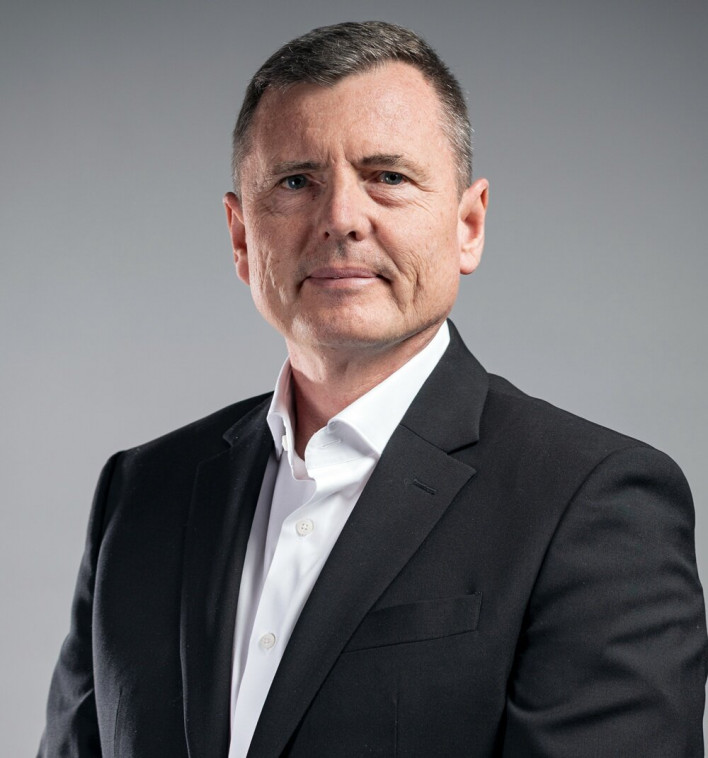
McCabe reflected on the successful establishment of the Paris event while confronting the recent market uncertainties surrounding massive capital. He also expressed reverence for South Korea—the birthplace of esports—and T1's Lee 'Faker' Sang-hyeok, while outlining the long-term blueprint for the ecosystem envisioned by the EWC.
At a Crossroads with the Olympics, and the Independent Challenge of the 'Esports Nations Cup (ENC)'
The EF Foundation, which had partnered with the Saudi Olympic and Paralympic Committee and the IOC to develop Olympic esports games, recently decided to suspend that cooperation and 'go their separate ways.'
McCabe explained the background, stating, "The decision was made due to differences in the speed of tournament operations." However, the synergy provided by international competition was an area they could not abandon, even without the Olympic title. This is why the EF Foundation launched its own independent national tournament, the 'Esports Nations Cup (ENC).'
"Competition between nations is a powerful engine that will significantly accelerate the growth of esports," he said. "If we can first prove its infinite potential through the ENC, the IOC may recognize this potential and resume discussions in the future."
A Global Blueprint Confirmed in Paris, and Seoul, the 'Birthplace of Esports'
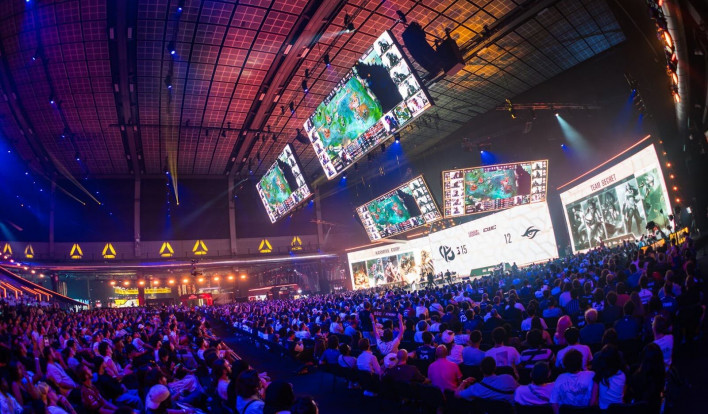
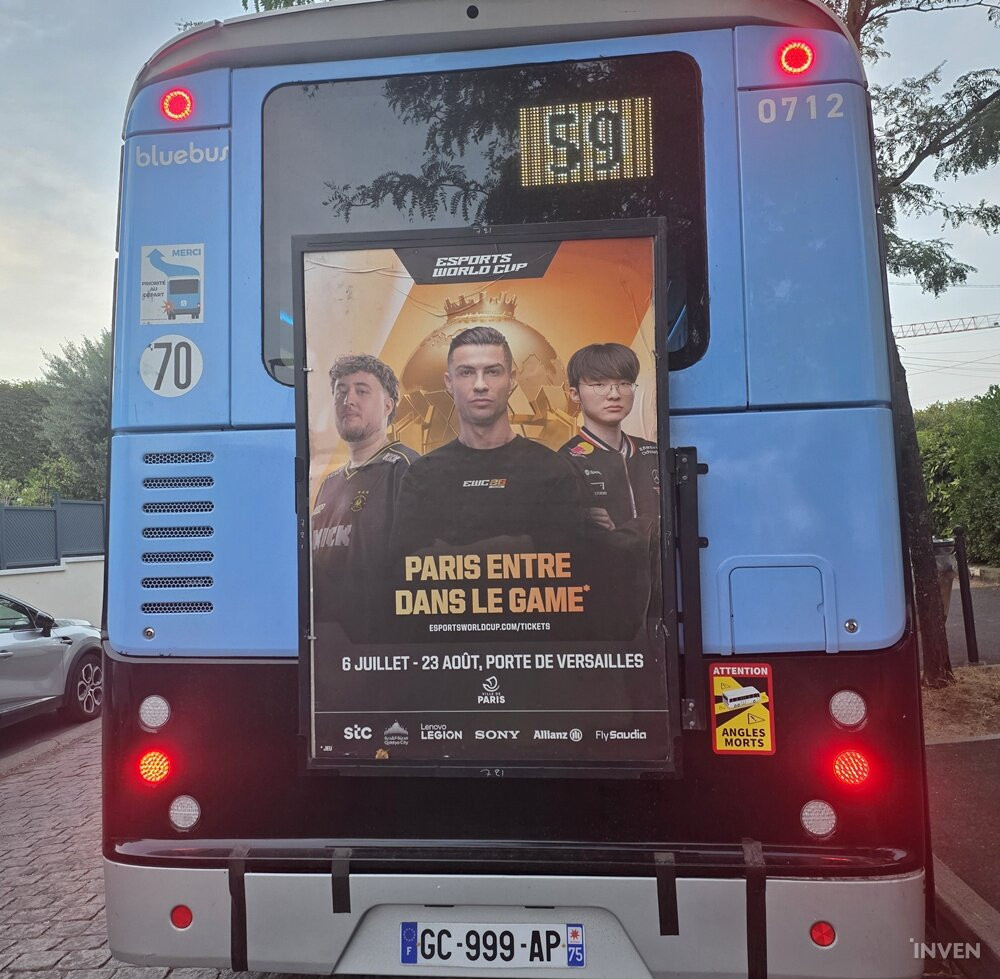
The Paris event was a crucial test for the EWC in many respects. Although the preparation period was short, the local response was explosive. The excellent accessibility for European fans and the French government's swift visa support combined to create perfect synergy. McCabe assessed, "Paris has become a blueprint that we can utilize when hosting the EWC in other cities around the world in the future."
While Paris became the secondary option after Riyadh became difficult to host for unavoidable reasons, this has increased the possibility of hosting in other countries and cities. He noted, "First, there must be an established esports community and fan base in the region. Also, because teams and players from over 100 countries participate, international transport accessibility (airport hubs) is essential. Along with excellent technical infrastructure, such as stable internet for fair competition, we need a base of over 400 skilled local personnel and partners to operate the seven-stage broadcast system behind the scenes."
.
Naturally, questions about hosting in Seoul, South Korea, arose. COO Mike McCabe said, "Seoul has excellent infrastructure, and in my opinion, it is the birthplace of esports. I, too, first witnessed the phenomenal passion of Korean fans while watching StarCraft tournaments in Seoul in the early 2000s. If we could host an EWC or ENC in Korea someday, it would be very meaningful and a natural progression."
On 'Faker' Standing Shoulder-to-Shoulder with Ronaldo, and the 'Next Faker'
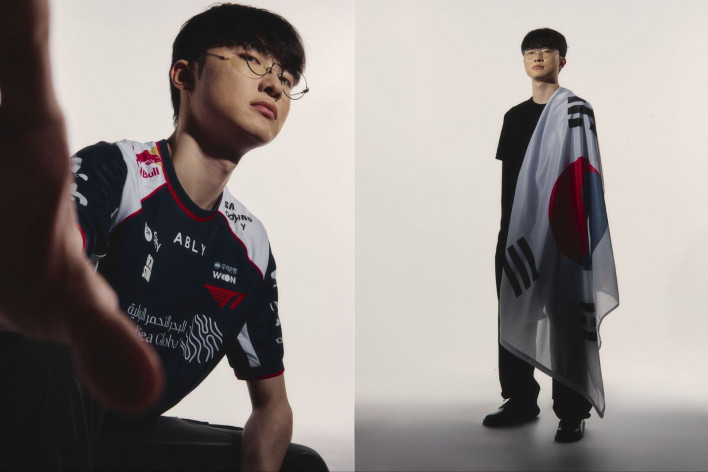
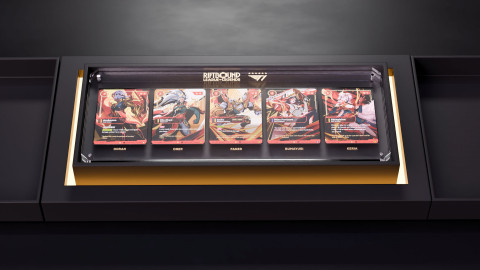
Another hot topic at this EWC was the selection of T1's Lee 'Faker' Sang-hyeok as an official ambassador. Reaching the same rank as football's Ronaldo or chess' Carlsen is an achievement so great it hardly needs explanation.
McCabe asserted, "It was only natural that 'Faker,' the greatest player in esports history, was selected as an ambassador." Recalling a dinner he had with Faker a few days prior, he said, "I was deeply impressed by his profound curiosity; he constantly asked questions about how different esports ecosystems function, such as how heart rate monitoring equipment is used to show viewers the pressure players feel during a chess match."
We also asked for his thoughts on the 'Next Faker,' an eternal homework assignment for Korean esports. The EF Foundation prefers the coexistence of multiple superstars rather than searching for another single Faker.
Citing F1's Lewis Hamilton as an example, he emphasized, "I hope Faker continues his active career at the top for as long as he wants. The grueling effort and training intensity that esports athletes pour in are no different from those of traditional sports athletes. The Foundation's role is to help form a deep pool of stars so that they can receive global recognition."
Confronting Rumors of Saudi Capital Reallocation... 'True Self-Sustainability' Created by a Non-Profit Model
There have been recent foreign media reports that the Saudi Public Investment Fund (PIF) is reallocating investments in new businesses, including esports, amid the global economic downturn. McCabe dismissed these concerns by citing the Foundation's unique 'non-profit business model.'
The sustainability strategy for the EWC that he revealed has two main pillars. The first is the 'stabilization of the esports ecosystem.' Before the tournament, there was high volatility, with teams failing to maintain their rosters annually, but the EWC has signed multi-year partnerships with publishers. This allows teams to make long-term investments in their rosters with the confidence that core titles like League of Legends or PUBG will continue to be included in the EWC.
The second is 'securing the Foundation's own self-sustainability.' The EWC does not rely on unilateral subsidies from Saudi Arabia but has created a diversified revenue structure through global sponsorships, ticket and merchandise sales, and media broadcasting rights.
McCabe added, "Because we are a non-profit organization, we are not under pressure to achieve short-term profit margins every year. Thanks to this, we are not fixated on short-term performance and can continue to make bold, long-term investments for the entire esports industry over many years."
"Without Korea, There Would Be No Esports Today"
McCabe expressed his gratitude to Korean fans. He said, "I sincerely love the deep understanding and passion for esports that Korean fans show. I look forward to meeting more Korean fans not only in Paris this summer, but also at the ENC in Riyadh in November and the 2027 EWC. And above all, I am truly grateful to Korea for giving birth to the esports of today. Without Korea, we wouldn't even be sitting here discussing such a global tournament."
While many were skeptical about how long the flashy festival started by oil money could last, the EWC is proving its value through the long-term design of a non-profit foundation and a concrete blueprint of global rotating host cities.

Sort by:
Comments :0