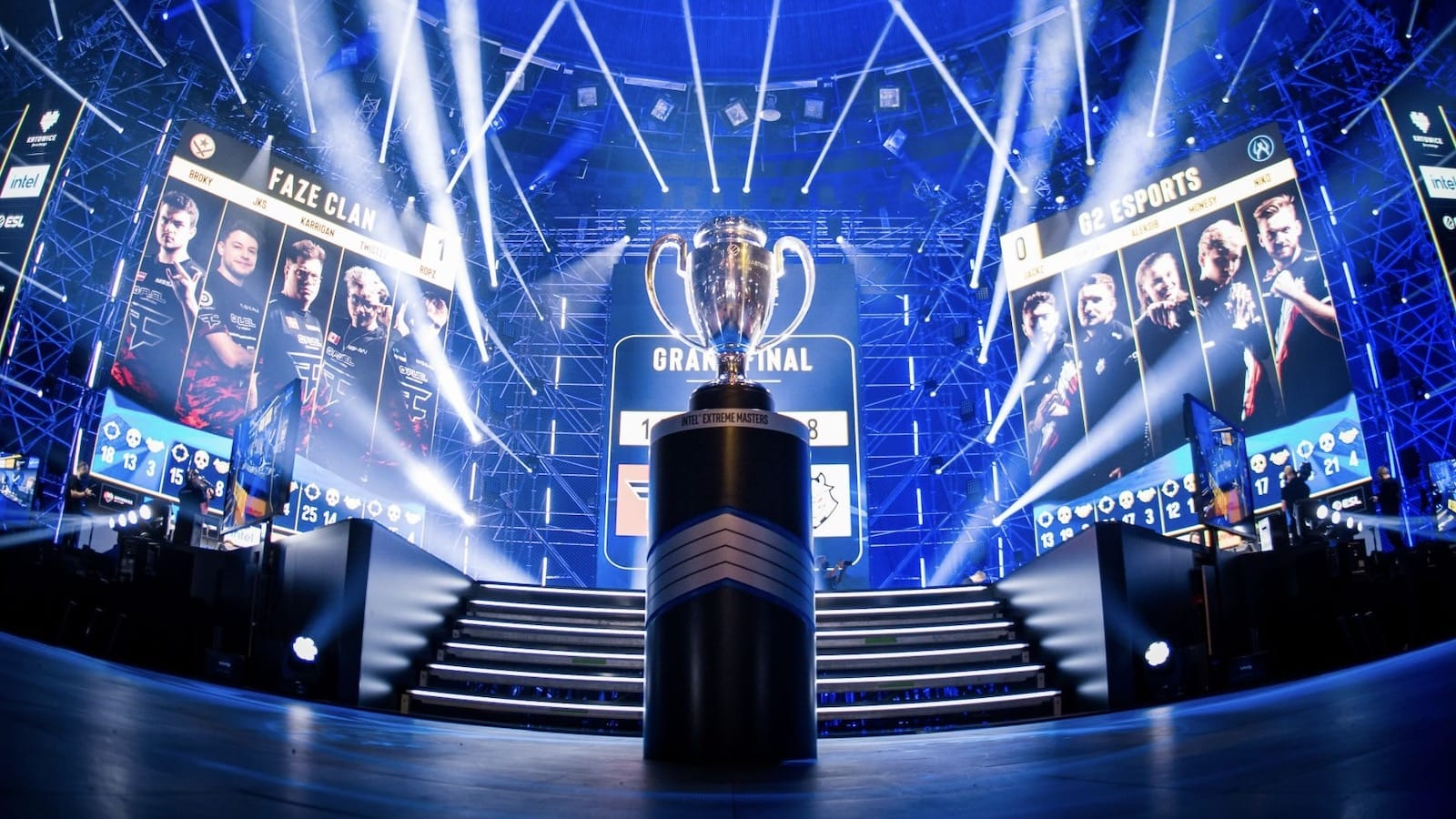
Esports has evolved into a structured international ecosystem centered on organized competitive games, professional leagues, major tournaments, and large digital audiences. The most popular esports are identified not solely by player numbers, but also through viewership data, prize pool scales, publisher involvement, and long-term competitive consistency. Games that sustain relevance over time usually balance accessibility with strategic depth, ongoing developer support, and well-established tournament circuits. As the ecosystem has expanded, related industries — including media rights, sponsorships, and analytical platforms such as resources covering best sportsbooks Ontario — have developed alongside the competitive scene, reflecting the broader commercial environment surrounding modern esports.
This article presents a neutral overview of the most popular esports games, the top esports games by competitive relevance, and several fast-growing titles. It also outlines the technical environment required for competitive play and highlights the role of responsible gambling, which has become increasingly relevant due to esports-related betting markets and skin-based wagering systems.
Top 10 Esports Games in the Global Competitive Scene
The following titles are frequently listed among the top 10 esports games due to sustained tournament ecosystems, professional team participation, and global audience metrics.
|
Game Title |
Genre |
Core Competitive Format |
Primary Platforms |
Notable Esports Characteristics |
|
League of Legends |
MOBA |
5v5 team-based |
PC |
Franchised regional leagues, World Championship |
|
Counter-Strike 2 |
Tactical FPS |
5v5 round-based |
PC |
Longstanding tournament circuit, tactical depth |
|
Dota 2 |
MOBA |
5v5 team-based |
PC |
The International, large prize pools |
|
Valorant |
Tactical FPS |
5v5 agent-based |
PC |
Structured publisher-led circuit |
|
Fortnite |
Battle Royale |
Solo / Team |
PC, Console |
Mixed open and invitational formats |
|
PUBG: Battlegrounds |
Battle Royale |
Squad-based |
PC, Console |
Tactical survival competition |
|
PUBG Mobile |
Battle Royale |
Squad-based |
Mobile |
Large mobile esports ecosystem |
|
Arena of Valor |
MOBA |
5v5 |
Mobile |
Strong regional leagues in Asia |
|
Honor of Kings |
MOBA |
5v5 |
Mobile |
One of the largest mobile esports games globally |
|
Apex Legends |
Battle Royale |
Squad-based |
PC, Console |
ALGS structured competition |
These most popular esports games represent different design philosophies: MOBAs emphasize strategic macro-play, tactical shooters focus on precision and coordination, while battle royale formats introduce variable match dynamics and survival-based scoring systems.
Competitive Structure and Audience Dynamics
The most popular esports games typically rely on:
- Publisher-supported leagues (e.g., franchised systems)
- Open qualifiers allowing new teams to enter
- International championships
- Consistent seasonal calendars
Viewership figures vary across regions. Some mobile esports games attract higher audiences in Asia, while PC-based competitive games often dominate in Europe and North America. The diversity of platforms contributes to the global reach of esports, but also creates differences in infrastructure, regulation, and monetization practices.
Fastest Growing Competitive Games
While the established top esports games remain stable, several titles show measurable growth in tournament presence and viewership.
|
Game Title |
Genre |
Growth Factors |
Competitive Notes |
|
Street Fighter 6 |
Fighting Game |
Revival of FGC events, publisher circuits |
Individual skill-focused tournaments |
|
Apex Legends |
Battle Royale |
Structured ALGS ecosystem |
Increasing international participation |
|
Emerging Tactical Shooters |
FPS |
Interest in new formats |
Early-stage circuits, evolving rulesets |
Fighting games represent a distinct branch of competitive games where tournaments are often open-bracket and emphasize individual performance. These scenes differ structurally from team-based esports and maintain independent community-driven circuits alongside publisher events.
Mobile Esports Games and Regional Expansion
Mobile esports games now account for a significant portion of global esports activity. Titles such as PUBG Mobile, Arena of Valor, and Honor of Kings have established regional leagues with professional teams and substantial audiences. Mobile ecosystems differ in several ways:
- Lower hardware entry barriers
- Stronger regional concentration
- Publisher-controlled competitive frameworks
- Integration with broader mobile gaming markets
These factors contribute to mobile esports becoming a central component of the most popular esports games globally.
Esports and Responsible Gambling Considerations
The growth of esports has coincided with the expansion of betting markets related to competitive matches. Additionally, some ecosystems involve skin-based economies, which have previously been linked to unregulated wagering platforms. This has led to increased discussion around responsible gambling.
Key considerations include:
- Age restrictions: Many esports audiences include minors, raising concerns about exposure to gambling-related advertising.
- Regulatory differences: Betting regulations vary by jurisdiction, affecting how esports wagering is monitored.
- Skin betting history: Virtual item wagering has raised questions about consumer protection.
- Educational initiatives: Some tournament organizers and platforms provide guidance on responsible gambling practices.
Responsible gambling frameworks emphasize informed decision-making, awareness of risks, and access to support services. These discussions are increasingly relevant within esports ecosystems but remain separate from the core competitive structure.
Technical Environment for Competitive Play
High-level participation in competitive games requires a stable technical setup. While exact specifications vary, several components are commonly considered.
PC Hardware
Competitive players prioritize consistent frame rates and low system latency. Hardware reliability is often more important than visual fidelity.
Monitor
High refresh-rate displays (commonly 144Hz or higher) are widely used in professional environments to reduce motion blur and input delay.
Input Devices
Precision peripherals such as gaming mice and mechanical keyboards are standard in tactical shooters and MOBAs. Comfort and consistency are emphasized over branding.
Headsets
Clear audio reproduction assists in spatial awareness in many top esports games, particularly FPS titles.
Ergonomics
Chair height, posture, and desk setup are relevant for long practice sessions and tournament play.
In-Game Settings
Professional players often reduce graphical settings to prioritize performance stability and visibility.
Esports Olympic Games Discussions
The concept of esports Olympic games has been discussed in recent years, with some exhibition events and digital sports initiatives taking place under international sports governance structures. These initiatives typically focus on simulation-based or sports-themed titles rather than the most popular esports games such as MOBAs or tactical shooters. The long-term structure and selection criteria remain under development, reflecting ongoing dialogue between traditional sports institutions and the esports sector.
Conclusion
The top 10 esports games represent a combination of long-term stability, global reach, and structured competitive ecosystems. These competitive games differ by genre, platform, and regional emphasis, but share common elements such as organized leagues, professional teams, and large-scale tournaments.
Mobile esports games continue to expand, while newer titles enter the ecosystem through emerging circuits. Alongside this growth, topics such as responsible gambling and regulatory oversight have become more visible in discussions surrounding esports environments.
Understanding the structure of the most popular esports provides context for how digital competitive ecosystems function, how they evolve, and how they intersect with broader digital entertainment and regulatory landscapes.
-
 Guest Reporter
Sort by:
Comments :0