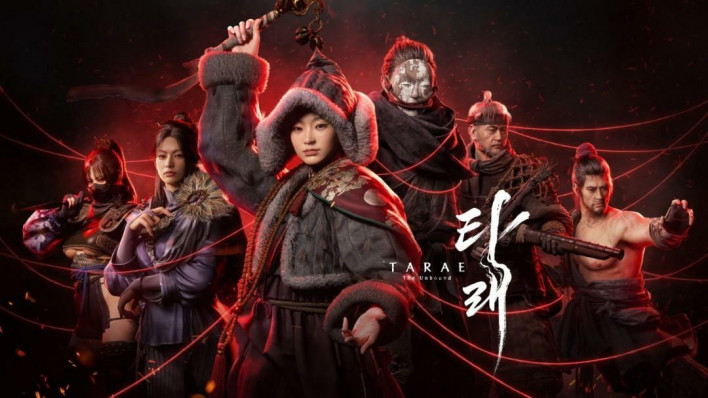
It has been roughly three months since 'TARAE: The Unbound' (hereafter 'TARAE') was first revealed to the world. Its debut took place on the Opening Night Live stage at Gamescom 2026. Although it was a bit disappointing that it made a brief appearance late in the show when fatigue had hit its peak, it was still a standout among the games KRAFTON showcased.
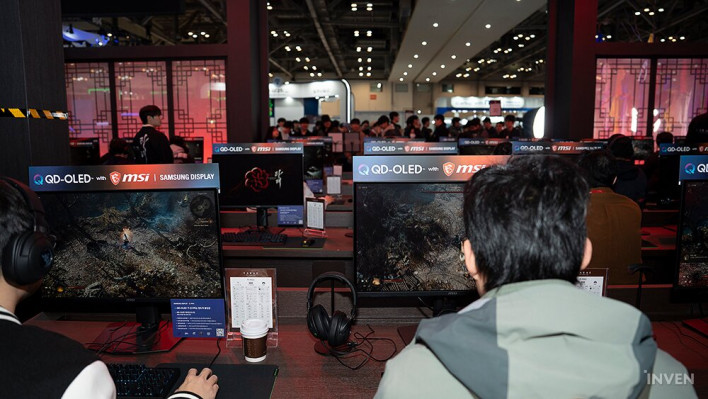
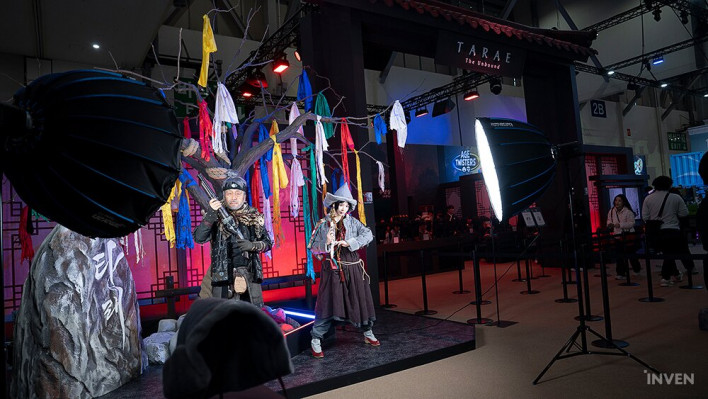
After a series of announcements and showcases, we have arrived at G-Star 2026. As soon as the venue opened, I headed straight to the demo area for TARAE.
Even the background behind the game's development carries quite an interesting narrative. KRAFTON CEO Kim Chang-han first made an impression on the media with 'Devilian', a game that touted itself as a Korean-style hack-and-slash—the very game where he handed out kimchi to journalists. Meanwhile, CEO Gu In-young of Boundary, the developer behind TARAE, also pursued a Korean-style hack-and-slash with his previous title, 'UNDECEMBER', though its results fell short of expectations. In effect, 'TARAE' represents a second attempt at an isometric ARPG for both the publisher's CEO and the developer's head.
Setting those thoughts aside, I took a seat at the demo station for a 30-minute play session. Although on-site restrictions prevented me from capturing direct gameplay footage, I have written an honest account of my initial experience with TARAE, free of exaggeration or AI assistance.
In truth, it is not a hack-and-slash.
In the demo build, TARAE allowed players to choose 4 out of its 6 total classes: the newly debuted 'Tugwi', the gun-wielding 'Chakho Gapsa', the Japanese-style melee character 'Samurai', and the 'Fengshui Master' centered around the five elements. The remaining two classes, 'Kunoichi' and 'Manshin', were locked. Given the world background that blends elements from across East Asian cultures, the roster makes sense. Since a ranged physical character is usually best for getting used to games in this genre, I selected the Chakho Gapsa and started playing.
From first impression to last, the overall feel of the game is remarkably similar to Path of Exile 2 (PoE2). Featuring a heavy sense of impact and a dodge roll-based evasion system, combat in TARAE revolves around managing attack resources, deploying them effectively at the right moments, and evading deadly enemy mechanics.
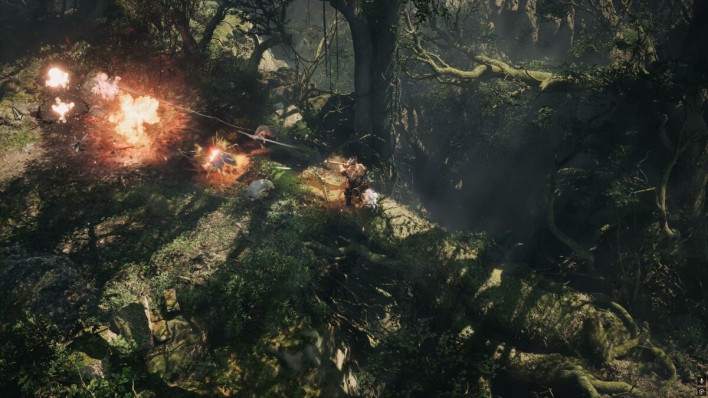
This demonstrates that developer Boundary chose 'action' as the core identity for what an isometric ARPG can achieve. Traditional hack-and-slash games—in the sense of mowing down hordes of enemies rather than just camera perspective—focus primarily on boosting a character's numerical stats. Most challenges are resolved by 'raising your stats higher,' and while boss mechanics occasionally enter the fold, they rarely carry major weight. After all, it is quite common in the Diablo series for bosses that once felt insurmountable to eventually get melted by a single skill.
Pushing tight, neck-and-neck boss fights or sweat-inducing encounters where players barely survive through frantic dodge rolls carries a risk with fans of this genre. For hack-and-slash enthusiasts looking for fast-paced, cathartic combat, it can feel like the wrong flavor, as public sentiment can easily shift to asking, "How is this even a hack-and-slash?"
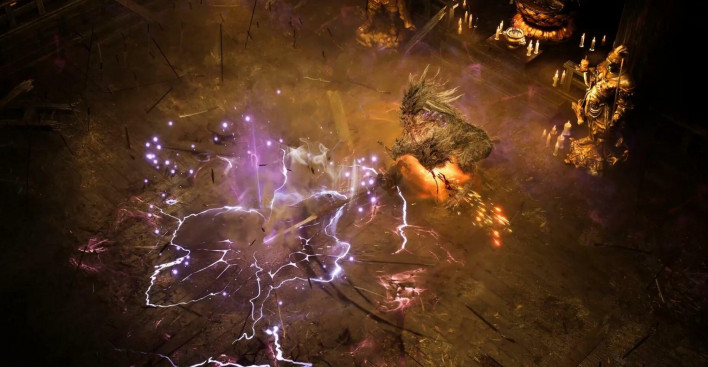
TARAE is clearly not a traditional hack-and-slash. A more fitting description would be an ARPG with a heavier, more deliberate palette. It is designed around the thrill of 'piloting' a geared-up character rather than just the 'joy of farming' items. While the difficulty may have been intentionally tuned for a demo build, the developers would not have placed a weighty PoE2-style boss fight at the end of the demo unless that reflected the game's core direction.
Generous health recovery paired with tight stamina management
Where it differs is that potion restrictions are comparatively lenient, while introducing a 'Stamina' system in exchange.
In PoE2, potions (flasks) are always a limited resource. Since flask charges refill as you defeat enemies, boss encounters without minion spawns force you to rely on a fixed pool of potions. Wasting potions by taking too many hits makes clearing the fight nearly impossible, obligating players to learn boss patterns thoroughly and aim to dodge almost every incoming attack.
By contrast, potions in TARAE are fairly generous. While there are usage limits (varying by potion type), charges regenerate automatically at a decent rate. Even if you burn through potions early on, your usage naturally drops as you get accustomed to the fight over time. However, to prevent players from simply brute-forcing bosses with potions, the game introduces 'Stamina' as a balancing mechanism.
As many know, PoE2 has no stamina mechanic. Sprinting lasts indefinitely out of combat, and dodge rolling can be spammed continuously without a separate cooldown. When facing a new boss in PoE2, constantly rolling to study its patterns and look for openings is standard practice.
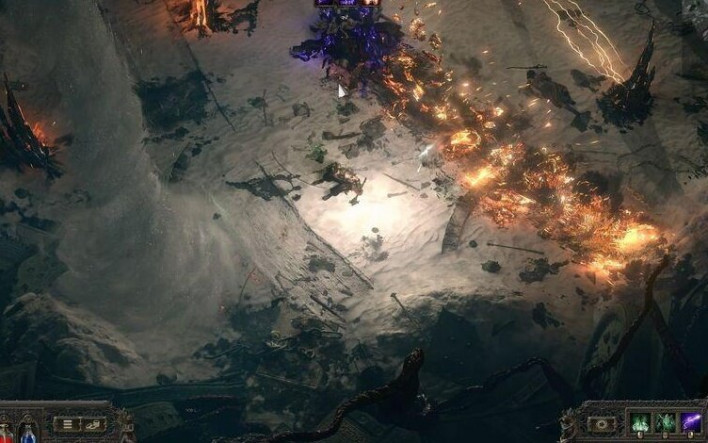
However, because TARAE features a stamina system, you cannot sprint or roll indefinitely. While stamina regenerates during combat, it does not refill fast enough to let you dodge every single enemy attack. Furthermore, since sprinting and rolling share the same stamina pool, mindlessly draining it will quickly get you killed.
As a result, boss encounters in TARAE require a somewhat different mastery mindset compared to PoE2. While PoE2 demands that players avoid every possible hit while looking for counter-attack windows, TARAE requires players to approach combat by tanking minor hits with their health pool while spending stamina only to dodge fatal attacks. Spamming rolls against every incoming strike risks leaving you out of stamina when a lethal blow arrives, whereas minor damage can simply be healed back with potions.
In short, TARAE's action gameplay closely mirrors that of PoE2, but subtle differences exist in the details—specifically, in what players must keep track of. Where PoE2 requires keeping your eyes on enemy attacks, TARAE demands watching both enemy moves and your own resources. Personally, it felt slightly more complex. Playing purely on instinct without careful management guarantees death from stamina depletion, so having to constantly monitor the stamina bar added a noticeable layer of pressure.
With a bit more polish...
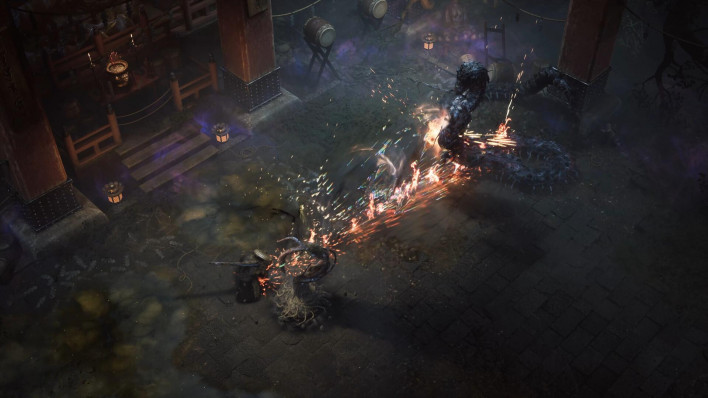
Judging from the demo build, TARAE demonstrated considerable potential. Its East Asian dark fantasy graphics merit high praise, and both the world-building and environmental presentations are well executed. The noticeable shortcomings in the demo build stem not from its core concept or direction, but rather from control responsiveness and game UX details.
'Action responsiveness' definitely requires further refinement. The most critical element in an action title is having a character that reacts as intended and interactions that occur as expected, but TARAE still shows rough edges in this polish. For instance, hitboxes sometimes extend beyond their visual cues on screen—causing hits despite seemingly dodging out of range—and charging skills that require lengthy windups feel out of step with a combat design that emphasizes continuous movement and evasion.
On the UI/UX front, it remains disappointing that targeted enemies are hard to distinguish clearly when facing large groups, and understanding how the numerous item stats function is not immediately intuitive. While it was easy to see what style of action the game aims for and what skills it demands from players, performing those actions felt as though players must first clear a few speed bumps along the way.
Still, considering the game was revealed only three months ago and has plenty of development time remaining before launch, TARAE's future looks far from bleak. While the demo build did not showcase all side systems—and one cannot rule out unexpected risks hidden behind the curtain—its first domestic public demo earns a solid passing grade.
I failed to beat the final boss. That last desperation phase pattern was completely over the top.