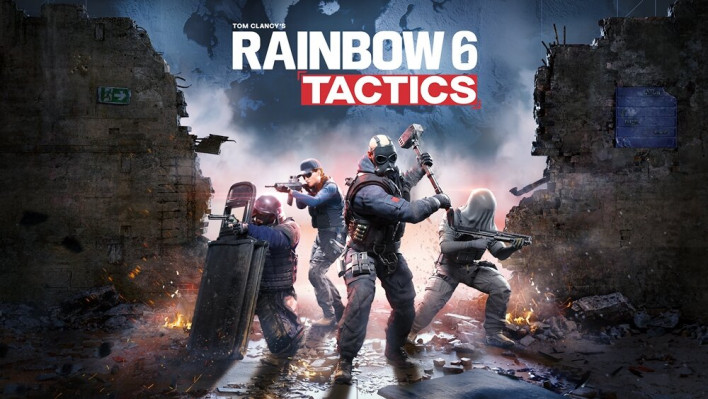
'Rainbow Six' returns as a turn-based strategy game. Targeted for a 2027 release, Ubisoft's 'Rainbow Six Tactics' is a single-player tactical game based on the operators and tactical elements of 'Rainbow Six Siege'. While shifting real-time gunfights to a turn-based format, the game focuses on preserving the core gameplay of the series: scouting, intelligence gathering, securing entry points, and operator coordination.
Ubisoft revealed the key systems and actual gameplay of 'Rainbow Six Tactics' during a media presentation held in Osaka, Japan. The presentation covered the game's core combat structure, individual operator abilities, and HQ management conducted between missions, while a live developer demonstration illustrated how each system interconnects on the battlefield.
'Tactics' features 15 operators selected from the 70+ roster of 'Siege', putting players in command of small squads tailored for specific missions. Instead of aiming weapons directly, players determine each operator's movement, attacks, and gadget usage, combining their distinct abilities to breach enemy defense lines. The developers explained that their goal is to deliver a fresh experience for newcomers to turn-based games while retaining the tactical elements familiar to existing fans.
Strategy Begins Before Entry
Turn-Based Combat Completed Through Reconnaissance and Synchronized Breaching
Combat in 'Rainbow Six Tactics' places even greater emphasis on the preparation stages prior to spotting and engaging enemies. Just as attackers in 'Siege' use drones to scout interiors, secure entry points, and strike simultaneously from multiple angles, gathering sufficient intel and planning operations is crucial in 'Tactics'. However, unlike real-time multiplayer matches that rely on individual reflexes and judgment, a single player controls the entire squad and dictates all actions.
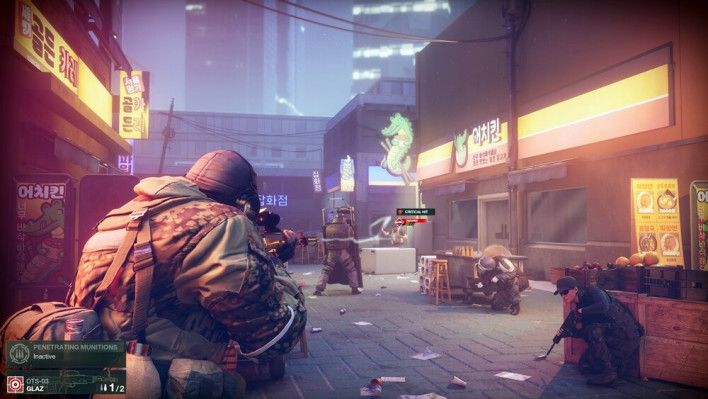
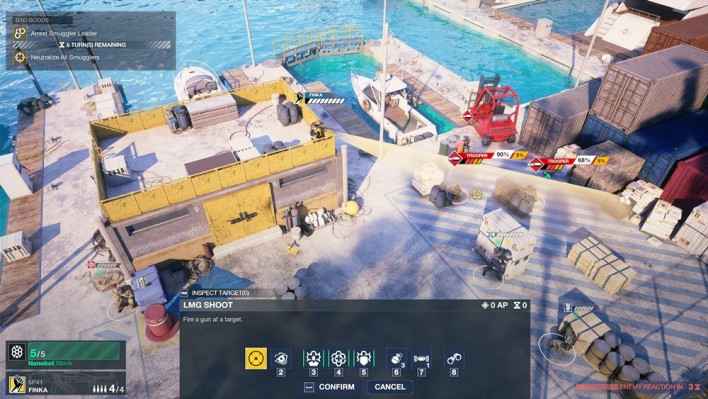
At the center of combat lies the Breach system. Before entering a building, players can pre-assign where each operator will move, which gadget they will deploy, and which enemy they will target. Once breaching begins, these queued commands execute simultaneously, letting players watch their pre-planned operation unfold in real-time cinematic action. Unlike typical turn-based games that resolve individual unit turns one by one, this structure emphasizes multi-operator coordination toward a single objective.
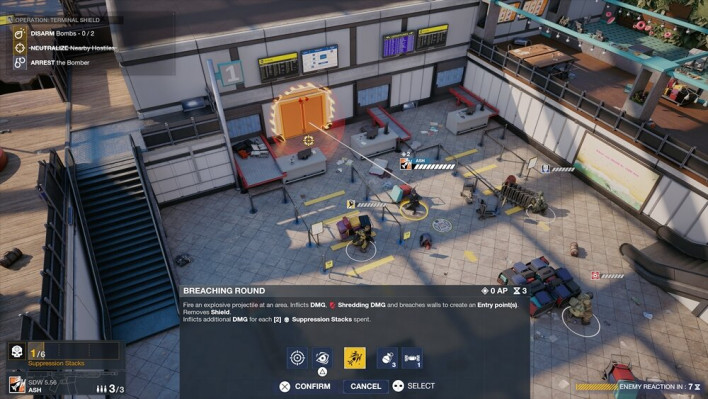
In the hands-off demonstration, a four-operator squad was deployed to complete a mission. After utilizing drones to map out interior terrain and locate enemies, players combined different entry points and offensive tools to collapse enemy defenses in a single sweep. Breaching through walls or windows, stealthy approaches outside enemy sightlines, and long-range fire were seamlessly linked into one coherent plan, reinterpreting Siege's attack preparation phase for turn-based gameplay.
Of course, executing pre-planned commands does not guarantee everything goes according to script. Insufficient scouting may leave undetected enemies behind, creating risks of counterattacks from unexpected angles. Breaching thus functions not merely as a cinematic replay of queued actions, but as a critical phase where players see the consequences of their intelligence gathering and tactical decisions play out.
Following the breach, combat transitions to turn-based engagements governed by action resources and movement ranges. Because each operator faces limitations on available actions, players must prioritize securing key positions versus attacking or moving. Scouting enemy locations and establishing safe lines of attack are tightly linked, requiring players to continuously adapt squad movements to evolving conditions even after firefights begin.
Operator Abilities as Tactical Options
Reinterpreting Existing Characters Like Glaz, Ash, and Nøkk
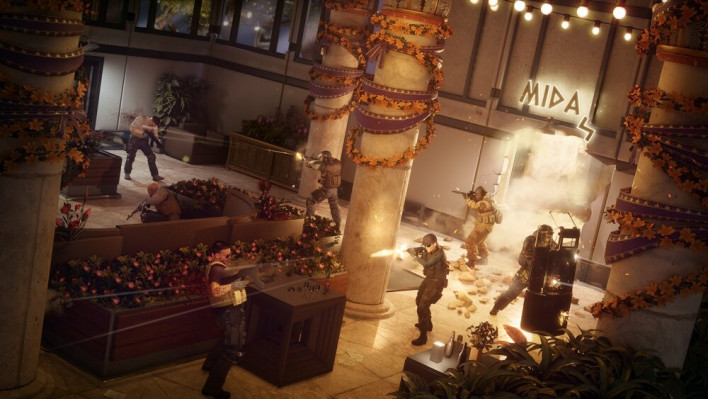
In this combat structure, the synergy between different abilities is just as vital as individual operator strength. Operators featured in 'Tactics' retain their signature traits from 'Siege', but their roles have been adapted for a turn-based environment. Certain operators directly breach enemy defenses, others provide long-range fire support, and others maneuver undetected to secure advantageous positions.
This division of labor was evident in the live demo. Glaz served as long-range support, sniping targets through windows; Ash deployed specialized gear to blow through walls and open new lines of attack; and Nøkk stealthily bypassed enemy security nets to secure positions unreachable by other operators. While individual abilities can be used independently, linking multiple actions into a single synchronized entry operation is the core of the game.
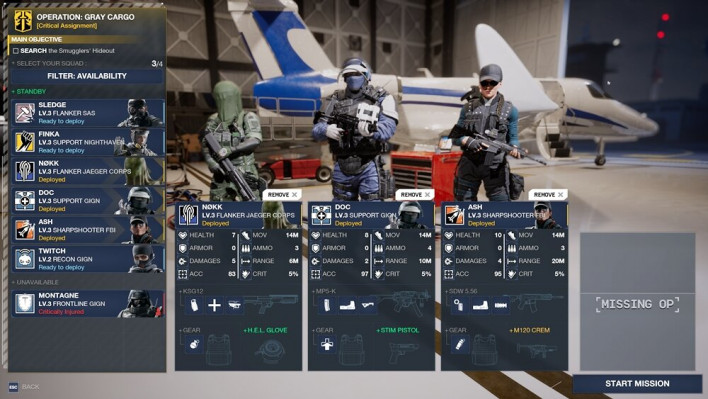
Operator selection directly defines a squad's tactical identity. Including operators capable of eliminating targets at range allows engagements to start from relative safety, though a lack of breaching capabilities may limit entry options. Conversely, a squad heavy on breaching power excels at opening new paths, but risks facing fierce enemy resistance if intelligence is incomplete.
The developers explained that given Siege's extensive roster, they did not simply pick popular characters, but selected operators who create distinct roles and synergies in gameplay. Consequently, 'Tactics' focuses less on porting operator abilities 1:1 and more on defining how they fulfill tactical functions within a squad.
This design philosophy extends to enemy forces as well. In addition to standard riflemen, shield-bearing enemies appeared during the demonstration, and developers noted that enemies possess complementary skills and synergies. Just as players combine operator abilities to fight, enemy units respond with tactical combinations of their own. As a result, victory hinges less on sheer damage output and more on analyzing enemy compositions and preparing squad line-ups tailored to dismantle them.
Tactics Extending Beyond a Single Operation
A Campaign Connecting HQ Management and Squad Operations
'Tactics' emphasizes not only winning individual missions but also running the Rainbow organization across multiple operations. After completing a mission, players return to HQ to prepare for the next deployment, managing operators and gear while securing new intelligence. Combat outcomes directly influence subsequent squad management and mission prep.
At HQ, players assemble deployment squads and manage weapons, gear, and abilities for each operator. Unique progression elements exist for every operator, meaning the same character can function differently depending on build paths and loadout combinations. While building a specialized team for a specific mission is important, maintaining a versatile roster capable of adapting to varied situations across multiple operations is equally critical.
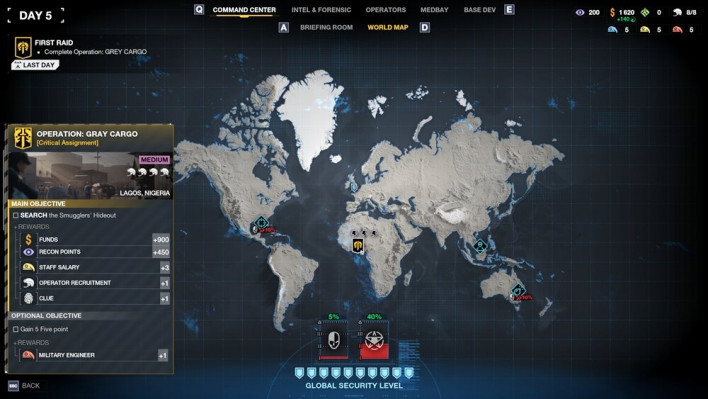
This system also adds weight to squad casualties. Operators downed in combat do not face permanent death, but recover in the infirmary, leaving them unavailable for subsequent missions during their recovery period. Relying too heavily on specific individuals means unexpected injuries can narrow tactical options in future operations. Tactical choices thus ripple beyond immediate victory or defeat to affect preparation for upcoming missions.
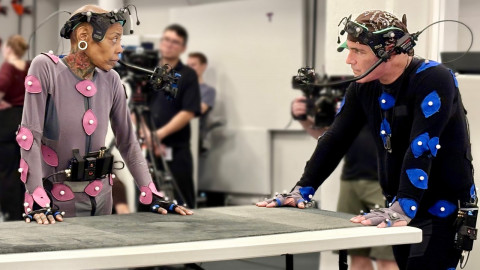
The campaign revolves around the crisis facing Rainbow and its process of reconstruction. Paul Bishop, who previously appeared in the 'Rainbow Six' series, returns to assume the role of Six, with players carrying out various operations as part of Rainbow. The story focuses on the organization as a whole and the overarching crisis rather than individual operators.
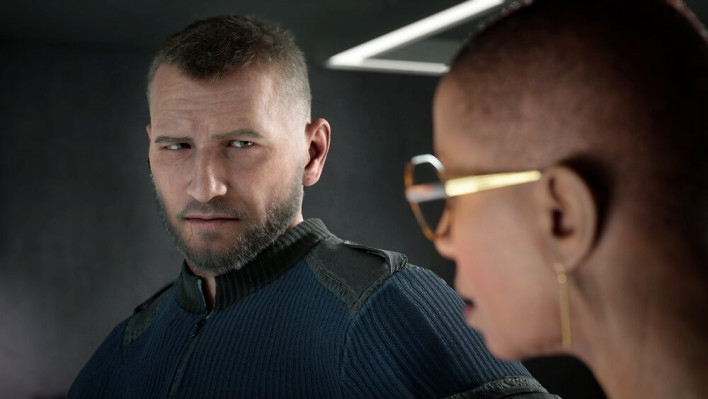
Missions consist of main operations that advance the central story and side operations providing extra intel and challenges. Player decisions and mission choices create variations in campaign progression, with developers noting that approximately 45 main missions are planned. While preserving the narrative baseline, mission selection and squad management offer varied play experiences.
Ultimately, 'Rainbow Six Tactics' aims to be more than a simple turn-based reinterpretation of 'Siege' gunplay. It is an effort to unify scouting for intel, orchestrating plans through operator synergies, and reflecting combat outcomes in next-mission preparations into a seamless single-player experience.
The tactical execution of 'Rainbow Six'—once dependent on split-second decisions and mechanical skill in real-time multiplayer—has transformed into a matrix of informed choices backed by time and intelligence. Whether this shift merely slows the game's pacing or successfully expands the franchise's tactical depth will depend on the final campaign quality.