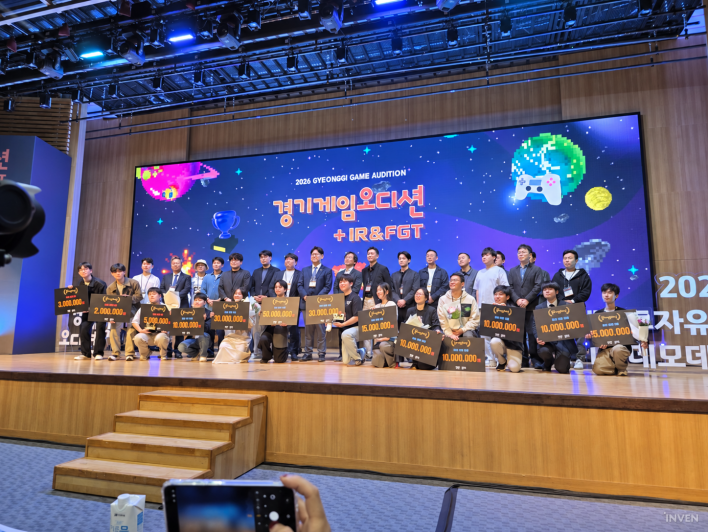
Guild Studio's 'NAMMO' took first place in the General Division at the 21st Gyeonggi Game Audition on October 15. The game also won the 'Gamer's Pick' selected by the audience evaluation panel on-site, claiming two awards. In the newly established Student Division this year, ABLE U's 'UpBRELLA' recorded the inaugural first-place win.
Gyeonggi Province and the Gyeonggi Content Agency held the final audition on this day at the International Conference Hall of the Pangyo Gyeonggi Center for Creative Economy & Innovation. A record high of 404 games applied, combining 344 entries in the General Division and 60 in the Student Division. After document screening and the initial audition, 10 teams from the General Division and three teams from the Student Division took the final stage.
Starting at 10:10 a.m. with presentations for the Student Division, the event featured live demonstrations and presentations for each game. Pitching ranged from a presentation themed around training a new investigator at the Dungeon Management Bureau to teams demonstrating actual gameplay while explaining rules. A panel of 20 expert judges evaluated the entries, while the audience evaluation panel voted for one Student Division title and three General Division titles via on-site QR codes.
The final audition was held alongside a game investment demo day to connect with investors and publishers, as well as a public-private-academic collaborative FGT to review upcoming titles. In his congratulatory speech prior to the award ceremony, Kim Tae-hyeong, Chairman of the Future Science and Cooperation Committee of the Gyeonggi Provincial Assembly, mentioned the attendees and industry scale he observed at this year's Taipei Game Show, expressing a commitment to supporting developers. He also shared feedback from the judges that the overall polish of the submitted entries had significantly improved.
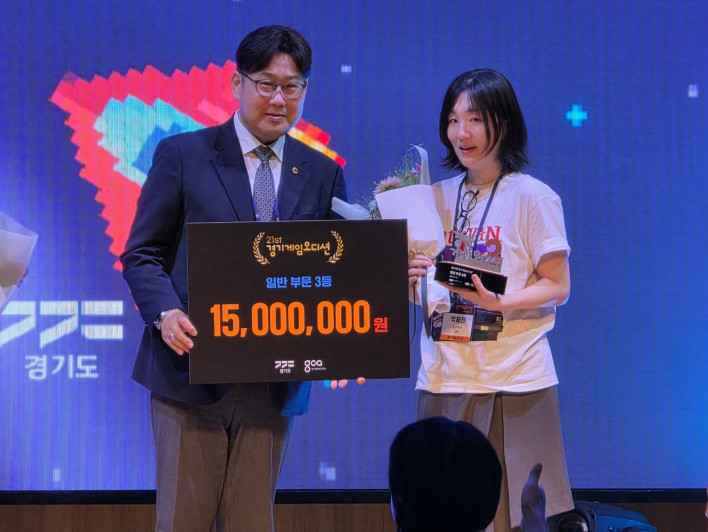
The main development grant totals 200 million won. In the General Division, 1st place receives 50 million won, two teams tied for 2nd place receive 30 million won each, two teams tied for 3rd place receive 15 million won each, and five runners-up receive 10 million won each. In the Student Division, awards from 1st to 3rd place receive 5 million won, 3 million won, and 2 million won, respectively.
Here is a breakdown of the stories and gameplay mechanics of the 13 award-winning titles that reached the final stage, ordered by division and ranking.
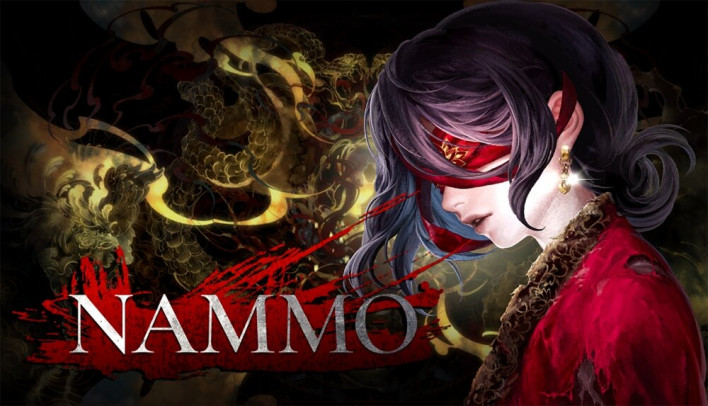
'NAMMO' is a Silla-themed 2D Soulslike boss rush game. The protagonist, Nammo, who lost both her eyes, gains 'Spirit Eyes' that allow her to see the spirit world as she investigates what happened to her. The development team explained that they reinterpreted historical figures and tragic tales from the Silla Era, drawing visual inspiration for stages and bosses from real-world locations like Bulguksa Temple and Korean folklore. During the presentation, they introduced bosses of varying forms, including a figure wearing a golden crown, a giant heart, and an enemy inspired by a Buddha statue.
Spirit Eyes are used in both exploration and combat. They reveal normally invisible terrain, traps, and enemies' true forms, while serving as a tool to uncover hidden weak points in boss battles. Destroying a weak point permanently damages that body part or disables specific attack patterns. Deciding when to use Spirit Eyes adds an extra tactical layer to the fundamental combat loop of blocking enemy attacks and counterattacking with parries.
Each stage includes story branching where choices made with characters can earn allies or trigger different confrontations. Souls obtained from defeating bosses can be used in the hub area to craft add-ons and skills, allowing players to customize their combat build. Guild Studio, which earned both 1st place in the General Division and the audience-voted Gamer's Pick, receives a development grant of 50 million won.
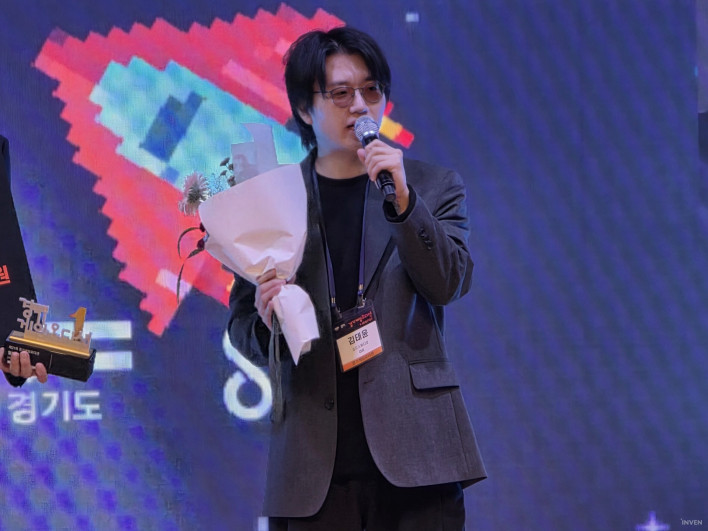
Taking the stage for the award, the winner from Guild Studio shared the credit by calling out the names of team members in turn—including the vice president and those responsible for design, development, sound, effects, and pixel art. They also expressed gratitude to the team members' families who supported their indie game development and to the Gyeonggi Content Agency for hosting the event.
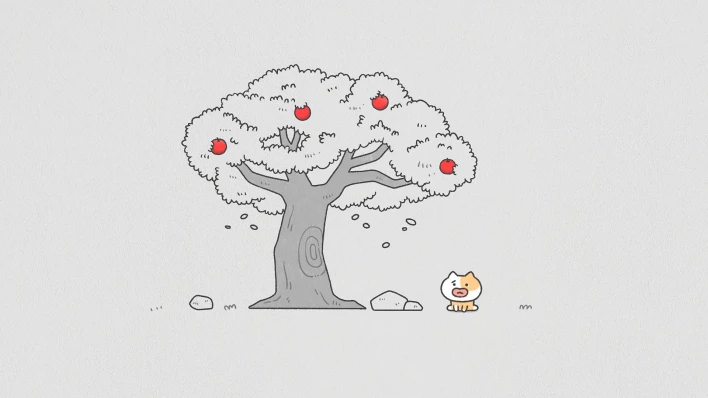
'Where is the Red Ball?' is a point-and-click puzzle game about finding an intact red ball for a crying cat. Other objects that are merely red and round or dirty balls cannot soothe the cat. Inspecting objects and interacting with hand-drawn screens to find the exact ball the cat wants is the objective of each stage.
The solving method varies with each level. Players may need to locate a hidden ball, or in areas with no red ball at all, craft one themselves or trade with someone who has one. The development team announced that rather than continually ramping up difficulty, they designed the game to maintain a manageable difficulty while changing stage settings and puzzle structures so players face fresh challenges every time. Reducing pressure by allowing quick retries after failure aligns with its direction as a relaxing, cozy game.
The diary unlocked while progressing through puzzles tells a heartwarming family story of a younger sister and older sister coming to understand each other. The team stated that with the ultimate goal of making the cat happy through finding the ball, they wanted to give players a warm experience as well. They added that the game is being developed targeting 50 total stages and roughly 3 to 4 hours of playtime. Studio Peppermill tied for 2nd place in the General Division, receiving a 30 million won development grant, and also won the STOVE Special Award. The special award includes business consulting, while global publishing and priority platform exposure will be supported following internal review.
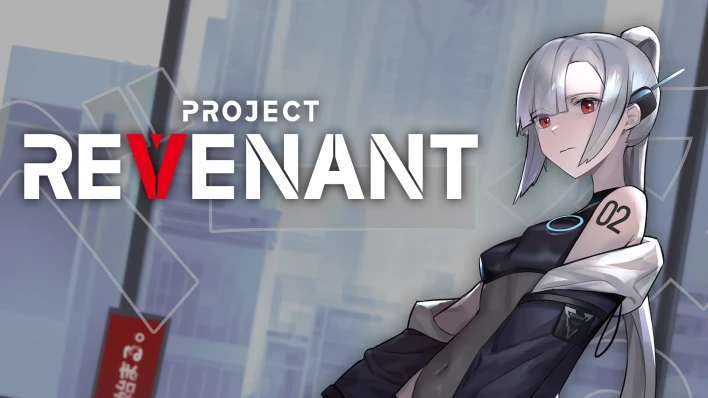
'Project Revenant' is a side-scrolling shooting action game introduced as the official sequel to Mayfly's previously released 'Revenant'. Players aim directly at enemies using the mouse cursor and can bypass front-line foes to prioritize more threatening targets. The protagonist has only 1 HP, meaning a single hit leads to immediate failure. The development team tailored the gameplay loop around this rule to facilitate fast retries.
Clearing an area requires not just precise shooting, but also utilizing the environment. The presentation highlighted scenes of blinding enemies with flashbangs, dropping chandeliers, and exploding gas canisters. Players assess enemy placement and interactive objects before determining the order of elimination. Boss fights go beyond simple shooting as well; the developers explained that depending on whether players break the rocks created by the first stage boss 'Erica', her subsequent attacks will change.
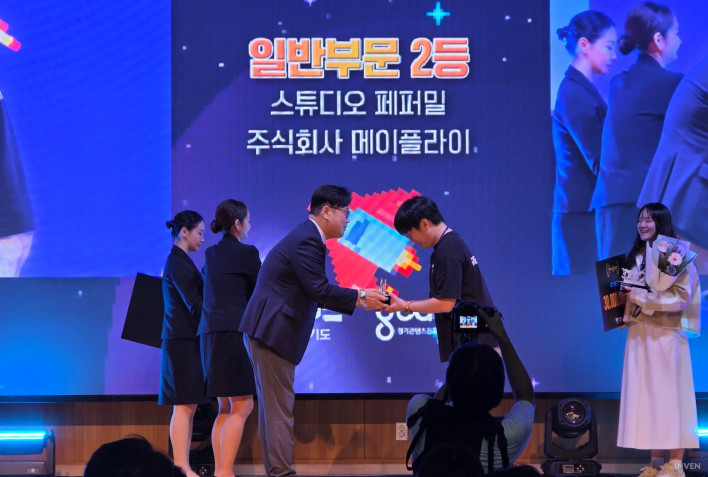
They revealed that to preserve cursor aiming from PC on consoles, motion controls and aim assistance zones are being designed. Mayfly tied for 2nd place in the General Division, receiving a 30 million won development grant. At the ceremony, plans for a simultaneous multiplatform release and high overall polish were cited as reasons for selecting the game for the BACKND Special Award, which comes with 5 million won worth of BACKND credits.
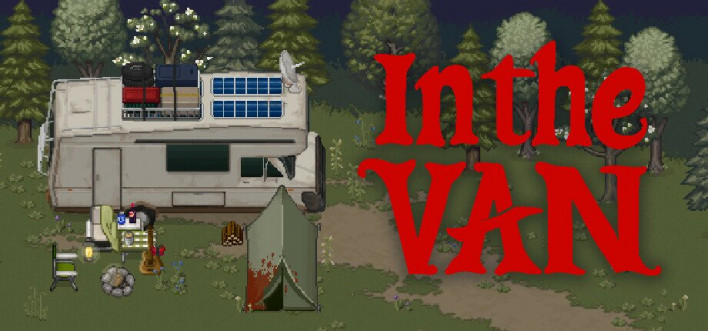
'In the Van' is a survival game where players stay alive in a zombie apocalypse by using a camper van as a mobile base. According to the presentation, while the protagonist is weekend camping in a deep forest out of cellular range, AI suddenly emerges and society collapses. Players must explore various regions to collect food and materials while fighting off zombies. Survival requires managing thirst, hunger, and mental status, as well as moving carefully to avoid attracting sound-sensitive zombie hordes.
Returning to the camper van from the dangerous outdoors changes the rhythm of gameplay. Players organize gathered supplies, craft equipment, and prepare for the next expedition through fishing, gathering, farming, and cooking. The inside and outside of the camper van can be decorated with scavenged or crafted items. The development team focused on seamlessly connecting hardcore exploration, cozy base management, and a continuously moving journey.
Rather than staying at a single settlement, players travel to new regions in their camper van, deciphering abandoned digital devices to uncover clues about the apocalypse. The team explained plans to offer different types of camper vans with varying interior sizes, durability, and speeds. Choices like repairing or modifying vehicles and decorating them inside and out stem from the mobile base concept. Cosmic Tofu tied for 3rd place in the General Division, taking home a development grant of 15 million won.
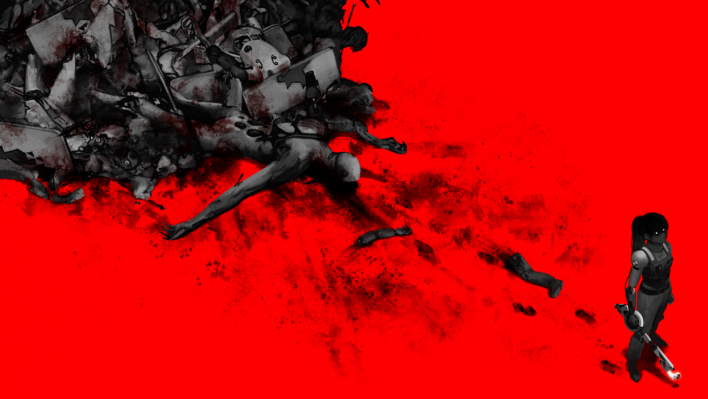
'Irony' is a sci-fi horror action platformer where players investigate a research facility where unauthorized human experimentation took place. Set in a dystopian year 2401, the protagonist loses body parts while fighting enemies equipped with powerful cybernetic prosthetics. To survive, the protagonist equips prosthetics stolen from enemies onto their own body, but as they grow stronger, they increasingly come to resemble the entities they were tracking—a concept tied directly to the game's title.
Combat seamlessly alternates between ranged shooting, melee attacks, and parrying. Targeting specific body parts alters enemy behavior; the development team gave examples of enemies crawling after being shot in the legs or having their vision obscured when hit in the head. Enemies pop out from unexpected places like vents, windows, and elevators, while tension is built through staging and audio rather than static HUD elements.
The game also features 2.5D visuals combining pixel art characters with 3D backgrounds, accompanied by full voice acting. The team explained that decisions on whether to replace body parts with prosthetics impact the story and ending. Xylophone tied for 3rd place in the General Division, receiving a 15 million won development grant, and also took home the G-ROUND Special Award. G-ROUND cited global potential and synergy with its platform as reasons for the selection. The special award provides a voucher worth $7,000 for use toward FGT, marketing, and other support.
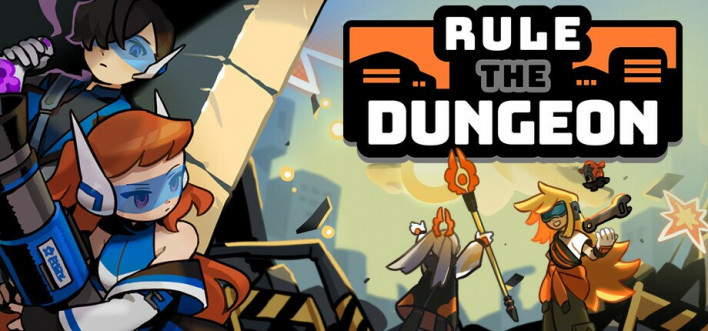
In 'Rule the Dungeon', players become rookie investigators at the Dungeon Management Bureau, resolving civil complaints from citizens. The presenter introduced the game by treating the audience as new recruits and reviewing a report about 'making eye contact with a traffic cone on the way to work.' Investigating traffic cones with eyes and strange potted plants leads to discovering dungeons, where players enter the field alongside agency hunters.
Combat revolves around reading enemies' row positions and turn order. When enemies reach the front attack zone, they execute standard attacks, while time remaining until special attacks is indicated by numbers above their heads. Pushing enemies back with hunter attacks or altering their positions using traps and decoys allows players to win without relying solely on brute force. The demo showcased a combo where a front-row enemy was knocked back before another hunter attacked multiple rows at once. Since each hunter possesses unique traits and personalities, choosing whom to bring along is an important decision.
By combining 'Logos' keywords obtained through dialogue in the story, players can propose new skills to hunters. Depending on who is spoken to first and what is investigated, the flow of cases changes, and gathering enough clues can unlock peaceful resolutions without combat. Foret Noire Games earned an Honorable Mention in the General Division, receiving a development grant of 10 million won.
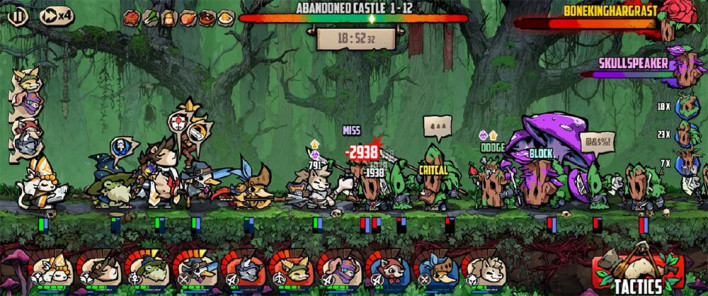
'Animal Frontiers' is a mobile line-battle RPG where players form squads with animal characters to push and pull frontline control. The development team introduced six classes: Knight, Warrior, Archer, Rogue, Mage, and Priest. They explained that roughly 60 character types had been prepared at the time, including dogs, cats, rabbits, and rhinoceroses. Placing heroes of different roles on a single team and switching formations or focused attack targets during battle demands strategic choices beyond merely inflating combat power numbers.
Outside of combat, players explore a hexagonal grid map within a limited number of turns to find bosses. Route decisions must be made regarding which tiles to battle on, heal at, or claim treasure from. Since squad health does not fully restore after combat ends, deciding whether to head for healing nodes or retreat is critical. The team noted that even if players retreat mid-boss fight, damage dealt to the boss is retained.
Pushing the frontline and trapping opponents in the danger zone at the edge of the screen deals greater damage, whereas if allies are pushed back, damage taken increases. Consequently, even with the same set of heroes, outcomes vary depending on when frontlines are shifted. The team announced two bosses prepared for each of the seven themes. Infinity Mind earned an Honorable Mention in the General Division, taking home a 10 million won development grant.
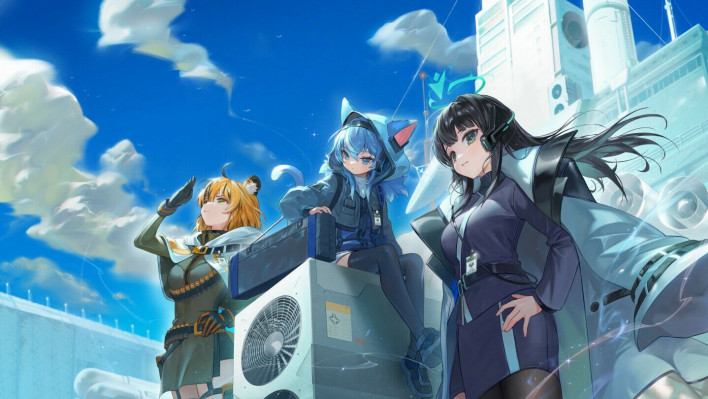
'Soullers' is a shooting action game where players navigate bullet hell screens using time manipulation. The developers explained that they aimed to lower the entry barrier of bullet hell games that rely purely on reflex reflexes while retaining tactical depth. Using the core ability 'Time Acceleration' speeds up the protagonist's time, enabling players to weave between attacks or unleash concentrated firepower in brief bursts. Counterattacks like kicking back incoming projectiles are also possible.
Before embarking on a mission, players define their combat style by selecting weapons, companions, and traits. Companions function like active skills during battle, allowing synergies such as pairing a sword-wielding companion with one that buffs weapons. Each companion also possesses a module tree, altering tactical usage depending on chosen nodes. The team stated they aimed to offer multiple ways to overcome bullet hell patterns rather than forcing a single right answer.
The game also features a narrative following an amnesiac protagonist seeking his past alongside companions. The development team embedded character relationships directly into gameplay mechanics beyond cutscenes, such as persuading an accountant companion to purchase weapons. At the time of presentation, they revealed plans for roughly 10 hours of story mode alongside Arena, Ranked, and Roguelike modes. Drabbit Studio received a 10 million won development grant for its Honorable Mention in the General Division.
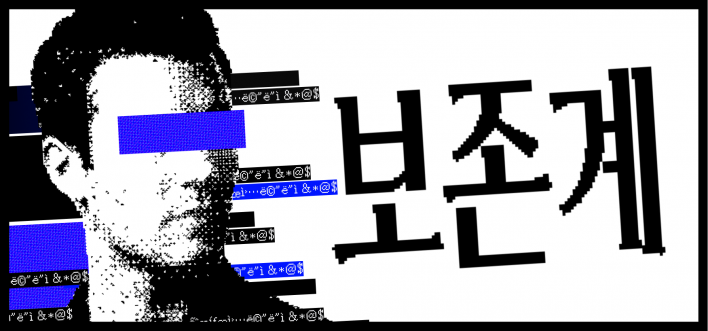
'Preservation System' is a mystery deduction game about restoring fire-damaged case records. The story begins when a prosecutor dies in a home fire, damaging eight case files he had kept. Players must review remaining sentences and photographs to deduce what the erased records contained.
Instead of picking answers from set choices, players directly type keywords. Entering a correct word restores missing sentence fragments, allowing players to recover up to three text pieces at once. Relevant information can also be extracted from charred photos to uncover fresh clues. Applying words derived from player deduction directly to the records lies at the heart of the gameplay.
Memo and drawing features are provided to help players organize necessary information. As cases are solved one by one, objects in the investigation space—such as telephones and recording devices—appear or change. Even without restoring every single document, players can submit their answer once they deduce the truth. Correct answers unlock remaining files and case epilogues, leading players through eight cases to uncover why the prosecutor preserved the files. Banjiha Games earned an Honorable Mention in the General Division, receiving a 10 million won development grant.
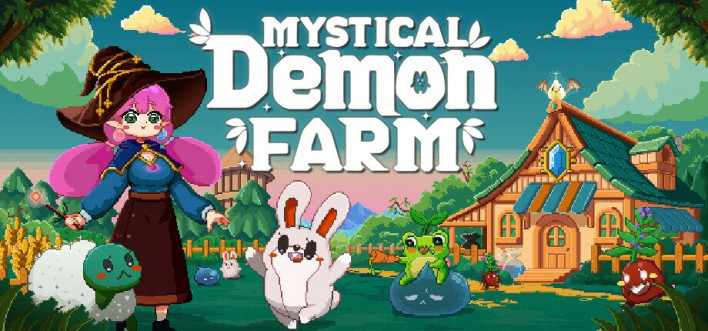
'Mystical Demon Farm' combines farm management, monster collecting, and dungeon crawling. Assigned to investigate a mana anomaly, the protagonist is dispatched to a remote region. There, players tend a farm while entering dungeons to gather necessary materials. The development team explained that instead of traditional farming with pickaxes and axes, farming and gathering are conducted using magic.
The link between farm management and adventure lies in 'Demons'. Players revive and cohabit with Demons—artificial life forms created by archmages in the past—using materials and devices. Which Demons are acquired and raised changes the approach to both farm life and dungeon exploration. Materials obtained from dungeons feed back into farming and Demon nurturing in a gameplay loop.
Exploring new regions also lets players build relationships with townspeople. The team shared that befriending characters who carry their own emotional wounds allows them to come live on the farm. As player levels and magic skills grow and the farm expands, accessible regions expand as well. The stories heard there connect to mysteries surrounding past wars, Demons, and the mana anomaly. Zarikki Studio earned an Honorable Mention in the General Division, taking home a development grant of 10 million won.

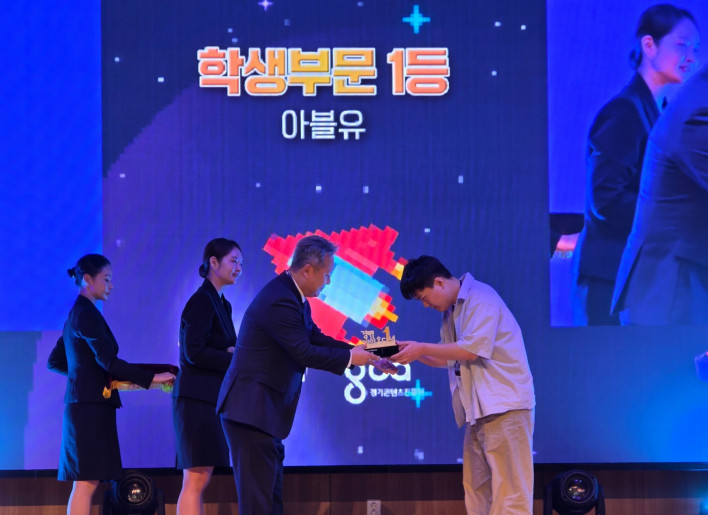
'UpBRELLA' is a puzzle platformer where a fallen witch overcomes obstacles using a single umbrella. ABLE U, taking first place in the inaugural Student Division, packed multiple uses into this familiar object. Players open the umbrella to glide or catch updrafts, and use an inverted umbrella as a foothold. Falling onto the umbrella from high places also creates a bouncing movement proportional to the fall height.
Puzzles also involve spinning the umbrella to break bricks or reflecting lasers off its canopy. Rather than acquiring individual upgrades to expand abilities, the game emphasizes players figuring out how their existing umbrella interacts with environmental mechanics. The presenting team cited creating instant 'eureka' moments of clarity while keeping elements minimal and reducing repetitive inputs as their puzzle design principles.
In its Metroidvania-style exploration structure, previously blocked paths can be resolved anew after experiencing other locations and returning. Knowledge of using familiar tools in novel ways becomes the primary means of progression. ABLE U receives a 5 million won development grant for winning 1st place in the Student Division. The awardee expressed gratitude to team members and pledged to continue creating fun games in the future.
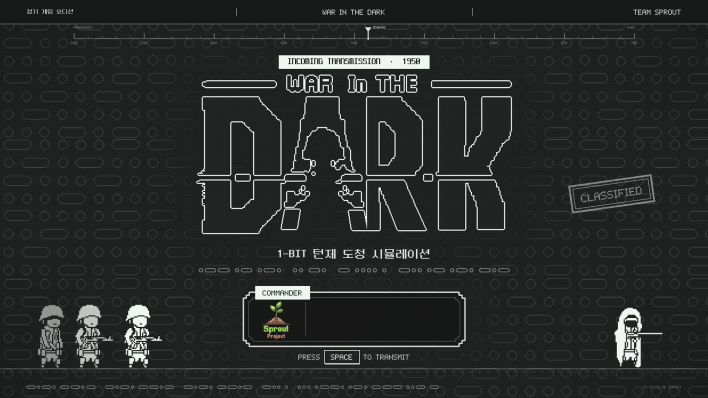
'War In The Dark' is a turn-based wiretapping strategy game set during a fictional 1950s war. Presented in monochrome visuals, the narrative unfolds as a flashback recounted by Remarque, a retired commander hospitalized, sharing his past with his grandson. Rather than displaying the battlefield at a glance, the core mechanic centers on listening to enemy radio comms and inferring unseen troop movements.
Each turn consists of preparing wiretaps, deciphering enemy comms, and transmitting commands to allies. Players set time and frequency on clocks and radios to prepare reception, reading long and short signals of incoming Morse code. If the enemy uses secondary encryption, players must cross-reference cipher sheets. Based on gathered intelligence, players issue commands to friendly forces in Morse code by holding and tapping the spacebar.
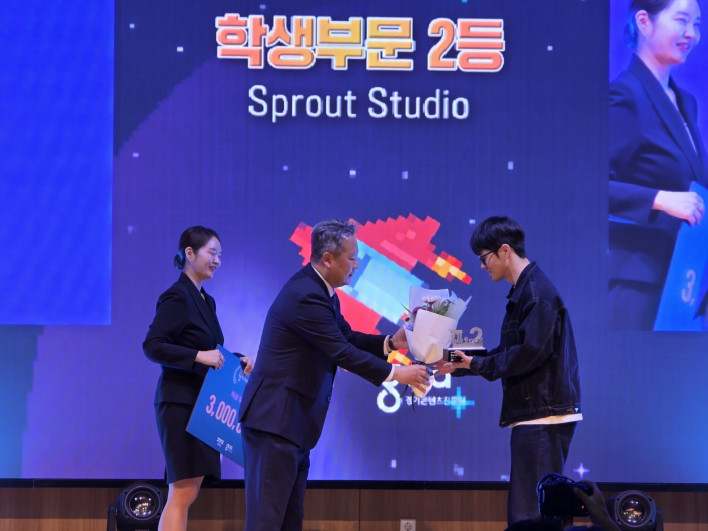
The team presented four unit types—Scout, Infantry, Sniper, and Medic—alongside two chapters and seven stages. The title emphasizes understanding the meaning of radio transmissions and deciding next moves over visually seeing unit locations. Sprout Studio earned 2nd place in the Student Division, receiving a development grant of 3 million won.
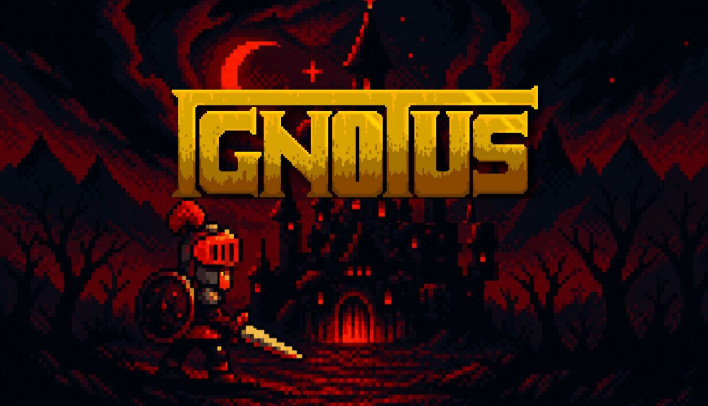
'IGNOTUS' is a game combining real-time action, deck-building, and domain expansion. During normal gameplay, players control characters directly in combat against enemies, but expanding a domain freezes time. Inside the domain, players place skills drawn from their deck onto tiles, setting location and orientation, and execute attacks when time resumes. The preview candidate description noted inspiration from the 'Domain Expansion' mechanic in 'Jujutsu Kaisen', adding that monsters can expand domains as well.
Through combat, which cards are chosen and combined continuously changes. The student team introduced a mechanism where identical skills are synthesized into active skills that can be cast without opening a domain. Clearing sections allows players to leave a 'Brand' that saves their current deck state. Players must make seamless judgments on when to expand a domain during real-time exchanges and where to position skills during frozen time.
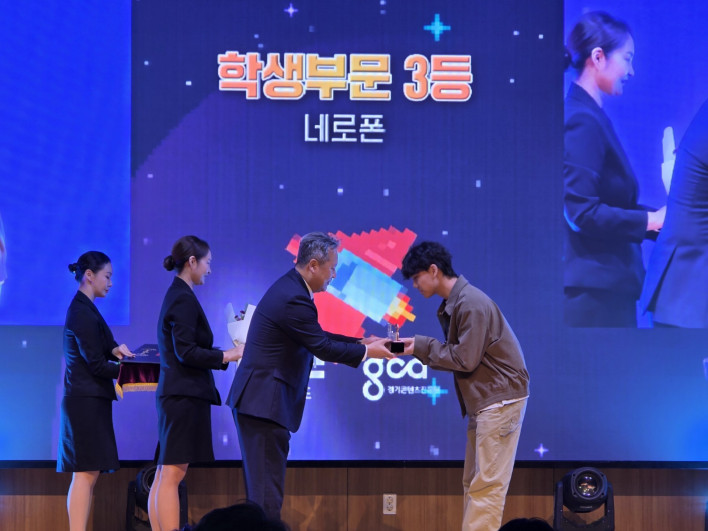
Choices are not exclusively beneficial to the player. The presenting team explained that 'Curse' choices apply effects to both player and enemies, shifting combat parameters. Nerophone stated the title was under development for Windows and Android at the time. The team receives a 2 million won development grant for 3rd place in the Student Division.