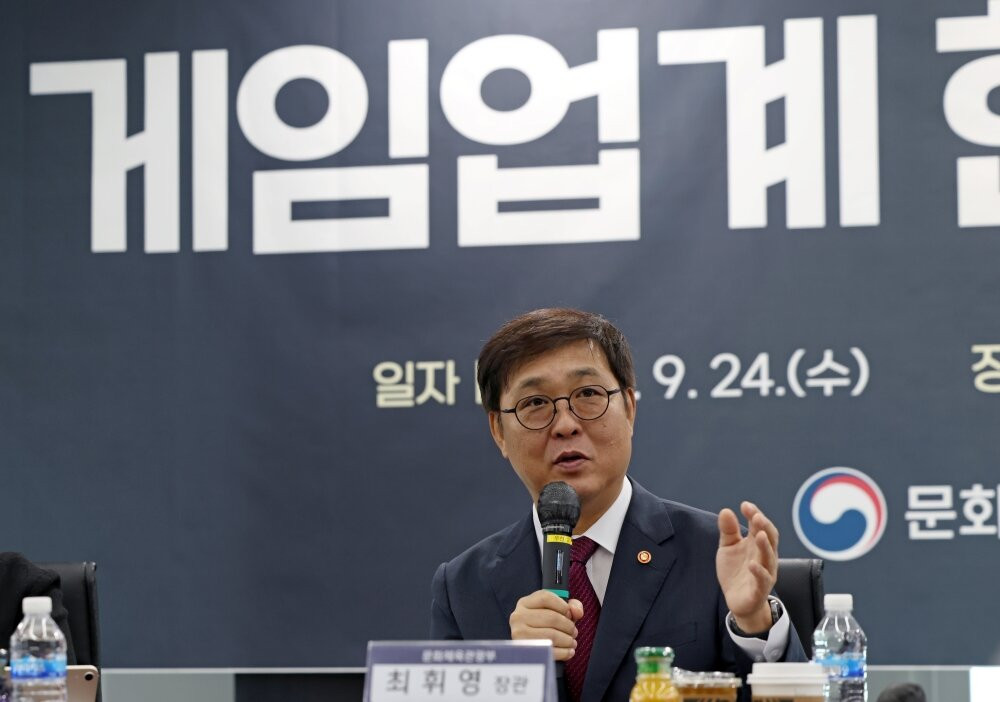
The Ministry of Culture, Sports and Tourism (MCST) has newly allocated 6 billion won for its 'Global Frontier Game' project, which supports the production of AAA games. The game planning support budget for indie games was increased from 9.3 billion won to 13.8 billion won, and 1.6 billion won was newly assigned to establish an automated system for filtering out illegal private servers. The MCST unveiled its 2027 budget proposal containing these details on the 4th.
The centerpiece of the gaming sector's new initiatives is support for AAA game production. The MCST designated 6 billion won in production support for 'Global Frontier Games' as a new project for 2027. Previously, the ministry's game development support mainly focused on providing small grants to numerous small-to-medium developers and indie studios. This marks the first time a separate production line item dedicated specifically to AAA titles has been included in the budget proposal. The number of selected projects, grant size per title, and open call methods will be announced at a later date.
On the indie game side, both funding and the scope of recipients were expanded. The game planning support budget was increased by 4.5 billion won (48.4%), rising from 9.3 billion won to 13.8 billion won. The number of games discovered and nurtured through staged competitive calls will expand from 130 to 200. The project offering office spaces to small and medium gaming companies will also broaden its scope from 50 to 70 companies. Emphasis was placed on expanding the number of targets rather than increasing the funding per project.
A separate budget was assigned to combat illegal private servers. The MCST allocated 1.6 billion won to build a new automated system capable of swiftly blocking private servers that infringe on developers' intellectual property. Previously, countermeasures against private servers relied on monitoring and blocking requests by the Game Rating and Administration Committee, along with law enforcement crackdowns. In the National Assembly, Representative Jung Joon-ho of the Democratic Party of Korea sponsored an amendment to the Game Industry Promotion Act on July 15 that would penalize illegal private server operation at the level of IP infringement, introduce punitive damages, and establish an emergency blocking system that bypasses deliberative review.
The field-based youth internship program in the gaming sector will expand 12.5-fold, from 40 to 500 participants. Its budget was increased 6.6-fold, from 1 billion won to 6.6 billion won. In comparison, the culture and arts youth internship program co-allocated by the MCST was newly budgeted at 2.2 billion won, while youth internships in arts industry planning and management were newly created for 352 participants. Among youth work experience programs, the gaming sector leads in both head count and growth rate.
The budget for the content sector, which includes gaming, stands at 1.7719 trillion won, up 154.2 billion won (9.5%) compared to the original 2026 budget of 1.6177 trillion won. Among the MCST's five major sectors, its growth rate ranked third, behind culture and arts (44.6%) and tourism (18.8%). The content sector's share of the total ministry budget decreased from 20.6% to 18.4%.
Content policy financing directly impacts capital procurement for gaming companies. The MCST stated that it will restructure policy financing around blockbuster IP and global expansion, supplying approximately 2.2 trillion won to the market. The Content Strategy Fund, which places no restrictions on company size or genre, will increase its capital contribution from 65 billion won to 130 billion won, while the Global League Fund, aimed at attracting foreign investment, will raise its contribution from 60 billion won to 200 billion won. Contributions to the K-Content Fund will expand from 430 billion won to 603 billion won.
Contributions to the Cultural Industry Guarantee Account for companies lacking collateral will increase from 33.8 billion won to 43.8 billion won, while interest rate subsidies—where the government covers 2.5 percentage points of loan interest—will rise from 5 billion won to 10 billion won. A 10 billion won pilot program for low-interest loan support will also be newly established.
The R&D budget for the content sector reached 177.4 billion won, a 17.1% increase from 151.5 billion won in 2026. The major new project is 'Tech Development for Innovative K-Culture Live Performance Viewing Experiences,' budgeted at 25 billion won and targeted at live performances and sports broadcasting. No new R&D projects directly targeting gaming were presented in the press release.
Meanwhile, the total size of the MCST's 2027 budget proposal was set at 9.6345 trillion won. This represents an increase of 1.779 trillion won (22.6%) compared to the original 2026 budget of 7.8555 trillion won. This is the first time the MCST budget proposal has exceeded 9 trillion won, representing roughly double the 12.8% growth rate of total government expenditure. By sector, culture and arts accounts for 3.8545 trillion won (a 44.6% increase), content accounts for 1.7719 trillion won (a 9.5% increase), tourism accounts for 1.7581 trillion won (an 18.8% increase), and sports accounts for 1.8333 trillion won (a 7.9% increase).
The MCST stated that financial resources will be focused on five main areas: creation safety nets for artists and investment in foundational arts, expanding youth cultural participation and work experience opportunities in culture, bolstering the competitiveness of the K-culture industry, driving a major transformation in regional tourism, and establishing a better sports environment. The Youth Culture Pass will expand its eligible age range from 19–20 to 19–34 and include sports activities starting in 2027, causing its budget to surge from 36.1 billion won to 792.5 billion won. Renovations for aging public sports facilities will expand from 95.3 billion won to 255.8 billion won, and youth sports activities will increase from 5.5 billion won to 42.4 billion won. The budget proposal represents the government's submission and will be finalized following review by the National Assembly.