When people think of Taiwanese indie games, they often recall a distinct Taoist aesthetic. Many Taiwanese titles that have recently gained traction among domestic fans, regardless of their specific era, are deeply rooted in this unique Taoist culture. It goes beyond mere aesthetic choice; these games often showcase daily life or weave the culture into the core thematic consciousness, creating a unique artistic identity.
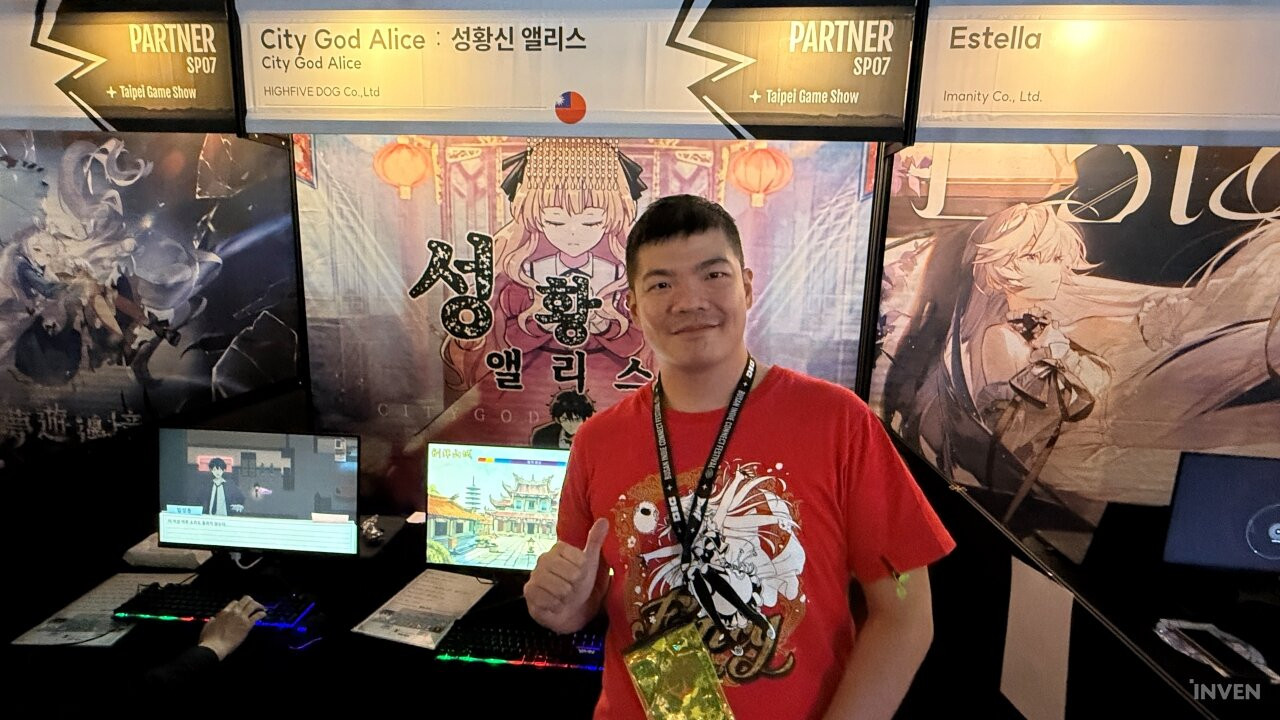
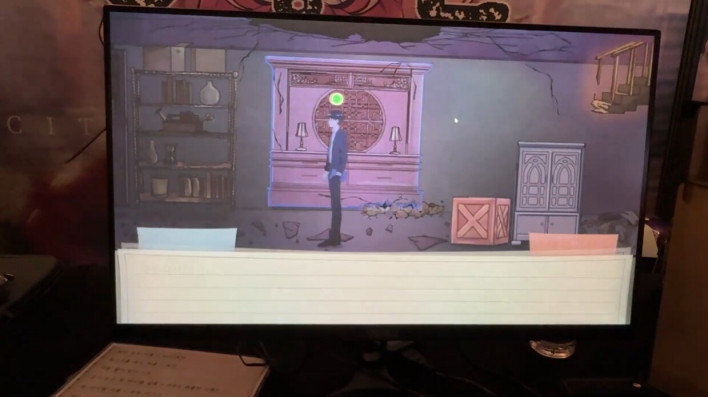
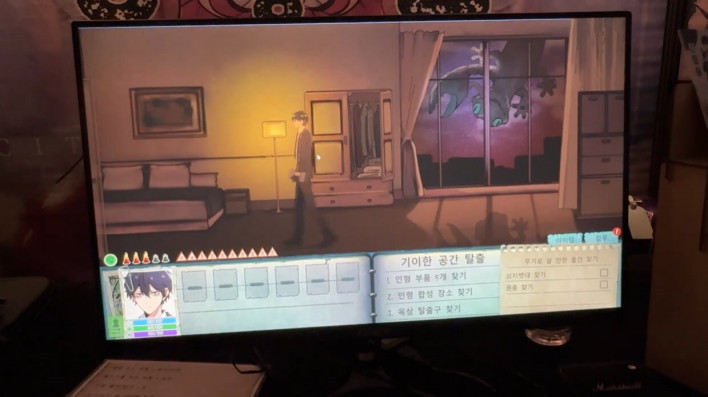
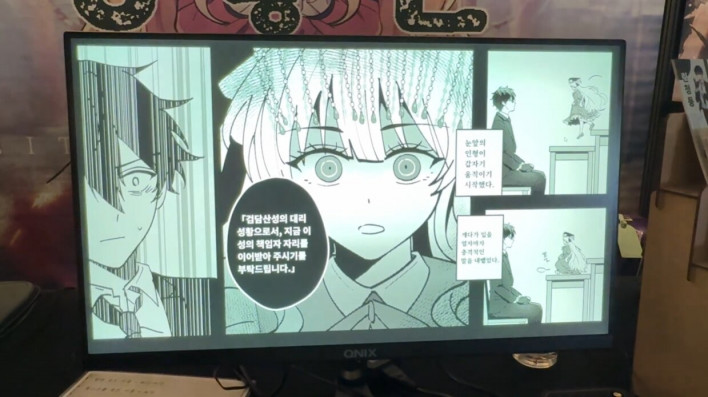
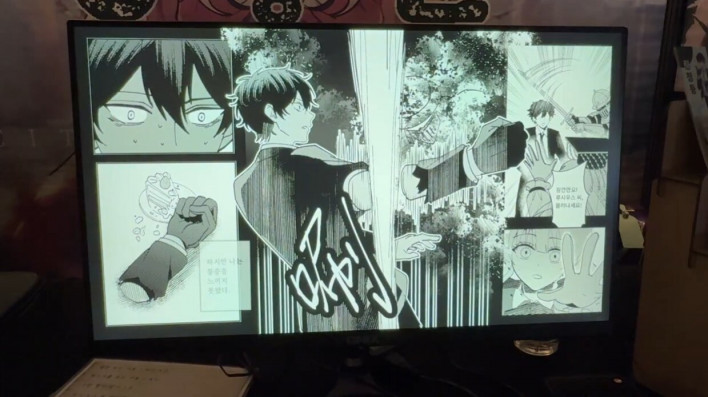
High Five Dog's 'City God Alice,' featured at the BIC 2026 Taipei Game Show booth, is a title that follows in that same tradition. The game blends the traditional Taiwanese 'City God Temple' with modern urban legends, using a mix of classic side-scrolling adventure, turn-based combat, and temple management to shed light on various aspects of Taiwanese culture, mystery, and contemporary urban life. We had the chance to speak with producer Huang Wei-cheng of High Five Dog at the event to learn more about 'City God Alice,' which is currently being refined based on user feedback from various indie game shows ahead of its planned release in the fourth quarter of this year or the first quarter of next year at the latest.
First, could you introduce your development team and your new title, 'Alice the City God,' presented here at BIC 2026.
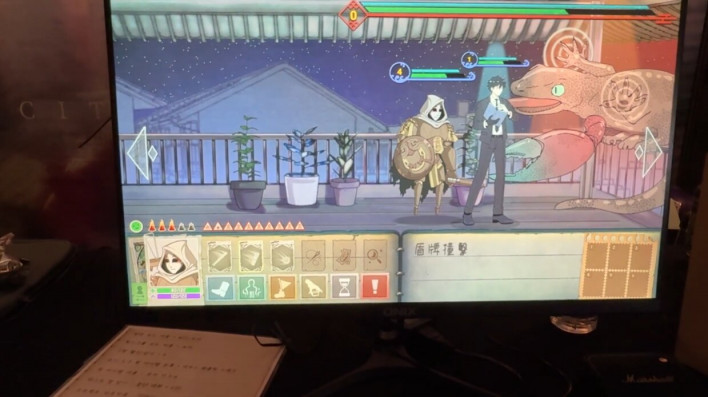
" Our studio is a five-person game development team from Taiwan. We named our studio '五狗力' (Wu Gou Li), which means 'the strength of five dogs'—symbolizing our five members working together. Internationally, we use the English name 'Five Dogs.' Our game is themed around Taiwanese temple culture, combining mystery elements derived from folklore and urban legends, a City God temple management system, and a turn-based combat system where the City God fights against spirits.
You've chosen Taiwan's 'City God Temple' culture, folklore, and urban legends as your core material. What is the background behind choosing this as the game's central motif.
" We have long believed that Taiwanese folk beliefs and supernatural stories are incredibly powerful subjects. They are already widely recognized in everything from horror movies to horror games.
However, I felt that the 'horror' genre often traps these elements within a 'mysterious atmosphere' without exploring further. In reality, there are very deep historical stories behind them. My family actually has experience running a temple, and I have a deep personal interest in history and mythology. I even study divination using the 'I Ching.' I wanted to fuse these compelling elements to create a story that offers a broader, more diverse experience. By starting the story with a novice City God, we allow players to experience the depth of this narrative more fully.
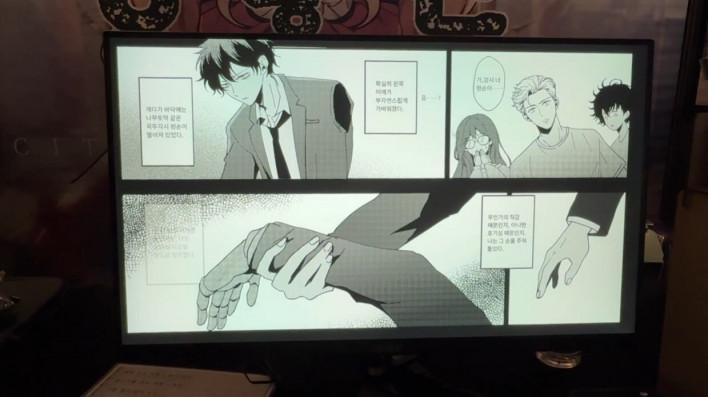
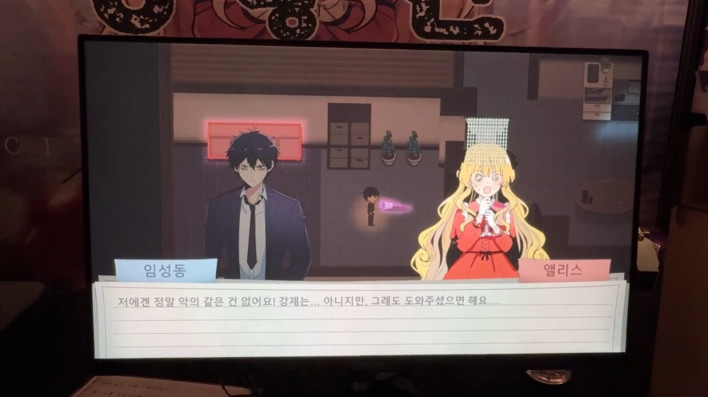
The game fuses side-scrolling exploration, turn-based combat, and a unique 'City God temple management' element. How does the management aspect affect character growth, combat, and the story?
" Actually, the figures more widely known in relation to the City God are the various 'Yin officials' (underworld administrators) under his command. Figures like Black and White Impermanence or Ox - Head and Horse - Face are representative and more familiar to the public.
In this game, however, we've set these Yin officials as the souls of heroes from the past. The protagonist must not only solve his own mysteries but also borrow the power of these officials. To do so, he must enter the past lives of these souls to uncover the obsessions and regrets they harbor.
Completing a hero's narrative not only makes that Yin official stronger but also influences the choices they make at critical moments, ultimately affecting the ending. The core task for the player in this system is to perform 'rituals' to build intimacy with these officials.
Several indie games based on Taiwanese folk culture have been well-received in Korea. What sets 'Alice the City God' apart from other titles?
" As I mentioned earlier, I think the positive reception of current games based on Taiwanese folk culture is largely due to their focus on stories centered on supernatural phenomena and horror.
Our game, on the other hand, places more weight on the historical origins of folk culture, the growth and cultivation of Yin officials, and the management and growth system of the City God temple. We also have a system where the City God, as the commander, manages these elements and coordinates combat and personnel deployment, and we designed the story based on these core concepts.
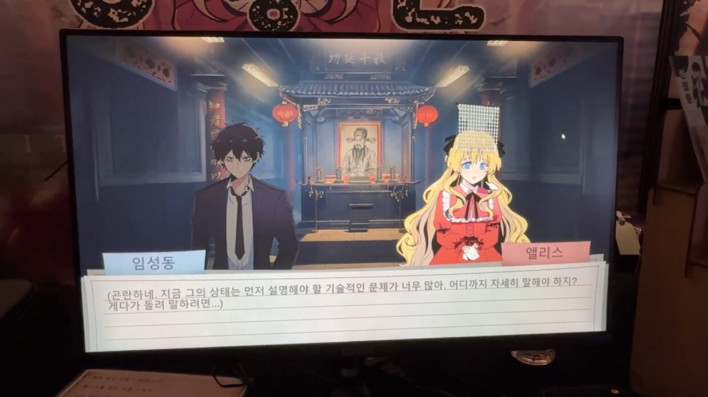
I'm curious why you chose an exotic protagonist named 'Alice.' Also, what tone did you want to convey in the story of the protagonists working with the City God and the mysterious beings of the temple?
" We chose Alice as the protagonist because we wanted to set her up as a 'doll from abroad' who doesn't know much about Taiwanese culture, acting as a novice City God. We wanted to tell a story where she grows alongside the male protagonist—also a novice temple keeper—as they gradually understand and learn about all of this together.
In the early stages of the story, we use mystery, intrigue, and horror elements to capture the player's interest. Once players start to feel attached to the characters, we plan to fully showcase our reinterpretation of history and folklore, which we are confident in. This will add a deeper structure and stronger tension to the mid-game narrative.
What are the unique strategic elements of this game's turn-based combat system?
" There are three main pillars: Faith, Spiritual Power, and mental power.
Players constantly enter the mental worlds of ghosts and demons; mental power determines how much damage you can withstand from them. Spiritual power determines how much potential a Yin official can unleash when possessing the protagonist. Additionally, the 'Faith' that people send to the City God temple determines how many resources the protagonist's party can utilize when exploring the mental world known as the 'Yuan Chen Palace.'
Based on these three factors, the protagonist can gain experience and strengthen their mental abilities by discovering new things in the mental world. In other words, the number of enemies defeated is not the sole metric for growth.
How do you feel about participating in BIC, and what has the feedback been like on-site.
" The response from players at this year's BIC was very unexpected for us. Honestly, at first, I was worried that this folk-based worldview might become a massive cultural barrier. I expected players to be interested only in the art of the main visuals.
However, after the exhibition ended, I realized that players had patiently solved every puzzle we prepared and carefully savored the story we put our hearts into writing. Some even asked if there would be more story to come, as if they were left wanting more. We are very encouraged by this response, and it has fueled our desire to polish the game further and create a great final product.
You are aiming for a release between Q4 2026 and Q1 2027. Do you have plans to expand to other platforms?
" For now, we are focusing solely on the Steam release. Since there are only five of us handling development and maintenance, we don't have the capacity to manage other platforms. However, if we find a publisher or partner willing to share that burden and move forward with us, more possibilities could open up.
A word for Korean users, please.
" Thank you to everyone who played the game to the end, even though it is still in the demo stage. The story and gameplay we have prepared will not disappoint you, so please continue to support our game with confidence.