
In the global indie game market, where countless new titles are released, one publisher has captured the attention of gamers worldwide with bizarre and unique concepts that defy the ordinary. That publisher is Critical Reflex, which has seen a string of hits with titles as intense as their names suggest, such as 'Mouthwashing' and 'Buckshot Roulette.' They are bringing a fresh shock to the indie scene by discovering the true value of strange and inventive games that the mainstream market often overlooks.
Calling themselves 'midwives bringing monsters into the world,' their core secret to success is none other than 'curiosity' and an 'experimental spirit.' Regardless of scale, they boldly embrace any game that offers intense visuals and a powerful fantasy. In particular, they have employed unconventional publishing strategies, such as marketing their horror lineup under the 'CR Channel'—a concept mimicking a strange late-night TV channel—or positioning smaller, lighthearted games as 'desserts' after heavier titles. This approach has brought them to the brink of a major milestone: 10 million copies sold for 'Buckshot Roulette' alone.
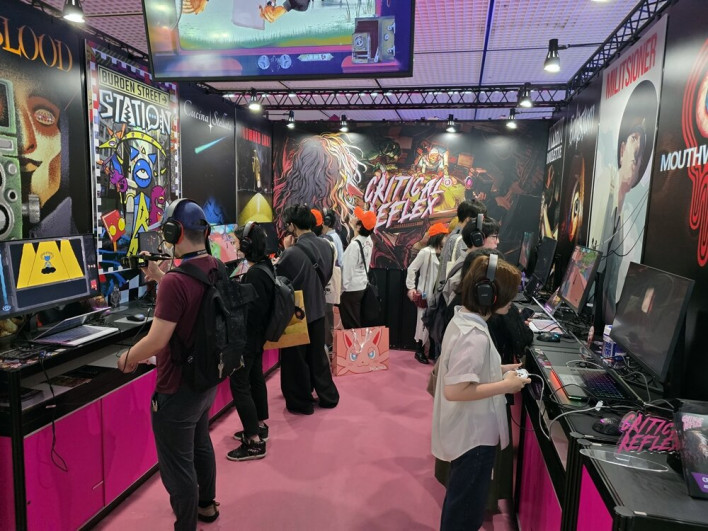
INVEN met with Rita Lebedeva, CEO of Critical Reflex, at their booth during BitSummit in Kyoto, Japan. We heard a variety of fascinating behind-the-scenes stories, ranging from their unique game philosophy of exploring strange pleasures outside the comfort zone, to their criteria for selecting publishing partners, and their active interest in collaborating with Korean indie game developers who possess exceptional potential.
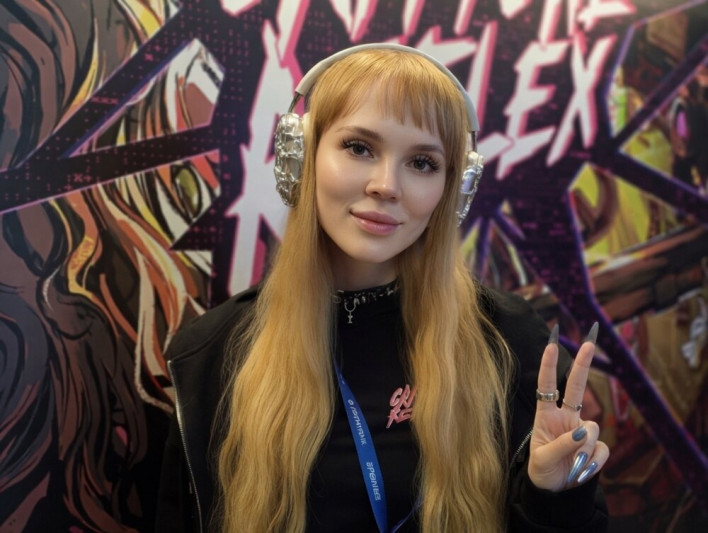
Q. Could you please provide a brief introduction for Korean gamers who may not yet be familiar with Critical Reflex.
"Critical Reflex is an indie game publisher that discovers and showcases unique, whimsical games that other publishers often overlook. We aim to reach users who recognize the value of unique titles that reject the ordinary, and you can see that charm for yourself through the diverse games we release.
Q. You have been consistently participating in BitSummit since 2024. What does BitSummit mean to Critical Reflex?
"The Japanese indie game scene currently shows immense potential and is being actively introduced to the West. BitSummit is personally one of my favorite events. It allows us to step away from the pressure of having to handle tens of thousands of business meetings in a single day and instead communicate with actual gamers in a comfortable, relaxed space. It is truly appealing to be able to watch and breathe with users on-site as they play our games and see their reactions firsthand.
Q. 'Buckshot Roulette' has been a massive success among your published titles. Could you tell us the backstory of how you came to work together.
"When I first discovered 'Buckshot Roulette,' it was already a time when countless influencers were racing to post gameplay videos of the early version found on #1. After watching those videos, I was convinced it was 'a game I had never seen before,' and I immediately reached out to the developer through my team.
After that, we added an achievements system and multilingual localization in time for its Steam release, enhancing its quality so that anyone around the world could easily enjoy it. We then collaborated on developing a multiplayer mode, taking the game's quality to the next level. As a result, we are now on the verge of hitting the major milestone of 10 million copies sold this year.
I am truly happy that we could contribute to the developer achieving such tremendous commercial success. Indie developers often doubt themselves, asking, 'Will this whimsical game of mine actually be a commercial success?' But users are always craving your unique games, so I hope you trust in your own vision.
Q. What is the secret and differentiator of Critical Reflex that turned indie games like 'Buckshot Roulette' and 'Mouthwashing' into major hits?
"The biggest secret is 'curiosity' and an 'experimental spirit.' We enjoy doing new things that others don't attempt. Most of the projects we plan start with the thought, "It seems like no one else is doing this, so why don't we try it? It sounds fun!" While it might look like we mainly plan spooky games set in grotesque mansions or dungeons, the core foundation of this entire process is 'fun.'
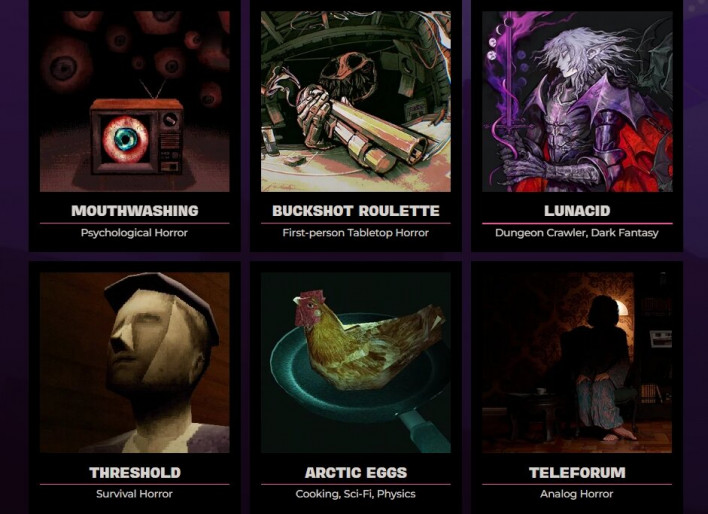
Taking the horror genre as an example, even before the excellent title 'Buckshot Roulette' became a huge hit, we had the idea of separating our horror lineup into a sub-label. We planned the 'CR Channel,' a concept that broadcasts randomly like a strange late-night TV channel, to bundle and market our early horror games.
We focus user attention first with heavy-hitting titles like 'Mouthwashing' or 'Buckshot Roulette,' and then introduce unique, small-scale games that take about an hour to play—like enjoying a dessert after a main course. Not following a cookie-cutter approach and constantly trying new, fun marketing is our greatest strength.
Q. Among the many games out there, what is the deciding factor that makes you resolve, "We absolutely must publish this game!"?
"Several factors work in combination, but the first is definitely 'intense visuals.' Personally, I am drawn to games with a PlayStation-era graphic style or unique color palettes. My childhood experiences of watching art films and paying attention to color helped shape my own creative taste.
The second is whether it provides a 'powerful fantasy experience' to the player. Even if it's not a finished build, the idea itself must be able to capture the user's heart. For example, a clear concept like 'Cult of the Lamb'—"exploring dungeons with cute animals to build your own cult"—stimulates the desire to play in itself.
Finally, we judge whether it is a title where we can provide practical value so the developer can achieve commercial success. No matter how great a game is, if we cannot create synergy, we don't force the publishing. There are too many games in the world, and we want them to find their own place, so we will continue to focus on the 'small and strange games' that best fit our lineup.
Q. What does an ideal indie game developer look like to you, and what do you value most when collaborating?
"I think it is most important for a developer to have a 'firm vision' for their game. Sometimes people propose that they will make a perfect game tailored to what the publisher wants, but that is not how we work.
Instead of forcing a vision, we prefer developers with whom we can have honest and direct conversations. We really enjoy the process of brainstorming together on how to add the 'finishing touch' to a game while exchanging ideas. I also like developers who are stubborn and stand firm on their ideas. If there is an area where they lack confidence, we will actively support them, but I believe the core vision must come from the developer themselves.
Q. What are your personal gaming tastes, and if you had to pick just one, what is your favorite game of all time?
"I don't really have a preference for genres, and I like animation, so I enjoy everything from 'Stardew Valley' to visual novels. If there is a genre I avoid, it would be sports or racing games. Oh, except for Mario Kart. (Laughs)
It is really hard to pick just one game of a lifetime. I really like 'Fallout: New Vegas,' which I've played multiple times, and the small but excellent 'Buddy Simulator 1984.' I have thousands of games on my Steam account, and in terms of playtime, 'Dota 2' is the longest. 'Persona 4' is also a masterpiece that cannot be left out, so it's really hard to pick just one.

Q. What are your thoughts on the Korean indie game market? If a Korean developer wants to collaborate with Critical Reflex, how should they approach you?
"I think the potential of the Korean indie scene is tremendous. However, marketing in the Korean market is still a new area for us, and we are still in the process of learning about marketing methods specialized for the Korean market. Therefore, if we collaborate with a great Korean game, I think it is very important to transparently communicate and align what we can support and what the developer expects from the beginning.
We do not set barriers based on country or region. If you are a developer who wants to collaborate, you can contact us anytime through our official website. If you are worried about language barriers, we provide translation and interpretation support to help ensure smooth communication.
Q. Lastly, do you have a message you would like to share with Korean gamers and indie game developers.
"To gamers, I would like to say, "Boldly step out of your own comfort zone." Try a healing game you don't usually play, or conversely, try a horror game you've avoided because you were scared. The new form of small wonder that a game provides is often discovered in such unfamiliar experiences.
To indie developers, I want to say, "Have confidence and trust in your vision." Do not limit your creativity by being bound by popular commercialism or existing frameworks. If you push forward to the end with the whimsical and unique game you truly want to make, you will definitely meet users who recognize its value. After all, life and games are meant to be enjoyed!

Sort by:
Comments :0