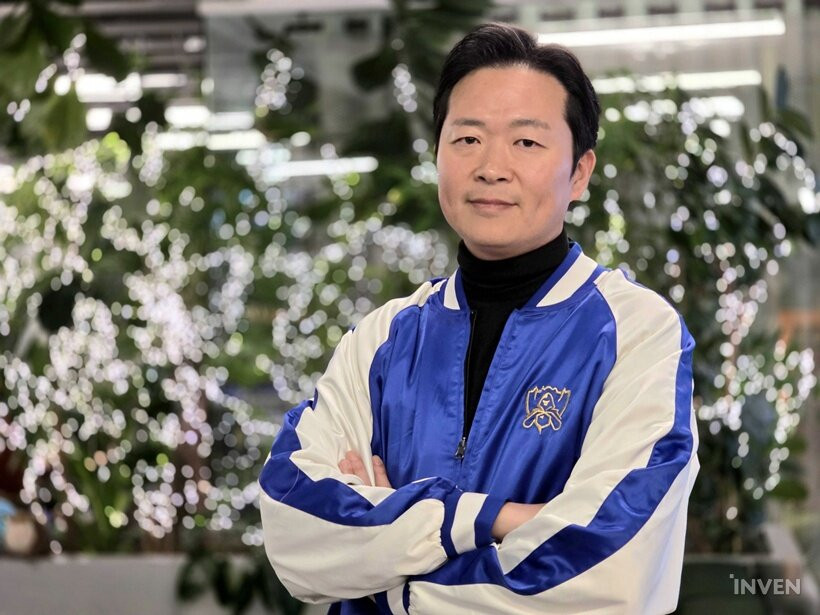
The 2025 season highlighted the theme of “change” more clearly than any year in recent LCK history. The move to a single-season format, the creation of the Legend and Rise groups, and the introduction of the Fearless Draft marked major changes that pushed the league into a new phase. These changes were not simply experimental—they were part of the LCK’s effort, in its fifth year as a franchise, to mature as a sports league.
Secretary General Aiden Lee reviewed the successes and shortcomings of the changes, explaining the gaps between the league’s intended goals, the constraints encountered during implementation, and the feedback received. He also addressed key issues raised during the season, including the impact of group separation, disparities in team performance, and scheduling challenges.
In 2026, the league will introduce additional changes, including coach voice features, schedule adjustments, Super Week, and expanded international events. Lee said the LCK aims to embrace change and continue expanding into the global market.
Q. The 2025 season had the keyword “change.” Which of the league’s intended goals do you believe were achieved?
Unlike traditional sports, the LCK is fast-paced and constantly evolving. It undergoes slight changes every year, and preparations for the upcoming season continue year-round. The changes in 2025 were especially meaningful, as it marked the first single season since the franchise system was adopted.
The LCK has evolved from hosting three seasons per year during the League of Legends Champions Korea era to operating a single-season structure today. I believe this format aligns with the historical trajectory of major team sports leagues and reflects the LCK’s development. As a result, the LCK brand has gained confidence as a sports league.
The 2025 season was successful by several measures, with viewership standing out as especially strong.
Q. The biggest focus this year was the separation of the Legend and Rise groups.
There are many factors involved in determining a league structure or format, and the most challenging is the schedule. This year, with the addition of First Stand, the league featured three international tournaments, plus the EWC. Because of those physical constraints, available match days were significantly reduced, making it difficult to increase the total number of games.
Looking at last year’s data, the win rates of the teams ranked first to third in spring exceeded 80%, which was a dominant statistic. As a result, viewership for matches involving lower-ranked teams naturally fell. Addressing that issue became a priority.
Under the new system, all 10 teams competed in Rounds 1 and 2, before splitting into the Legend and Rise groups for Rounds 3 to 5. Having five teams per group made the schedule manageable. Viewership was also evenly distributed between the groups, and although DK was initially expected to dominate the Rise group, the team struggled. The Rise group featured intense competition, with more than half of the matches going to full sets.
Q. There are still concerns about group separation. What are your thoughts?
We’re aware of those concerns. Some feedback pointed out that once the groups split, teams often meet the same opponents three times across three rounds. There are internal discussions about that, and teams also provide varied input. Some say that when they finally face teams from the opposite group again after a long break, the unfamiliar meta interpretations or reduced scrim information can actually increase the chance of an upset.
Q. With the single-season format, the Legend/Rise system, and other changes happening simultaneously, it seems you must have encountered unexpected variables. Do you think those situations were handled well?
One example occurred during the Play-In stage. There was a scenario where Team A could intentionally lose to secure a more favorable opponent. This possibility was known from the beginning when designing the system. However, I’m confident no LCK team would intentionally lose a match simply to face an easier opponent.
Group separation also produced new storylines. For example, KT did not perform strongly in the Legends group and did not come close to winning the split, yet the team delivered remarkable results at Worlds. We have seen countless changes over the past 15 years and continue to work to stay connected with the fans who love and play our game.
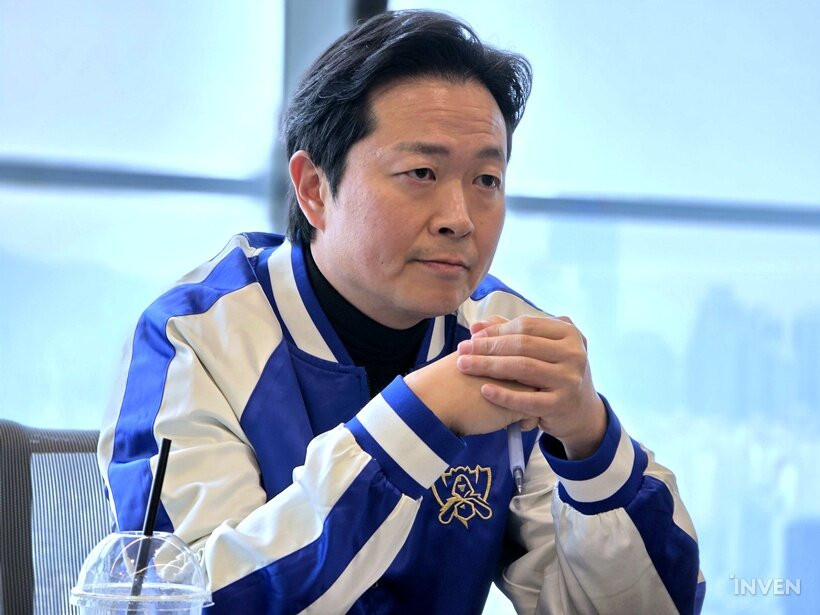
Q. This year, First Stand was added as a new international competition. With EWC and other events growing, is it becoming overwhelming?
International competitions should be viewed from a global standpoint, not solely through the LCK lens. Representatives from each region meet at least once a year to discuss competitive structures, but development levels vary significantly across regions. Even with the same game, achieving balance across global esports remains challenging.
For that reason, we try to align on international competition formats, as these events help other regions grow. From a broader standpoint, the long-term objective of advancing LoL esports remains unchanged.
Once an international competition format is established, regions take responsibility for their own schedules. In the LCK’s case, the teams that regularly qualify for international events face enormous travel and match volume, while the teams that do not qualify play far fewer matches.
In that context, the new ASI event debuted this year, and BNK FEARX’s championship run produced very positive internal outcomes.
Q. As more tournaments appear, it feels like regional leagues—including the LCK—are losing importance. Even strong domestic performances can feel overshadowed if a team falls short at Worlds.
This is something we continue to evaluate. Worlds is undeniably the premier global event. However, the LCK should retain its own value and prestige. The league’s history carries weight, and although it may seem less significant compared to Worlds, players and teams work extremely hard to become LCK champions.
We also receive feedback that prize money is too low. In professional sports, I don’t believe prize money alone defines value. For example, the winner of the Korean Series earns 50 million won. The true financial benefits of winning often come from elsewhere.
Q. The LCK Awards take place in December. Are there concerns about the awards format?
This is a complicated issue. In my view, there are two approaches to awards. One is the excitement of not knowing who will win because the competition is genuinely close. The other is creating a meaningful ceremony to honor recipients, even when winners are largely predictable. It’s difficult to achieve both, but the LCK is focusing on the latter and aims to turn it into more of a celebratory event.
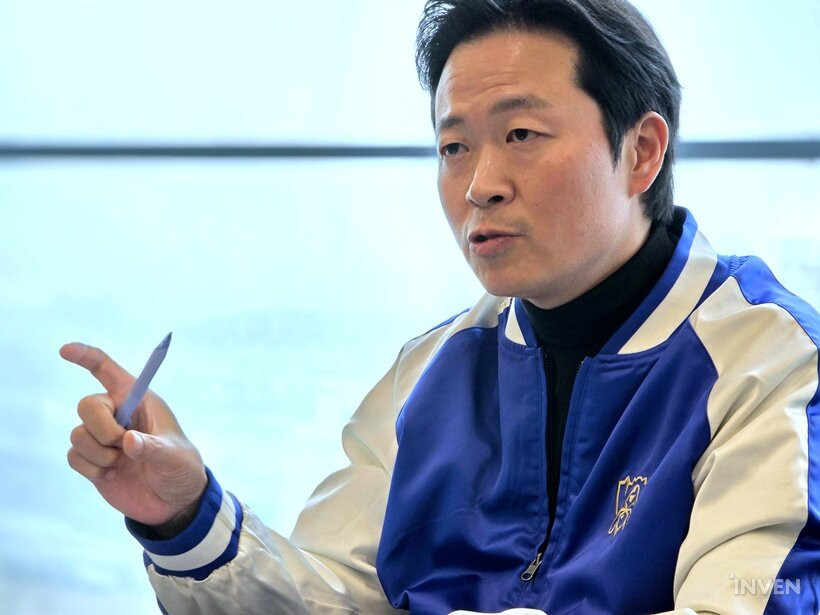
Q. Several changes are coming in 2026, including schedule adjustments, Super Week, and weekend time changes.
We plan to make full use of the LCK Cup. As you know, the LCK Cup does not count toward official records, so teams can freely explore different strategies.
Real-time coach voice features fall into the same category of experimentation and could significantly impact matches in various ways. These are not timeouts initiated after pauses; instead, during live matches, only the pre-selected coach’s voice has an on/off function. Coaches who choose to participate will share the same screen and audio channel as the players, and the traditional coach’s box will be physically separated for feedback.
It is up to the teams to decide whether to use the feature. Some oppose it, and teams that do not want it do not have to adopt it. The choice is entirely theirs.
However, unlike the Fearless Draft introduced in 2025, coach voice will apply only in the LCK, making it unlikely to appear in international events next year.
We plan to continue pursuing and challenging new ideas. The LCK has always been among the world’s strongest leagues and continues to trend upward. There may be criticism when unnecessary changes occur, but the LCK’s role is to lead the league rather than compete with other regions. We intend to attempt various initiatives with a sense of responsibility, and the LCK staff is deeply passionate and dedicated. As a result, Riot Global often notes that Korea consistently drives innovation.
Q. The 2026 MSI will be held in Daejeon.
It has already been five years since the franchise began. Over that time, operational processes have been refined through numerous experiences. After hosting Worlds 2023, we do not anticipate major difficulties preparing for MSI. The willingness of local governments is one of the most important factors in hosting global events. When reviewing applicants, we evaluate available infrastructure and the level of support offered. Among the regions that applied to host MSI 2026, Daejeon stood out clearly.
The 2023 LCK Finals were held in Daejeon, and the city expressed strong interest in hosting again after sharing how impressed they were with the event.
Q. Finally, can you share the LCK’s long-term vision?
The LCK’s long-term goal is to become a sustainable esports league that spans multiple generations. The league has developed continuously and will keep evolving. No operating team seeks praise; our role is to accept feedback and criticism, learn from experience, and improve.
We also aim to strengthen the connection between our games and esports while continuing global expansion. The Korean market alone has its limitations compared to the LCK’s competitive level and popularity, and more than 60% of viewership already comes from overseas. Our next key growth region is Southeast Asia. At the same time, we will actively support LCK roadshows for domestic fans, which offer both competitive and business value.

This article was translated from the original that appeared on INVEN.