Jeon Byung-hun, former president of the Korea e-Sports Association (KeSPA), has criticized the current situation forcing players to navigate an grueling schedule that includes Riot international tournaments, the EWC, the LCK regular season, and the upcoming KeSPA Cup, set to begin on July 20.
Hanwha Life, which defeated BLG 3-2 on the 12nd to win the 2026 MSI, departed for Paris for the EWC immediately after their victory. Concerns have been raised regarding the situation, as players must now juggle the KeSPA Cup, which opens on the 20th, and the LCK regular season, which resumes on the 29th.
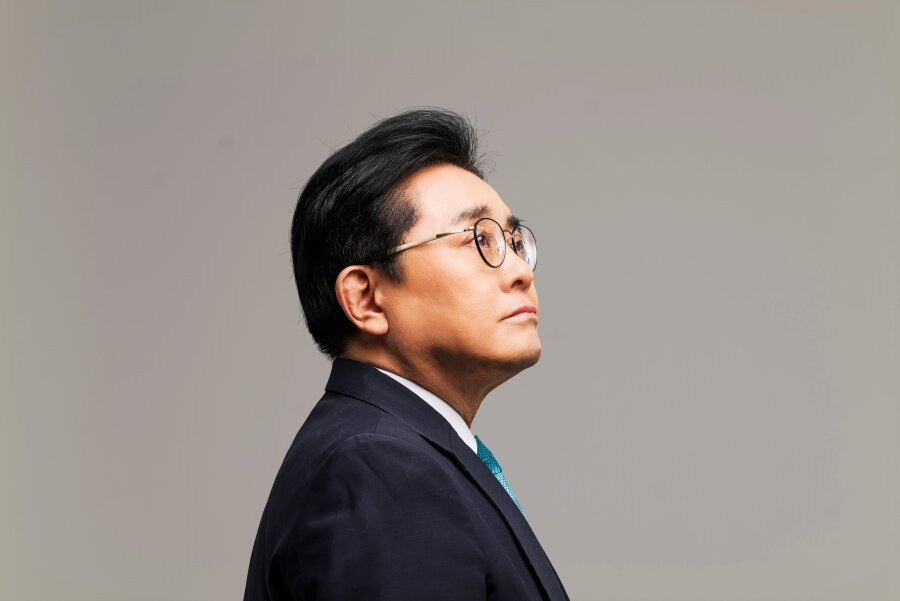
Jeon Byung-hun, current leader of the Saemirae Democratic Party, founded the KeSPA Cup during his tenure as KeSPA president. "The KeSPA Cup was not created to overwork players," Jeon said, noting the tournament's original intent. He pointed out that it was meant to be a festival to provide opportunities for prospects during the off-season and expand the base of Korean esports, but it has since devolved into a structure that treats players like consumables by conflicting with the regular season schedule. He specifically noted that players returning from international tournaments are not even given a minimum recovery period, adding, "This is a decision that prioritizes tournament operations over player protection."
"A spectacular stage built at the expense of player health can never last long," Jeon emphasized. "What the association must protect is not the number of tournaments, but the players themselves." He further criticized the association, stating that the current KeSPA Cup, which has abandoned its basic principles, is not the tournament he intended to create.
Below is the full text of the statement from Saemirae Democratic Party leader Jeon Byung-hun.
Before the thrill of Hanwha Life Esports' dramatic comeback victory at the Mid-Season Invitational (MSI) could even fade, fans' joy has turned into concern and anger.
Players who competed in the Esports World Cup (EWC) must head straight into the KeSPA Cup upon returning home, with the LCK and LCK CL regular seasons starting shortly thereafter. The schedule provides no time for proper rest or recovery for players who have exhausted their focus and stamina at the highest level of international competition, nor does it even allow them time to prepare for the regular season.
The bigger problem is that this year's KeSPA Cup schedule overlaps with the LCK and LCK CL regular seasons. Some teams may find themselves in a position where they have to compete in both tournaments simultaneously.
This is exactly what fans are most worried about. It is not simply because there are too many matches. They are concerned that players will be forced to compete in consecutive matches without recovering, and that the aftermath will eventually impact their performance in the regular season and their long-term health.
As the person who founded the KeSPA Cup during my time as president of the e-sports association, I speak with a heavy heart.
The KeSPA Cup was not created to overwork players. It was a stage designed to provide opportunities for rookies during the off-season, offer fans another festival, and broaden the foundation of Korean esports.
However, the current operation seems far removed from the original purpose of the tournament. In sports, players are the most important, irreplaceable asset. No tournament can take precedence over the players. It is difficult to avoid the criticism that forcing players who have just finished an international tournament to compete again without sufficient recovery time—and creating a structure that conflicts with the regular season—is a decision that prioritizes tournament operations over player protection.
What fans fear most is seeing the players they support unable to perform at their best due to injury or having their careers cut short by repeated overwork. Wrist, shoulder, and mental fatigue do not recover overnight. Top-tier performance comes from sufficient rest and preparation.
There is no future for an esports industry that treats players like consumables. Increasing the number of tournaments does not mean the industry is developing. A spectacular stage built on the sacrifice of players will not last. As the person who created the KeSPA Cup, I want to say this clearly: The KeSPA Cup was not created to grind down players.
The association may have gained one more tournament, but the players have lost their minimum rest, and the fans have lost the chance to see the best performances. A spectacular stage built at the expense of player health can never last long. What the association must protect is not the number of tournaments, but the players. The KeSPA Cup of today, where that most basic principle has collapsed, is not the KeSPA Cup I intended to create.

Sort by:
Comments :0