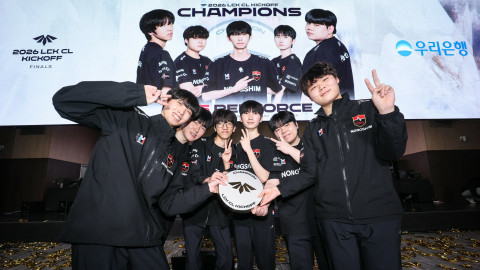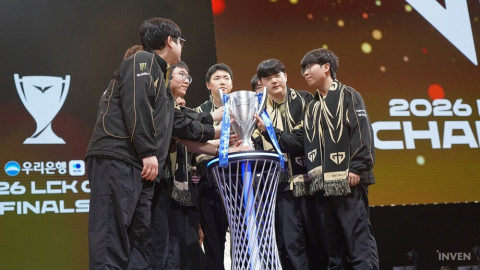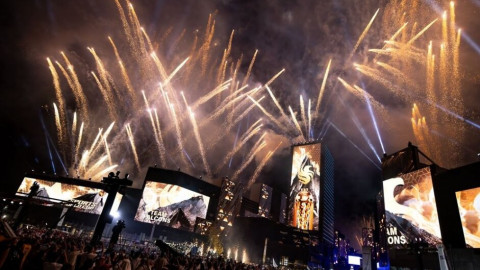
On February 28 and March 1, the 2026 LCK Cup Hong Kong Roadshow was held at Kai Tak Arena in Hong Kong. This marked the first overseas roadshow in the history of the LCK since the league’s launch.
Kai Tak Arena, the venue for this roadshow, sits about 35 km from the airport. It is somewhat removed from Hong Kong’s major tourist districts such as Tsim Sha Tsui and Hong Kong Island. In addition, a concert by the male idol group SEVENTEEN was being held next door at Kai Tak Stadium on the same dates, raising questions about whether many fans would attend the event in person.
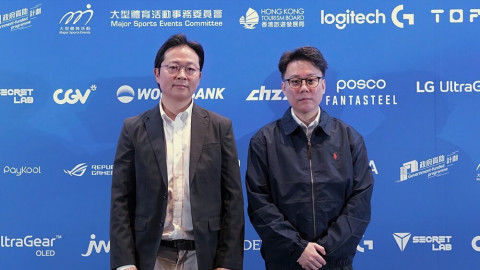
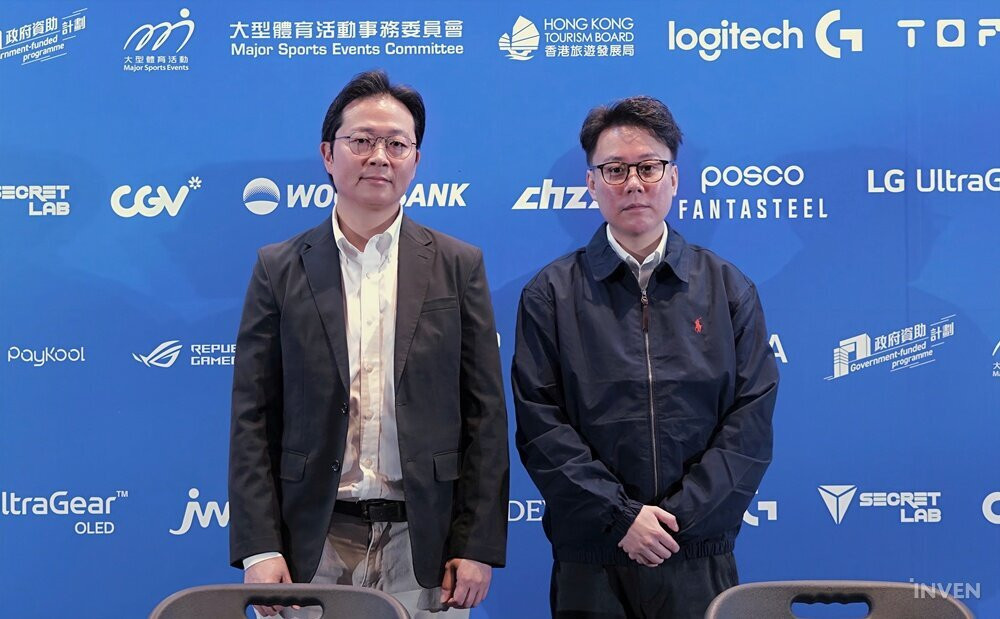
Those concerns ultimately proved unnecessary. More fans than expected filled the venue, making it possible to experience firsthand the current status of the LCK as a global piece of content within Hong Kong. On March 1, the day of the finals, we spoke before the match with Jung-hoon Lee, Secretary General of the LCK, and Kurt Li, co-founder of Hong Kong’s CGA (Cyber Games Arena), which provided significant local support. They shared insights into the background of the roadshow, the significance of hosting it, the outcomes achieved, and the direction moving forward.
“The Next Step Is Not How Many Watch, but How Deeply We Connect With Fans”
It is difficult to deny that the LCK is the world’s premier League of Legends league. Global fans already account for around 60% of LCK viewership, meaning the league has built a worldwide fandom that extends far beyond Korea.
One example of this global consideration is the decision to move weekend LCK matches back from 3 p.m. to 5 p.m., partly to better accommodate overseas viewers across different time zones. With the international audience continuing to expand, what does the LCK see as its most important challenge? Secretary General Jung-hoon Lee explained that the league’s focus is now shifting from reach to depth.
He noted that roughly 60% of LCK viewers now come from outside Korea. In terms of recognition and visibility, the league has already expanded into many regions, and that expansion is likely to continue in the future. Because of this, the next stage is no longer about simply increasing the number of viewers. Instead, the key question is how deeply the league can connect with its fans.
Lee emphasized that offline experiences are a powerful touchpoint that can transform viewers into committed LCK fans. The overseas roadshow, he said, should be understood as part of the LCK’s evolution—from something that audiences merely watch into a broader form of global content.
“A League Loved Worldwide, Like the Premier League or MLB”
Lee further elaborated on the background behind the decision to hold an overseas roadshow. He explained that the LCK is no longer consumed only as a Korean domestic league. It has become global content. In his view, the situation is somewhat comparable to leagues such as England’s Premier League or Major League Baseball in the United States, both of which have grown into competitions loved by fans around the world. The key challenge the league considered was how to deepen its relationship with fans. That question ultimately led to the decision to organize an overseas roadshow.
Lee described the Hong Kong event as a new step forward in how the LCK engages with its audience. The league has already proven itself in multiple dimensions—including competitive quality, team narratives, and the strength of its fandom. The roadshow represents both an experiment and a challenge: testing how far the LCK’s content can expand beyond its traditional format.
Hong Kong Ticket Sales Sold Out in Two Minutes
Kurt Li of CGA, the company responsible for event operations, described the LCK as “clear killer content” from the perspective of an organizer that runs major events. According to Li, not only is the level of play world-class, but the stories and narratives surrounding LCK teams are already widely shared across the global esports community. That popularity extends to Hong Kong as well, where interest in the league is strong. Pre-sale tickets sold out rapidly, and general ticket sales for both days sold out in just two minutes. The ticketing platform recorded approximately 940,000 visitors during the sale.
Li explained that the LCK already had a substantial fanbase in Hong Kong even before the event. The LCK IP itself was already persuasive enough to support an event of this scale. Additionally, the league had previously demonstrated successful roadshow events in Korea, reinforcing confidence that LCK content would translate well into an offline experience.
The reaction on-site closely matched expectations. Fans stayed for extended periods, and the event created a seamless experience that extended from fan activities into the matches themselves. Many attendees spent the entire day enjoying LCK content, and audience immersion felt complete.
Taking into account both the in-person engagement and the way content spread through online communities, Li described the Hong Kong roadshow as a major success. Across the two days, the Fan Festa recorded roughly 15,000 total visitors.
Addressing Concerns From Korean Fans
When the Hong Kong roadshow was first announced, some criticism emerged within Korea—particularly regarding the decision to hold a domestic league final overseas. Secretary General Lee addressed those concerns as well. He said the league was monitoring fan reactions during the BFX vs. DK match. Seeing the arena in Hong Kong filled with enthusiastic fans had an unexpected effect. Many Korean fans, he said, expressed pride in the LCK’s global standing after seeing the scale of the response.
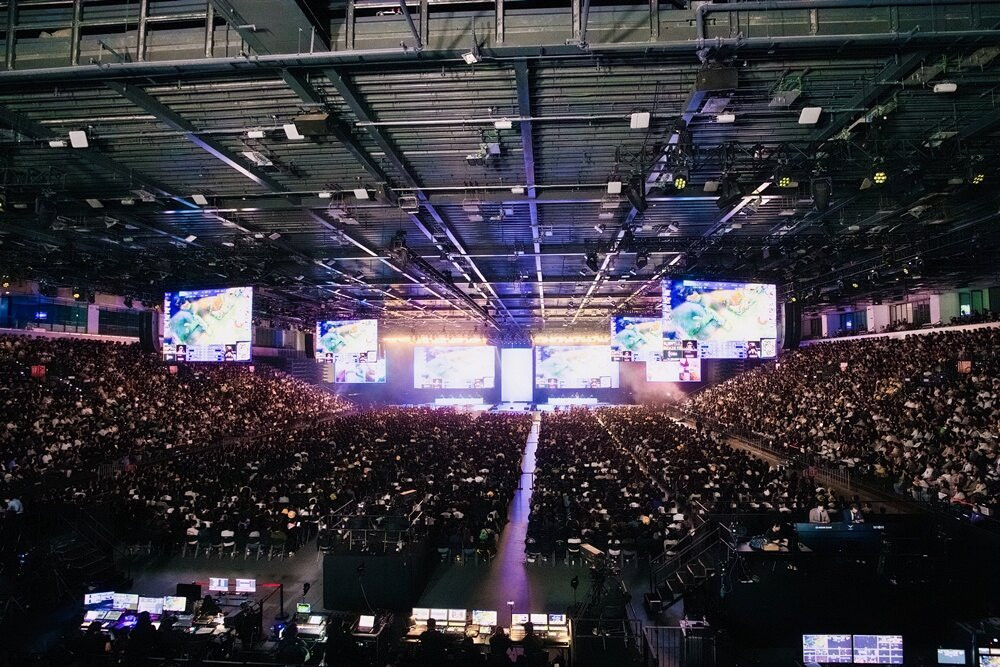
Lee emphasized that the foundation of the LCK remains its Korean fanbase. The Hong Kong roadshow should not be seen as an attempt to reduce offline opportunities for domestic fans. The league has continued to host roadshow-style events within Korea. This year, for example, Road to MSI will take place in Wonju, while the LCK regular season finals will be held at KSPO DOME. He framed the Hong Kong event as a challenge aimed at sharing a proven offline event model with global fans.
A Business Model for Sustainable Growth
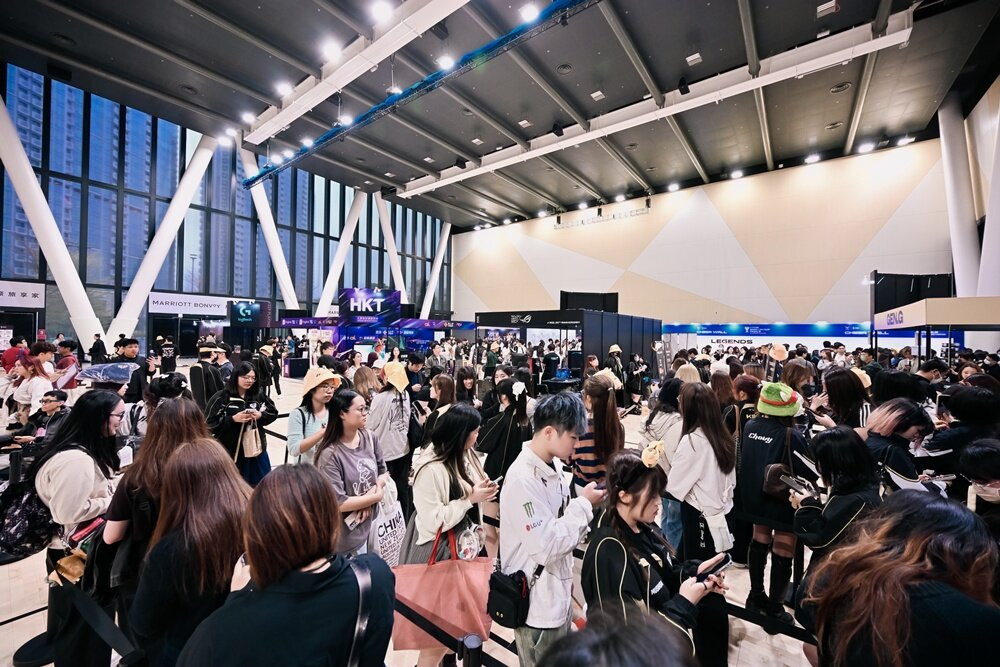
Kurt Li also spoke about the concrete outcomes of the event. At its peak, concurrent viewership approached one million viewers, and several large global sponsors participated. The local Hong Kong government also provided meaningful support. Li emphasized that the project demonstrated the LCK IP’s value not only as an esports league but also as a piece of globally viable entertainment content. In terms of revenue alone—combining government support, sponsorship deals, and ticket sales—CGA generated tens of billions of Korean won through the event.
Secretary General Lee added that the overseas roadshow format should be seen as more than just a one-time event. Instead, it represents a potential model that could strengthen both the league’s revenue structure and the long-term growth of the LCK IP. The LCK, he noted, is both premium global content and widely recognized as the world’s top esports league. For the ecosystem to remain sustainable, the league’s 10 partner teams must also be able to operate with stability.
Global events like the Hong Kong roadshow could eventually help teams expand their own business activities overseas. Ultimately, Lee stressed, a stable long-term revenue structure is necessary for the LCK and its teams to grow together.
Why Hong Kong Was Chosen
Lee also explained why Hong Kong was selected as the host location. The decision involved multiple factors. The LCK reviewed many regions for overseas expansion, but Hong Kong stood out for its strong enthusiasm toward esports.
Geography also played a role. Hong Kong’s proximity to mainland China meant that Chinese fans might also take interest in the event. Additionally, the city’s economic scale made it a promising market. Another major factor was the venue itself. Kai Tak Arena, which had opened just over a year earlier, was seen as an ideal location for hosting an esports event. Meeting Hong Kong fans in a high-quality venue carried symbolic importance as well.
Lee also credited the passion of local partner CGA and the support provided by the Hong Kong government as key elements that made the roadshow possible. While there are currently no confirmed plans for the next overseas roadshow, Lee said the league is considering many possibilities regarding frequency, timing, and potential locations.
The Possibility of Roadshows With All LCK Teams
The excitement at the Hong Kong venue was so strong that it almost felt unfortunate that fans could only see three LCK teams in person.
Lee acknowledged the interest in expanding participation but explained the practical challenges. Because of the league format, it is difficult for just two or three teams to travel overseas for a regular match outside of finals. Scheduling certain teams for overseas matches during the regular season could raise fairness issues compared to teams that remain in Korea.
For that reason, hosting overseas roadshows during the middle of the regular season is realistically difficult. Ironically, Lee suggested that an event involving all teams participating might actually be the more feasible option in the future.
Experimental Features in the LCK Cup
The LCK Cup has been positioned as a tournament where the league experiments with new ideas. This year, those experiments included the overseas roadshow and the introduction of Coach Comms. Regarding team reactions to Coach Comms, Lee said the league is still closely monitoring the feature with teams, players, and internal staff.
He compared it to the earlier introduction of Fearless Draft, which proved so successful that returning to the previous system would now be difficult. Coach Comms, however, is fundamentally different, and responses vary significantly from team to team.
Future Overseas Roadshow Criteria
Finally, Lee shared some of the criteria the LCK is considering when evaluating potential future overseas roadshows. The experience of Korean fans remains the league’s top priority, meaning regions with extremely large time differences from Korea may be difficult choices in practice.
In addition, the league would likely prioritize regions where the popularity of League of Legends has already been clearly demonstrated. With those conditions in mind, Lee hinted that discussions about future overseas roadshows and potential candidate regions are ongoing.
This article was translated from the original that appeared on INVEN.

Sort by:
Comments :0