


Until recently, the distinction between office laptops and gaming laptops was clear-cut. However, as the performance of individual components has leveled up across the board, modern laptops are evolving into more specialized categories, such as "lighter-weight devices" or "products that offer a more seamless gaming experience."
The 'Lenovo Yoga' is a flagship lineup that has earned acclaim from creators and business users for its superior build quality, portability, and sophisticated displays. While the brand previously focused on ultra-lightweight designs and reasonable performance, it has recently been actively reflecting market trends by boosting specifications while maintaining a sensible weight.
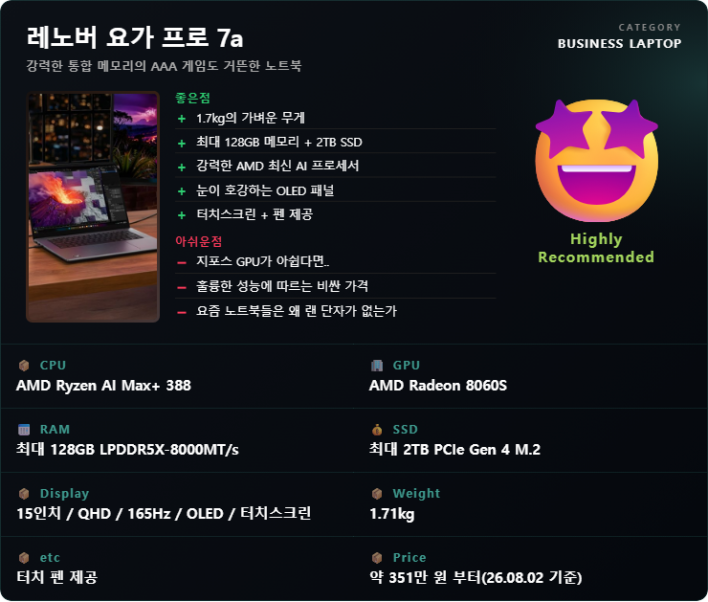
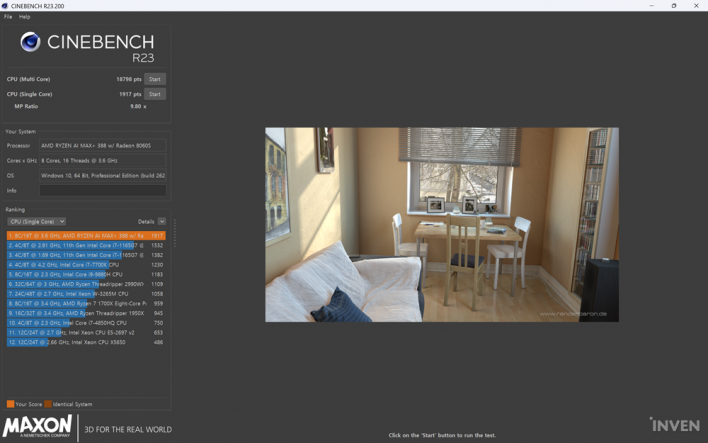
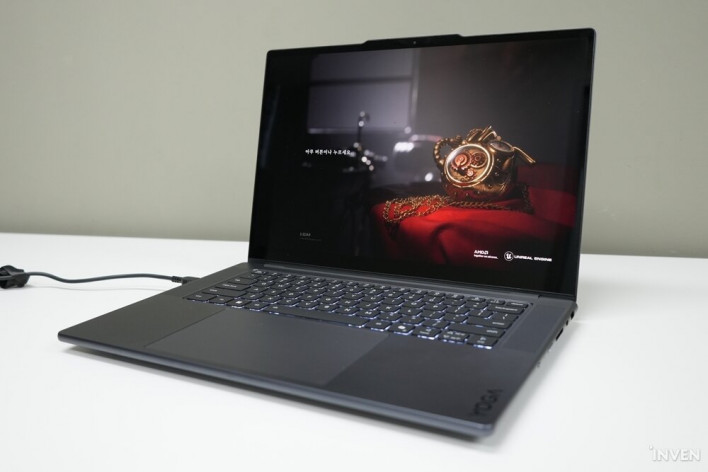
The newly unveiled 'Lenovo Yoga Pro 7a (Yoga Pro 7a Gen 11, hereafter Yoga Pro 7a)' is more than just a creator laptop for work. Equipped with AMD's next-generation APU, the 'Ryzen AI Max+ 388,' and 'Radeon 8060S' integrated graphics, it delivers powerful graphical processing performance that will catch the eye of gamers, in addition to handling video editing and 3D rendering.
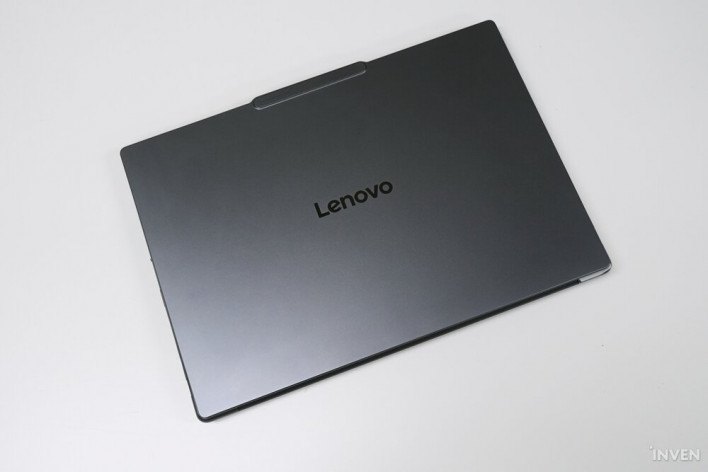
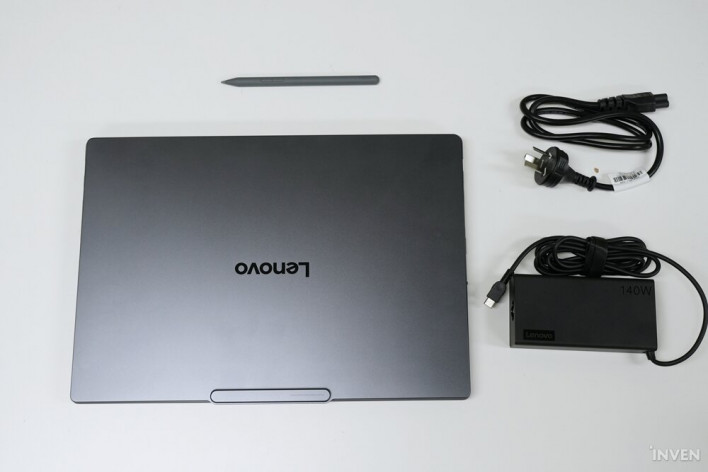
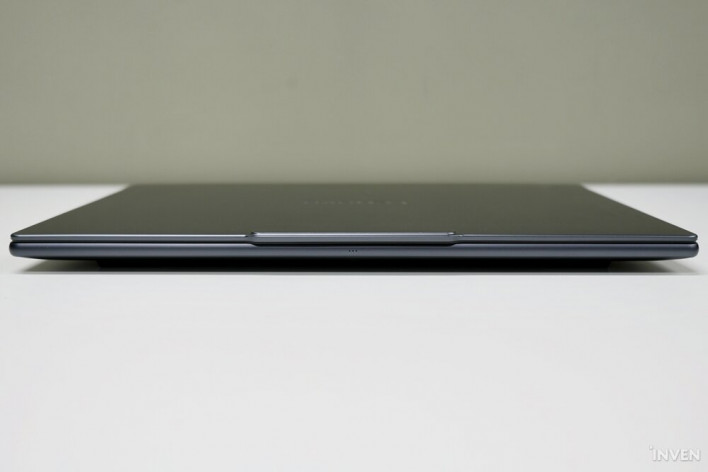
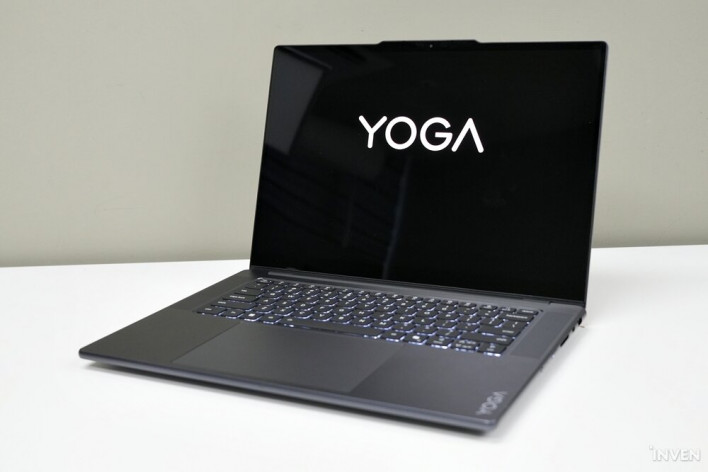
QHD Next - Gen Unified Memory Paradigm - AMD Ryzen AI MAX & AMD Radeon 8060S
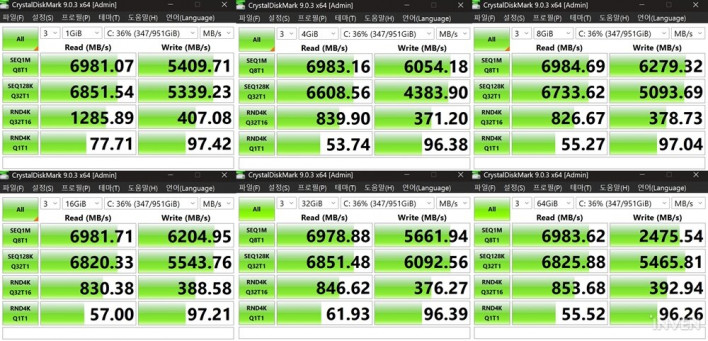
The Yoga Pro 7a features AMD's new flagship APU, the Ryzen AI Max+ 388 processor, and the Radeon 8060S, which pushes the limits of integrated graphics processing. It boasts a unified memory architecture with up to 128GB of LPDDR5X-8kMT/s memory and utilizes up to a 2TB M.2 2242 PCIe Gen4 NVMe SSD for storage.
The biggest innovation in this Yoga Pro 7a is its Unified Memory Architecture. The ultra-high-speed LPDDR5X (8kMT/s) memory is perfectly shared between the CPU and GPU, allowing it to operate efficiently based on the workload.
Typical laptops with integrated graphics are prone to frame drops or texture pop-in when VRAM is insufficient. In contrast, the Yoga Pro 7a dynamically and automatically allocates memory based on the task or gaming environment. When running 4K package games or heavy AI rendering tasks, the structure allows the GPU to flexibly draw from the high-speed memory pool as needed.
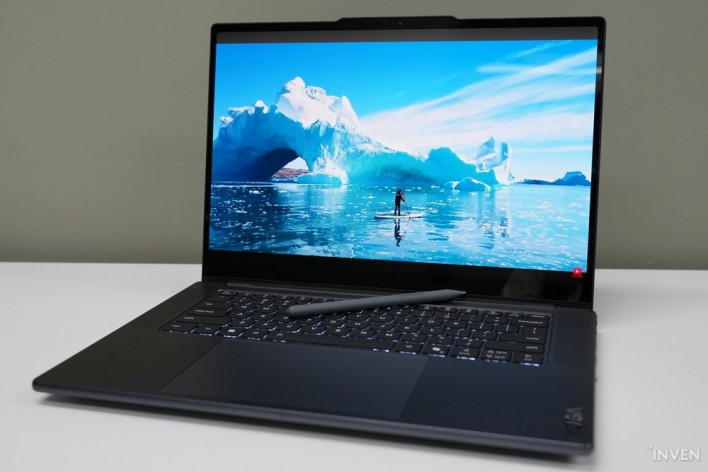
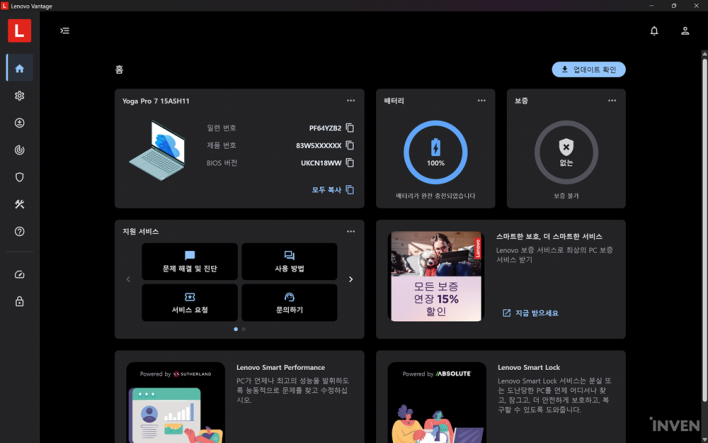
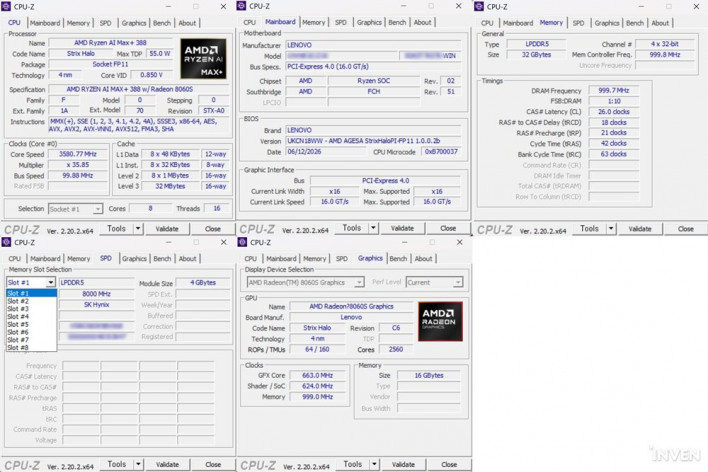
An Era Where Integrated Graphics Are Enough for AAA Games!
The term 'integrated graphics' reminds me of my early days as a reporter when I didn't know much about PCs. I remember being assigned to review an office laptop, trying to run Overwatch thinking, "It should at least run at 30FPS," only to be embarrassed when the game crashed right at the launcher. The Yoga Pro 7a, however, is completely different from those old office machines.
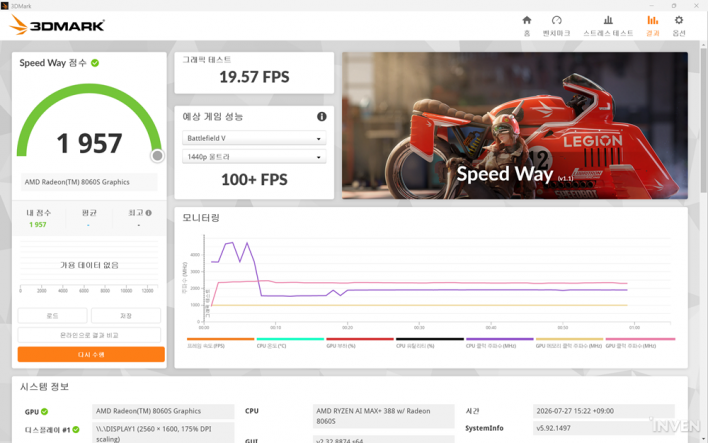
It would be a mistake to assume that a laptop based on integrated graphics can only handle light indie games or casual esports. The combination of the powerful Radeon 8060S graphics core and ultra-high-speed 8kMT/s memory bandwidth delivers performance on a different level than previous generations of integrated graphics.
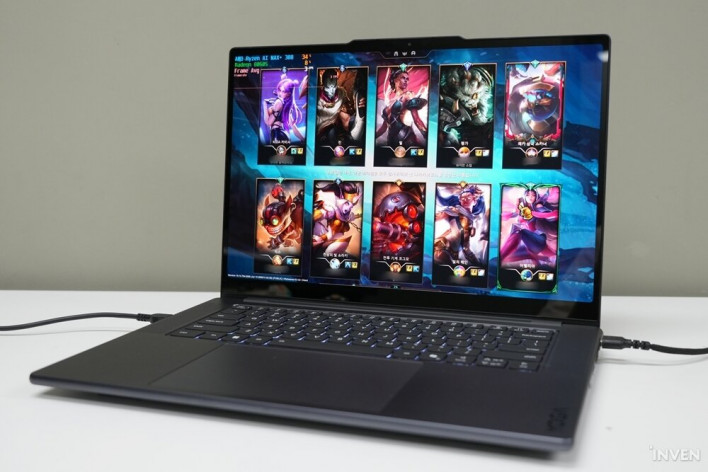
In practice, I experienced consistently smooth gaming performance even at QHD resolution. In 'League of Legends,' the frame rate easily exceeded an average of 200 FPS on the 'Very High' graphics preset. When playing 'Lies of P' on the highest graphics settings, it recorded an average of 109 FPS. 'The First Berserker: Khazan,' also played at maximum graphics settings, ran smoothly with a respectable average of 73 FPS.
In particular, by utilizing AMD's upscaling technology, FSR (FidelityFX Super Resolution), and frame generation, you can achieve a much smoother visual experience without sacrificing image quality. This makes it more than capable of handling the latest high-spec games in a comfortable environment.

Excellent Cooling + AI Performance for Maximum Efficiency
While the components themselves are top-tier, throughout the review, I felt that the high-quality internal design and AI technology maximized the efficiency of each part.
The first thing I want to mention is the cooling solution. To maintain high performance in a slim laptop form factor, thermal management is essential. The Yoga Pro 7a is equipped with the proprietary 'Lenovo X Power' cooling solution. Thanks to high-efficiency cooling fans and an intelligent thermal management architecture, it operates stably without throttling even at a 90W TDP. Even during long gaming sessions or continuous heavy AI processing, it effectively suppresses heat transfer to the keyboard deck.
The applied AI technology is also noteworthy. AI is becoming increasingly important not just in daily life but also in gaming, and the Yoga Pro 7a's powerful NPU and GPU processing capabilities provide significant advantages for both gaming and general work.
For instance, it supports real-time background optimization that analyzes system power consumption and temperature during gameplay, helping to maintain frame rates even in high-load situations like large-scale skirmishes. Additionally, during live streaming, it can seamlessly handle broadcast-related features like noise cancellation or AI background removal at the hardware level without putting a burden on the CPU.
An All-Rounder Laptop That Nails Gaming, Portability, and Creativity
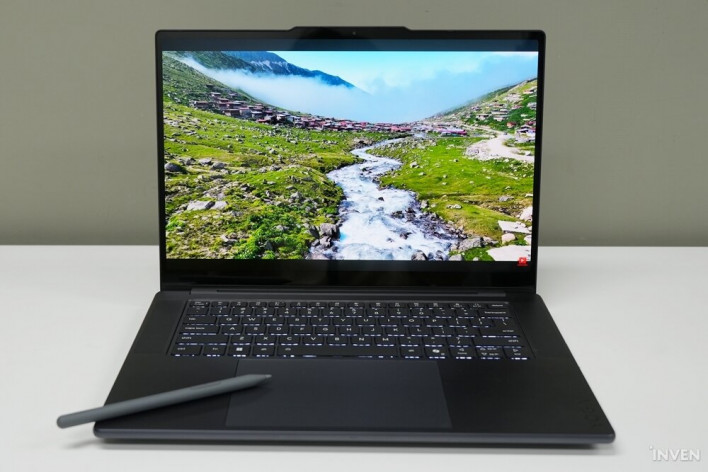
The Lenovo Yoga Pro 7a delivers better-than-expected graphics performance through the combination of 32GB of ultra-high-speed LPDDR5X unified memory and the Radeon 8060S. Add to this the 'Lenovo X Power' cooling system, which stably handles a 90W TDP, and you get a device that maintains the thin, clean design characteristic of the Yoga line while unleashing impressive performance for gaming.
Above all, it is an attractive product that effectively shatters the prejudice that a "dedicated graphics card is essential." As a single, highly portable laptop that supports creative work on the go and comfortable high-spec gaming at home, it is an excellent choice for users who want the best of both worlds.





Sort by:
Comments :0