


Ubisoft's characters have been remarkably busy lately. They are crossing the boundaries of their own games to appear on the battlefields of other companies, taking up arms alongside unexpected allies. Licensing out long-established IP for collaborations with external titles has clearly become a core business strategy for Ubisoft.
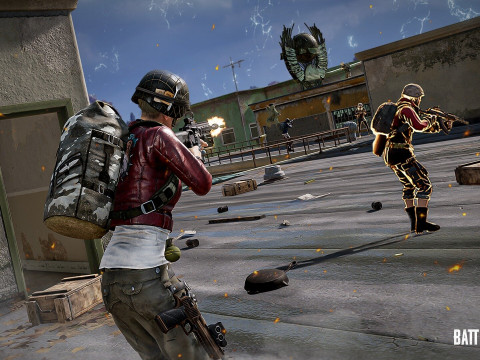
Most recently, 'Delta Force' and 'Rainbow Six Siege' crossed paths. Through a collaboration that began on July 10, 'Rainbow Six Siege' operators and the iconic 'Black Ice' weapon skin were introduced into 'Delta Force.' Given that both are tactical shooters centered on modern warfare, this is a sight that would have been hard to imagine in the past.
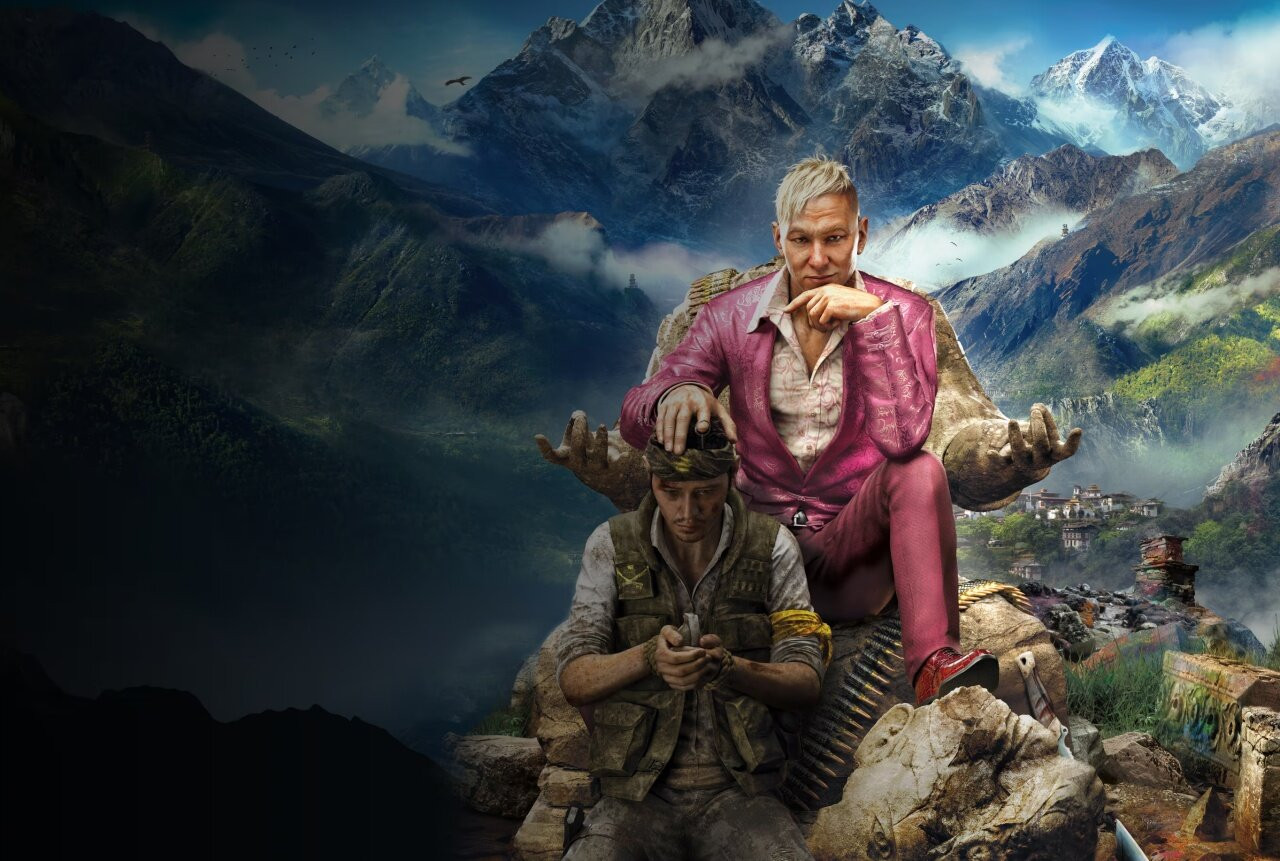
The meeting between 'World of Tanks' and 'Far Cry' is even more surreal. Key figures from the series—from Jack Carver and Dr. George Krieger of the original game to Jason Brody and Citra from 'Far Cry 3,' and Pagan Min from 'Far Cry 4'—appear as tank crew members. They even feature unique voice lines, allowing players to hear familiar characters in the heat of tank combat.
The reason for Ubisoft's aggressive push into collaborations is clear. New game releases are delayed, and the company continues to undergo cost-cutting and organizational restructuring. Even after the performance of 'SYNCED,' Ubisoft decided to lay off an additional 51 employees. In such a desperate situation, the company likely felt an urgent need for a way to maintain user interest and brand value until the next major franchise titles arrive.
Collaborations are an efficient choice for this purpose. Providing already-recognized characters and equipment to other games generates buzz and revenue without significant development overhead. With a vast library of IP—including 'Assassin's Creed,' 'Far Cry,' 'Rainbow Six,' 'Ghost Recon,' 'The Division,' 'Splinter Cell,' 'Prince of Persia,' and 'Rayman'—this is a particularly useful strategy for Ubisoft.
However, a company cannot be rebuilt on the 'rent' collected from lending out characters. While collaborations may temporarily mask the void left by a lack of new releases, they cannot eliminate that void. Just as a character appearing in another game might stir memories for fans, it cannot provide the assurance that the series itself is still alive.
Utilizing existing IP is not inherently a problem. The external appearance of beloved characters can generate short-term buzz and revenue, serving as a reminder of the original work. But the story changes when the same assets are repeatedly consumed to hide the absence of new titles. While it may fill an immediate gap, it risks eroding the scarcity and trust that these characters and worlds have built over time. The shift from using IP for survival to exhausting its value is a slippery slope.
The recent success of 'SYNCED,' which sold 2 million copies on its first day, should not be viewed with unbridled optimism. While it proves that 'Assassin's Creed IV: Black Flag' remains a powerful title, it also reveals how heavily Ubisoft is leaning on the reputation of a decade-old success.
Ubisoft has long been criticized for its similar open world structures and repetitive content, often described as 'the same old flavor.' While this once meant a guarantee of familiar fun, it now leans closer to criticism that the company is unable to offer a new menu after relying on the same recipe for too long. Success in reviving a past title does not prove current development prowess or creativity.
On the contrary, that success shows that fans are still waiting for Ubisoft's games; it is a demand for the level of adventure, individuality, and polish they experienced in the past, before the 'same old flavor' became a punchline. The fact that 'SYNCED' holds the highest Metacritic score of any 'Assassin's Creed' title released since the original supports this.
Ubisoft's greatest asset is not the number of IPs it owns, but the users who love those IPs and are still waiting for the next installment. Even as characters hop between other games, fans are waiting for the return of a new 'Far Cry' and 'Splinter Cell,' and the next evolution of 'Rainbow Six.'
And that wait is not infinite.
![]()
- Kyuman "Frann" Kim
- Email : frann@inven.co.kr

Sort by:
Comments :0