


Personally, I am always very interested when a company that produces a primary device releases peripherals designed to work with it. To put it plainly, examples include Apple's AirPods or Samsung's Galaxy Buds. While there might be more cost-effective options or products with specs that seem underwhelming when viewed in isolation, my belief is that when it comes to compatibility, the official product will always be perfect..
That is why I was particularly intrigued by the two new pieces of gaming gear released by Sony Interactive Entertainment (SIE). It makes me want to buy them even though I don't even have a PS5 at home. I'm not an expert in this market, but to my knowledge, it is quite rare for SIE to release official PlayStation 5 peripherals outside of their dedicated DualSense controller series, earphones, or headsets, which only added to my interest.
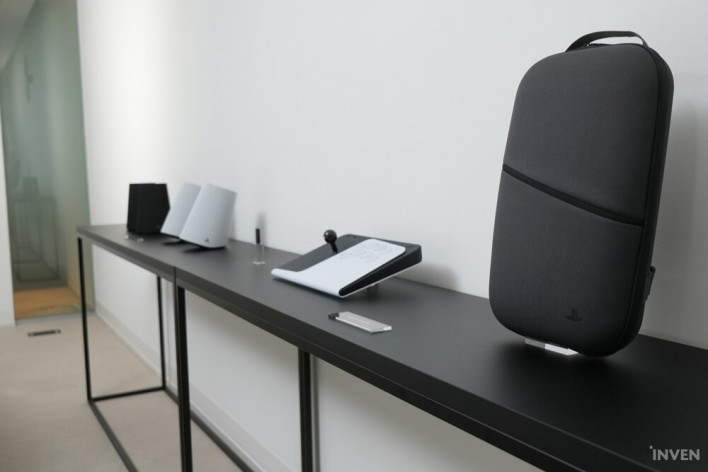
As it happened, I had the opportunity to visit the SIE headquarters to get a hands-on look at the two new products. The stars of the show were the 'FlexStrike Wireless Fighting Stick,' specialized for fighting game environments, and the 'PULSE Elevate Wireless Speaker,' which helps users fully experience the immersive sound of console gaming through high-end audio technology.
'FlexStrike': The DualSense transplanted into an arcade stick
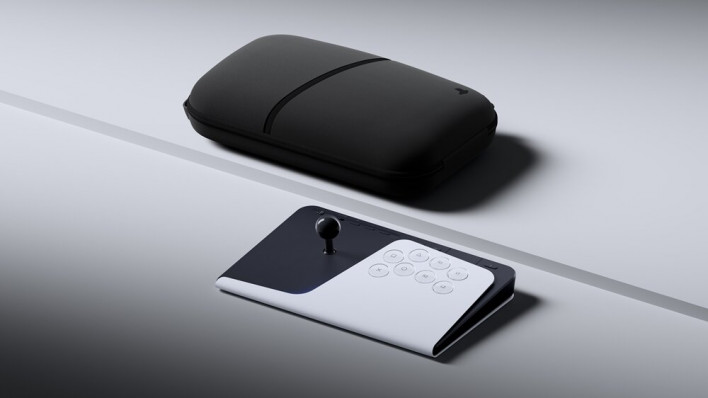
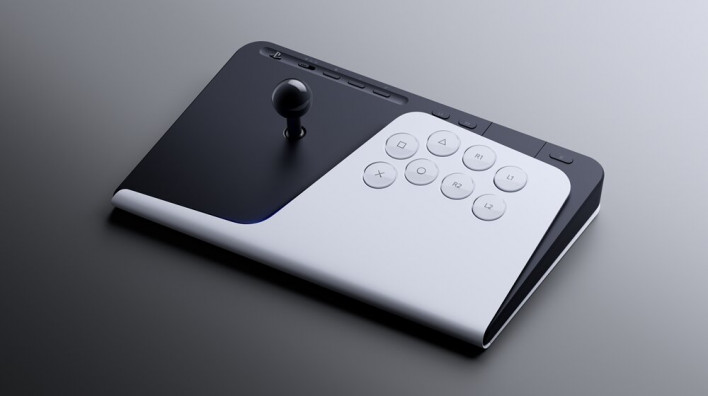
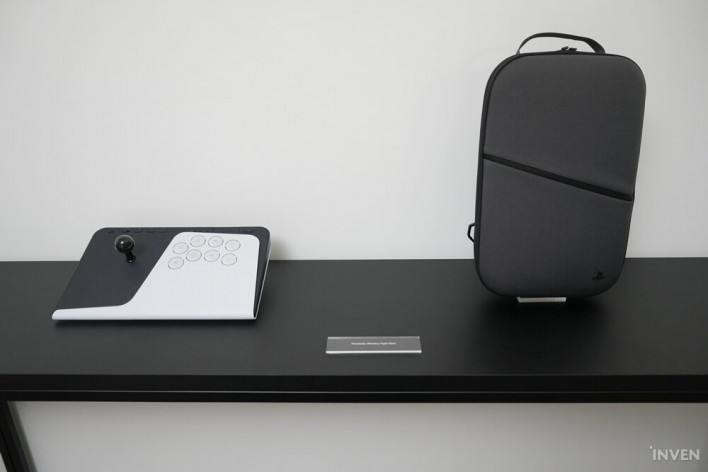
The 'FlexStrike Wireless Fighting Stick' (hereinafter 'FlexStrike') is, as I suspected, the first official arcade stick ever released by SIE. In person, it has a stunning design that would naturally convince even someone like me—who doesn't usually pay much attention to the PlayStation—to think, "Should I pick up a PS5? How long until GTA 6."
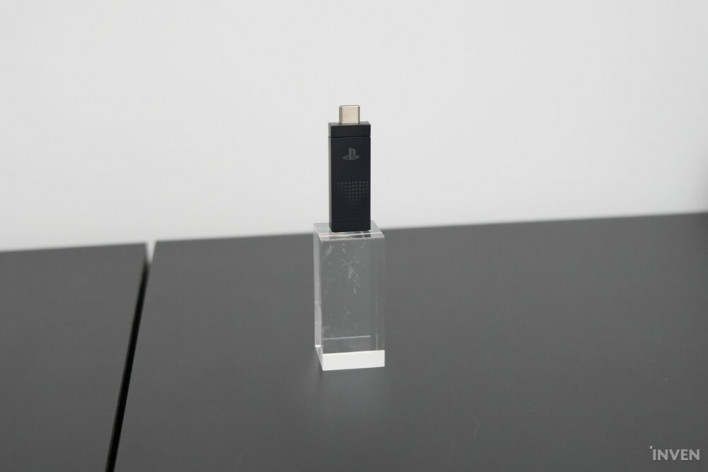
For connectivity, it supports both wired USB and wireless PlayStation Link via a dedicated USB dongle (PS Link Dongle). Despite being a wireless product, it offers a fast response speed where lag is virtually imperceptible. I was so excited about this new product that I forgot to mention it in the briefing, but I'll add for peace of mind that it also supports PC connectivity.
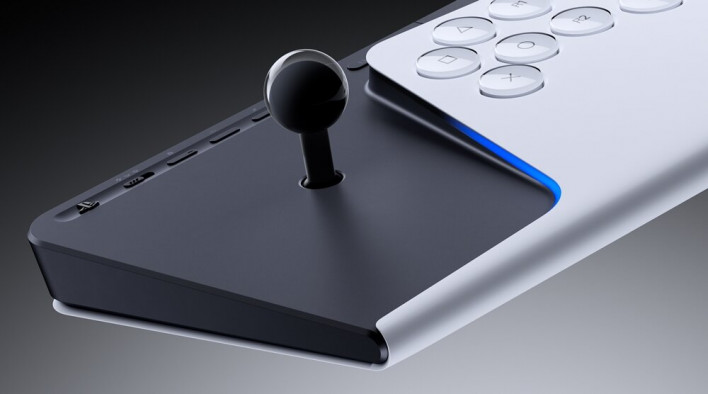
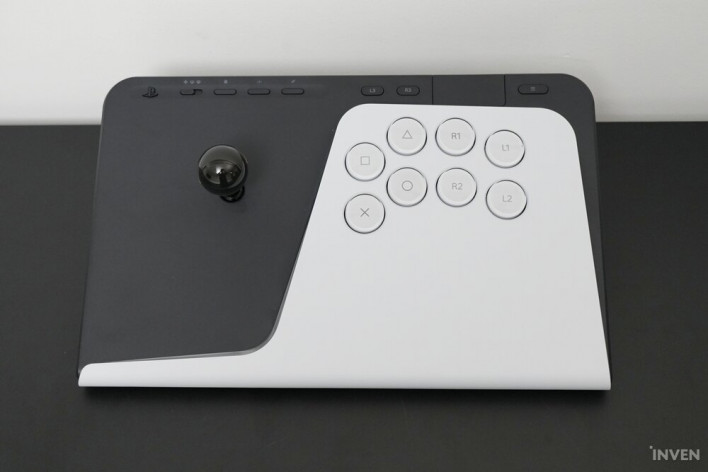
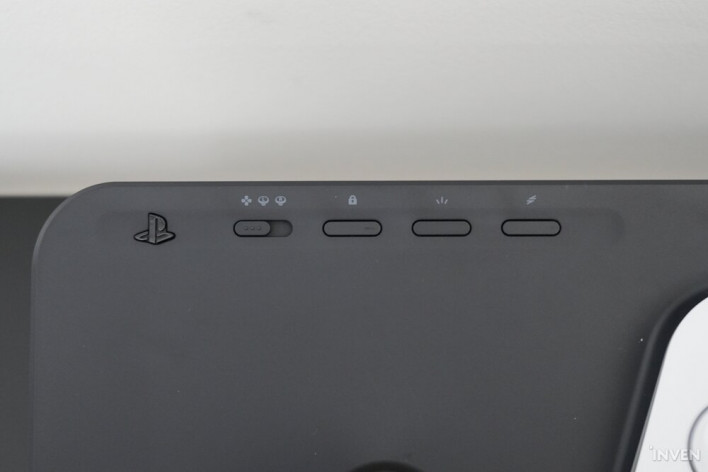
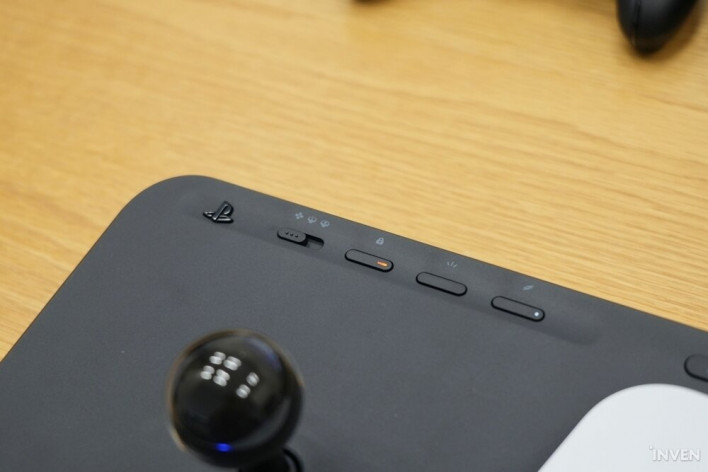
Looking closer, I was impressed by the design and layout, which essentially transplants the DualSense onto an arcade stick. From the PS button to the 3-way slide switch that toggles input between the left and right sticks, the Create and Options buttons, and the dedicated L3/R3 buttons—the most unique feature is the design that looks as if the touchpad from the center of the DualSense was attached directly to the stick, which made it feel surprisingly familiar.
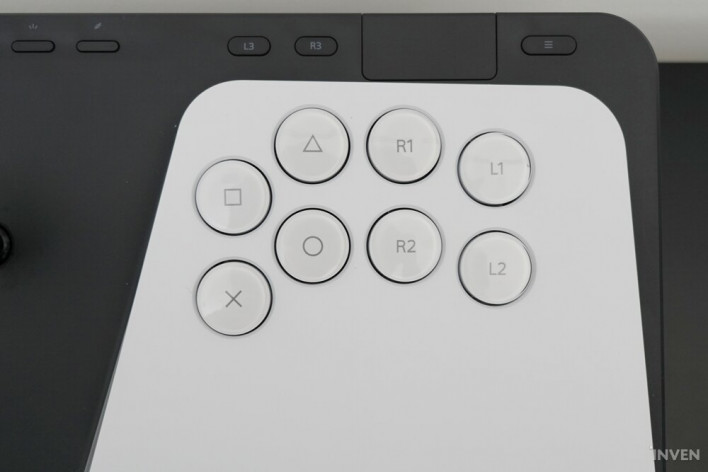
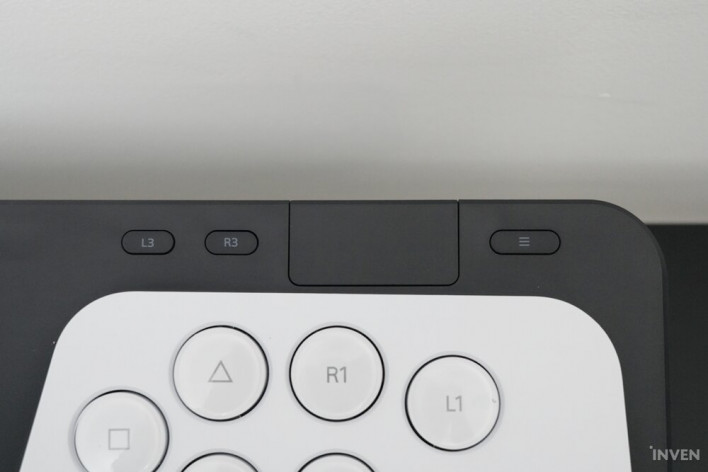
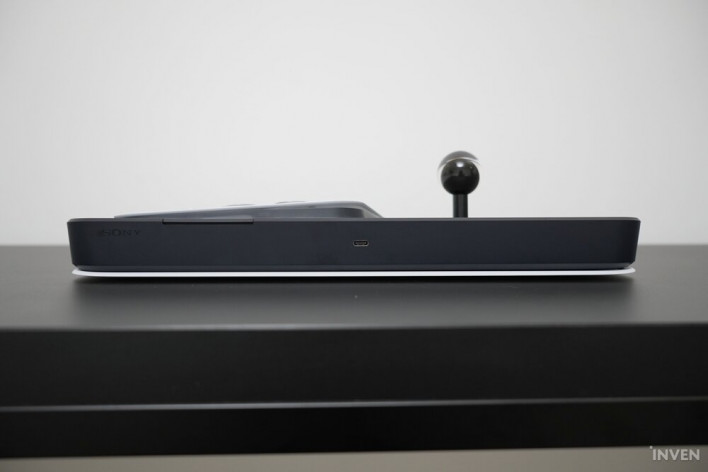
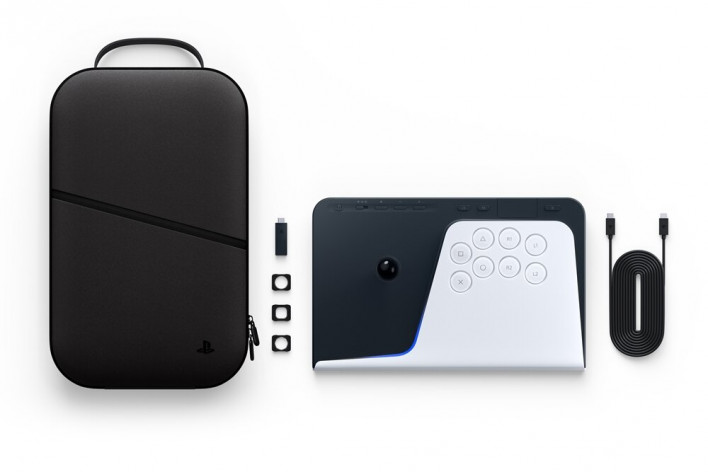
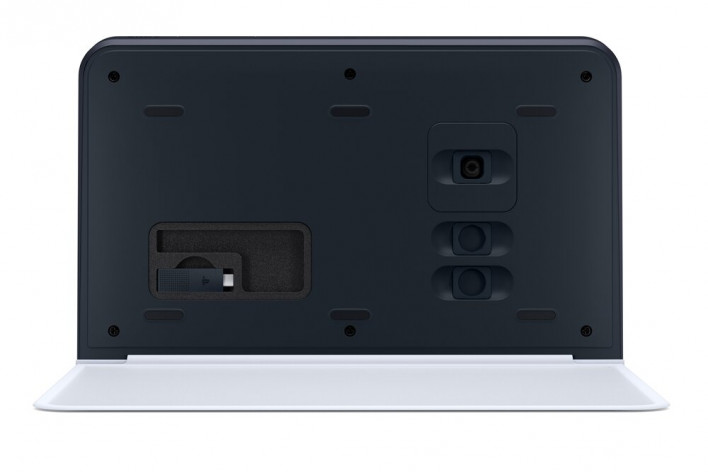
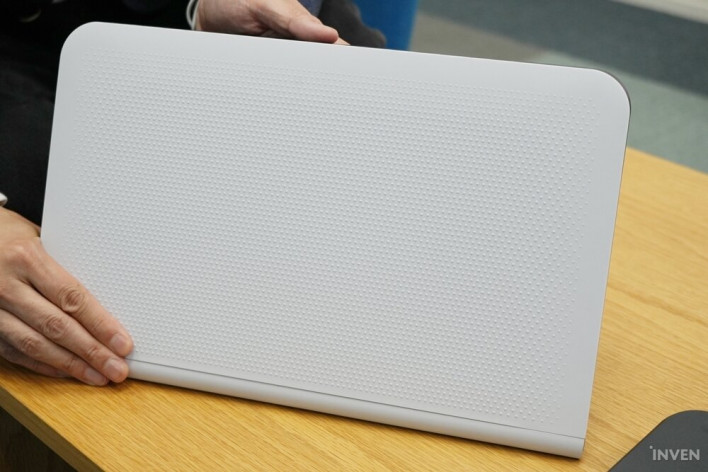
The bottom of the unit features an anti-slip texture. This ensures it stays firmly in place whether you are playing on a desk or using the lap-based style preferred by many fighting game players, allowing for stable and precise control. I'm not entirely sure of the material, but it feels like rubber or silicone—comfortable enough that you don't even notice it while playing.
Opening the bottom panel reveals the gate restrictor, which physically controls the joystick's range of motion. This component is crucial in the arcade stick world as it determines the lever's range and direction. In addition to the pre-installed square gate, the package includes circular and octagonal restrictors that can be swapped in.
This allows players to instantly change the joystick's range of motion to square, circular, or octagonal to suit their main character or command input habits. I was particularly impressed that everything from opening the bottom panel to swapping the gate restrictors can be done by hand, without any tools like a screwdriver.
However, the main input buttons themselves are not officially swappable. While I understand the fixed design—the button feel was excellent, and response times can vary depending on the switch—I didn't have a way to test button longevity or wear during the session since I couldn't use it aggressively for several days. Official information on the switches would be helpful, and if SIE intends to continue developing this space, I think users would appreciate the option for swappable switch parts in the long run.
While it might not be a major selling point, the stick head itself is swappable. I'm referring to the circular top that the player grips, not the stick mechanism itself. I couldn't confirm if there are plans for separately sold parts, but it seems compatible with most standard stick heads. Given the product's design, I cautiously predict that third-party or official accessories will be available.
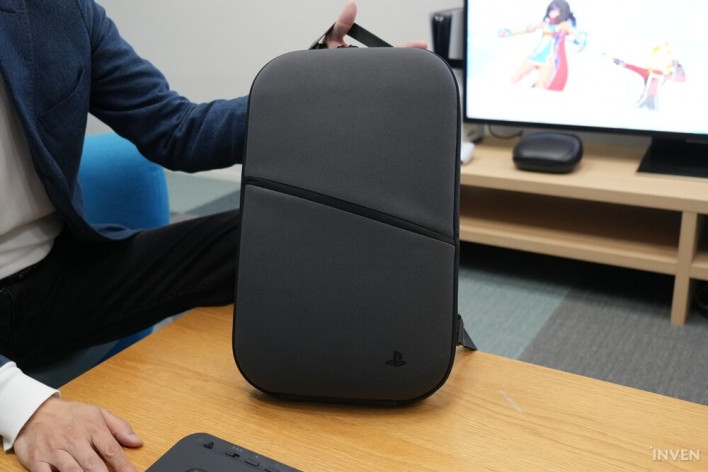
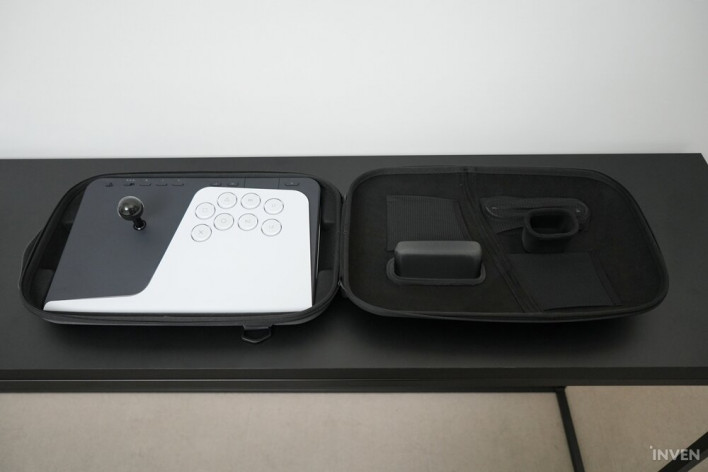
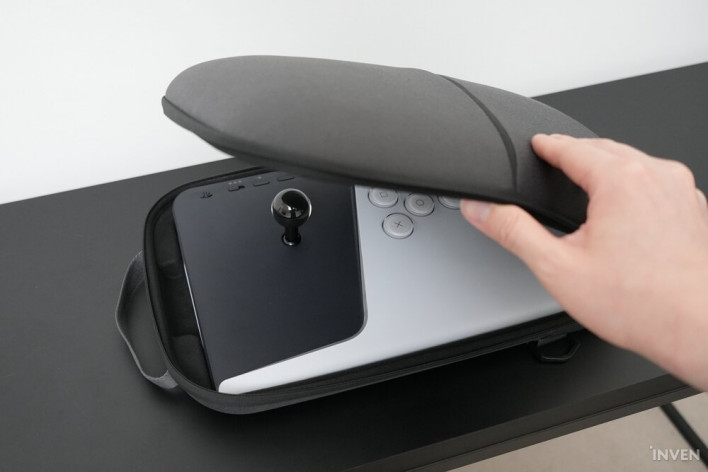
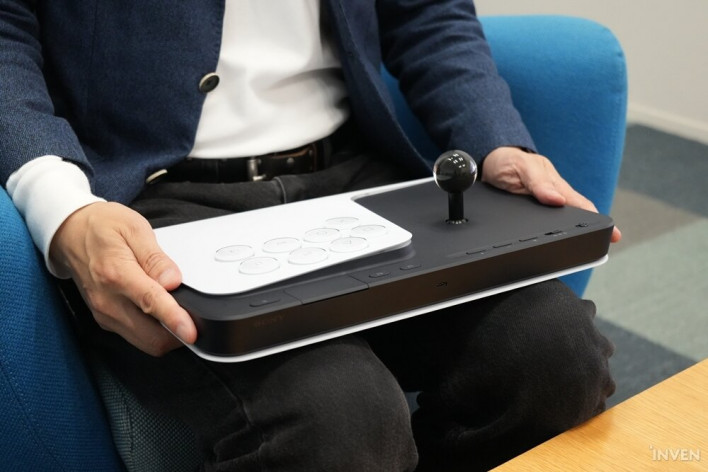
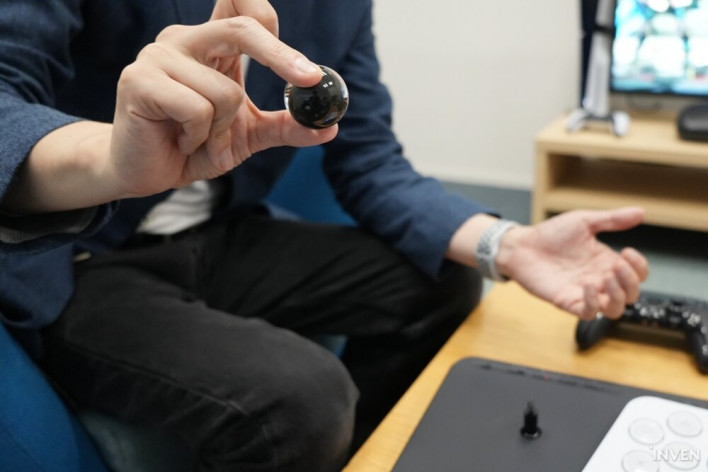
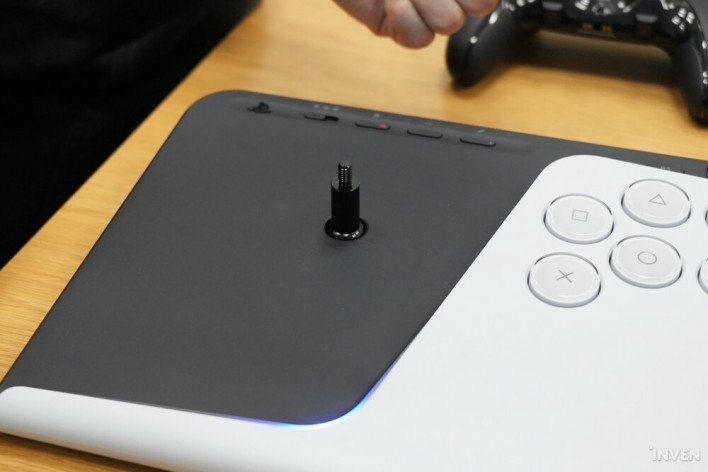
Considering eSports tournaments, the package includes a hard carrying case, showing that mobility was a priority from the start. Inside, there is a zippered pocket to safely store the included USB cable and other accessories. Above all, the design is so clean that I wish they sold it separately.
The physical safety features designed to prevent fatal mistakes in tournament environments are also noteworthy. Next to the PS button, which handles power and system menus just like the DualSense, there is a physical 'Lock Switch' that lights up with an orange LED. Holding this switch down disables all buttons except for the stick movement and the main input area (the 8 arcade buttons). It literally becomes a 'stick for fighting.' It seems that accidental inputs triggering the PS menu—which can lead to disqualification—are a common issue in tournaments, and this feature completely eliminates that risk.
Let's move on to the feel of the controls. I was able to test the FlexStrike with a PS5 fighting game. I won, but I was so focused on the feel of the FlexStrike—especially the response time—that I barely had time to think about the win or loss.
As mentioned, even in wireless mode, the response speed was so fast that lag was imperceptible. The tactile feel of the input buttons was truly top-tier. I'd describe it as quiet yet premium. It seems a low-noise design was implemented, considering that fighting games involve frequent and rapid button inputs.
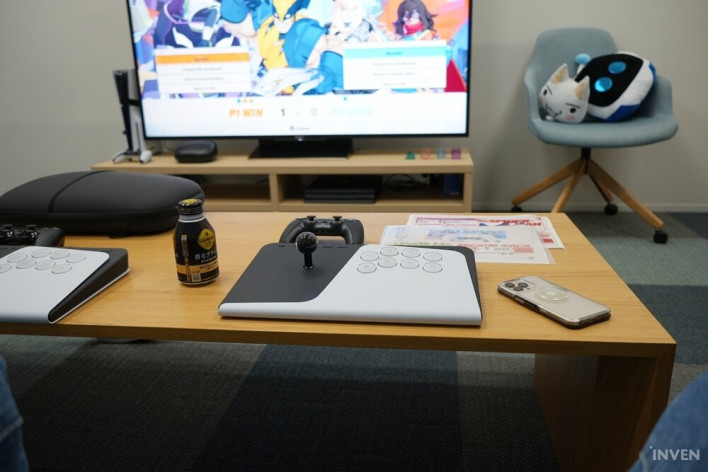
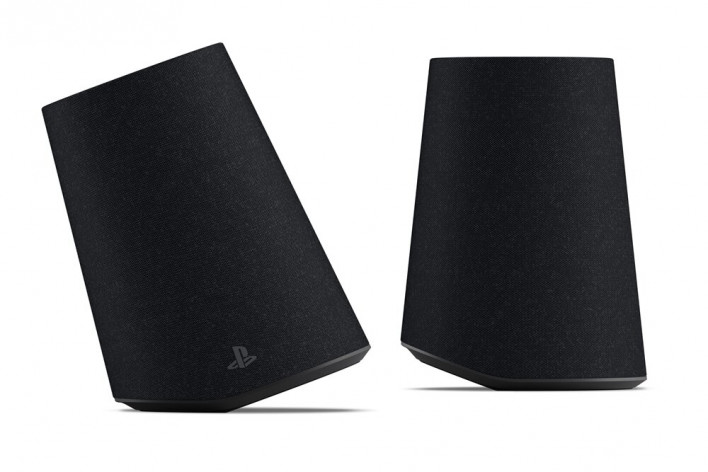
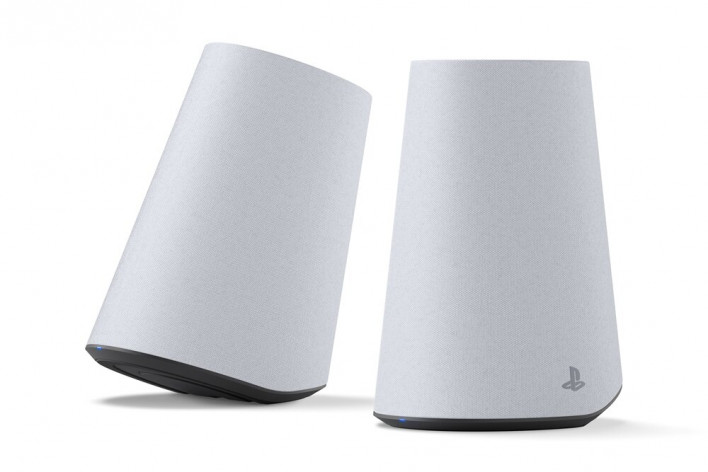
High-end speaker aesthetic, a design that fits perfectly in any interior! 'PULSE Elevate'
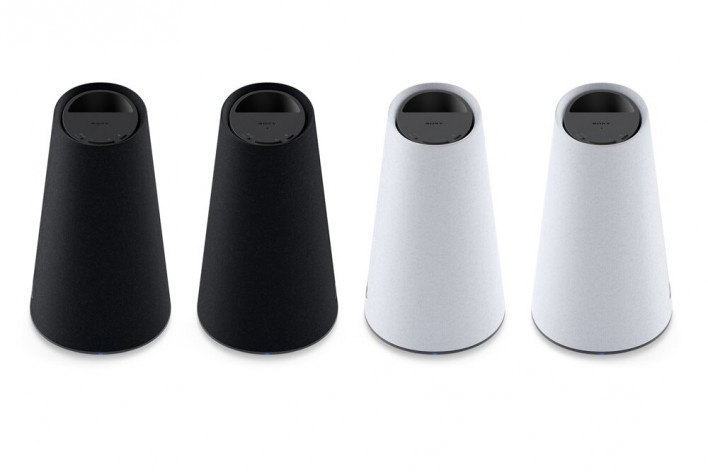
There are many speakers with great designs these days, but the 'PULSE Elevate Wireless Speaker' (hereinafter 'PULSE Elevate') brings many positive thoughts to mind. It not only matches the PS5 perfectly but also features a clean, beautiful design that wouldn't look out of place anywhere in a home. It would even fit well in a trendy shop. Of course, it is compatible with various devices, including the PS5, PCs, and smartphones.
People who buy nice speakers always worry about one thing: cable management. You see the product in a display photo and it looks great, but when you bring it home, it doesn't fit in and looks out of place—usually, cables are the culprit. The PULSE Elevate is designed as a wireless speaker from the ground up, making it free from such limitations. You might ask, "Is being wireless all that matters?" but it features a built-in battery, allowing you to move it to another room without a power cable, and supports standard Bluetooth for universal connectivity with smartphones, making it incredibly convenient for daily life.
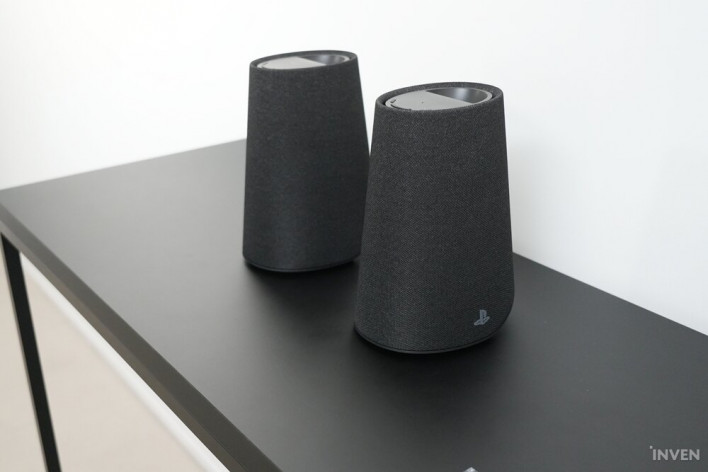
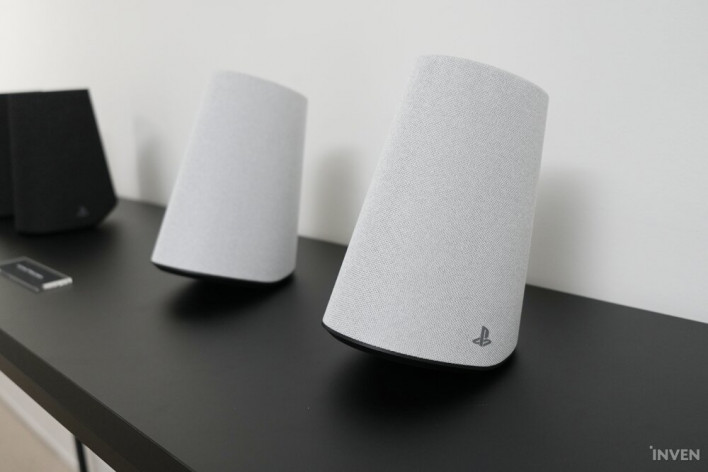
According to SIE, the PULSE Elevate is designed not only for large TVs in the living room but also for desktop gamers who enjoy games on a PS5 or PC using a monitor in tight spaces like a bedroom desk or a personal gaming room. Like the FlexStrike, it supports wireless connection via a dedicated dongle as well as PlayStation Link wireless technology.
Notably, the included USB dongle supports up to 3 devices, allowing you to pair two FlexStrike arcade sticks and one PULSE Elevate speaker to play with a friend, or connect one FlexStrike and two PULSE Elevate speakers for a more powerful sound, depending on your environment and needs.
The top of the speaker houses the power and PS Link integration button, volume controls, and a physical microphone mute button. This means the speaker includes a microphone. This is a feature that benefits desktop-based players more than TV-based ones; the performance is better than expected, and thanks to the AI noise cancellation mentioned later, it helps you enjoy clearer and more comfortable voice chat.
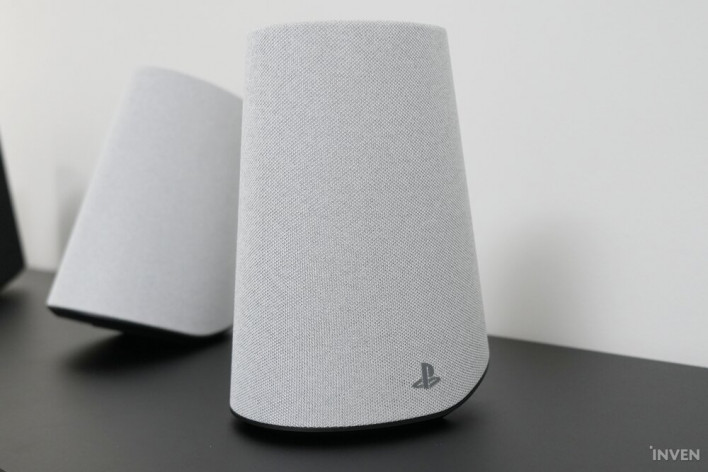
Furthermore, considering that sound directionality changes based on the player's sitting height or chair, it supports a physical tilt function that allows you to adjust the vertical angle of the product itself. You can align the speaker's output toward your ears, ensuring an optimal listening position without sound loss.
Let's move on to the sound. The core of the PULSE Elevate's sound lies in the 'Planar Magnetic Driver,' which is also used in SIE's existing high-end headsets and earbuds, the PULSE Elite and PULSE Explore. This allows it to output high-resolution sound with less distortion compared to standard speakers.
It provides exceptionally clear audio, especially in the high-frequency range where in-game sound effects are concentrated. I tested the product while playing 'Ghost of Yōtei,' and sound effects like the clashing of swords, the sound of horse footsteps, and the wind in the natural landscape were clearly separated and not muffled at all, which felt very immersive.
PlayStation users are bound to be particularly sensitive to sound, as the PS5 offers immersive, three-dimensional sound through Tempest 3D AudioTech. The dedicated PS5 3D engine makes sounds coming from above, the side, or behind feel three-dimensional, almost like 'visible sound.' Therefore, it was important to me whether the PULSE Elevate could express this richness, and the performance was satisfyingly excellent.
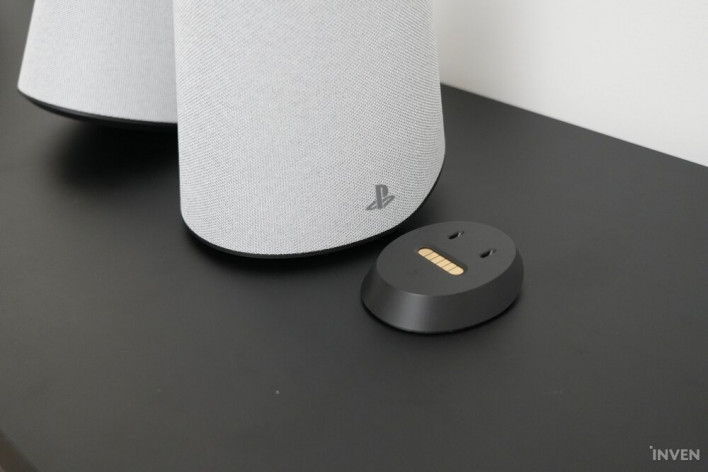
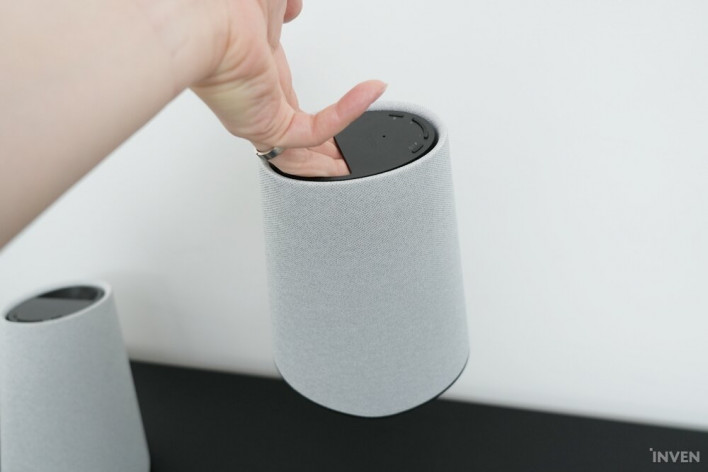
As mentioned, the PULSE Elevate features a built-in microphone, allowing PS5 users to enjoy smooth voice chat without wearing a headset. To solve the physical challenge of simultaneous speaker output and microphone input, it adopts powerful noise-cancellation technology that physically separates background audio from the user's voice.
During the actual demo, even when I played loud music from a smartphone right next to the speaker—loud enough to hurt my ears—it showed excellent suppression, recording only my voice clearly while completely canceling out the noise. This is a huge advantage in multiplayer environments where you need to deliver clear voice communication to other players without being distracted by game sounds or ambient noise.
From another perspective, this could be a great choice for gamers who inherently dislike headsets due to the feeling of confinement.






Sort by:
Comments :0