


The way we work is changing. It has become especially palpable lately. My first job was a bit slow and old-fashioned—we even had documents where we manually numbered official letters. As someone in my mid-to-late 30s, the backbone of society, I don't find it hard to adapt to new environments, but when I hear about new methods I haven't experienced, it sometimes feels like a pipe dream or even overwhelming.
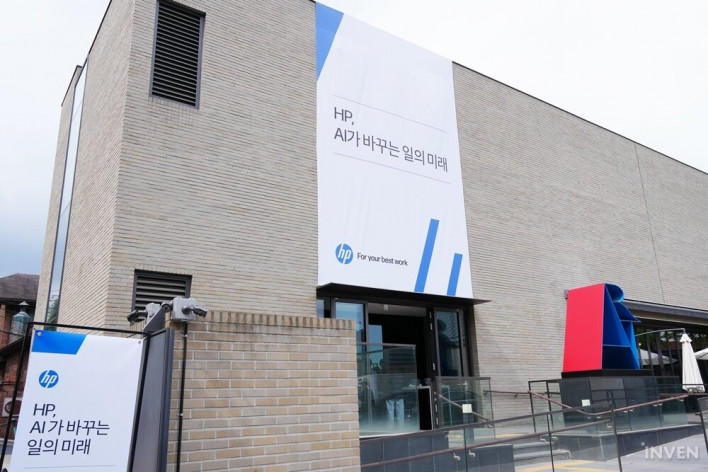
How do global tech companies work? How will we work in the near and distant future? The impact and convenience of AI have been proven beyond a doubt, but it hadn't felt connected to my own future—until today. At HP's 'The Future of Work Transformed by AI' press conference, I felt like I finally got a glimpse of that path, making for a truly insightful experience.
On April 28, at N-Haven in Cheongdam-dong, Seoul, HP presented the latest trends in AI PCs and the future of the work environment as envisioned by the global tech giant.
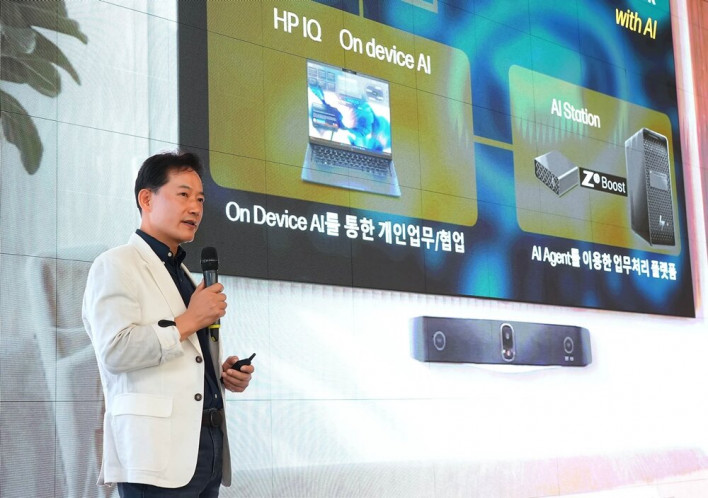
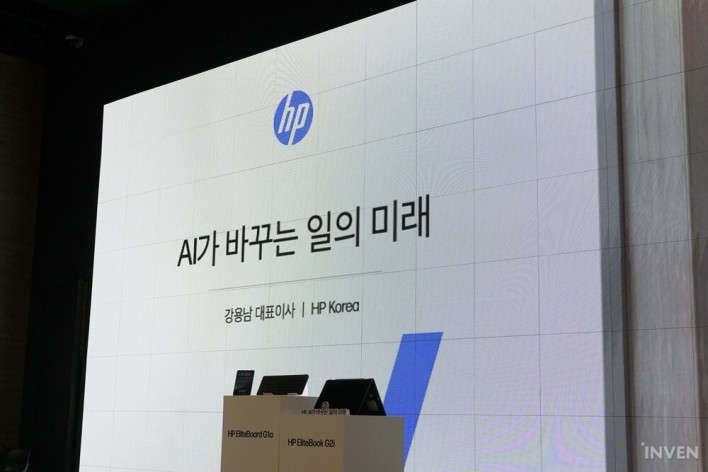
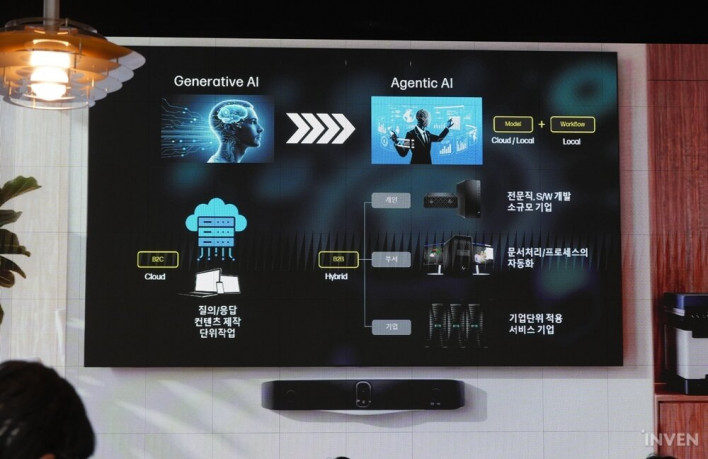
The event began with opening remarks from the new CEO of HP Korea, Kang Yong-nam. "AI is now going beyond simple functionality to redefine the very way we work," he said, expressing his ambition to "lead the innovation of a human-centric work environment that is not constrained by location or device."
He added that while existing AI has played a role in simply assisting humans, we are now entering an era where 'Agentic AI'—which perceives situations and performs tasks directly—will be introduced into the corporate market in earnest.
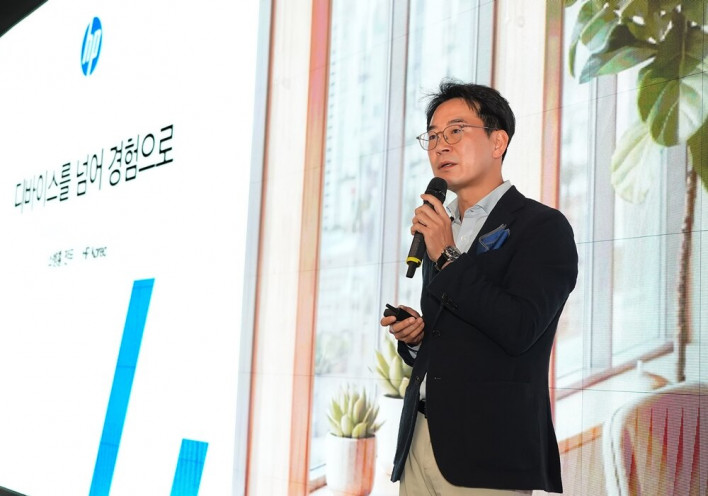
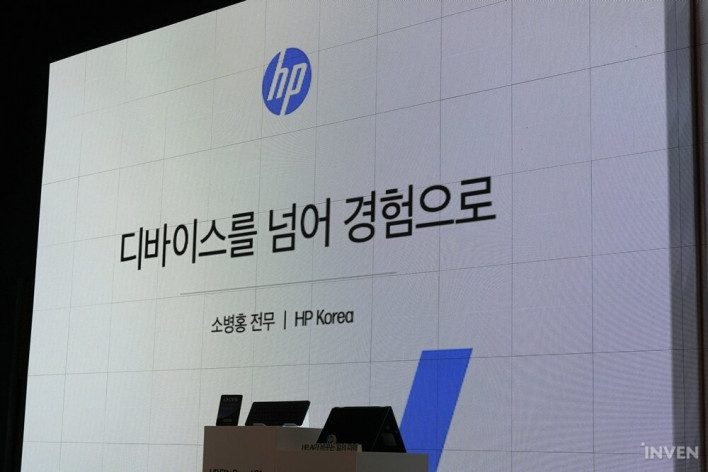
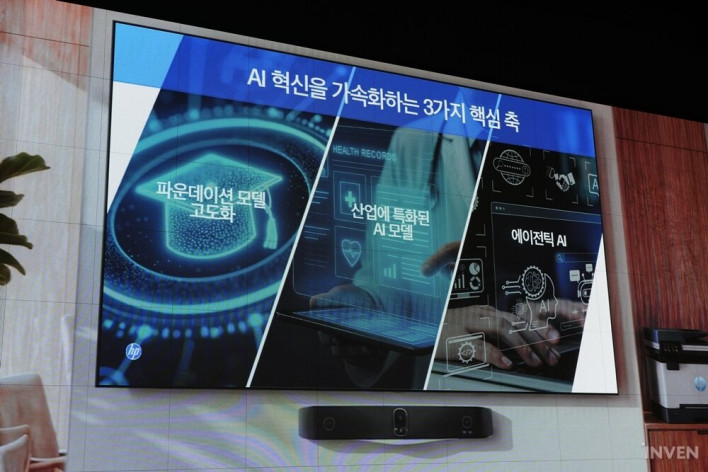
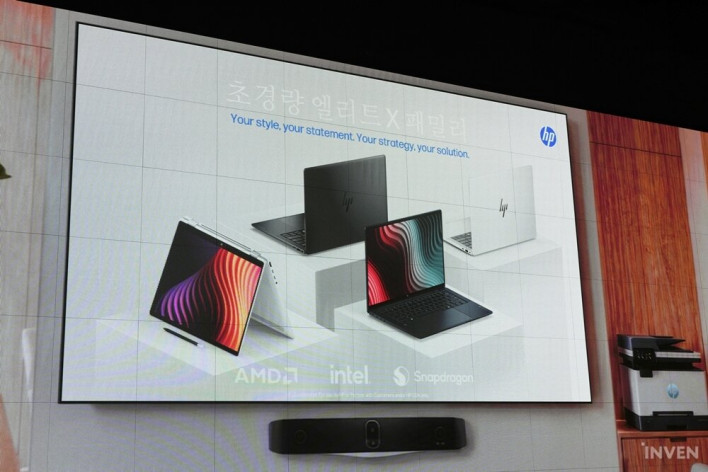
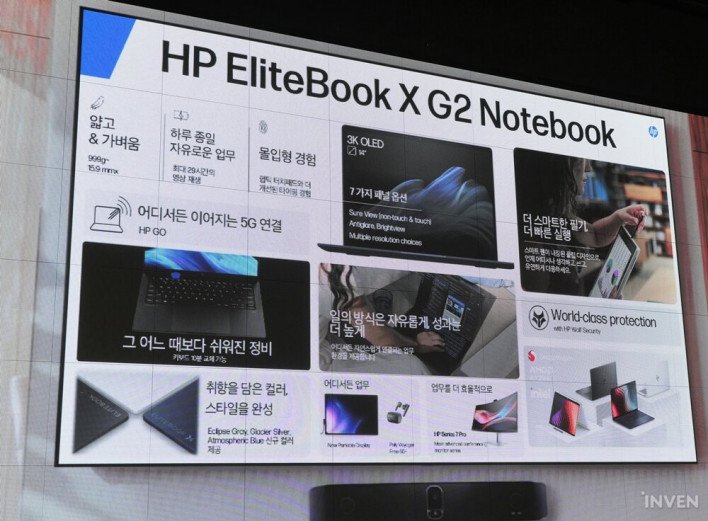
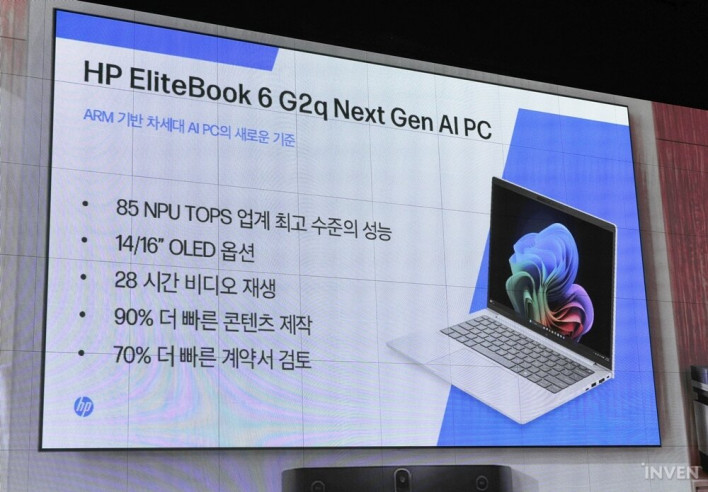
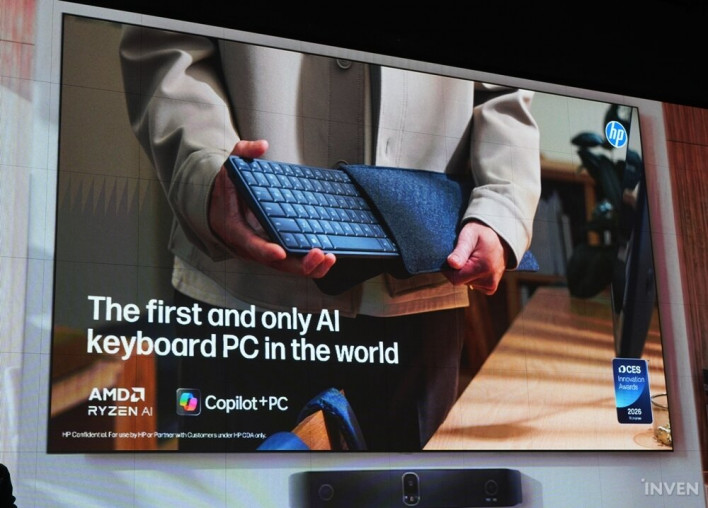
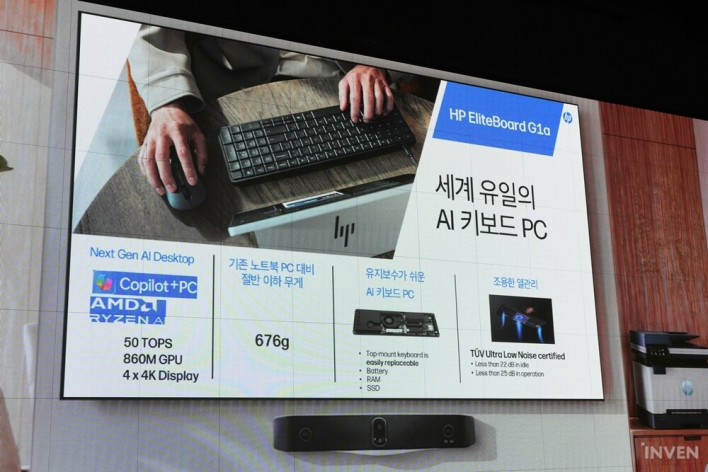
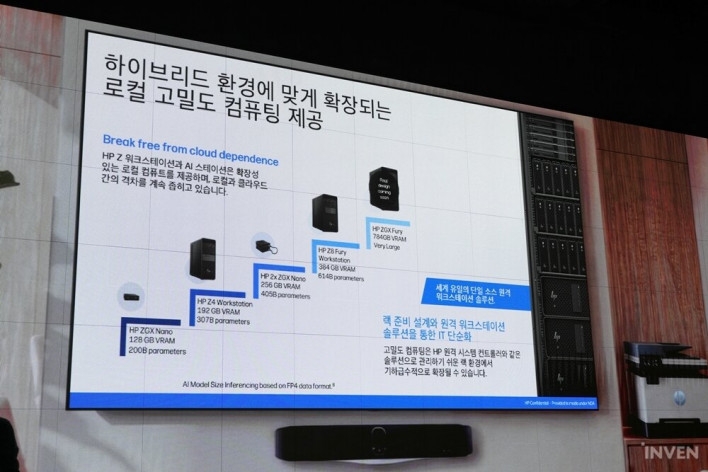
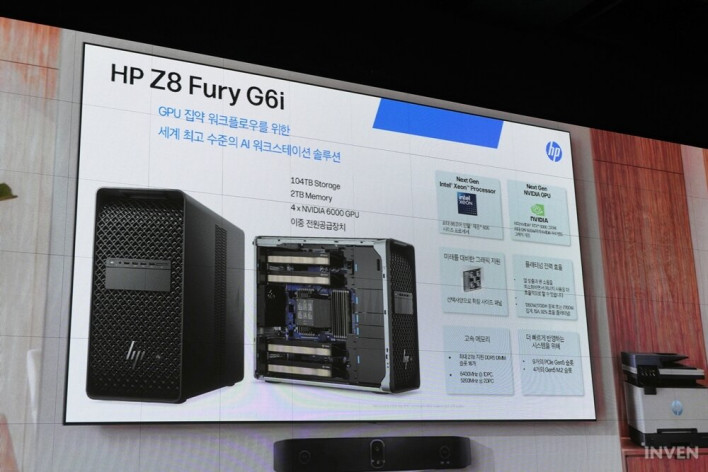
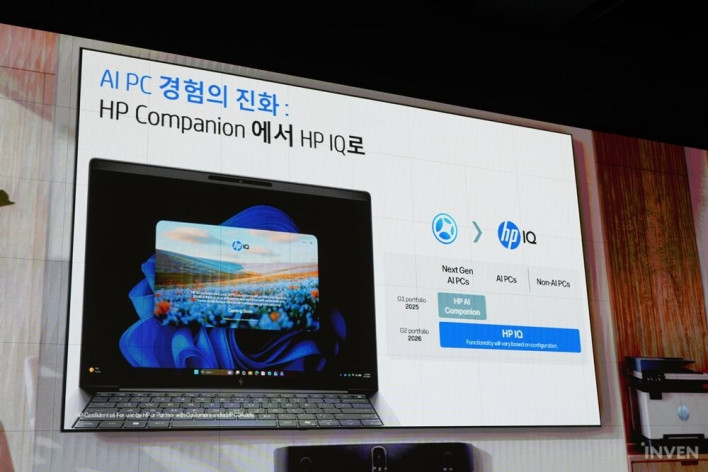
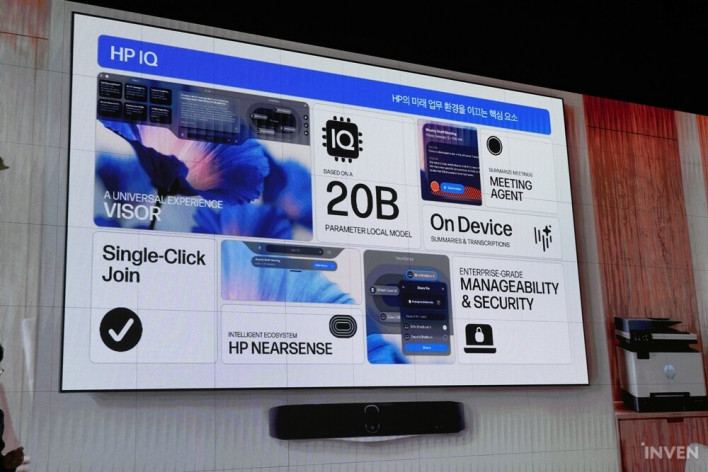
Next, HP Korea Executive Director So Byeong-hong introduced HP's business PC portfolio and strategy under the theme "Beyond Devices, Toward Experiences." He continued, "The PC is evolving from a simple device into a platform that connects work experiences."
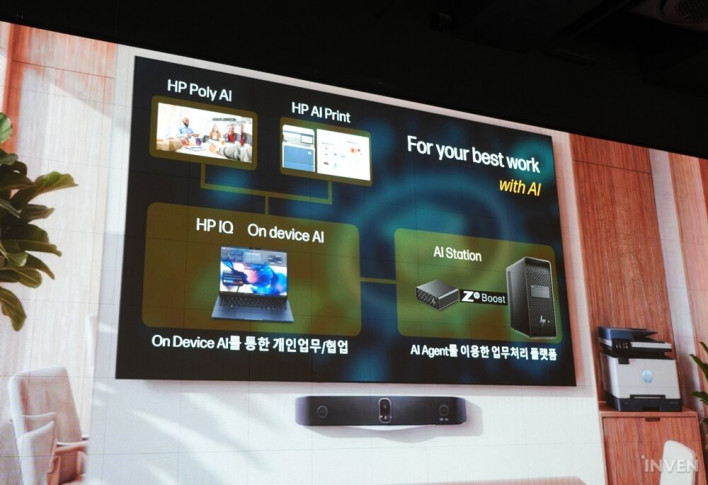
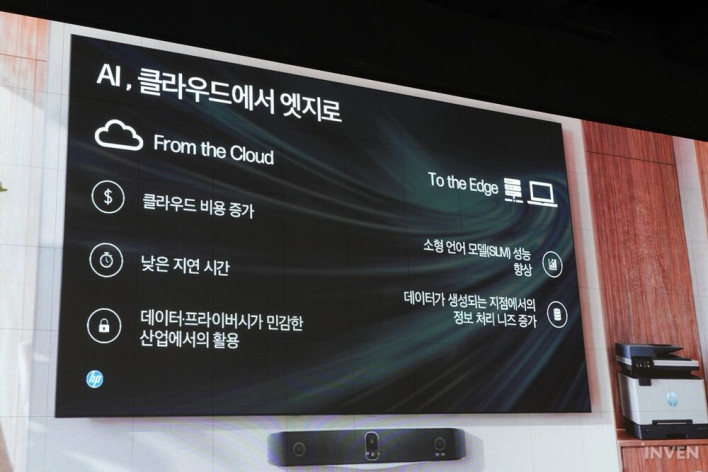
Director So emphasized the shift from cloud to edge, or 'on-device AI.' He noted that due to cloud costs, physical latency at the server level, and structural limitations regarding privacy and confidentiality in sensitive industries, the performance and potential of Small Language Models (SLMs) make on-device AI an inevitable focus.
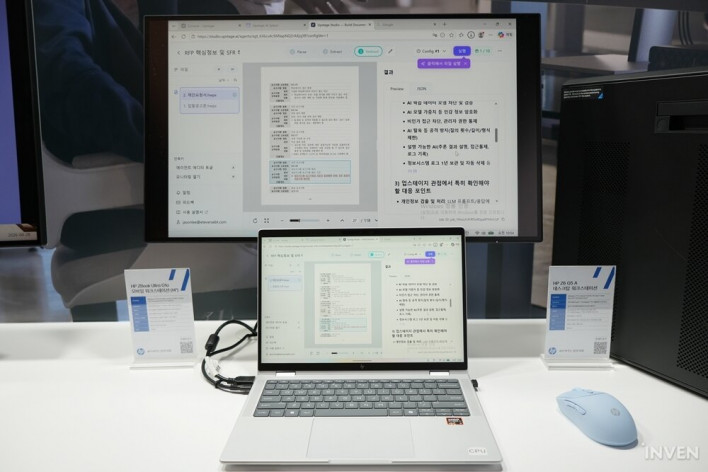
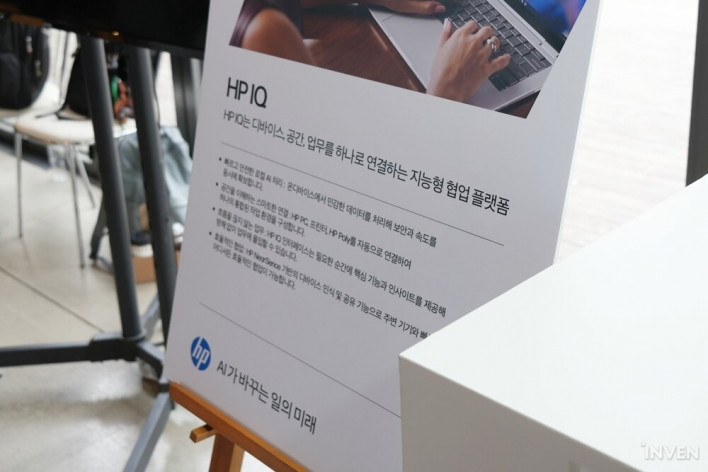
The introduction of the on-device local AI platform, 'HP IQ,' was also fascinating. It wasn't just about boosting physical hardware specs; it was compelling to see how an intelligent platform could handle document summarization, task automation, and file organization directly on the device. Because the on-device structure keeps data local, it ensures strong security while providing fast response times, making it a great alternative for companies looking to reduce cloud dependency and costs.
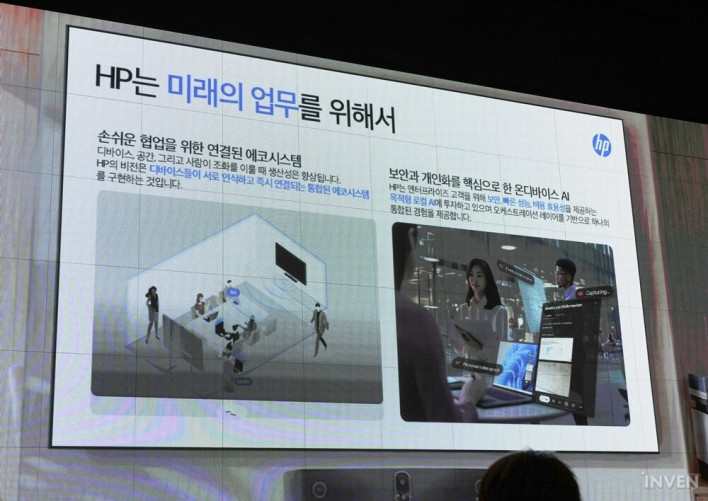
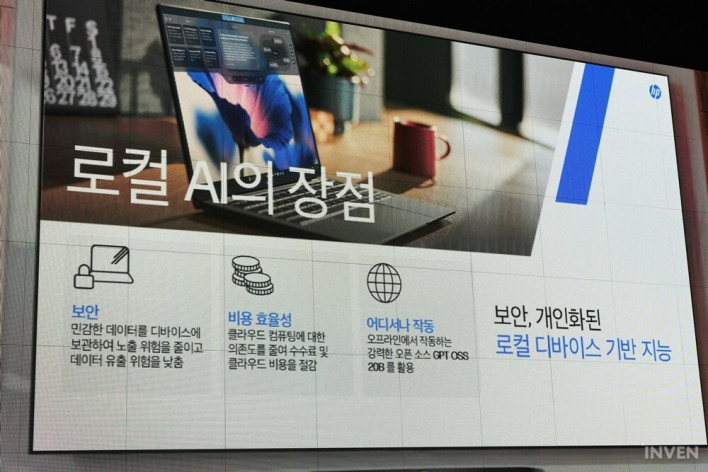
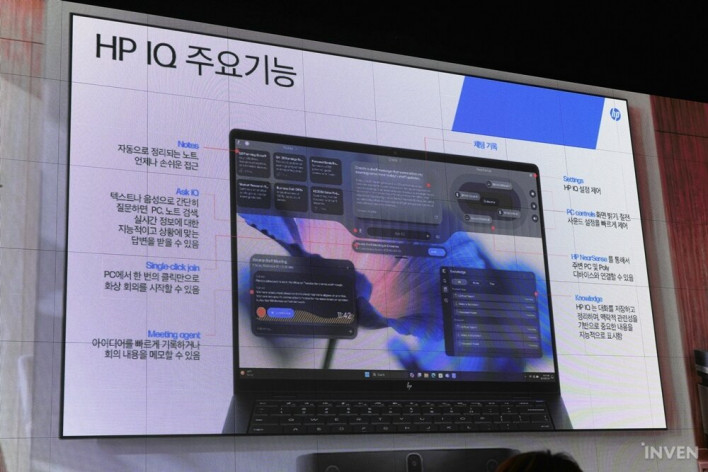
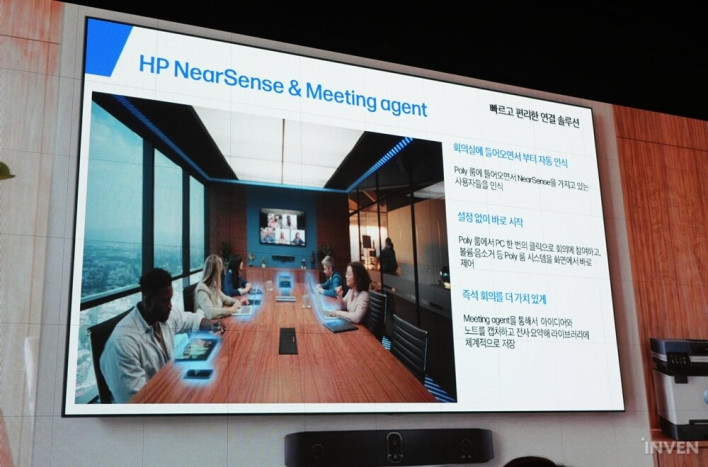
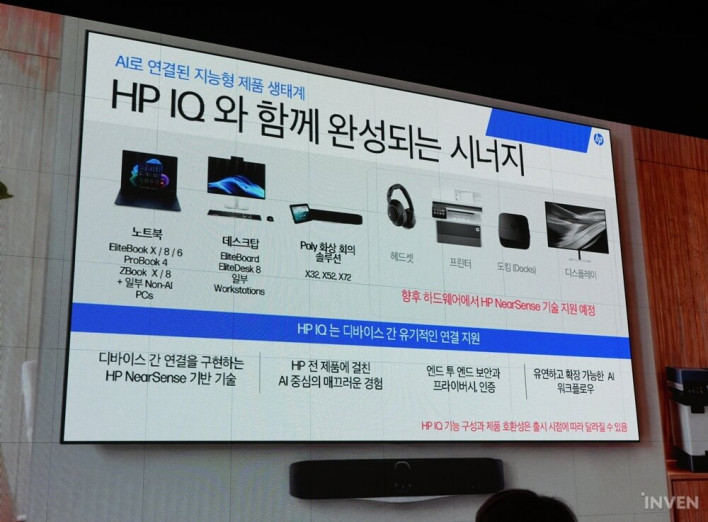
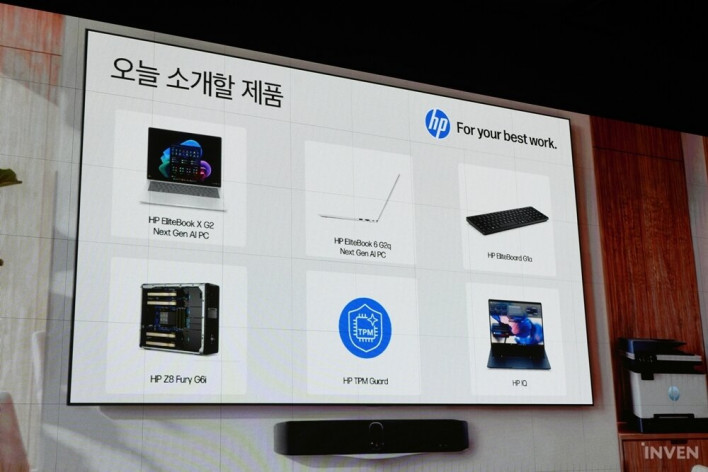
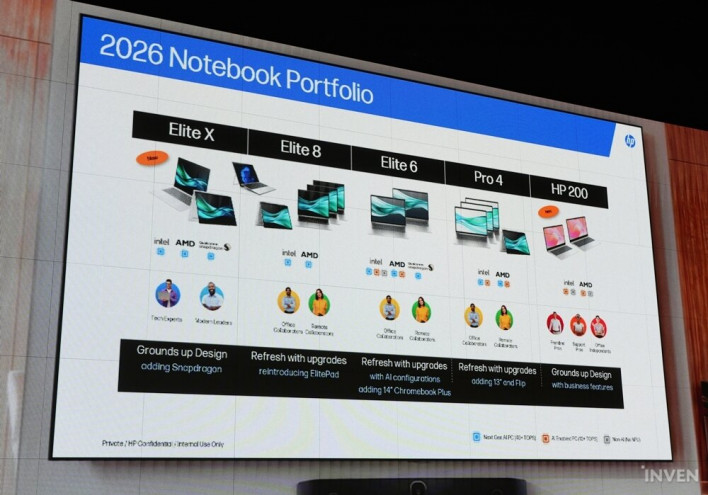
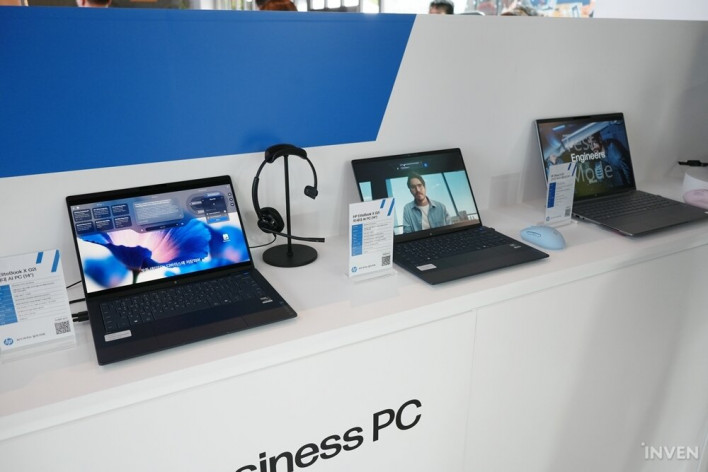
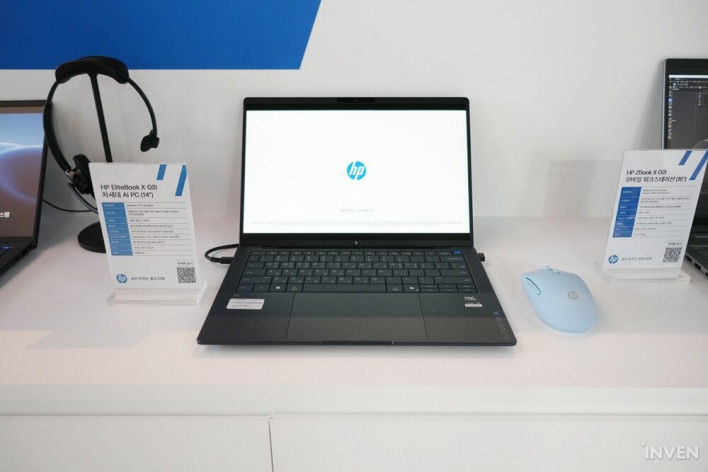
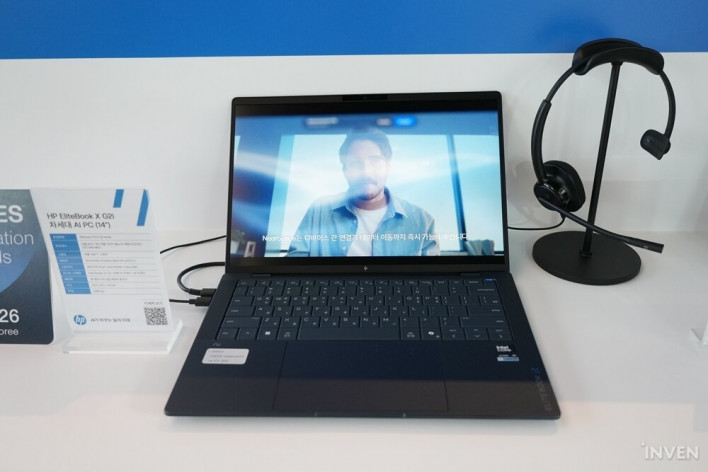
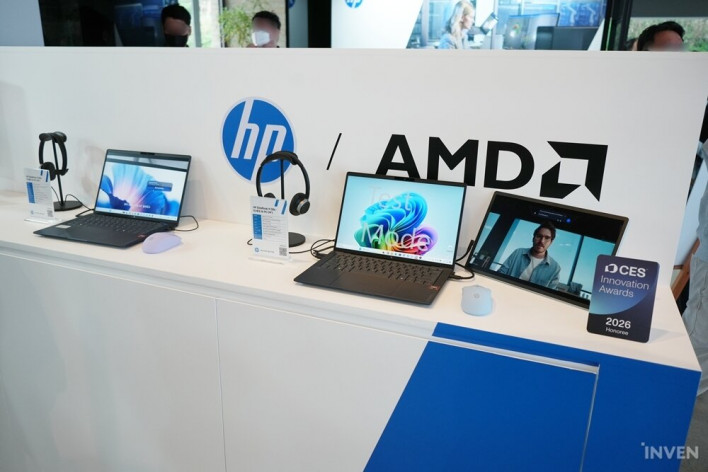
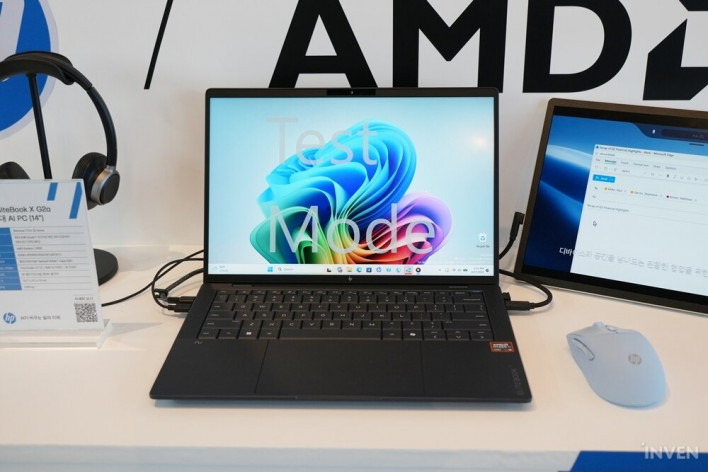
The presentation moved on to the new product portfolio. First, the 'HP EliteBook X G2 AI PC,' the mainstream of the commercial lineup, caught my eye. It supports a powerful NPU with up to 85 TOPS for fast and stable local AI processing. With a battery life of up to 28 hours, it's more than enough to handle work freely without a power adapter. They also introduced various other AI PCs tailored to different organizational sizes and purposes, including the EliteBook 8, EliteBook 6 G2 series, and ProBook 4 G2 series.
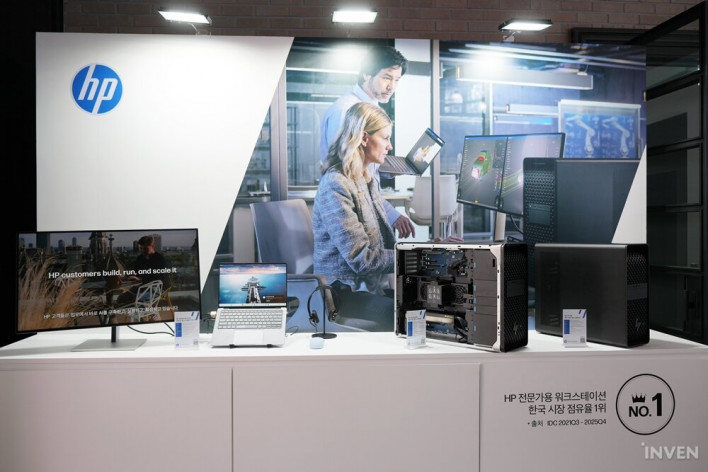
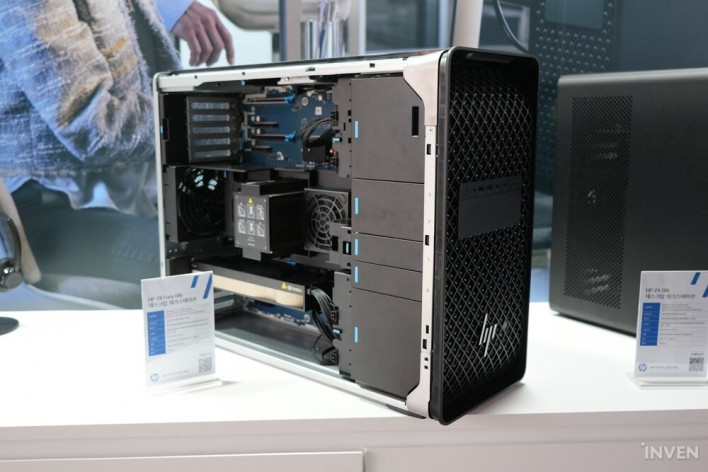
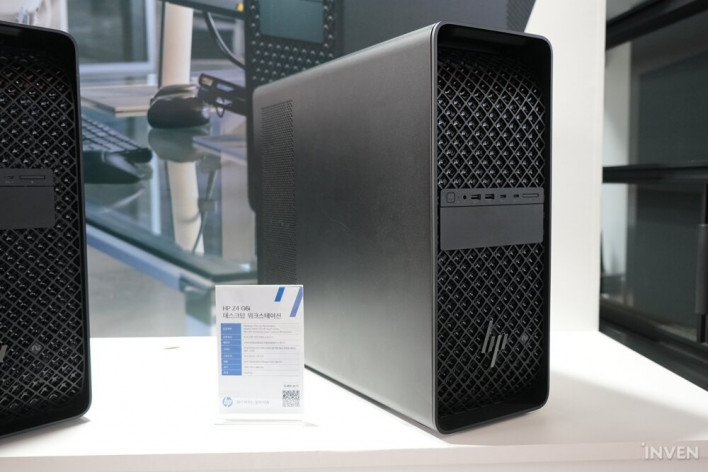
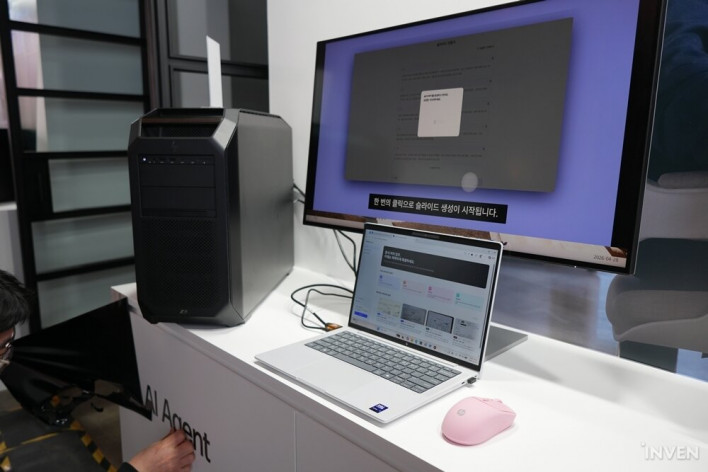
A workstation lineup for large-scale data processing and AI model execution was also unveiled. The desktop workstation 'HP Z8 Fury G6i' features the industry's first chassis expansion solution, the Max Side Panel, and supports up to four NVIDIA RTX 6,000 Ada Generation GPUs. The performance is hard to even fathom—could it handle AI development or heavy 3D rendering as easily as basic document work?
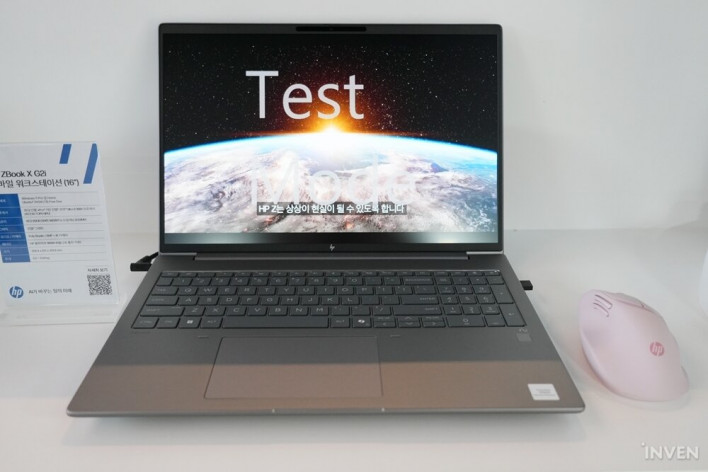
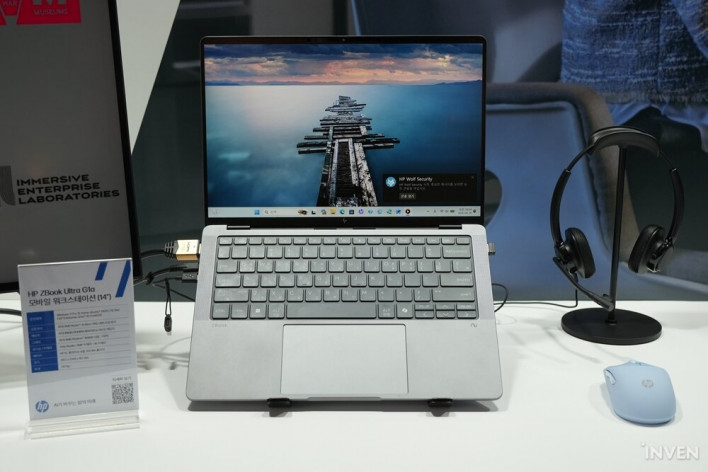
The mobile workstation 'ZBook X G2i,' designed for those who need heavy-duty performance anywhere, was also impressive. It supports up to 128GB of memory and is powerfully engineered to handle complex workflows.
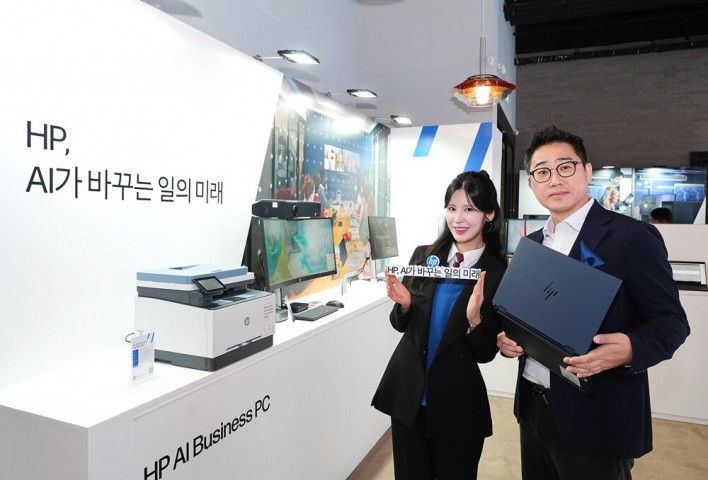
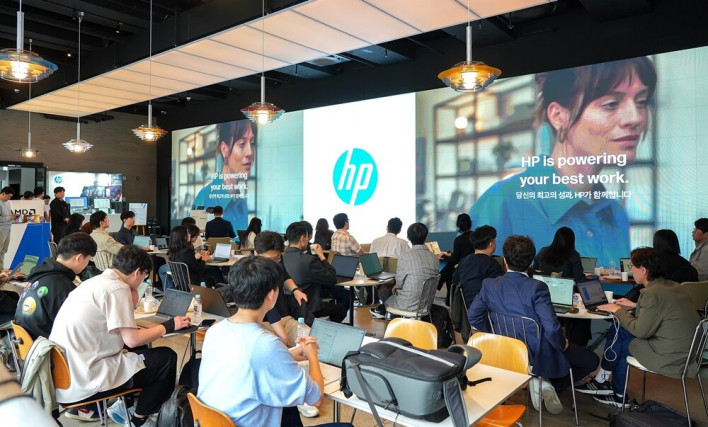
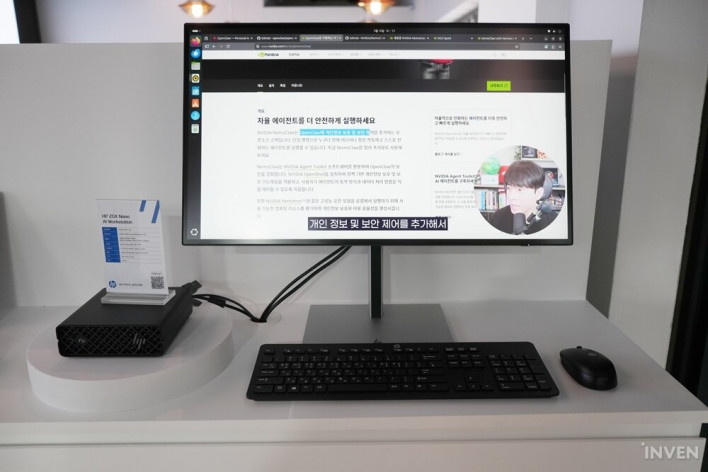
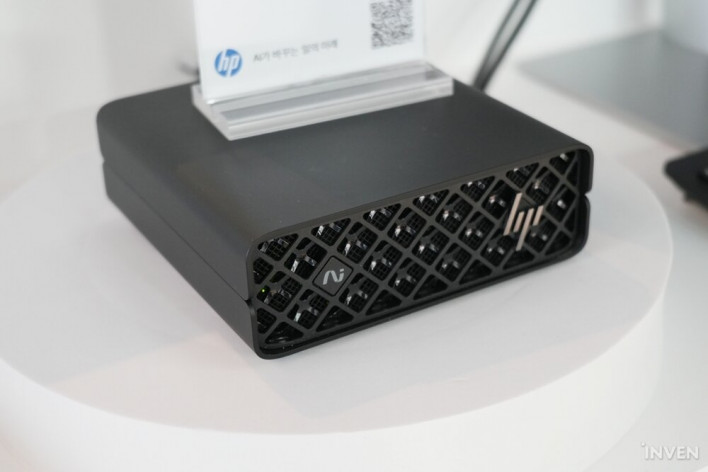
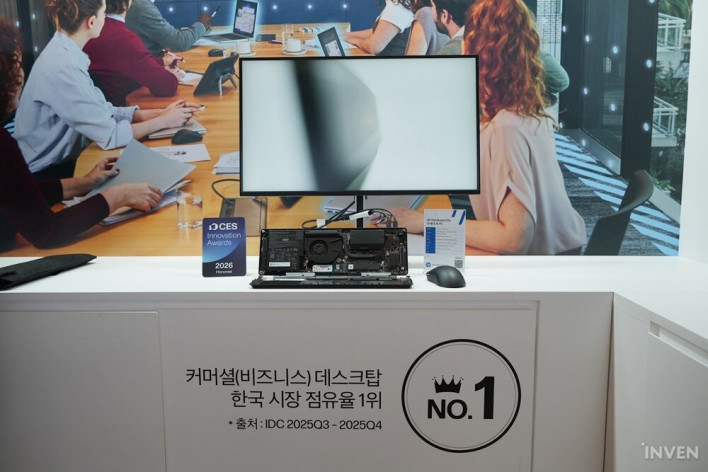
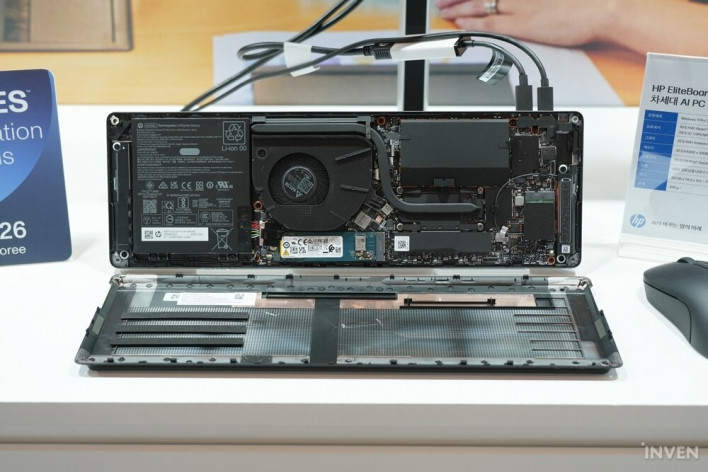
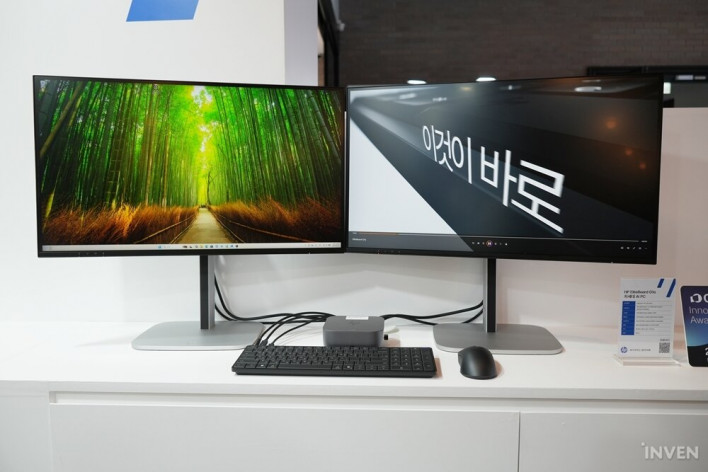
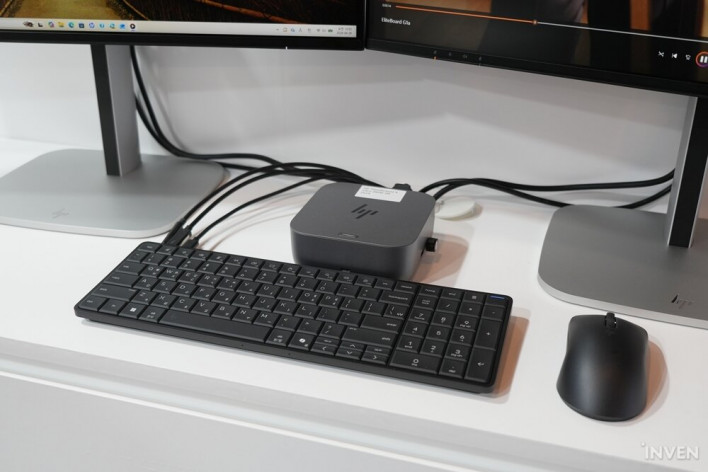
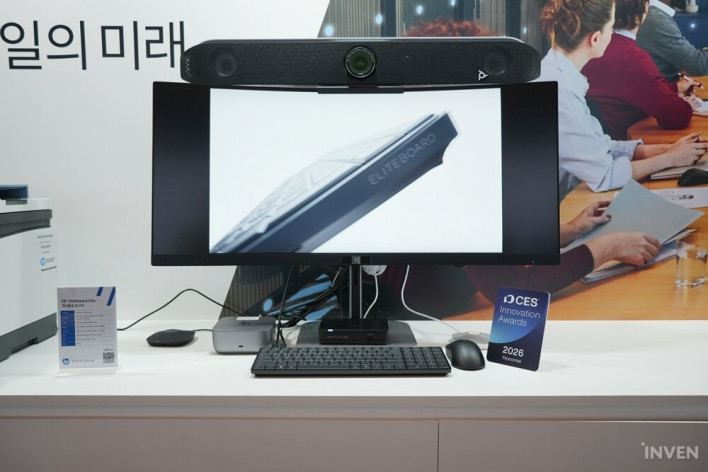
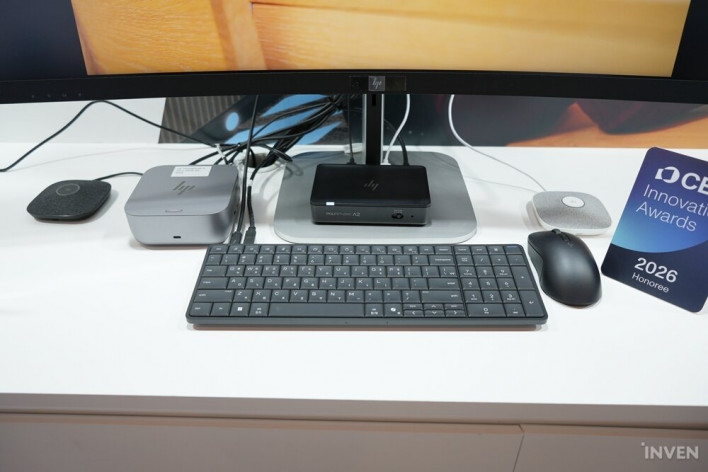
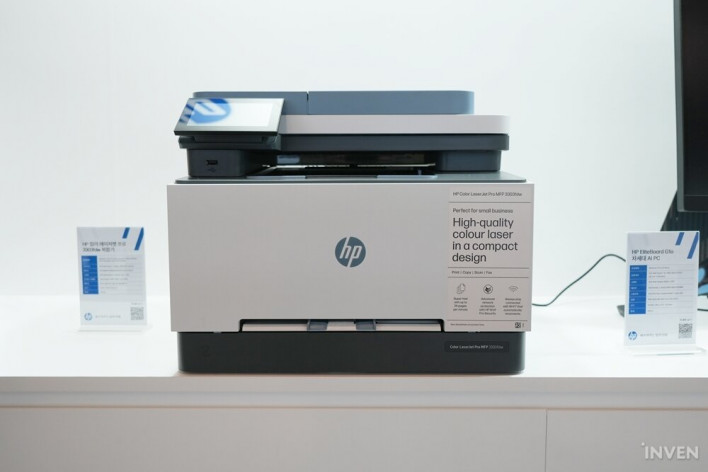
Immediately after the Q&A, I was able to see the devices in person at the booths. We are in an era that goes beyond simple hardware performance competition, focusing instead on how to reduce costs and how to make things more convenient and secure. I am very excited to see how the next-generation Agentic AI introduced by HP will change actual work environments, and above all, whether my own workplace might one day change like this.



Sort by:
Comments :0