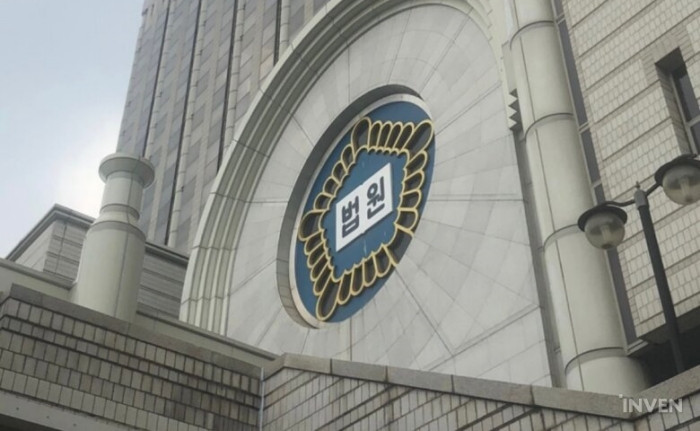
A hearing date for Nexon’s lawsuit seeking to overturn the Korea Fair Trade Commission’s (KFTC) corrective order and related sanctions was held on the 18th at the Seoul High Court. This trial had effectively been concluded last fall, but the ruling was postponed after the presiding judge on the panel changed.
As the plaintiff, Nexon requested an additional opportunity for substantive oral arguments, and the defendant KFTC also agreed that it needed time to summarize and present its existing materials. Accepting both sides’ requests, the court decided to hold a final presentation (PT) hearing on April 29, allotting 20 minutes to each party.
At the hearing, the bench questioned both sides about the key issues it intends to focus on at the next session. The court noted that the KFTC imposed an administrative fine after determining that Nexon had changed the probabilities so that popular Potential Options would not appear, without informing consumers—treating this as a deceptive transaction under the Act on the Consumer Protection in Electronic Commerce. Nexon, however, argues that this amounted only to a simple omission, and that neither a deceptive act nor a causal relationship with consumers can be established.
In particular, Judge Woo Baesim asked the KFTC, “Looking at the written decision, it uses language saying consumers were induced and transactions were carried out through deceptive methods. Rather than fighting over whether the ‘inducement’ requirement is met, wouldn’t it be simpler to approach this as the act of transacting itself by using deceptive methods?” The KFTC responded, “Because Nexon is disputing and denying inducement, in the process of rebutting that argument we ended up emphasizing the inducement aspect.” Because whether an omission is legally established is a difficult doctrinal issue, the court indicated it will hear both sides’ specific explanations at the next hearing before reaching its determination.
The administrative lawsuit stems from the 11.642 billion won (₩11,642,000,000) administrative fine the KFTC imposed on Nexon Korea in January 2024. At the time, the KFTC sanctioned Nexon after concluding that probability information for Cubes—paid enhancement items in MapleStory—had not been sufficiently disclosed, and that Nexon had concealed the fact that certain probability structures were changed in ways unfavorable to users.
Nexon filed this administrative suit to contest the fine. Nexon’s core argument is that legal mandatory disclosure of probability-type item information under amendments to the Game Industry Promotion Act only became effective in March 2024, and that because there was no legal disclosure obligation before then, retroactive application is unreasonable. Nexon also emphasizes that, starting in 2021, it had already proactively disclosed probability information under a self-regulatory framework.
The KFTC, on the other hand, maintains that regardless of the Game Industry Promotion Act’s disclosure obligations, the act of concealing or misrepresenting information important to consumers itself constitutes an unfair practice under the Act on the Consumer Protection in Electronic Commerce.
This article was translated from the original that appeared on INVEN.

Sort by:
Comments :0