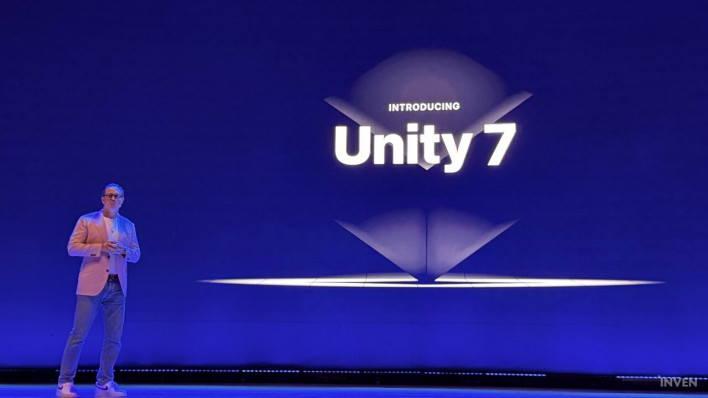
Unity unveiled its next-generation engine, 'Unity Engine 7' (Unity 7), today (the 21st) at 'Unite Seoul 2026,' held at the COEX Grand Ballroom in Seoul. Alongside the announcement, Unity outlined plans to improve the engine's core architecture, including modernization based on CoreCLR and the unification of the graphics rendering pipeline around the Universal Render Pipeline (URP), building on the stability proven through production use.
With Unity 7 scheduled for beta testing this December and a full release in the first quarter of next year, the engine will pass through versions 6.6 and 6.7 LTS following the current 6.5 release. Key members of the development team—including Senior Director James Stone, VP Jason Mann, Director Chris Harden, and Senior Director Rambod Kermanizad—took the stage to explain the roadmap and the features expected during this transitional period.
Production Pipeline, CoreCLR, Netcode, Content Directory, and Integrated Runtime
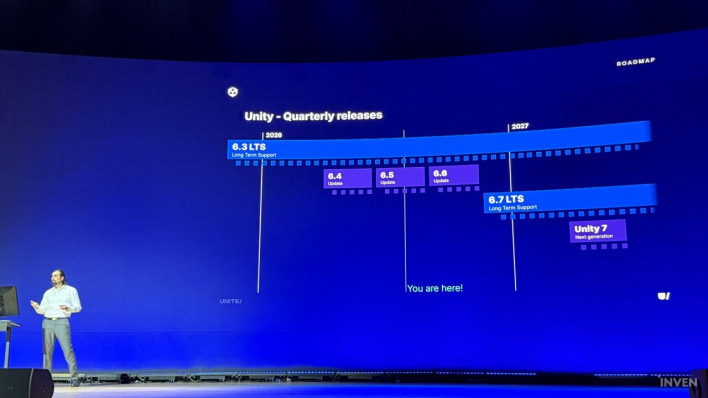
Director Chris Harden explained that the modernization of the engine, a core pillar of Unity 7, will proceed in earnest through versions 6.6 and 6.7. He then summarized the changes planned for each update.
■ Unity 6.6
- CoreCLR and Engine Foundation: Includes malloc-based multithreading, a new modern logging system ('Lightwave'), and support for the JOBS profiler. The Entities hierarchy integrated view will be applied by default, and native dictionary serialization within the Inspector will be supported.
- C# Reload Optimization: 'Faster Turn Play Mode' will be set as the default for new projects.
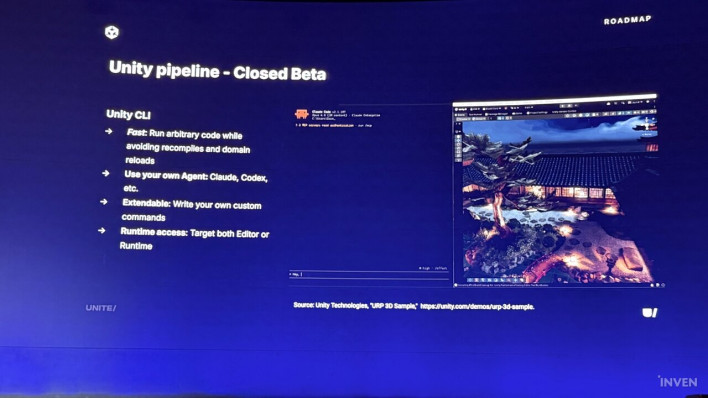
- Production Pipeline: 'Unity CLI,' which allows for flexible CLI-based automation, will be released for free (supporting MCP mode and direct Roslyn execution). A private beta for the pipeline package and REST API will also begin.
- Version Control & Build: A Branch Explorer and Inspector-based Diff tool (for text, scenes, materials, etc.) will be added to the Unity Editor. Build artifact retention policies and Windows build machine infrastructure will be optimized.
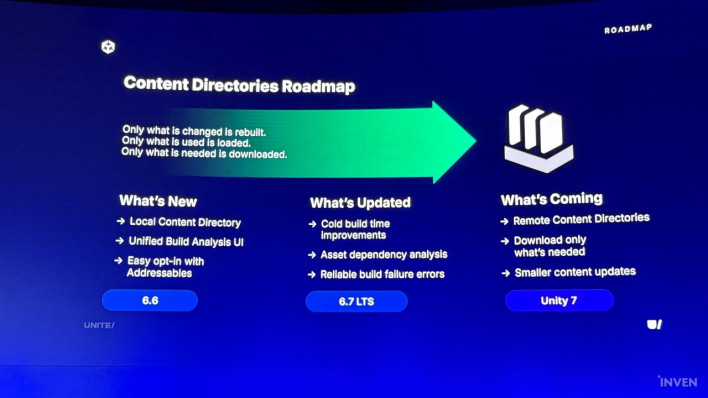
- Content Directory: A foundational stage supporting the creation and use of local content will be introduced, along with an integrated build analysis pipeline.
■ Unity 6.7 LTS
- CoreCLR & Integrated Runtime: Early access to the CoreCLR desktop player experimental version (based on .NET and C# 9) and the C++ player (IL2CPP) experimental version will be provided to support pre-release code validation.
- Netcode: 'Cloud Behaviors,' a server-authoritative cloud logic execution environment, will be officially released (featuring event-driven gaming, session state recovery, and a free tier).
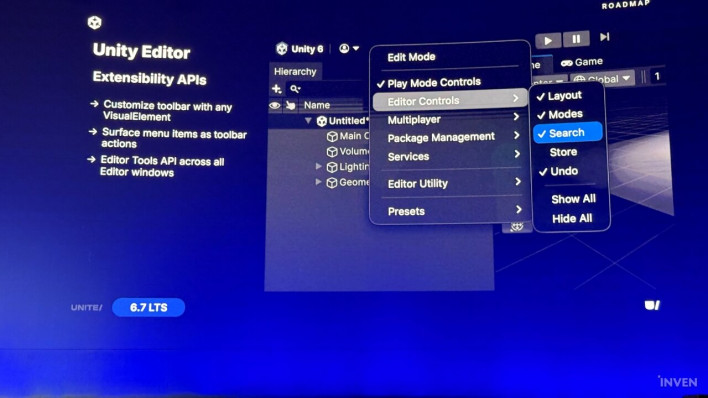
- Editor UI/Tool Expansion: The main toolbar will support all Visual Elements, and existing menu items can be exposed as toolbar actions. The Editor Tools API will also be expanded to function across all editor windows.
- Content Directory: Features reduced cold build times, in-depth asset dependency analysis, and clearer error messages for build failures.
■ Unity 7
- Full CoreCLR Transition: Moving away from the Mono approach, the CoreCLR editor will be included by default. It will provide native support for .NET 10 and C# 14, as well as an MSBuild and `.csproj`-based build pipeline.
- Netcode: Netcode for GameObjects and Netcode for Entities will be unified into a single package based on the 'Ghost Object API.'
- Content Directory: Expanded to support remote distribution, enabling small, partial updates after launch.
UI and Profiler / 2D & 3D Graphics Rendering and Pipeline Changes
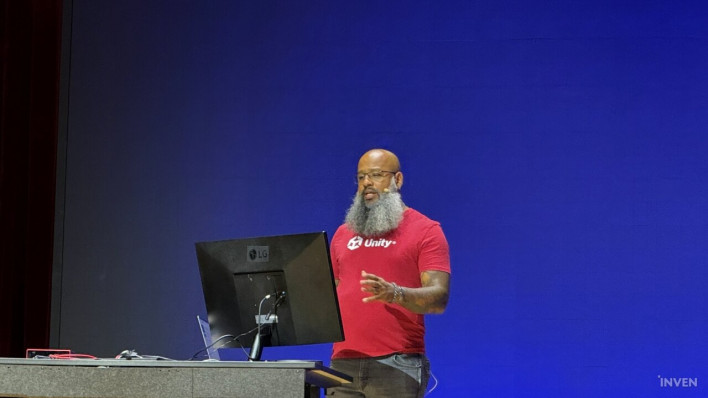
Senior Director James Stone explained that the built-in render pipeline will be deprecated starting with version 6.5, as Unity prepares to unify graphics around the Universal Render Pipeline (URP). Meanwhile, the High Definition Render Pipeline (HDRP) will be maintained for photorealistic graphics, with continued support for new platform expansions, such as the Nintendo Switch 2. Unity also plans to gradually introduce next-generation AI and machine learning-based rendering technologies to help developers achieve high-quality graphics more efficiently.
■ Unity 6.6
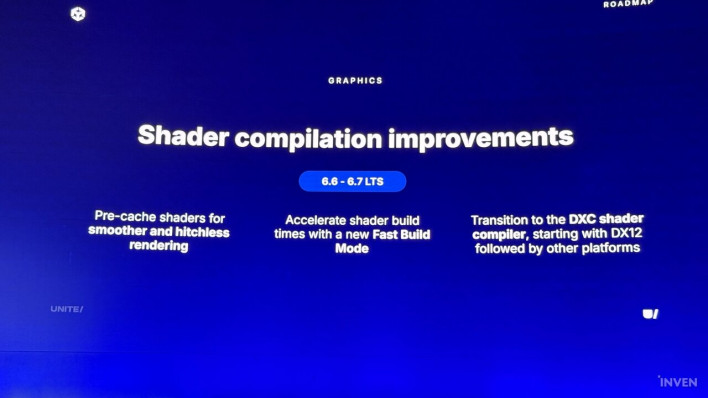
- 3D Graphics & Shaders: Transitioning to DXC (DirectX Compiler) for DX12, adding support for HLSL and Shader Model 6. The Fast Build profile will reduce shader compilation times by up to 80%, and a Quest-exclusive ESS profile will be provided.
- 2D Graphics & Physics: Adds rendering layer mask support for 2D lights and completes the introduction of 'Physics Core 2D' based on Box2D 3.
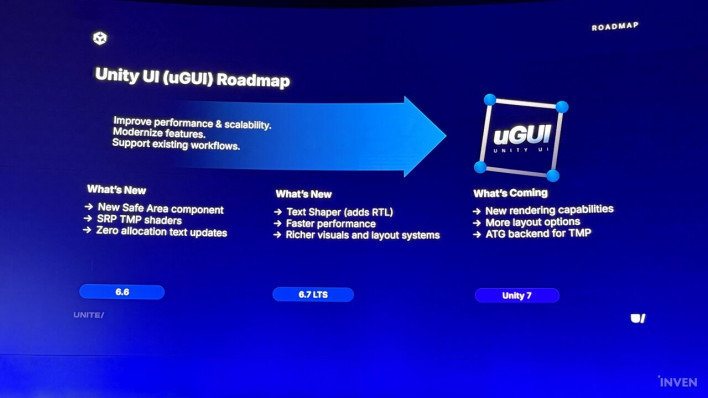
- UI: Improves rendering efficiency, adds support for mobile safe areas, and applies new layout constraints and text sampling batching optimizations.
■ Unity 6.7 LTS
- URP Advancement: Built-in pipeline support enters the deprecation phase (maintained until 6.7 LTS), while a host of next-generation visual features are added to URP.
- Alpha Previews: Includes new features such as the dynamic real-time GI solution 'Surface Cache GI,' Screen Space Reflections (SSR), and Ground Truth Ambient Occlusion (GTAO). Additional support for physical lighting units, auto-exposure, and physically based sky and atmospheric effects will also be provided.
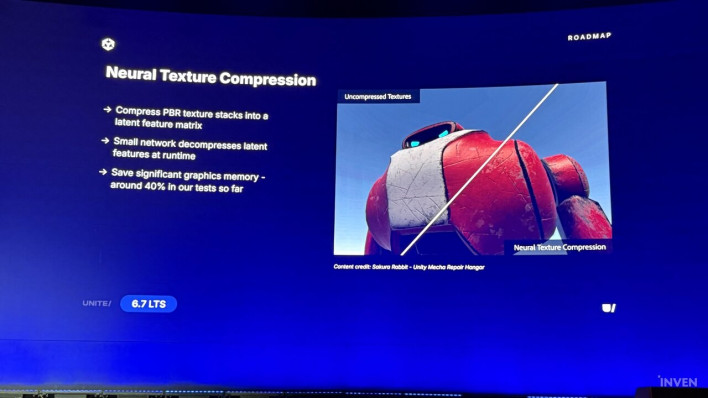
- Upscaler & AI Rendering: Provides a unified upscaler API covering DLSS 4, FSR, PSSR (PS5 Pro), and STP (Unity's own). Additionally, 'Neural Texture Compression' based on Sentis on-device inference will reduce VRAM usage by approximately 40%.
- 2D Graphics & Profiler: Adds high-level components for the Physics 2D core and introduces four new 2D-specific profilers (Sprite Skin, Tilemap, Graphics, and Physics Core 2D).
UI & Graph Tools: Introduces an advanced text shaping pipeline with RTL (Right-to-Left) language support. Graph Toolkit will support real-time debugging (wire animation, port preview) and a state machine API.
■ Unity 7
- UI Leverage: Modernizes uGUI, adds an advanced text generator as an alternative to TextMesh Pro, supports UI Toolkit keyframe animation (with integrated scene view authoring), and adds drop shadow and background blur filters.
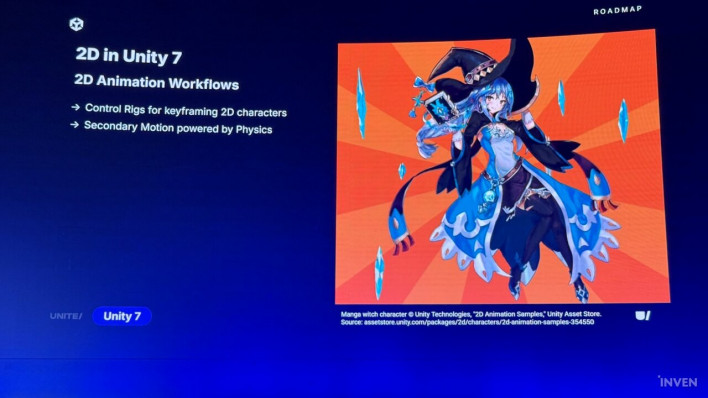
- Evolution of 2D Graphics: Features AI agent-driven 2D authoring layers, control rigs, physics-based secondary motion, and the expansion of the non-GameObject physics framework to all 2D applications.
Web Runtime, New XR Official Support, and Platform Expansion
Unity also revealed updates aimed at expanding the platform ecosystem, including maximizing web runtime performance, strengthening mobile native integration, and providing official support for new XR devices.
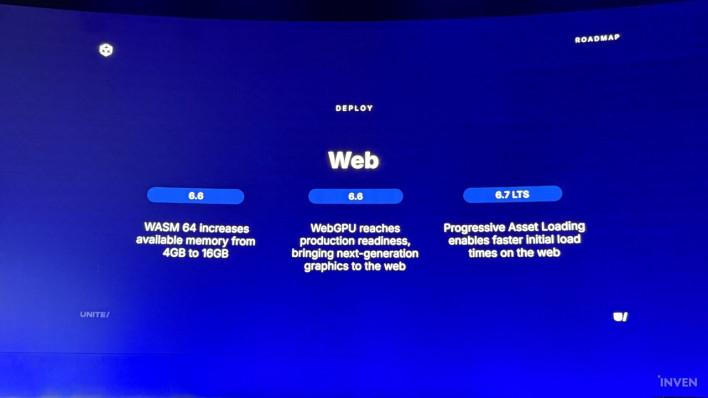
Specifically for the web, Unity will introduce WASM64 to expand memory limits to 16GB and apply WebGPU at a production level for practical use by web game developers. In 6.7 LTS, progressive asset loading will be applied, allowing for scene-by-scene asset downloads to reduce initial loading times by up to 40%. Unity 7 will continue this process to further lighten the web runtime and improve execution speed.
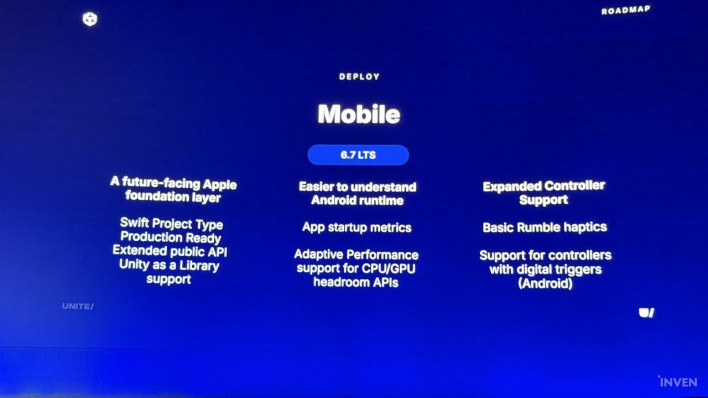
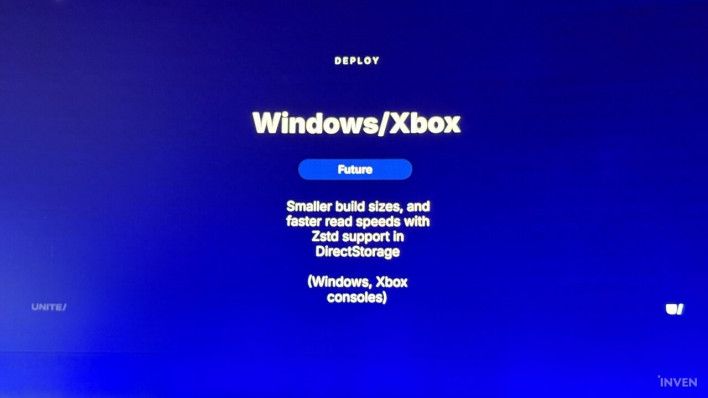
For mobile, Apple OS API modernization will begin in 6.6, while 6.7 will feature an Adaptive Performance update for Android, allowing C# to call CPU and GPU headroom signals for smoother runtime tuning. Unity also plans to add default vibration feedback based on the Unity Input System for mobile platforms, with further improvements aimed at enhancing mobile and console native performance visibility in Unity 7. For consoles, Z-standard asset compression for Windows/Xbox will be applied starting in 6.7.
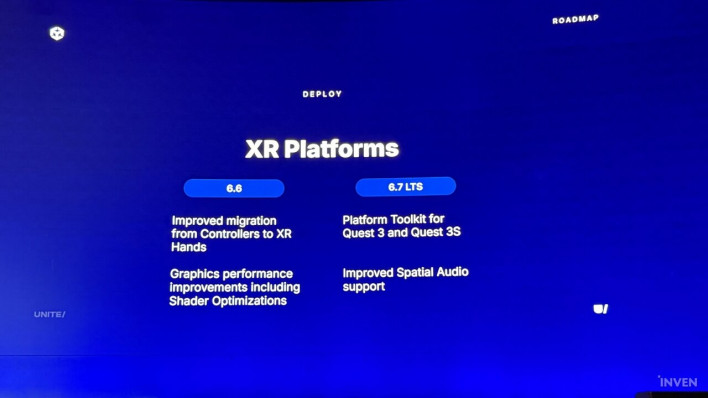
In XR, 6.6 will improve migration paths for emerging hand-tracking technologies beyond controllers and optimize XR-specific shader performance. 6.7 will support platform toolkits for Quest 3 and 3S and enhance spatial audio support. It will also officially support XREAL Aura wired XR glasses. Unity 7 is being developed with the goal of providing narrative support for next-generation devices.
Growth, Payments, and User Data Access (Unity IAP 5.4 SDK)
Finally, Senior Director Rambod Kermanizad explained the roadmap for Unity's monetization and growth sectors. With platforms like Google and Apple relaxing restrictive market policies, Direct-to-Consumer (D2C) models are gaining traction to reduce fee burdens. Unity plans to focus on supporting features that allow developers to effectively utilize the data they acquire.
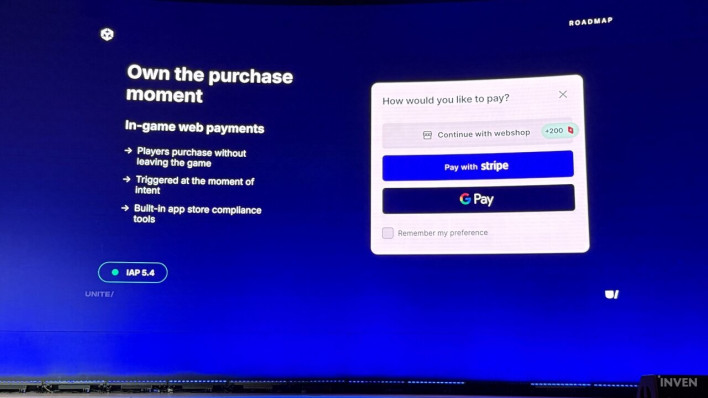
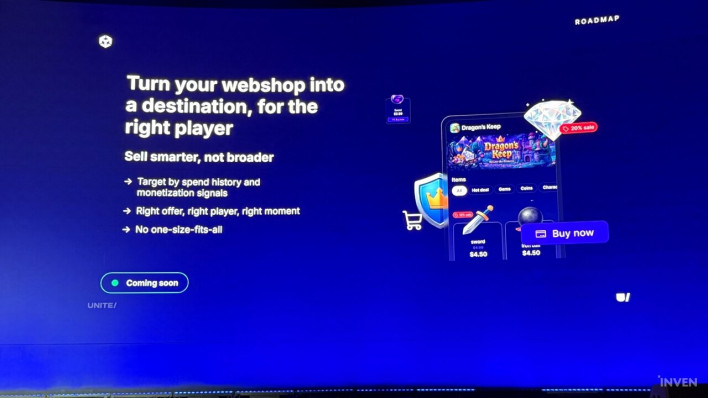
To this end, the Unity IAP 5.4 SDK is being updated starting today. Unity IAP 5.4 provides native support for D2C, allowing developers to control in-game payments and external web shop transitions without installing additional SDKs. This means developers can use Unity to create and integrate external web shops directly into their games. This feature is no-code and allows for design customization using AI chat within the editor. It also supports setting D2C application ratios, A/B testing, and changing payment gateways without requiring game app updates. It also supports essential service features such as daily quests, rewards and loyalty programs, and custom AI logins to reduce friction.
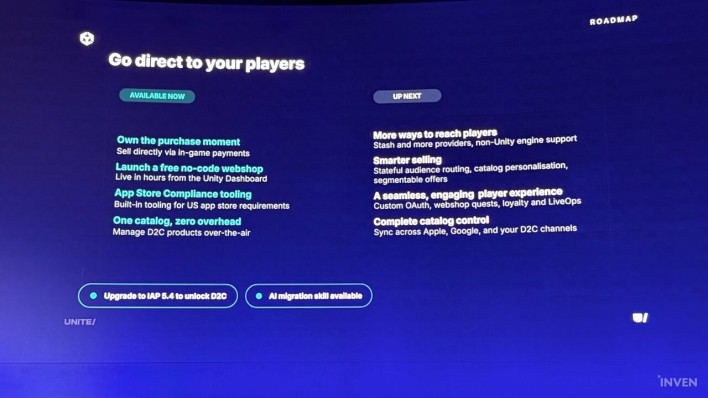
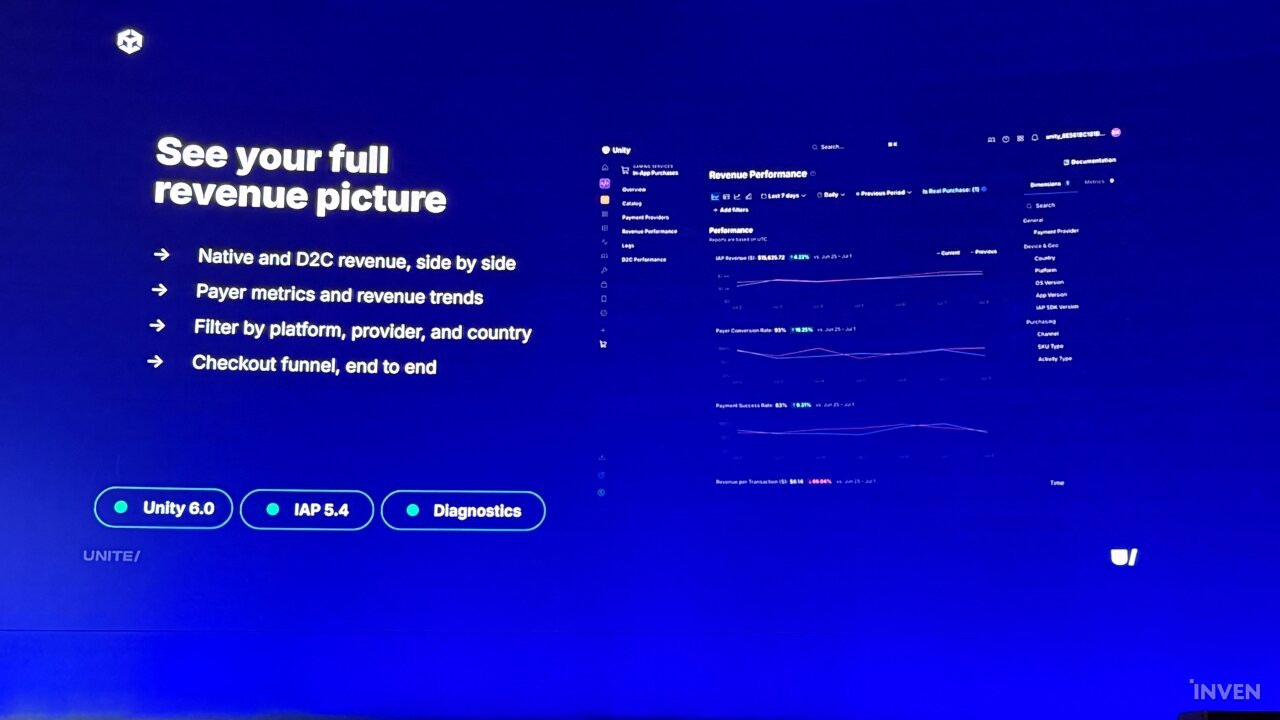
Unity also provides an IAP IQ board that integrates native in-app payment and D2C payment data into a single view. Developers can analyze churn rates at each payment stage and player metrics in real-time, giving them full control over user and revenue data through the developer data framework. This data can be linked with Unity Vector and third-party services for precise user acquisition marketing.
Unity 7 will enter beta testing this December and is scheduled for official release in the first quarter of 2026. Further information on Unity 7 will be updated on the official Unity blog and YouTube channel.

Sort by:
Comments :0