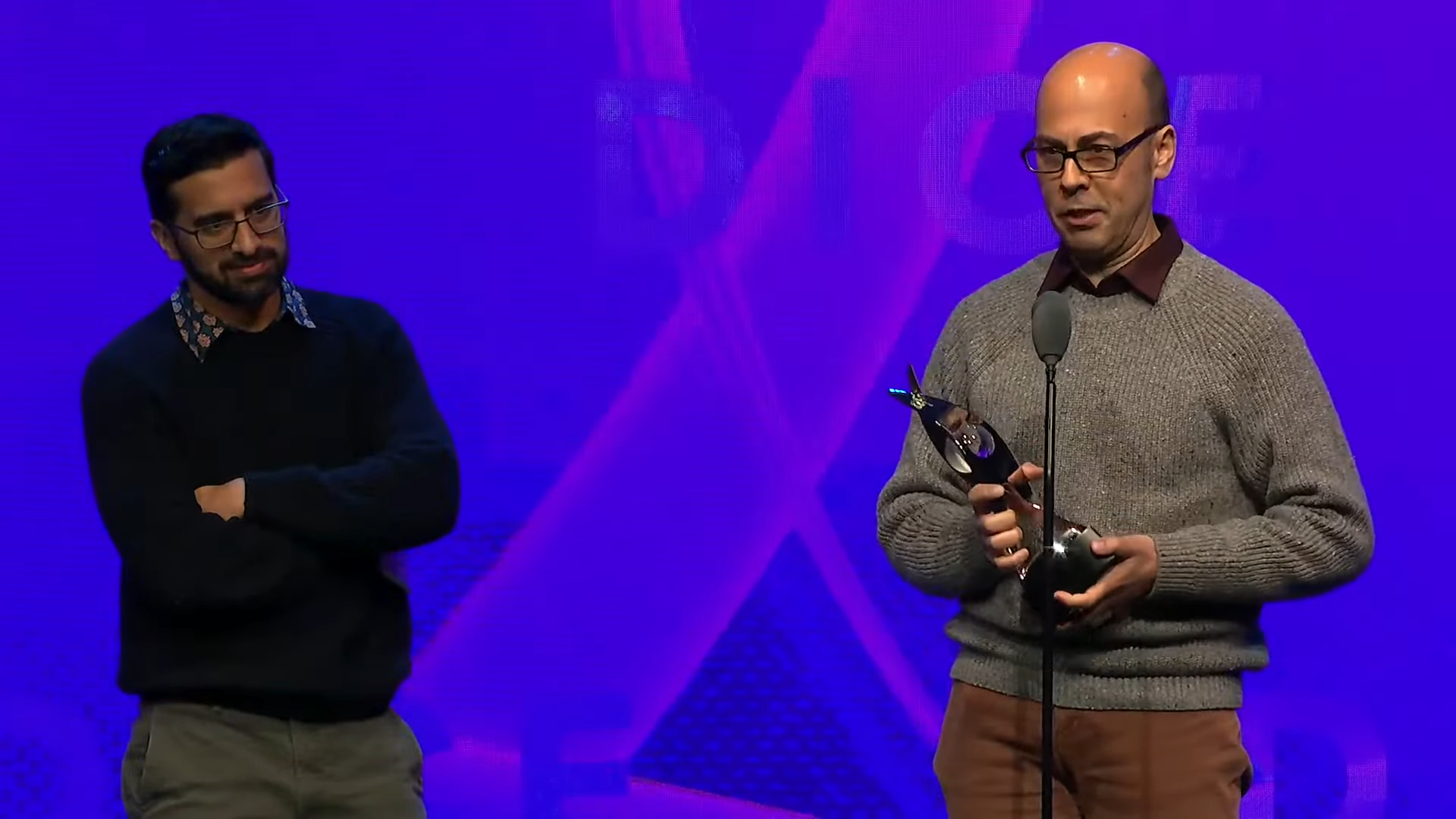
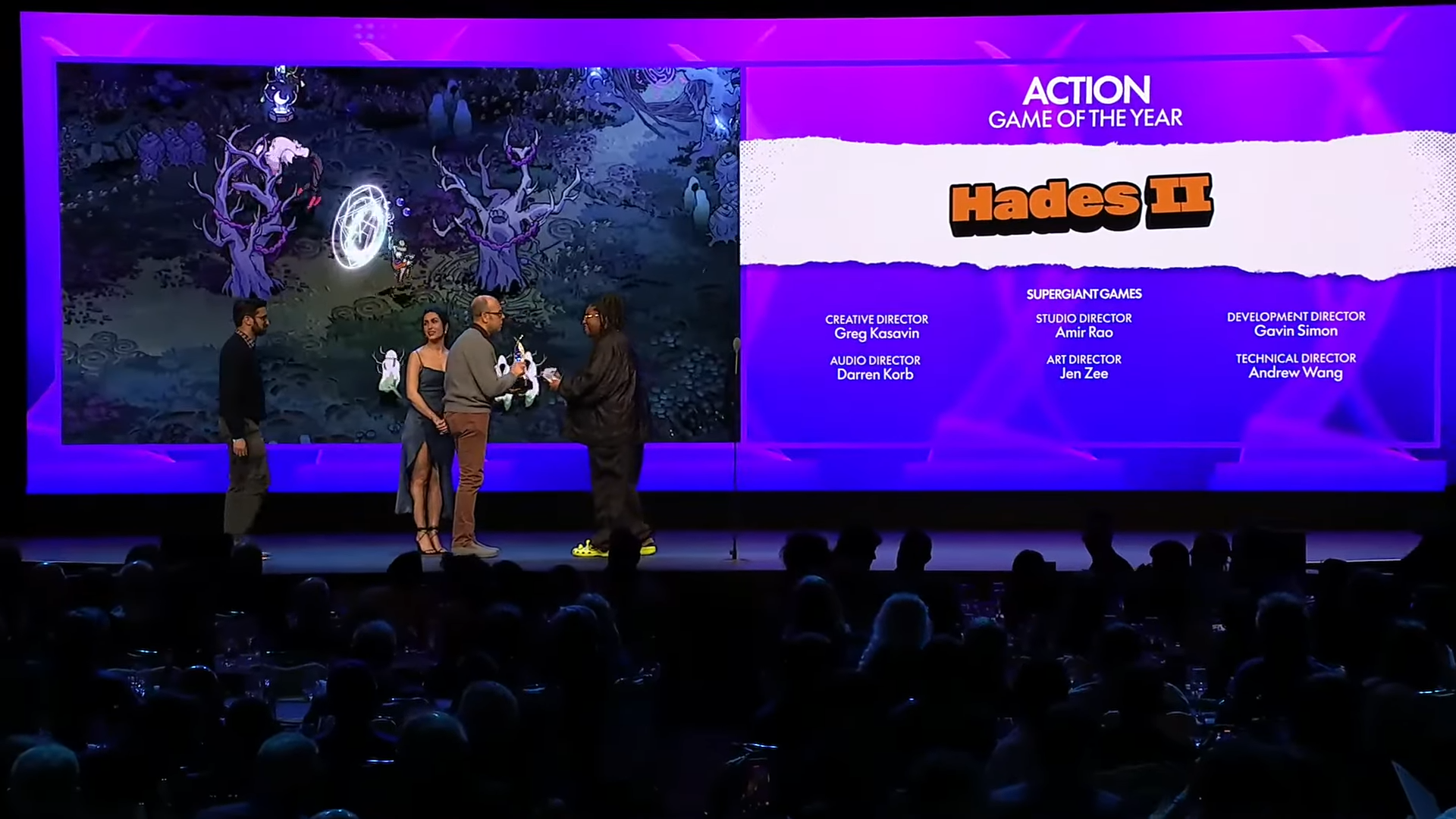
Supergiant Games arrived at this year’s D.I.C.E. Awards with Hades II still fresh in the public eye—and left carrying one of the night’s most coveted honors: Action Game of the Year. Following the win, Studio Director Amir Rao and Creative Director Greg Kasavin sat down with us to reflect on nearly a decade spent shaping the Hades series, the creative challenges behind their longest-running project, and what comes next for the team at Supergiant Games.
Looking at the development cycle of Hades II and the original Hades, you’ve effectively been working on this series for almost a decade. How does that feel?
Greg Kasavin: Has it really been that long? We first started talking about Hades in 2017. It feels like it’s gone by incredibly fast.
Amir Rao: This was our longest project at about four and a half years of development, and the original Hades took over four years as well. Time just flew. Hearing “a decade” honestly shocks us.
Now that Hades II is out and winning awards, what does it feel like to reach the end of this series—especially after your D.I.C.E. talk about burnout?
Amir Rao: My talk was really about creatively resetting. Every project we take on is creatively interesting and challenging—that’s the appeal—but none of them are easy. Even making a sequel was a totally new challenge.
We never talk about what we’re doing next until the dust has settled. Even after the first Hades shipped, we didn’t immediately know we’d make Hades II. Right now, we genuinely don’t know what’s next, and that’s exciting.
Greg Kasavin: Our team has been together for a long time, and we love working with each other. At this moment, it’s about reflecting—seeing how people receive the game, what they take from it—and letting things settle before figuring out where we go next.
Comparing This Conclusion to Earlier Supergiant Titles
How does concluding Hades II compare to finishing earlier titles like Pyre or Bastion?
Amir Rao: Each one is different. It takes us a long time to understand what actually happened—how development went, how people received it, what they remember, and what we learned. We couldn’t have predicted winning Action Game of the Year, for example.
Greg Kasavin: We feel fortunate every time. These games become part of us. Each project is inspired by the one before it, and we enjoy that evolution. But we need to live with a game for a while before its full impact becomes clear.
With the huge success of Hades and Hades II, does that create a different kind of pressure compared to your earlier projects?
Greg Kasavin: We were fortunate from the start—Bastion succeeded beyond expectations. But we’ve always known the next game won’t automatically resonate the same way. If someone has a Bastion tattoo, who are we to say our next game will mean more to them?
A game’s impact isn’t only about its quality. It’s about where the player is in their life when they encounter it—whether it hits at the right moment. We can’t control that. All we can do is give each game its own identity and purpose so that it could be someone’s favorite.
That’s the process we love.
On Mythology as a Lifelong Passion
Greg, as someone who loves mythology, has working on these games deepened your appreciation for the subject?
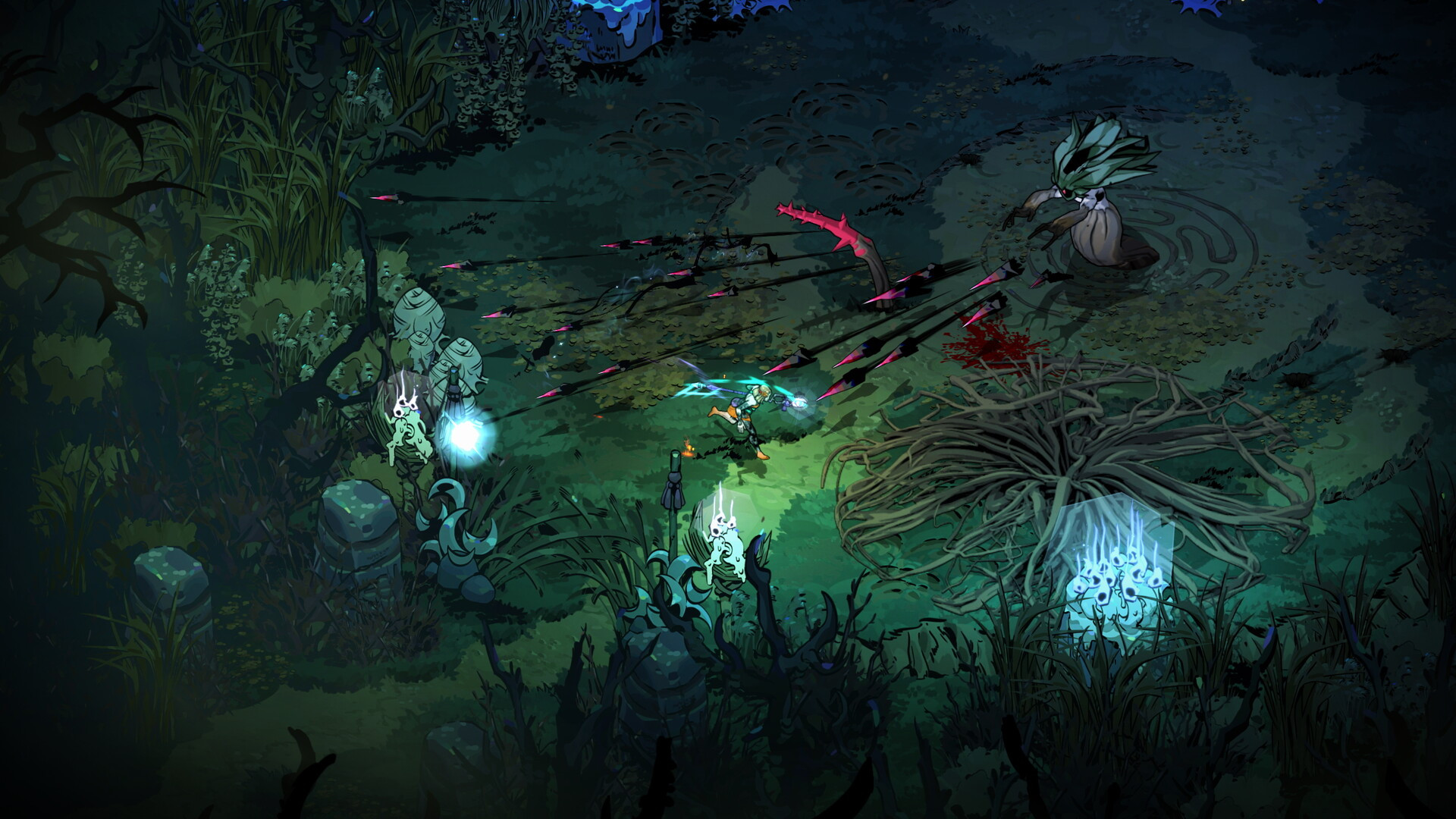
Greg Kasavin: Absolutely. I still have my first Greek mythology book from when I was six or seven—it’s on my desk. Video games may be my first love, but Greek mythology has been part of my life the whole time.
I was delighted to find out the entire team shared that interest. Hades and Hades II gave us an excuse to explore it way more deeply than I ever had before. And with Hades II, we also explored witchcraft and its connections to Greek myth. I love all of that. I could spend the rest of my life digging into it. I’m glad we had years to focus on it.
-

I write. I rap. I run. That’s pretty much it.

Sort by:
Comments :0