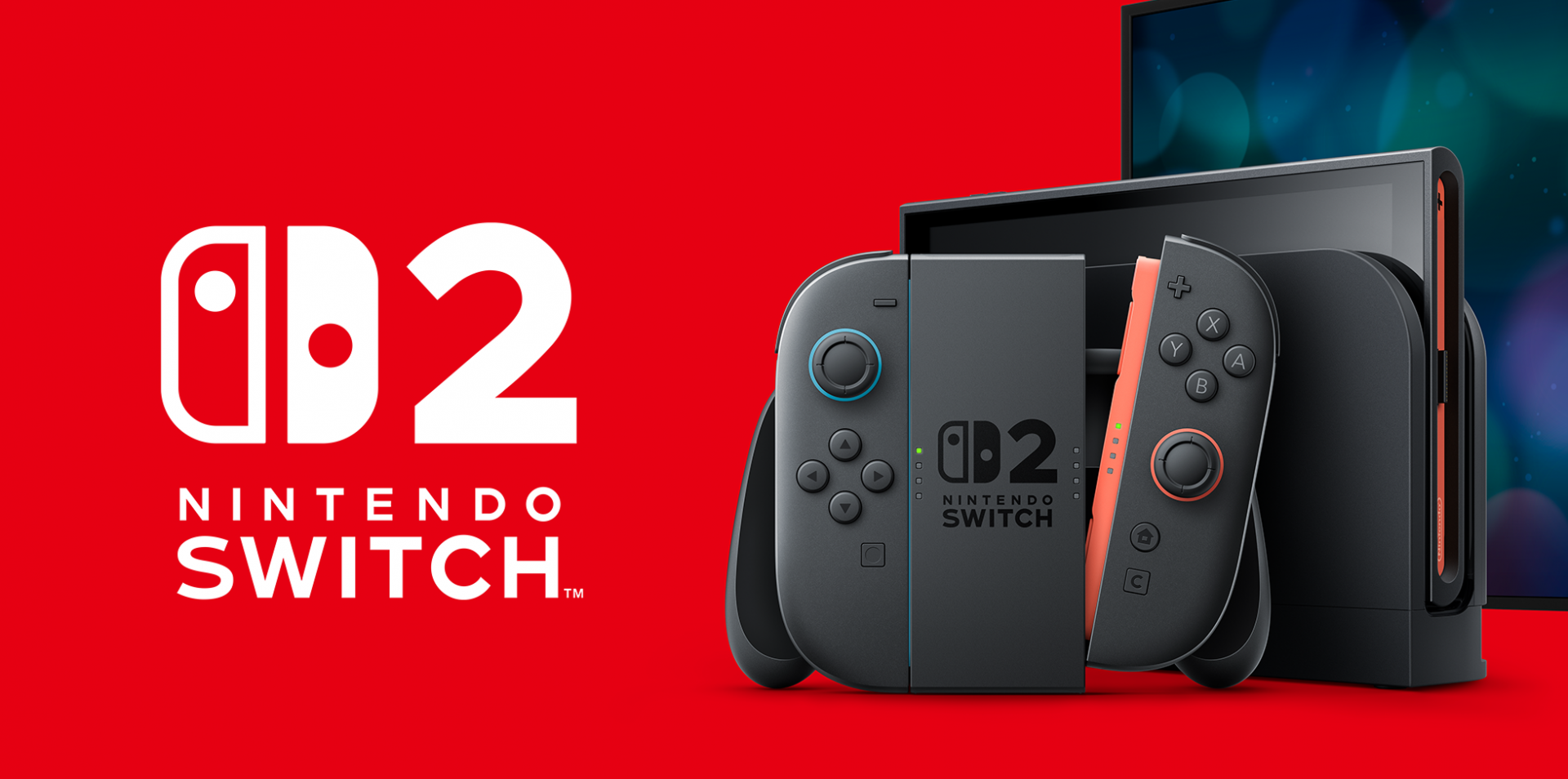
Nintendo's next-generation console, the Nintendo Switch 2 (hereinafter Switch 2), reached over 26.35 million cumulative hardware units sold worldwide as of the end of September 2026. However, hardware sales for the six-month period from April to September this year stood at 6.49 million units, a 37.4% decrease compared to 10.36 million units in the same period last year.
According to Nintendo's six-month financial results for the fiscal year ending March 2027 (April–September 2026) released on the 5th, the base effect immediately following the launch of the new hardware last year played a major role in this hardware sales decline. Officially released on June 5, 2025, the Switch 2 quickly absorbed initial pent-up demand, selling 5.82 million units in its launch quarter alone (April–June 2025) and another 4.54 million units in the following July–September period. In contrast, entering its second year, this year recorded 3.82 million units sold from April to June and 2.67 million units from July to September, with both quarters stepping down from the steep shipment pace seen early on.
Although the half-year sales pace slowed, adding this six-month figure of 6.49 million units to the 19.86 million units accumulated through the end of last March established an installed base of 26.35 million units in roughly 16 months since launch. The hardware sales (Sell-in) figures listed by Nintendo in its financial report combine units supplied to retail partners with direct sales through its official stores and direct channels.
When closing its annual financial results last May, Nintendo noted that Switch 2 hardware sales were unusually concentrated in its first fiscal year compared to previously released hardware. Nevertheless, in this announcement, Nintendo maintained its full-year Switch 2 hardware sales forecast of 16.5 million units for the one-year period from April 2026 to March 2027 without a downward revision.
To reach its annual target, Nintendo must sell an additional 10.01 million units during the remaining six months from October this year to March next year. This figure is 510,000 units higher than the 9.5 million units sold during the same period last year (October 2025–March 2026), which included its first holiday shopping season. Reaccelerating hardware adoption during its second holiday season—now without the initial launch surge—is expected to be the key watershed moment for achieving its annual target.