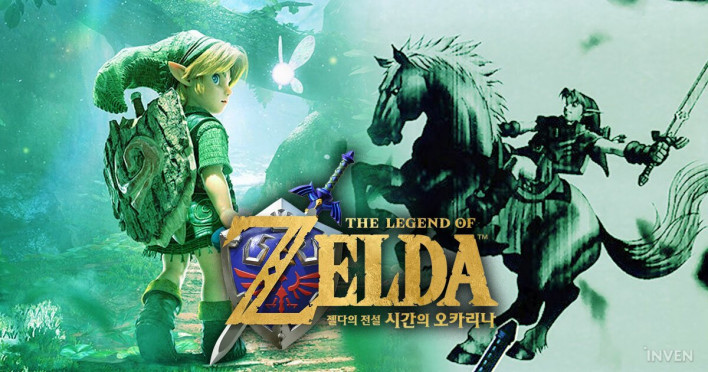
The remake of 'The Legend of Zelda: Ocarina of Time', which Nintendo is releasing on the 5th, is one of the most anticipated games for the remainder of the year alongside GTA 6. As such, the developers undoubtedly put in a great deal of thought and effort. Nintendo shared that process of contemplation directly through the voices of the developers. The core principle is changing the appearance while preserving the experience.
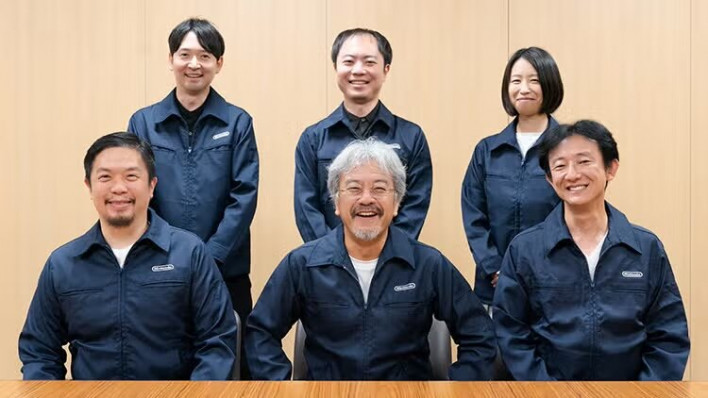
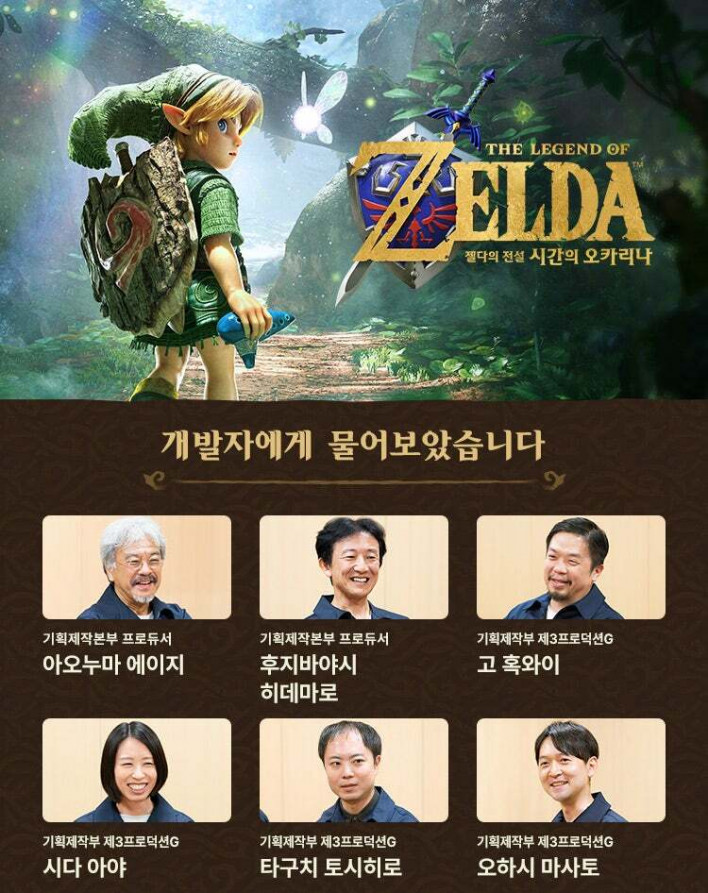
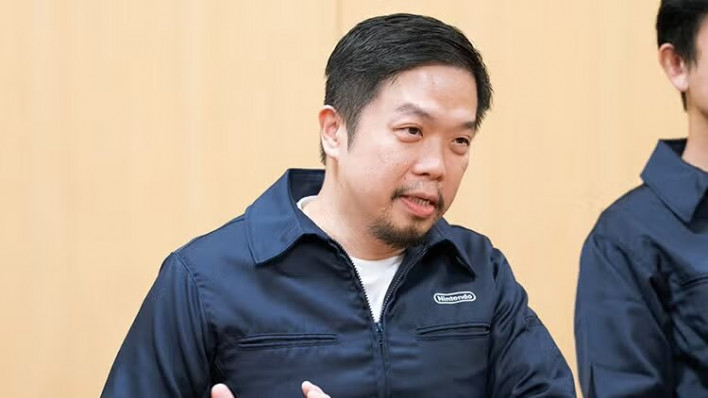
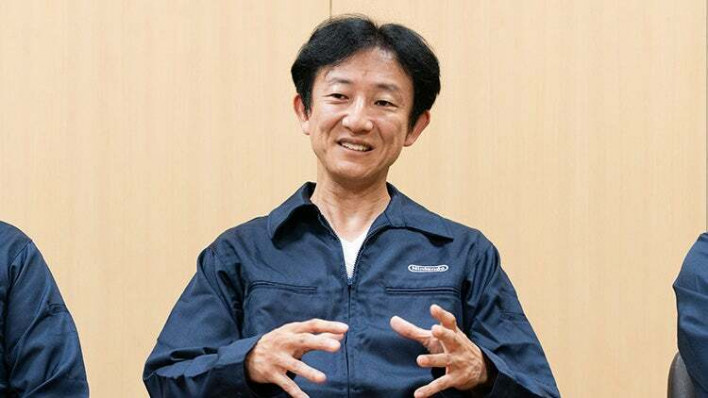
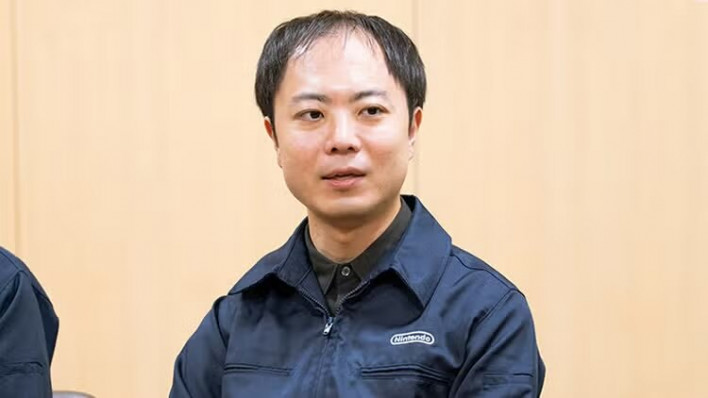
Nintendo featured the stories of the developers behind 'The Legend of Zelda: Ocarina of Time' for Nintendo Switch 2 in its interview series, 'Ask the Developer'. Key members of the development team participated in this interview, including producer Eiji Aonuma, producer Hidemaro Fujibayashi, director HokWai Ng, art director Aya Shida, program director Hiroki Taguchi, and sound director & music lead Masato Ohashi.
Here is a summary of the stories behind this full remake, arriving 15 years after 'Ocarina of Time 3D' on the 3DS.
Changing the Visuals, Preserving the Experience Why It Was Remade for the 40th Anniversary and What Had to Be Preserved
The catalyst for the remake was the series' 40th anniversary this year. As the head of the series, producer Aonuma contemplated what should be made and thought of the current development team. A significant portion of them belong to a generation that has only experienced relatively recent titles, making him curious whether they truly understood what 'Ocarina of Time' means to Zelda and how they would interpret the game.
He decided that learning the structure and development style of the original and rebuilding it firsthand as a full remake would serve as a valuable experience for their future. He also wanted to show players accustomed to Zelda games where you can start anywhere, like 'The Legend of Zelda: Breath of the Wild', the fun of following a set adventure where understanding builds up along the way.
The direction was set by the younger developers. Producer Aonuma explained that if a producer says "it should be like this," the team on the ground will simply follow, so he allowed them to change whatever they wanted. He hoped the team would make the work their own and arrive at their own answers, laughing as he added that while he stepped back to watch, he still nagged quite a bit. Producer Fujibayashi urged them to decide early on what to change and what to keep. With the controller having changed, deciding whether to follow the feel of the original or go in a new direction was the first crossroads, and as someone who knew both games, he helped outline key points to keep in mind during design.
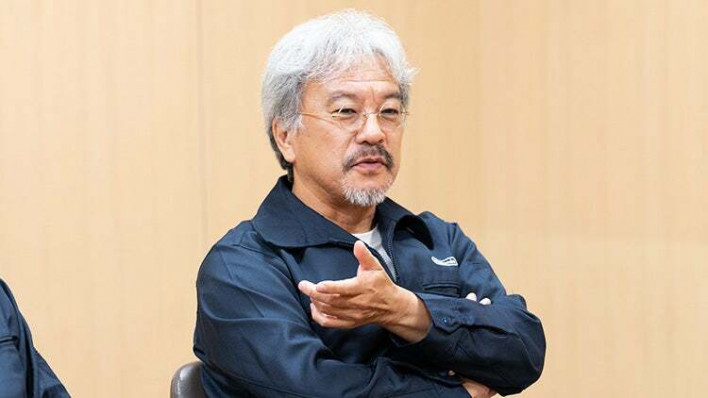
It was director Ng who established the policy. Having played the original on Nintendo 64 as a high school student and being shocked by a "game unlike anything anyone had seen before," he said that if 100 people played it, there are 100 different memories, and he didn't want to destroy those memories. He saw that the original possessed a unique miniature-garden charm, distinct from the open-air Zelda games that seamlessly connect vast fields.
The resulting principle was: "In the original, the visuals may change, but the experience does not." Program director Taguchi also noted that the original possessed an exquisite balance that would crumble if even a single piece were removed, warning that changing various elements just because it's a remake would turn it into something other than the game everyone knows.
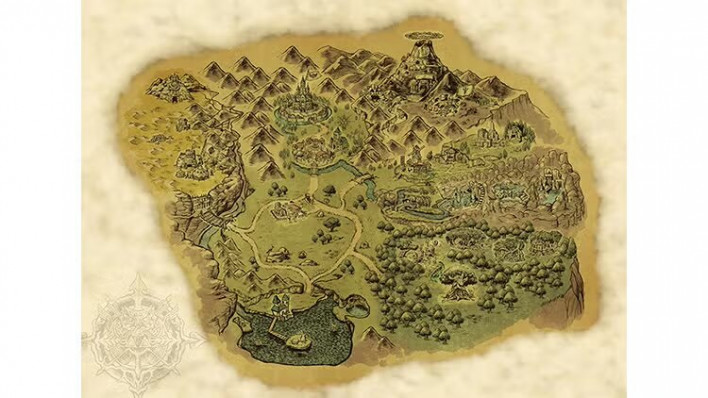
This principle was directly reflected in the map design. To preserve the signature sense of connection—such as Kokiri Forest by the Great Deku Tree, and the field unfolding as you exit the forest—they retained map transitions rather than connecting every region seamlessly. They wanted players to feel the excitement of stepping into a new area just as in the original, hoping that these boundaries would serve as a breathing space to digest the journey so far and look forward to the next. For the world map, they commissioned the original Nintendo 64 illustrator to draw a new one.
Another prominent example was warp points. Producer Aonuma felt bothered by the sight of players in a hurry rolling across the field in the original, since performing spin attacks/rolling was slightly faster than walking. So he asked to test adding shortcut warps that weren't in the original. However, once he actually used them, the experience of stopping during travel to think "Wait, what's this?" disappeared. Realizing anew how crucial that experience was to the game's structure, he confessed with a laugh that he personally asked to remove all the warps he had proposed.
Producer Fujibayashi evaluated that even for the parts decided to remain unchanged, expressing them on modern hardware was a major task, and the development team's interpretation shone through there. Producer Aonuma added that early in development he thought, "It's fine to change more," but he felt how deeply the team cherished the original far beyond his expectations.
Hyrule of 28 Years Ago with Today's Density How the Art, Controls, and Dungeons Were Refined
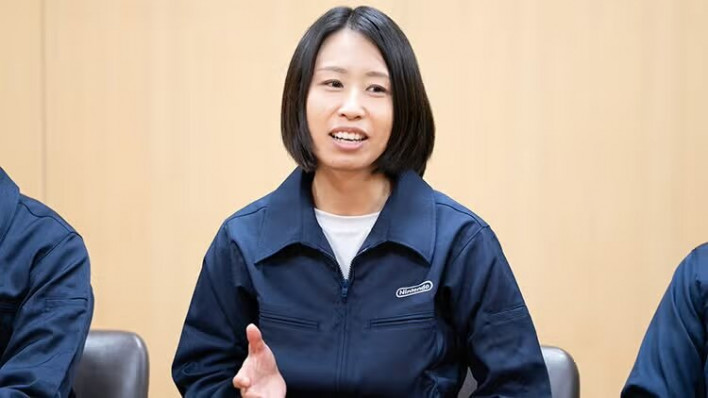
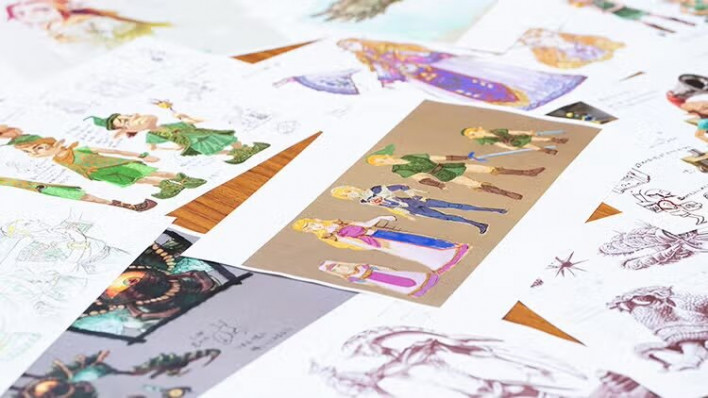
The starting point for the art was a high-density, realistic-feeling world leveraging the power of the Switch 2. However, art director Shida emphasized that simply looking like reality was not the goal. Hyrule is beautiful yet has its shadows, and its characters are colorful and full of personality—a contrast she saw as the original's dreamlike charm. Thus, striking a balance between maintaining Hyrule's atmosphere while enabling distinct characters to exist naturally within a dense world became a central theme.
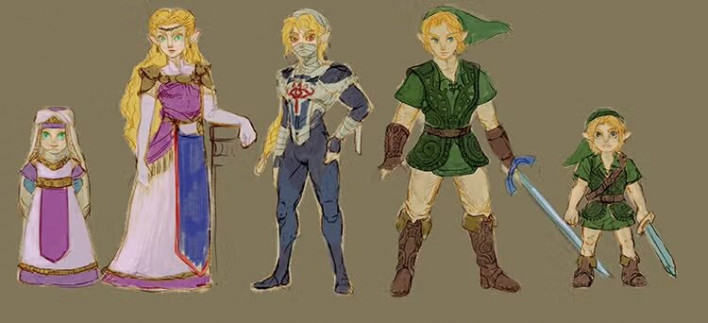
The team aligned their sense of style around keywords like "puppet show" and "practical effects" (tokusatsu). This was because neither reproduces reality exactly, yet both possess a convincing power that fantasy characters truly exist, while also touching upon the nostalgia of the original. The development team created 3D models of the Great Deku Tree with painstakingly adjusted light and texture alongside sketches of Link and Zelda, proposing to producer Aonuma, "We want to blend characters like these into a world like this."
Producer Aonuma recalled that back during the Nintendo 64 era, the mindset was about making the newest thing with cutting-edge technology, never targeting nostalgia. However, he noted that as a developer at the time, it makes sense how that expression over time evolved into an analog, puppet-show feel.
The goal for character design was the feeling that "that person is still there" across 28 years. Producer Fujibayashi explained that during the Nintendo 64 era, limitations in expression meant movements were intentionally exaggerated to convey character traits, and reproducing those as-is with modern tech would end up looking almost bizarre. In short, maintaining character while striking a balance was difficult. They also put effort into fabrics; feeling it would lack realism for Kokiri Forest children to wear machine-woven cloth, they examined museum archives and made prototypes starting from raw thread. The designers promised among themselves to imagine a backstory for every object appearing in the game.
Implementation was equally challenging. Program director Taguchi built up elements—from character appearances and movements to how grass on the field reacts—to convey that "a world is truly here," stating that the hardest part was the sheer volume. Producer Aonuma joked that the word "efficiency" didn't exist in his vocabulary back then, while director Ng revealed that they didn't want to change that volume, crafting each and every character one by one.
For the field, art director Shida adjusted the pace and focus. To prevent misunderstandings like "Can I go all the way past that mountain?" in areas like Hyrule Field, they increased density in walkable areas while reducing information in unreachable spots by rendering them as distant views. Landmarks like the castle and the windmill were intentionally drawn large. This design was intended to convey on-screen without explanation which places can be broken into and which are meant for visual enjoyment.
Controls were adjusted based on the feel of the original, while ensuring players accustomed to recent Zelda games wouldn't feel out of place. Program director Taguchi explained that with 28 years having passed, instead of porting the original code, they built it from scratch, repeatedly implementing and cross-checking against the original. The biggest change is the removal of auto-jump.
In the original, there was no jump button, so tilting the stick toward a jumpable spot made Link jump automatically. Realizing modern players might think, "I jumped over there, why can't I jump here?", they enabled jumping anywhere like in 'Breath of the Wild'. This was a burden on development. Producer Aonuma said he initially worried, "Isn't that dangerous?", while art director Shida noted that adjusting terrain was difficult because Young and Adult Link have different jump distances.
For the Jump Attack, both the original single-button and two-step methods were included. This was the result of producer Aonuma, who was too accustomed to the original controls, finding the new method completely unworkable for him, leading to the creation of the single-button option as well. Conversely, producer Fujibayashi noted he was more used to slashing after jumping. Another change is that holding down the button after a spin attack transitions into a dash, while the experience of rolling across the field has been preserved as-is.
The biggest controller-related change is the free camera. Producer Aonuma expected that being able to look around would prompt players to wonder "What's that?" and feel inclined to go explore more often. On the other hand, program director Taguchi noted there were issues with players getting disoriented, mentioning that even in situations where enemies in a locked room are defeated to open a door, players could miss where to go next.
Therefore, they introduced various adjustments to make it easier for players to see where to head next. They also intentionally incorporated subtle differences, such as places passed through during childhood feeling slightly narrower when revisited as an adult. Producer Fujibayashi and producer Aonuma repeatedly worked to eliminate confusing spots from the perspective of a first-time player.
For dungeons, while preserving original gimmicks, object placement was tweaked so the direction of progression appears natural. For producer Aonuma, the Water Temple was a 28-year-old piece of unfinished business. Fond of bare-skin diving, he wanted to create an experience where "being underwater is fun in itself," complete with altered audio, but the complex structure and frequent item swapping caused players to easily lose their position and direction.
This time, item swapping was made smoother, and walls that hindered orientation were changed to lattice structures so players can see a room on the other side. They explained that this reconstruction was not about making it easy, but adding mechanics so players wouldn't get hopelessly lost.
The first boss, Gohma, requires timing strikes on its weak spot, but that timing was hard to discern in the original. An idea emerged to use its two arms above its head, implementing a mechanic where it covers its weak point with its arms when invulnerable. Program director Taguchi recalled that this was the moment he first got a real feel for how "one can innovate without altering the essence."
Enriching Even the Story and Audio Threads of Time and Over 150 BGM Tracks
Hearing expectations for conversations like "Dad got stuck in this Water Temple several times back in the day," producer Aonuma quipped that kids nowadays might just say it's not that hard, drawing laughter from the team.
The game features over 150 BGM tracks alone. Sound director Ohashi composed new tracks for newly added cutscenes while maintaining existing BGM motifs so that players familiar with the original wouldn't feel alienated. With full orchestras becoming commonplace, he analyzed the design of the original BGM and realized that the original expressed the scale and tempo of scenes through the compositions themselves rather than volume.
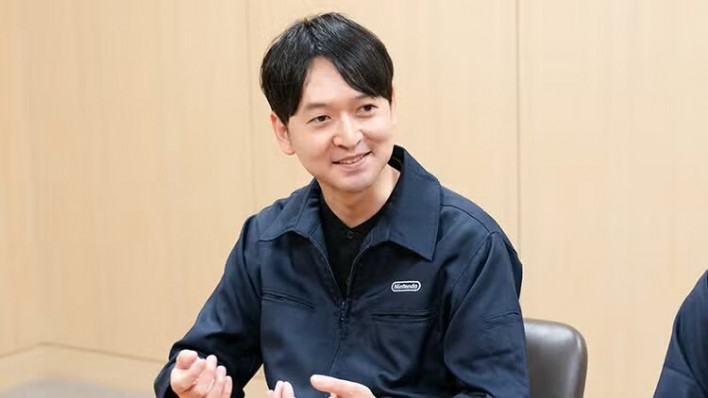
Therefore, grand themes were arranged with a full orchestra, while simple tracks were kept modest with fewer instruments, with interpretations discussed alongside original composer Koji Kondo. Producer Fujibayashi noted that unlike the 'Breath of the Wild' series, which aimed for music that blends into the background, the tracks in this title have a strong power to heighten emotions, featuring many so-called "emotional tracks."
Some tracks mix in sounds faithfully recreated based on Nintendo 64 sound sources. The idea was to do something only Nintendo could do as a mechanism to touch upon memories from back then. Producer Fujibayashi recalled that when the house BGM played with the exact timbre of that era, he initially wondered, "Are we really going with this?", but felt it created a tactile sensation distinct from a simple modern remake. He added that striving to create fun things in their respective fields regardless of role is Nintendo's enduring development spirit.
Ambient sounds and sound effects were also expanded. By layering sounds people usually don't consciously notice—such as rustling leaves, water trickling over rocks, and chirping insects and birds—they rendered the world vividly. Director Ng noted that sounds adapt to the space, such as the waterfall sound in Kokiri Forest fading as you move away from it. The game supports 5.1-channel surround sound, and simply connecting headphones to the Switch 2 lets players experience rich ambient audio. For the Ocarina, actual instruments were recorded, and reverberation changes depending on where it is played.
The feature that recognizes humming or actual instrument sounds via the Switch 2's built-in microphone to play music originated from a proposal producer Aonuma suddenly tossed out about a year ago. Although the development team struggled with sound detection and calibration, producer Fujibayashi praised it as a classic Nintendo idea that introduces a slightly different flavor of fun to the game. Cutscenes are fully voiced, while iconic voice lines like Navi's "Listen!" remain unchanged. For the Japanese version, a blind audition resulted in the exact same voice actor from the Nintendo 64 version being re-cast.
The barrier to entry was also lowered. Controls are introduced one by one in necessary scenes, returning a sense of tactile satisfaction upon success, while what to do next is made clear within the game. Producer Fujibayashi noted that games during the Nintendo 64 era had an aspect of relying on strategy guides, adding that preventing players from giving up midway is an area the Zelda series has continuously evolved. It also supports 'ZELDA NOTES', which includes unique features for this title such as an Ocarina Play mode and gameplay-linked collectibles.
Producer Aonuma commented that this title betrayed his expectations in a good way, assessing it not as superior or inferior to the original, but as having become "richer." Sound director Ohashi asked players to listen closely to environmental sounds, while program director Taguchi mentioned they tried their best to touch upon memories complemented by each player's imagination back then. Art director Shida hoped it would become a story that stays in people's hearts 20 or 30 years from now, and producer Fujibayashi urged "adults and children" to enjoy it together.
A story of Link saving the world across time as a child and a young man. And after a long passage of time, the same person experiencing an evolved game once more, while different generations share that very same experience—that is the true significance of this work.
'The Legend of Zelda: Ocarina of Time' will launch for Nintendo Switch 2 on November 5. In addition, the full interview can be found on Nintendo's official website.