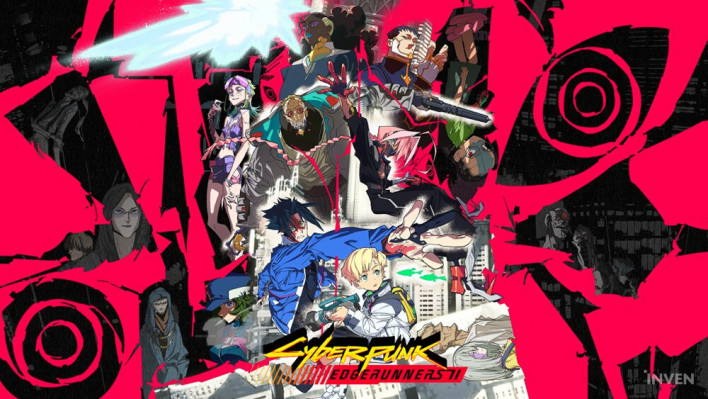
Cyberpunk: Edgerunners 2 has been released. While it matches the 10-episode length of its predecessor, its atmosphere and pacing are completely different. Whereas Season 1 focused on a clear protagonist in David to weave a tragedy, this season sees four main characters craft their own separate stories.
All these storylines eventually converge, but the paths to that convergence are entirely distinct. Four separate narratives are packed under a single overarching theme, functioning much like an ensemble drama. Across a four-hour runtime, the stories of four individuals unfold in parallel.
*The following content contains spoilers for Cyberpunk: Edgerunners 2.
Ultimately, this installment tells a story of liberation from self-imposed shackles—including revenge—and the freedom that follows. All four characters reach their endings by breaking completely free from what bound them. In a sense, one could say they all achieved a happy ending, in one form or another.
The core of that process isn't D, Weak, Talia, or Roman. While they drive the narrative forward, Capri serves as the catalyst for every plot explosion. Built around this entity, the four confront one another, clash, and unravel their respective stories.
Thanks to this structure, the show captures an atmosphere quite distinct from Season 1. While the action has been scaled back significantly, deeper psychological aspects—such as the dynamic between AI and humanity, alongside the loss and restoration of human nature—are brought to the forefront.
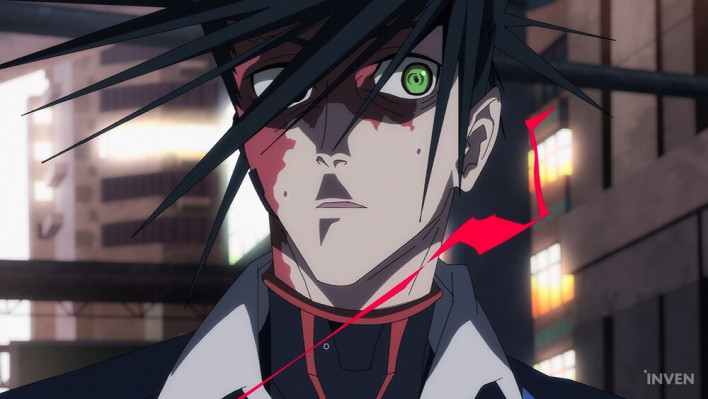
The four protagonists also serve to illustrate these shifts in humanity. D bound by revenge, Talia bound first to life and later to revenge as well, and Weak bound by the concept of 'family' each untangle these ties through their own will and methods.
Interestingly, Roman, who acts as an observer, undergoes a similar shift. Throughout the series, Roman seems confined to the role of an outsider interacting with everyone, observing and recording the flow of events. Yet he, too, is bound by his own 'film,' his perspective, and his desire for recognition.
And ultimately, he breaks free from all those entanglements as well, choosing in the crucial final moments to capture the entire story through his own eyes, without a camera.
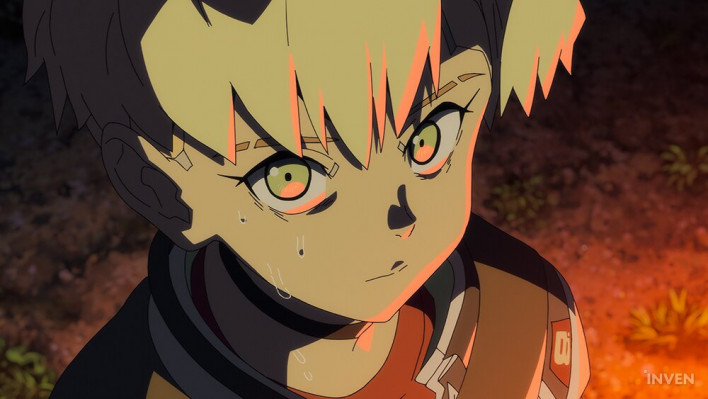
Unlike its predecessor, which contained the arc of David, Lucy, and key supporting characters within a single narrative structure, this installment gives multiple protagonists their own individual arcs. This approach will likely be the most polarizing aspect of the series.
Because it is an ensemble piece squeezed into a short runtime, emotional immersion into each character noticeably suffers. While Season 1 devoted the same episode count to a single protagonist's story, allowing viewers to easily focus on and connect with David's journey, this season had to cover four distinct character arcs across 10 episodes, along with their eventual convergence and finale.
Due to this lack of narrative breathing room, the lead characters themselves feel somewhat lacking in charm. With sparse exposition regarding their individual circumstances and rather predictable scenarios, it is difficult to deeply sympathize with or immerse oneself in their tragedies and obsessions. It leaves the viewer watching the show with a somewhat detached perspective.
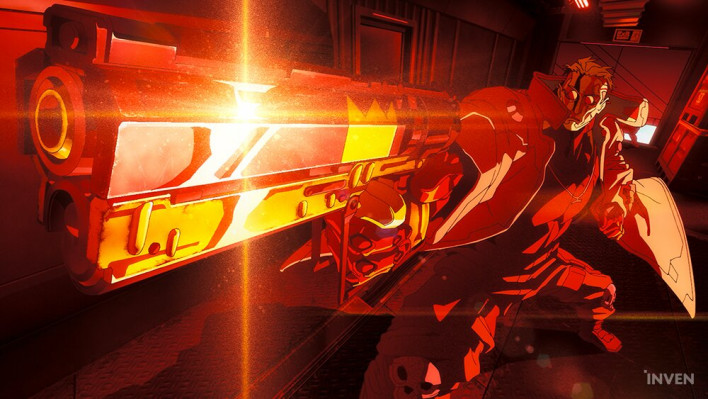
Consequently, the shifts in character motivation fail to feel entirely convincing. Whether it is Talia's change of heart after replacing her entire body with chrome just to survive, D's shift away from his obsession with revenge, or Kyoko's transformation after resorting to murder to continue her research, one can roughly understand the 'why,' but it fails to draw out a resounding sense of genuine conviction or deep understanding.
As a result, their respective happy endings fail to resonate deeply in the viewer's heart. While it feels like a decently crafted work, it lacks that special 'something' that made Season 1 so poignant—that deep grief over tragedy and the lump-in-the-throat moment of watching Lucy head to the moon in the end.
Another disappointment is that the story itself fails to subvert tropes. It is an all-too-familiar formula. Despite the rushed development, the plot is predictable enough that you can easily guess where it is heading. The issue is that the show needed to make this predictability emotionally resonant, but again, it falls short.
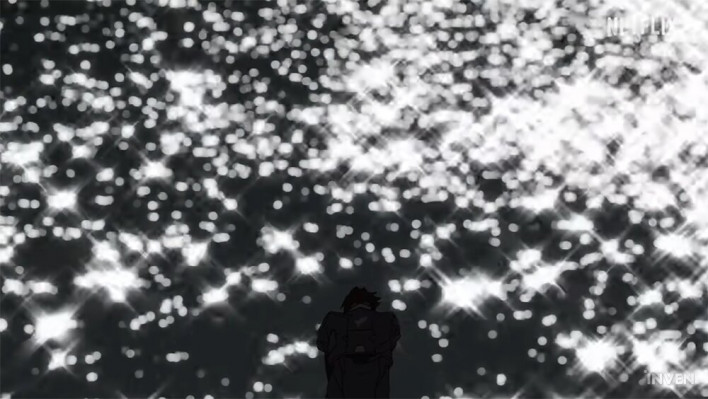
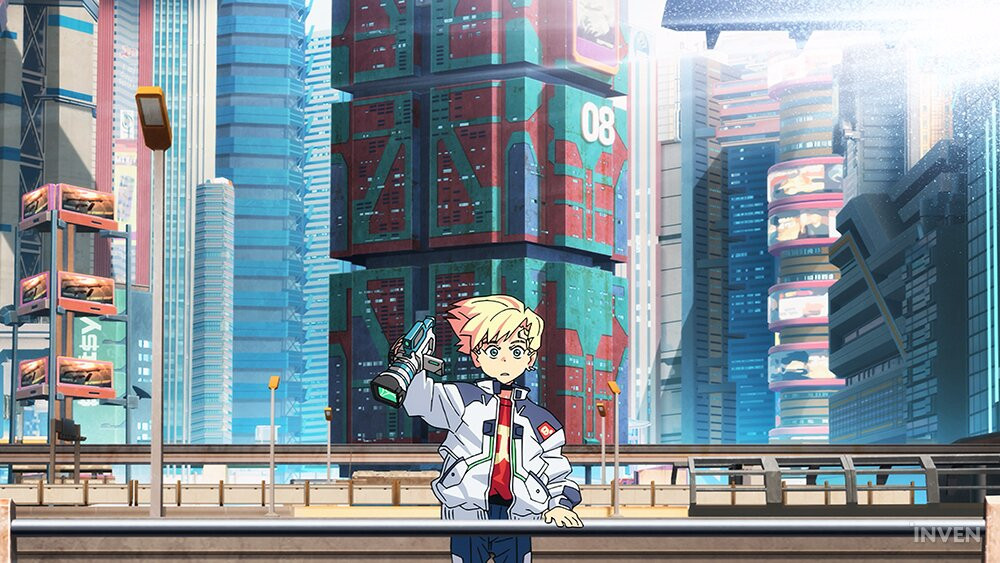
The most impressive, striking, and standout element of this installment is undeniably its visual presentation. The anime's overall aesthetic is wonderfully retro yet sophisticated, paired with exceptionally beautiful direction. It is thoroughly cyberpunk through and through.
The character Roman serves as an observer, a narrator, and a connector who ties the others together, but his greatest contribution lies in naturally delivering these visual marvels. By using an old camera to shoot video at key moments, transitions in aspect ratio and visual style feel organic rather than forced.
Furthermore, this stylish visual direction effectively compensates for a story that might otherwise feel somewhat flat. It delivers unoriginal storytelling paired with anything-but-ordinary direction. As a result, the show consistently delivers pure visual enjoyment throughout all 10 episodes.
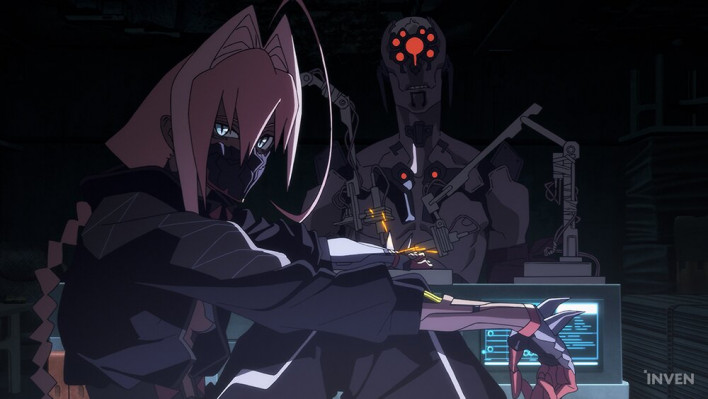
"David is dead. But Night City goes on." This phrase seems to sum up both Edgerunners Season 1 and Edgerunners 2 in their entirety.
Though it lacks the deep, lingering resonance of Season 1—which beautifully and tragically portrayed a person chasing someone else's dream—Edgerunners 2 offers its own distinct flavor through its version of a happy ending. Across a concise runtime of roughly four hours, it presents the stories of multiple protagonists and their liberation through stylish, vintage, yet sophisticated visuals.
However, on a personal level, the story and character appeal fall considerably short compared to Season 1. An ensemble drama can certainly bring out these elements effectively, but the overall pacing was overly plain, and the absolute runtime was simply too brief to unpack all these narratives. While the protagonists' story arcs are logically understandable, they fail to evoke deep emotional resonance.
Where Season 1 was truly exceptional across the board, this installment feels somewhat average by comparison. Nevertheless, it once again brings various locations from the game to life with fidelity, offering plenty of nostalgic moments for game fans. Additionally, there are quite a few subtle ties to Season 1, making discovering and appreciating these connections another enjoyable aspect of the show.