Amid recent reports of upcoming indie games canceling public demos over fears that AI-generated clones might launch first, a similar case has emerged in Korea.
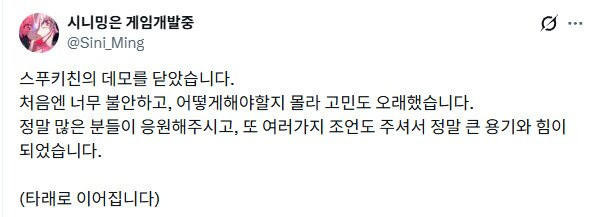
On October 17, Korean two-person development team YNOT announced that it would pull its public demo after being informed that someone was using AI to clone their game, 'Spookitchen'. Today (October 20), as they halted the demo distribution, the team shared their distress with players via social media and their Steam page.
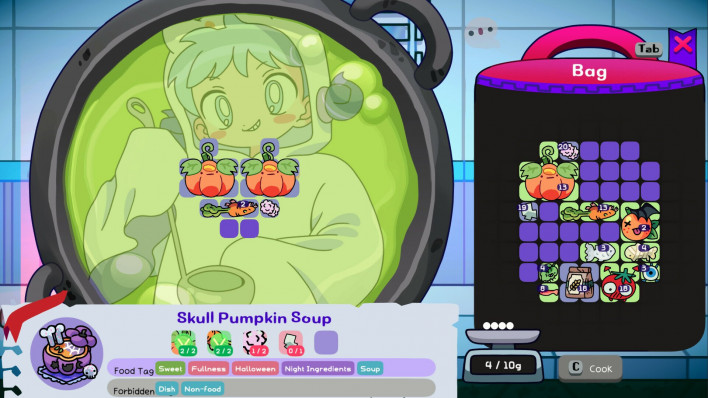
Spookitchen is a cooking tycoon game set in a spooky Halloween town inhabited by eccentric monsters. Players fulfill orders for customers with unique palates—from vampires who cannot drink blood to zombies who insist on only the freshest ingredients—while uncovering their lost memories and the hidden secrets of the town. Combining core tycoon mechanics with its charmingly cute art style, the game garnered an enthusiastic response from indie fans, earning a spot at BIC for two consecutive years. However, ahead of Steam Next Fest, the team was forced to pull the demo due to concerns over copycat versions.
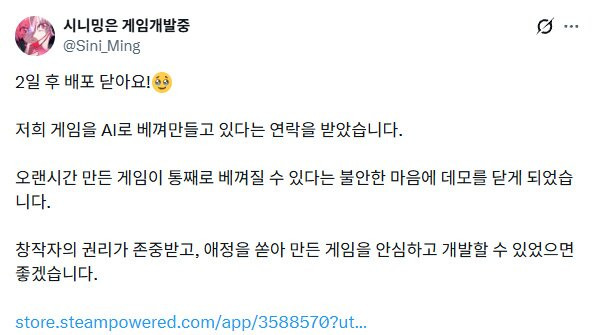
YNOT expressed frustration over an issue that individual developers feel powerless to prevent, stating, "Pulling the demo is only a temporary measure, not a fundamental solution." At the same time, they added, "We thought that by speaking out on social media, showing that Spookitchen is our game and that so many people are watching, it might serve as a warning that stealing and cloning even an unreleased small game won't be easy. We plan to stay focused and dedicated to development as usual, without getting shaken."
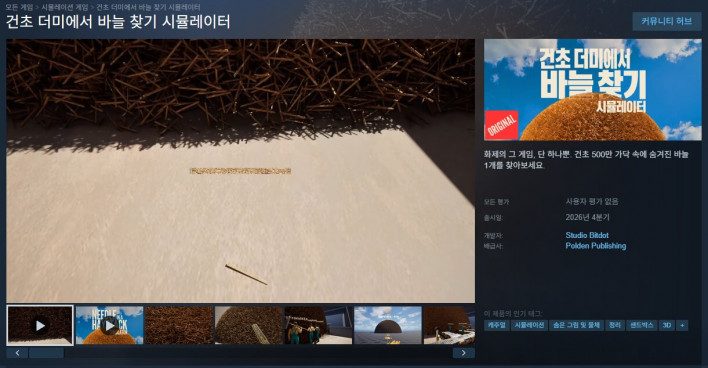
Concerns over AI-assisted copycats rushing to market first and the resulting cancellation of demos have been spreading across the indie game scene since October. A prominent example is 'Needle In A Haystack Simulator'. Built on the simple concept of finding a single needle among roughly 5 million pieces of hay, the game went viral online, leading to at least eight titles with similar names and concepts appearing before its official release. In response, developer Studio Bitdot went as far as adding the word 'ORIGINAL' directly to its Steam store images so players could distinguish the authentic title.
'Family Time' faces a similar situation. The game, which climbed near the top of Steam wishlists thanks to its unique concept of raising thousands of children with a werewolf partner, saw a similar title using the exact same name, 'Family Time', appear prior to release. While that knockoff swapped the werewolf for a fox and added co-op elements, major portions—including the game description and store page layout—were strikingly similar to the original.
There are even escalating cases of extortion, where bad actors threaten to create and release AI-generated clones first unless paid. Following several Western indie developers receiving such emails since late September, on October 18, the developers of tactical RPG 'Dragon's Chronicles: Twin Stars of Reginleiv' (hereafter 'Dragon's Chronicles') disclosed that they too received an extortion email demanding $200 under the threat of releasing an AI clone ahead of them.
So-called "copycats" borrowing game ideas are not a new phenomenon. However, with advances in generative AI and game development tools, growing numbers of developers fear that the time and cost required to turn a viral concept into a playable game have drastically decreased. Coming amidst the crucial Steam Next Fest event, this issue strikes an especially agonizing note for indie developers who had prepared public demos to raise awareness for their games.