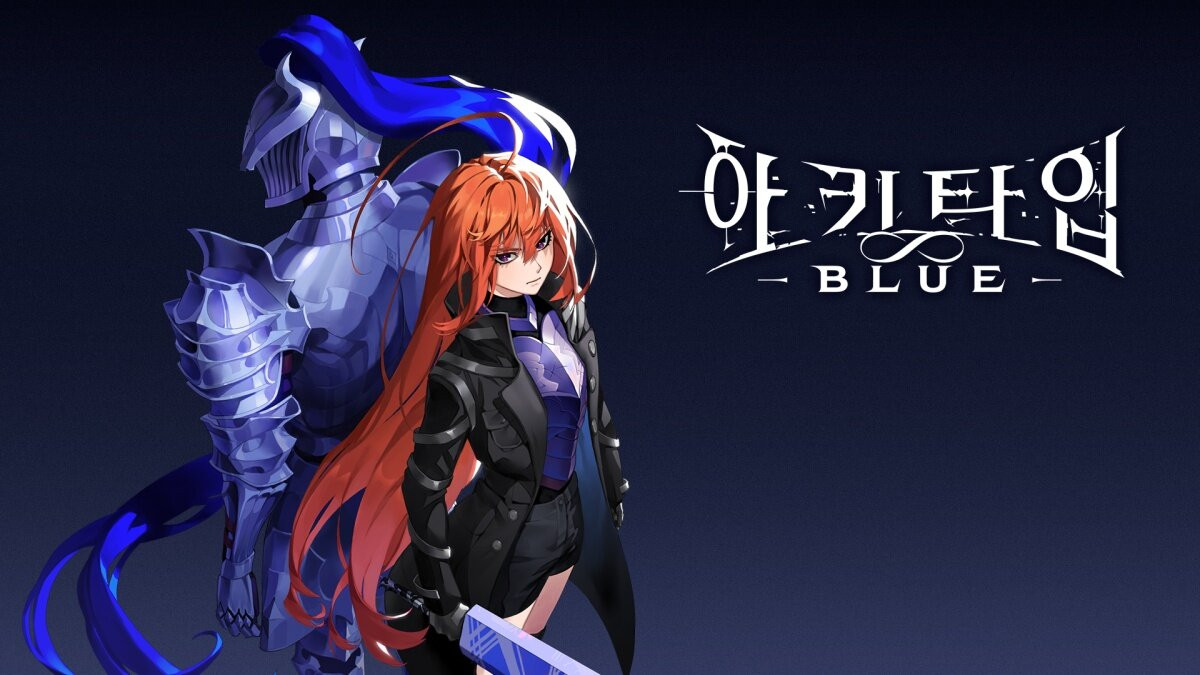
Sometimes, before you even start a game, you find a character you immediately want to bring along. You don't know their abilities yet. You don't even know what role they play. You just like the way they look. Wouldn't that be reason enough to form a party? You can figure out the lacking strategy later—though of course, the enemy is under no obligation to be understanding about it.
'Archetype Blue' makes a similar first impression, where its artwork catches your eye before the numbers or card effects do. A world and characters rendered in intricate pixel art, alongside detailed character illustrations, warmly welcome the player. Even if you jumped in because of the deckbuilding genre, the setup makes you take another look at what companions appear rather than calculating efficiency right away.
Once you get familiar with their faces, other questions follow. What is this character good at in combat? Is it okay to bring them along with that character? Developed by Korean indie studio 'Codename Bom', Archetype Blue channels that interest into party composition, card management, and a deep narrative. Picking companions you like is simple enough, but making those companions fight well together is where your brain starts working overtime.
Through the demo for Archetype Blue, participating in Steam Next Fest on the 20th, we took a look at what kind of fun awaits beyond its eye-catching pixel art.
A World Drawn in Pixels, Music Filled with Guitars From Large, Detailed Characters to Self-Composed Music
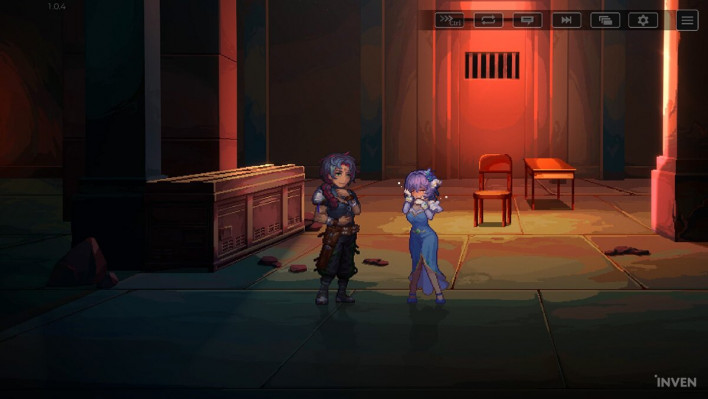
The artwork and sound filling this world carry the extensive touch of the development team. They crafted the pixel graphics and illustrations—including backgrounds, monsters, character designs, and animations—themselves, while also composing the music by playing electric guitar. In essence, they created the people on screen, drew the spaces for them to move in, and filled those spaces with music to flow through.
Archetype Blue showcases combat characters on a prominent, large scale. Armor, folds of clothing, held weapons, and stances stand out clearly, and even when standing side-by-side on the same battlefield, each figure possesses a distinct silhouette. The backgrounds are similarly packed with detail, from decorations on pillars and walls to patterns on the floor. While preserving the signature texture of pixel art, it packs in enough detailed expression to make every scene worth looking closely at.

The illustrations add another side to the characters. There is joy in viewing the same character in different ways, alternating between dynamic battle animations rendered in pixel art and story illustrations. While checking their abilities, your interest might get caught first by their outfits and design. You intended to find a reason to put them in your party, but end up thinking you can just put them in first and find the reason later.
Of course, discovering a character you like doesn't automatically teach you how to use them. Now that you know their faces, it is time to read their abilities. You've chosen who you want to bring along. The next question is whether these people can fight well together.
I Thought Drawing Good Cards Was All It Took Strategies That Shift with Every Companion Swap and Position Change
In deckbuilding games, players usually check the cards in their hand first—seeing if the effect is cost-effective and how it chains with other cards. In Archetype Blue, companions must be factored into that calculation. The core of combat lies in creating synergy by linking tags attached to cards with companions' specialized abilities.
Cards carry various tags such as Vulnerable, Injured, Focus, and Rage. You navigate combat by understanding how each effect operates and combining cards that chain together. On top of this, companions specialized in utilizing specific tags come into play. Even if a single card's effect looks powerful, you must check if it fits your current party, and when meeting a new companion, you are forced to consider how they synergize with your current hand.
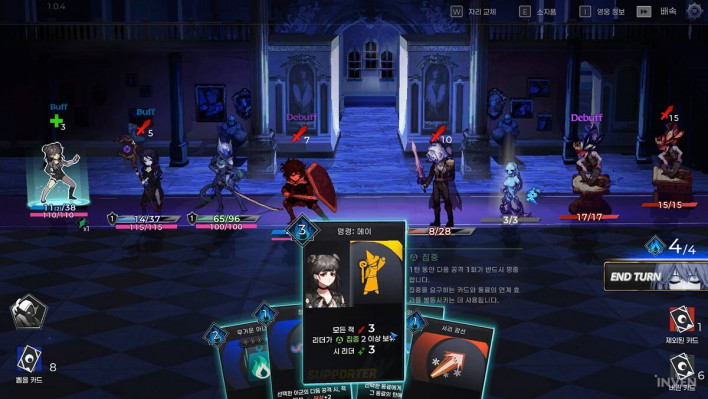
As a result, the criteria for choosing companions naturally centers on tags. Rather than comparing individual stats, you look at the cards you will use alongside them and the abilities of other companions. Even if you spot a face you like, there is reason to read their description—they might suit your tastes, but not your current party.
However, the game does not let you pick your ideal companions beforehand to start with a complete party. You recruit companions as you progress, refining your setup based on the figures you meet and cards you obtain along the way. With a large roster of companions, there is no guarantee the person you are looking for will appear. You might have envisioned a perfect combination in your head, only for the core character of that setup to never show up.
Thus, finding viable combinations in the moment is more important than stubbornly sticking to your initial plan. You'll ponder whether to wait for a companion who enhances existing tags or shift direction around a newly recruited companion. The very process of collecting cards and companions is the process of building strategy.
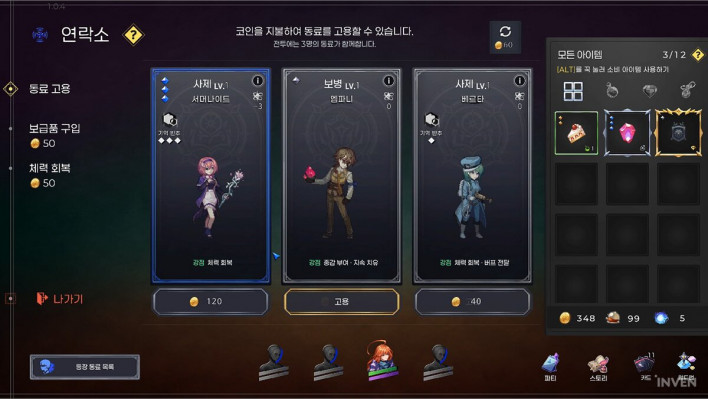
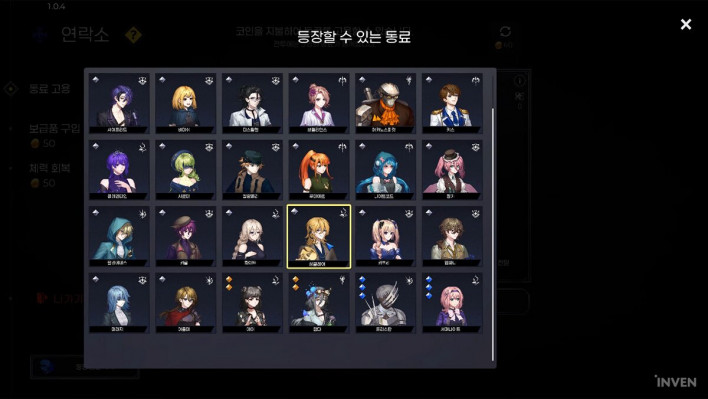
The party name that appears when changing team compositions on the party management screen also adds to the fun. Watching the name change as you swap companions and compare their abilities prompts you to take another look at your current lineup. It isn't just about filling an empty slot; it helps you conceptualize how to utilize these companions more effectively.
Positioning must also be considered. Companions act in order from front row to middle row to back row, while enemies target companions in specific locations. Once you've set the party's direction around tags, you must pay attention to who acts first and where the enemies attack. Interlocking companions, cards, unit positioning, and enemy assaults give you even more factors to ponder when building a team.
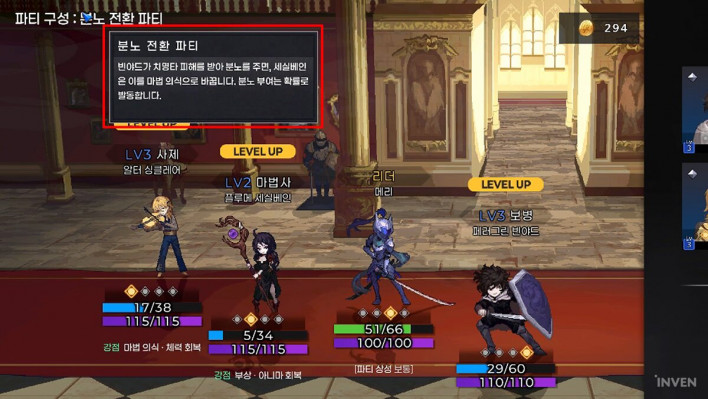
However, in the build tested this time, the initial learning curve to appreciate this fun felt somewhat steep. There are many tag types and complex mechanics, yet even the first stage is designed to require active synergy utilization to clear. Trying to get by on basic attacks and defense while learning step-by-step demands quite a lot of prior knowledge right from the start.
Understanding what an effect does is one thing, but chaining that effect with other cards and companions is another. When you are still learning what tags mean while actual combat demands synergy combos, the early game can feel overwhelming in deciding where to start. If guided to master a few tag combos first before expanding choices, the appeal of combat would likely become much more accessible.
Still, the system of weaving cards and companions together clearly defines Archetype Blue's identity. It isn't just about hunting for a single powerful card or character; it forces you to ponder how to link whatever you acquired during that run. To make good use of a favorite companion, you need to get as familiar with their tags as you are with their face. Now, beyond having a reason to bring them along, it's time to find a way to fight together.
We've Fought Together, Now Let's Hear Their Story Separating Combat and Narrative, Connecting Them through Interest in Companions
Archetype Blue is structured so that you engage in combat through "Missions" and unlock new stories along the way. It isn't structured where a full chapter unlocks only after finishing an entire stage. A stage and its related story are intertwined, allowing you to enjoy unlocked story segments separately as you continue fighting.
This layout makes it easy to focus on combat when testing team setups and on the narrative when curious about events. The two content types are separated in the menu but connected in context. For instance, you learn why the stage's final boss is there through the story. What was simply an opponent to defeat in combat becomes a character with their own background story in the narrative.
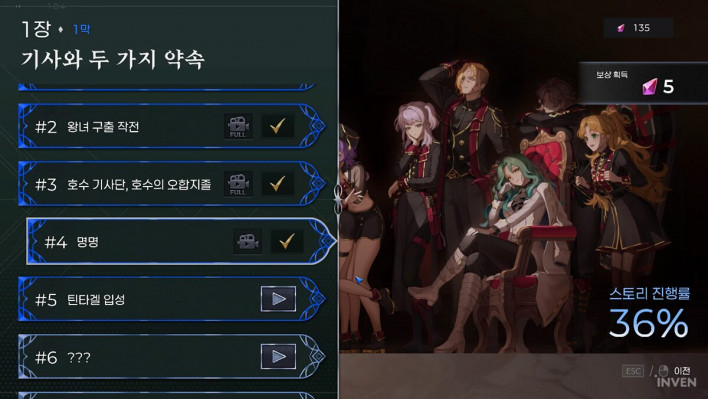
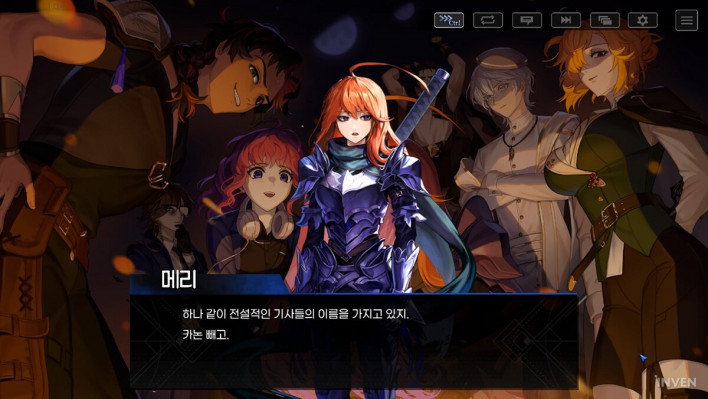
At the center of the story is Mary, a girl who inherits the name of the knight Lancelot. In the demo, players encounter the conflict between the Order of the Lake and the Ironblood Order surrounding Mary, character relationships, and secrets hidden behind them. Going into detail would spoil it, but even while following events unfolding before your eyes, the narrative keeps you wondering who is hiding what.
However, with many characters introduced right from the start, it initially feels somewhat complex. As you learn faces and names, relationships and lore hit you all at once, leading to moments of "Wait a minute, what does all this mean?" Still, once the characters' positions and relationships take shape, immersing yourself in the story becomes much easier. There is a substantial amount of reading material, and the curiosity to uncover the next backstory keeps you engaged.
Reading through story segments also awards currency. With this currency, you can unlock cards or artifacts obtainable during stages, or upgrade your initial starting stats. In short, rewards earned from reading stories feed into preparation for the next mission. After listening to their tales, you come away with funds for the next battle.
Missions unlock stories, and stories explain events while aiding your next attempt. The structure dividing combat and scenario gives you room to focus on each without making either feel disconnected.
Beyond Chapter 1, Nightmare Awaits A Demo with Plenty to Do Even After Five Attempts
The demo version of Archetype Blue also features a "Nightmare Mode" that lets you tackle higher difficulty levels after completing Chapter 1. In effect, it offers content to test companion and card setups even after finishing the main run. Players who master tag synergies should find plenty of depth to delve into with the demo alone.
However, I haven't been able to try Nightmare Mode myself yet—because Chapter 1 is formidable enough on its own. Up until writing this hands-on impression, I have tried about five runs without a clear. Whether it's because I didn't get the desired combinations or failed to properly utilize the companions and cards that dropped requires more testing. For now, let's just blame bad luck.
Because companions are recruited randomly during runs, you cannot complete your ideal party every time. If companions or cards with the required tags don't show up, you must adapt with another strategy. Furthermore, since active synergy usage is crucial right from the start, a mismatched combination imposes a heavy penalty. While lowering the barrier to entry until players adjust would be welcome, having alternative choices for the next attempt is precisely why you keep coming back.
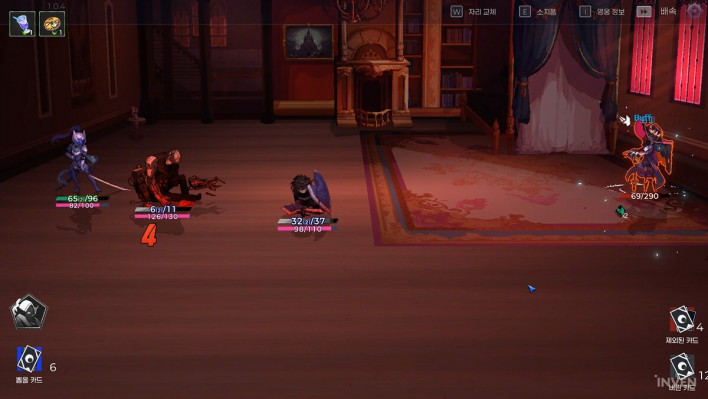
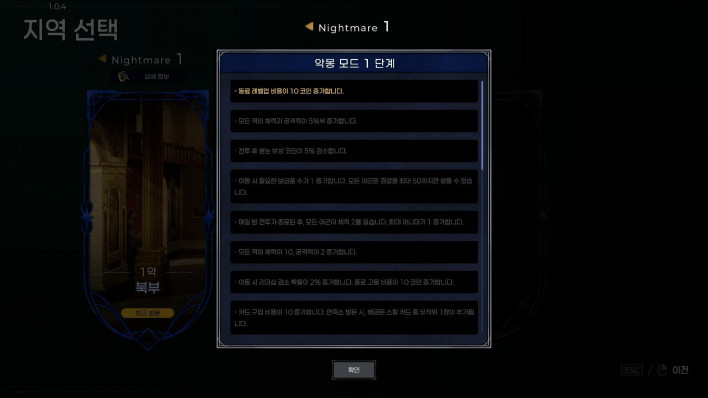
Of course, extra time spent due to failing clears can't entirely count as content volume. Still, with Chapter 1's combat, narrative, unlocks, and initial upgrades alone, the demo offers a substantial amount of content. There are still many companions and tag combinations left untried. Even before reaching Nightmare Mode, you get ample time to learn the game's mechanics and test various strategies.
While pulled in by the pixel art and illustrations, what keeps you thinking about the next run is the synergy between companions and cards. Learning character backstories through the narrative and preparing for the next run with earned rewards further reinforces this gameplay loop. Although adjusting to complex early tutorials and difficulty takes time, the fun of discovering synergies as you overcome those hurdles is indisputable.
For now, the goal is clearing Chapter 1. Nightmare can wait until after. The sixth run will be different—or at least, that's what I always believe at the start line.