When a title often labeled a "tragic masterpiece" is brought up, people naturally start wondering: What if, at a critical crossroads in its live service, an online game had made a different choice? Single-player package games are no different. What if a fatal bug or issue had been handled differently, or what if it had never happened at all—how might the game's future have changed? Even today, many such "what ifs" are revisited long after the fact.
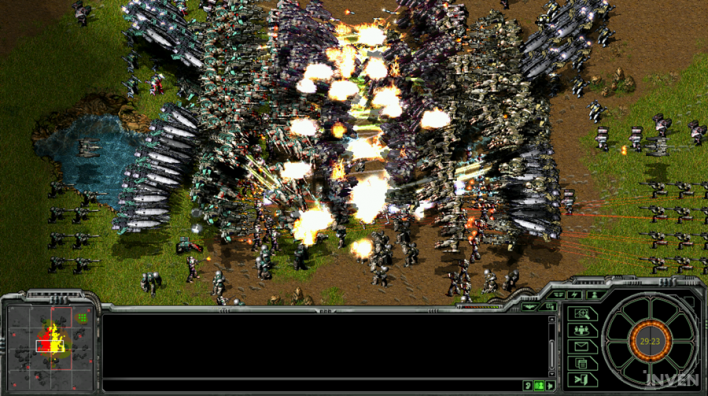
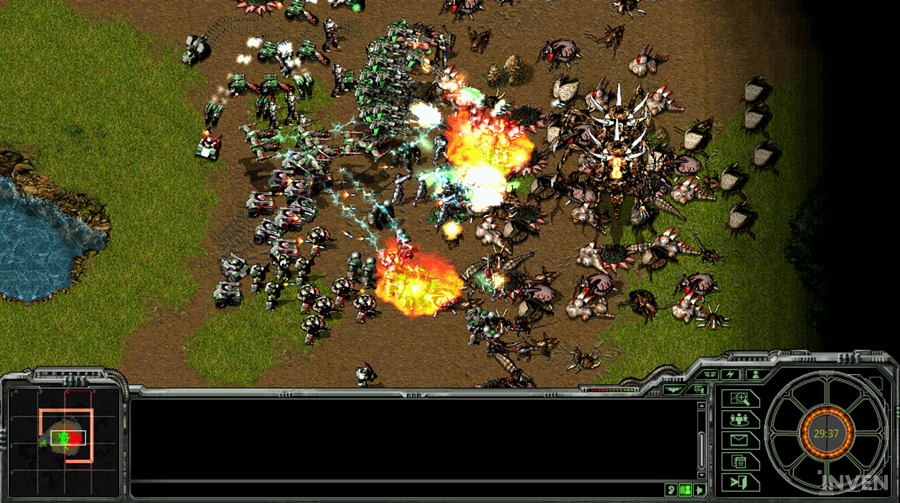
Chogasoft's recently announced revival, 'Tactical Commanders R,' is one such tragic masterpiece. When Nexon's 'Tactical Commanders' burst onto the scene in the early 2000s, it set itself apart by blending MMORPG elements with RTS mechanics, at a time when most competing titles offered similar systems wrapped in different skins. This attempt was successful in many ways. During wars between nations and planets, hundreds to thousands of players could gather on a single battlefield to clash—a scale of combat that was highly unusual for its time.
Unfortunately, Tactical Commanders' glory was short-lived. A combination of factors played a role, including unexpected barriers to entry arising from combining RTS and MMORPG elements, the widening gap between veterans and newcomers typical of MMORPGs, and balance issues. Ultimately, Tactical Commanders shut down after roughly five years of official service.
Now, Tactical Commanders is announcing its revival through Chogasoft after a whole 21 years. While staying as faithful as possible to the original's distinct nostalgia, the developers are also preparing new systems and content that were not in the original game. However, there are reasons why a tragic masterpiece ended up remembered solely as a tragic memory. How does Chogasoft view the issues that Tactical Commanders once faced, and how do they plan to resolve them in Tactical Commanders R?
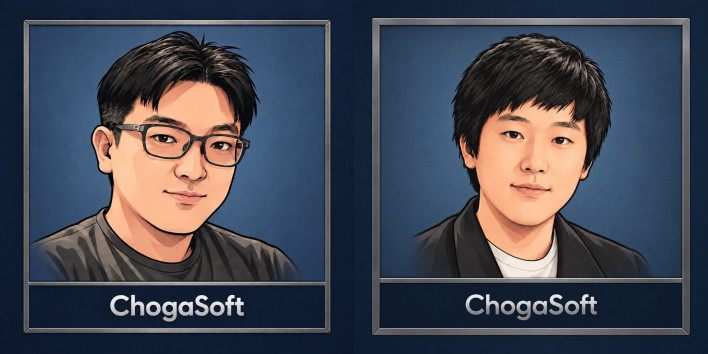
We sought the answers through a written interview with Chogasoft co-CEOs Freescan and Adam.
Tactical Commanders R: What Was the Starting Point of the Revival?
"We wanted to play it again so badly that we remastered it ourselves"
First, please briefly introduce yourselves and Chogasoft.
“Both of us are developers who have worked in the IT field for about 15 to 18 years, and we also have game development experience. We established Chogasoft in order to stably service and operate Tactical Commanders R over the long term.
Since it is a company built by two people together, rather than strictly dividing roles, each of us handles the areas we excel at and we solve necessary tasks together when they arise. We met out of a shared desire to play Tactical Commanders again, and now we are preparing to turn that passion into an actual live service.
How did you come to develop Tactical Commanders R?
“The starting point was simply wanting to play Tactical Commanders again. Even long after the service ended, I would occasionally remember it and look up related materials. I tried playing games with similar concepts, but the fun I felt in the original stayed in my memory for a long time.
As each of us kept up that interest, we got in touch with each other. Though our cherished memories differed slightly, our goal of wanting to play this game again was identical, so we decided to develop it together. Since then, through communication with Nexon, we fleshed out our development and operational plans for an official release. We find it deeply meaningful that something starting from personal affection led to actual service preparation through Nexon Replay.
Even with all those memories, it must not have been an easy choice. As a live-service game, there must be a lot to consider.
“It was indeed not an easy choice, because alongside developing the game, we also had to prepare a service and operational framework that players can enjoy stably.
Technically, we are paying special attention to synchronization so that multiple players can observe the same battlefield conditions, make decisions, and play accordingly. Since large-scale engagements are vital to this game, we consider this a priority area to verify in our service preparation.
We improved the system so that while a newly entering player is undergoing synchronization, existing participants can continue battling uninterrupted. This improvement is meant to preserve the flow of combat, and we plan to check stability under real network conditions during the CBT.
In terms of operations, we are preparing customer support, balance adjustments, and emergency response procedures when issues arise. We believe it is crucial to clearly explain the reasons and progress behind decisions that affect players and run operations responsibly.
Many fans likely share this concern: Can a small development studio like Chogasoft properly run a live service for a game that even Nexon shut down? What are your thoughts on this?
“As a small developer preparing a live service, we understand players will naturally wonder about this while expecting stable operations. We are applying both our individual development experience and the deep understanding we gained from playing and analyzing the original game for a long time.
We have been demonstrating our preparation progress by releasing technical test videos on YouTube. For the upcoming CBT, we are preparing so players can experience parts of it firsthand. Following our developer videos, we want to create opportunities to verify progress through actual gameplay and feedback.
We believe trust must be built through the service process itself. We will clearly distinguish between what is currently implemented and what is being prepared, and continuously show how we respond to issues and translate player feedback into actual improvements.
Since Nexon Replay was revealed in December of last year, it has been about nine months at most. When exactly did development begin, and at what stage is the project right now?
“We learned about Nexon Replay in December 2025 and began detailed planning and development preparation. Full-scale development started around February 2026.
Based on the features included in our initial plan, implementation is about 90% complete. Remaining tasks include balance adjustments and operation-related features, and some additional features beyond the original plan were added as ideas came up during development.
The roughly 90% figure is based on the scope of feature implementation in the initial plan. A separate process is required to validate implemented features under actual player connectivity environments. In the first CBT, we will focus on checking basic service flow and synchronization stability, using those results to refine overall service polish.
Just because someone asks to revive Tactical Commanders through Nexon Replay doesn't mean Nexon grants permission freely to everyone. What aspect of Chogasoft moved Nexon to agree?
“Along with our passion for the original game, we put together and submitted business and operational plans detailing our development direction and how we intended to sustain the service. We tried to explain specifically our determination and readiness to handle both development and operations ourselves.
It is difficult for us to speak on Nexon's selection criteria or evaluation. However, we are grateful that we received the opportunity to present our plan, which led to actual development through Nexon Replay.
Could you share the scope of assets provided through Nexon Replay? Also, even if you received code and assets, adapting them to modern standards ultimately depends on developer capability. Was that process difficult?
“Through Nexon Replay, we received the full client source code, converted server code, and all assets. The provided code and assets became a crucial foundation for understanding the original structure and behavior to develop Tactical Commanders R.
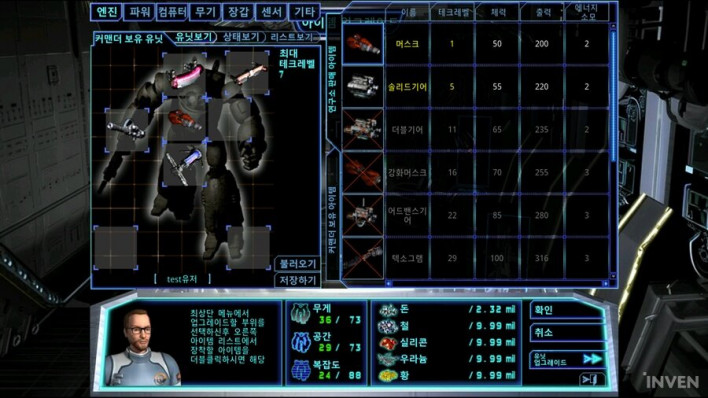
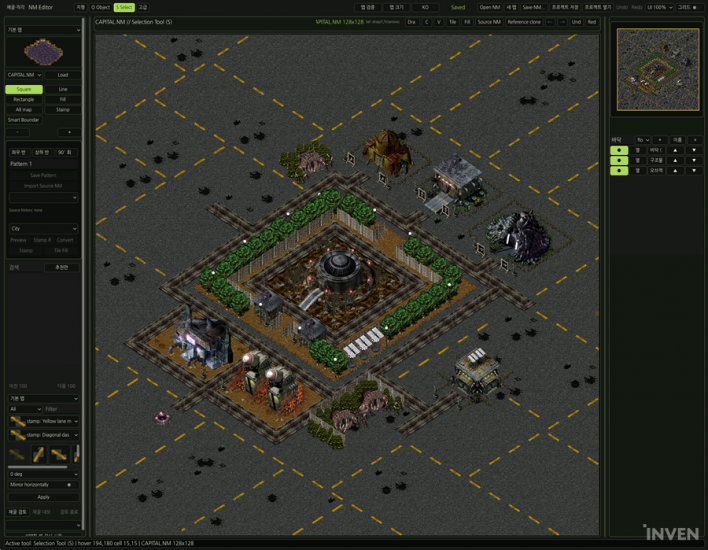
For this project, we chose to re-architect the implementation to fit modern development tools and operational environments. We wrote new game code referencing the old code, while utilizing the provided assets for graphics and sound. In this process, we reformatted item and unit data to match the new system, and built development and operational tools—including a map editor—tailored to our workflow.
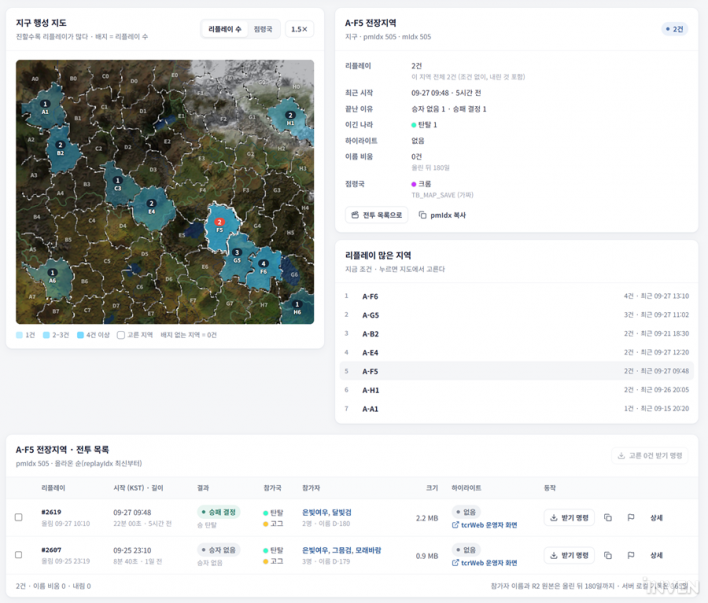
While reviewing the materials, we also made welcome discoveries. Records of past nations, presidents, and regiments remained, capturing a specific moment from when the game was live. Seeing familiar names, we compiled and published them as an archive. It felt like reconnecting with traces of the people who enjoyed the original game together.
What we put particular effort into during development was reproducing the original's distinct feel of play. In the prototype we shared on YouTube, we tried raising the frame rate, but realized that making movement smoother is a separate matter from recreating the combat feel in memory. By examining movements and expressions based on provided materials, we are tuning it so the atmosphere and battle flow of the original carry over naturally to modern environments.
Tactical Commanders is often called a 'tragic masterpiece' because even by today's standards, it had many interesting systems. However, some argue that if it were truly a perfect masterpiece, it wouldn't have vanished. Ultimately, Tactical Commanders had clear limitations. What do you think those limitations were, and how do you plan to overcome them in Tactical Commanders R?
“Not knowing the precise background or internal circumstances behind the shutdown at the time, it is difficult for us to evaluate the exact causes. What we are focused on now is how to sustain the original's charm over the long haul in today's service environment.
From a player's perspective, a major issue was that the war experience varied dramatically based on player counts and faction balance. Since having many people forge war together was a huge draw of the original, we feel it is necessary to provide options so players can still enjoy the game even when headcount is low or lopsided.
To address this, we are considering AI/NPC combat participation, PvE content, and separate rules that allow small groups to enjoy battles. These designs are still under review, and we intend to solidify our direction based on actual player numbers and test results.
Security measures and balance adjustments are also ongoing operational responsibilities. By checking and improving based on combat data and player feedback, we want to build an environment where the fun of the original can be enjoyed for a long time.
Nostalgia can be like that—rose-tinted glasses, so to speak. Playing past classics today often doesn't hit the same spot, and Tactical Commanders R can't be free from this concern either. Are you worried?
“We feel both concern and anticipation. The fun remembered through nostalgia and the fun felt when actually playing today may not always align. As players who loved the original ourselves, we keep that gap in mind during development.
While retaining the excitement of shaping war together and the core feel of the original, we want to refine quality of life and user experience for modern play environments. We hope it becomes a game that feels warmly familiar, yet engaging enough that players want to keep playing.
So that initial nostalgia turns into long-lasting enjoyment, we will listen to player reactions during tests and make enhancements. Our expectations are high because the starting point of 'playing this game again' is getting closer to reality.
Tactical Commanders R Is Not a Simple Remaster
"We are also preparing original systems and content"
Even as a remaster, simply adding resolution support and smooth performance seems insufficient. What sets Tactical Commanders R apart from the original?
“At launch, our focus is on maintaining the original play feel while improving resolution support and quality-of-life features. Major changes will be added sequentially after launch based on player feedback.
The starting point of development was 'What would Tactical Commanders look like if it had kept evolving?' Based on the provided original code and assets, we re-architected the implementation to suit modern development environments, while preserving the original vibe in concepts, graphics, and sound. It's difficult to explain as purely a remaster, remake, or reboot. That is why we added 'R' after Tactical Commanders.
Mid-to-long term ideas under review after launch include introducing AI NPCs, NPC invasion battles, expanded PvE, building defense structures in specific regions, and strengthening the regiment system.
Among these, what we are currently researching is an AI NPC mercenary system. We are also preparing an environment where players can directly participate in translation or map creation.
We plan to determine the adoption and priority of these ideas by observing what fun and changes players want. Based on the original's appeal, we want to create a game that continues to evolve alongside live operations.
However, the plans I just mentioned may not be implemented depending on internal circumstances.
In currently released videos, graphical improvements appear minimal, seemingly limited to supporting a 16:9 aspect ratio based on the original. Are there no graphical upgrades planned at all?
“At launch, our focus is on improving aspect ratio and resolution support based on original graphics, and ensuring new elements blend naturally into existing screens. We are not at the stage of delivering a full remaster that replaces all graphics at once.
When creating new elements, we prioritize overall harmony with existing backgrounds and units, not just individual graphic polish. We are testing various ways to improve visuals while preserving the original's visual identity.
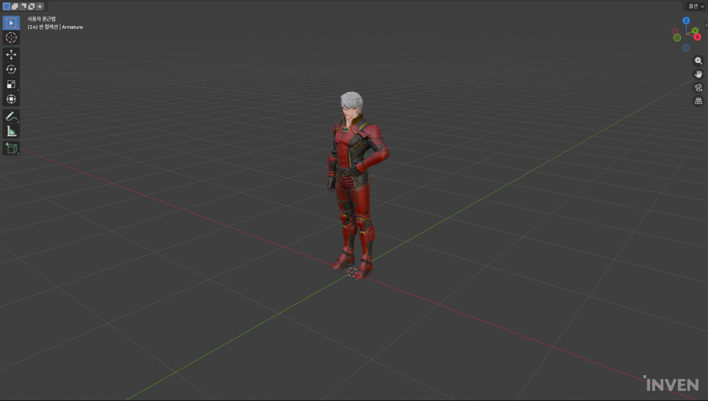
As one such attempt, we newly created three Commander characters, which will be introduced at launch. Subsequent graphical improvements will also proceed incrementally, balancing total workload with visual harmony.
Competitive games are inherently sensitive to balance. The original was no exception. How are you tuning balance, and what criteria are you using?
“Full-scale balance adjustments are scheduled to begin around November. Right now, we are reviewing adjustment directions, so it is difficult to detail specific figures or test results.
Our baseline is to emphasize each unit's strengths and roles while providing tactical options to counter opponent choices. For underused units, we intend to examine their performance, equipment loadouts, and practical utility in battle.
Examples currently under review include Radar Jammer and Radar Scan. Since these features impact wide-area battlefield conditions, we plan to apply set cooldowns in this version, taking usage frequency and counterplay opportunities into account. Exact timings will be determined during the balance tuning process.
Referencing both battle logs and player feedback, we will examine which units are picked and why, as well as situations where they prove difficult to use. We intend to continuously adjust based on test findings.
Live-service games inherently require operational staff separate from development staff, which may concern some players. How do you plan to handle this?
“Initially, we are preparing under the structure that the two of us will handle both development and operations together. The development team will directly make final operational decisions that affect players, such as handling customer inquiries, issue verification and response, and balance adjustments. AI and operational support tools will be utilized to assist with repetitive tasks and lighten the load.
We plan to evaluate hiring additional staff while monitoring service scale, actual workload, and long-term sustainable operational costs. We are also exploring the idea of finding individuals to assist in areas where roles and authority can be clearly delineated, such as community management.
We will break down operational tasks in detail, identify where tools can boost efficiency versus where human response is necessary, and make adjustments tailored to service conditions.
Fandom response has been fairly passionate since Tactical Commanders R was revealed, resulting in plenty of feedback. Was there any feedback that caught your attention as particularly spot-on?
“Most memorable were comments detailing past gameplay experiences. Players pointed out specific issues in given scenarios, allowing us to cross-check against behavior in the legacy code. Veteran players' insights helped us understand original mechanics and identify areas to audit in this version.
We are also following feedback on contentious features like the President and Cabinet system, the Zest, and Special Gear. We realize that even for the same system, what individual players find enjoyable or want improved can vary.
We intend to decide what original fun to preserve and what to adjust for modern services through tests and community feedback. For changes impacting core game identity, we will thoroughly explain the reasoning and expected effects as we evaluate them.
Right now, the goal seems to be restoring original units and planets as they were. However, live services inevitably require new additions over time. Is adding new units and planets possible, and if so, what cadence or approach might that take?
“We are open to adding new units or planets. However, specific types and schedules are not fixed, and for the first few months after launch, our focus will be on stabilization.
After that, we envision operating on seasons of roughly 4 to 5 months. We want to introduce fresh changes at season turns, though that doesn't mean adding new units or planets every time. Changes could take the form of balance adjustments or new rules, decided based on operational status and player feedback.
We are also preparing ways for players to participate in content expansion. We plan to utilize Steam Workshop so players can directly build or help refine certain game elements.
While it is too early to detail the exact scope of participation or timing, we are preparing options like contributing to game text translation or creating and sharing custom maps with the map editor. Incorporating user-created maps into the live game is also under consideration, subject to separate review.
As we finalize details on scope and operations, we want to broaden the areas where player ideas and creations drive the game's growth.
If new units are added, there might be a visual clash with existing units. How do you plan to address this issue?
“The newly created Commander characters were produced in 3D. When implementing them into the game, we adjusted them to match existing background and unit sizes, screen resolution, and presentation style. Ensuring they fit naturally into the original battlefield was our baseline.
Regrettably, it is difficult to showcase all the fine details of the original 3D models in the process. If a comprehensive graphical remaster takes place in the future, we believe we will be able to display them much closer to their original models. We will continue to balance individual graphic quality with the overall visual harmony of the battlefield.
What is your planned business model for the service?
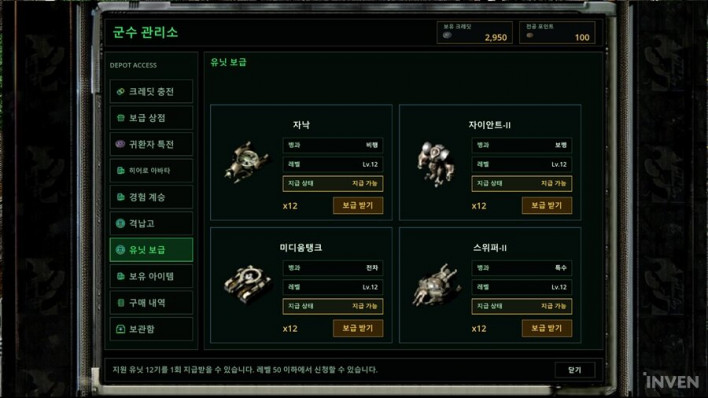
“We plan a buy-to-play model where players purchase a package to play, with optional in-game purchases for select quality-of-life features and cosmetics. The base package will include original game content and certain QoL features. Separate microtransactions under consideration include nationality changes, emergency repairs, and character avatars.
Our monetization principle is to minimize any impact on combat and competition. Even QoL features can affect gameplay, so rather than claiming zero impact, we are carefully evaluating usage limits and design details for each.
For instance, emergency repairs could affect re-entry into battle, so we are considering capping daily uses. Right now, we are thinking around 3 to 5 times per day, though figures aren't finalized. We will adjust product offerings and restrictions based on actual usage patterns and test results.
Many players are already looking forward to global nation wars—a true nation-versus-nation conflict. It might be early to ask, but are you preparing for this?
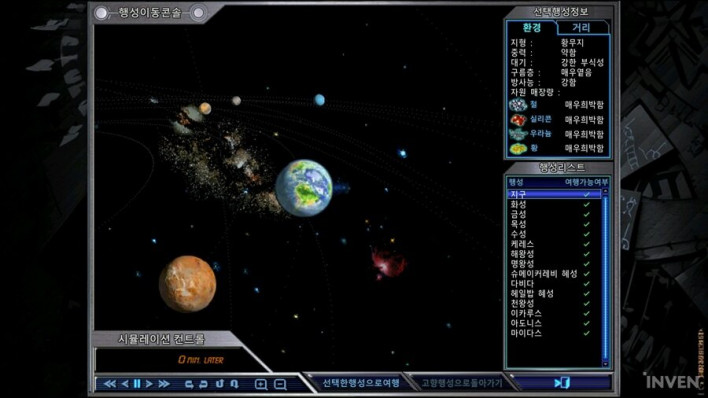
“At launch, rather than genuine real-world nation-versus-nation play, we envisage players from various regions split across four in-game nations on a single planet. In-game nations will not directly represent specific real-world countries.
We are open to expanding this later depending on player population and system stability. What we want to try most is interplanetary warfare. For instance, Earth and Mars might each have four nations fighting territorial conquest wars, and once a planet is unified, the war shifts to another planet.
However, this is an ambition we hope to tackle down the line, not confirmed launch content. We will first build a foundation where players across regions can enjoy the game together, then decide on future expansions.
We understand you communicate via Discord and other channels. What is the approximate breakdown of interest by region or country?
“While we haven't compiled precise percentages, judging by reactions on Discord and Steam, Korean players make up the largest group. Following that, interest generally appears highest from Greater China, English-speaking regions, and Japan, in that order.
However, since this impression is based on current community activity, it is difficult to call it an exact regional breakdown of all potential players. Rather than offering arbitrary percentages, it would be most accurate to say that interest is centered in Korea alongside active attention from various regions worldwide.
You previously mentioned a small closed beta test (CBT) planned for September–October. When exactly will it take place, and what do you plan to verify through this CBT?
“Currently, we are preparing a small CBT targeting October 17–18. We are checking Steam registration procedures and internal readiness; if the target schedule adjusts, we are also prepared to hold it on October 24–25. Finalized dates will be announced separately. Tests will run for short sessions of around two hours per day.
The first CBT is designed as a technical test to validate implemented features under actual player network conditions. We will focus on checking the core service flow—from launching and connecting to entering the battlefield—and synchronization stability. Features available will be limited to match our verification scope.
Based on these results, we will flesh out the scope, methodology, and launch schedule for subsequent testing. Afterwards, we plan to run at least one more test with expanded participation to give those who couldn't join the first CBT a chance to play.
As this is our first chance to show the game we've been working on for so long, we feel both excitement and nervousness.
Finally, any last words for players waiting for Tactical Commanders R?
“At first, it was simply 'I want to play Tactical Commanders again.' What started with that feeling progressed through Nexon Replay to official service preparation, and now we are building a game that players across multiple regions can enjoy together.
There is still much to prepare for development and operations, but our starting mindset remains unchanged. We want to play Tactical Commanders again too, and we want to share that experience with all of you.
Even after launch, we will keep listening to feedback from testing and live play to continuously polish the game. To show an even better state in one or two years, we will responsibly prepare a service built to last.
We eagerly look forward to the day we meet on the same battlefield again and enjoy the game together.
This article was originally written in Korean and translated with the help of AI. It was then edited by a native English-speaking editor. All AI-assisted translations are reviewed and refined by our newsroom.
[Read Original]